HDL and Cognition in Neurodegenerative Disorders
-
Highlights
• Multifunctional HDL particles are formed both in the periphery and in the brain.
• HDL metabolism pathways modulate the progress of neurodegenerative disorders.
• Elevated levels of HDL preserve cognition in aging and neurodegenerative disorders.
• HDL-enhancing therapies may be applied to improve cognitive function.HDL and Cognition in Neurodegenerative Disorders (2014)
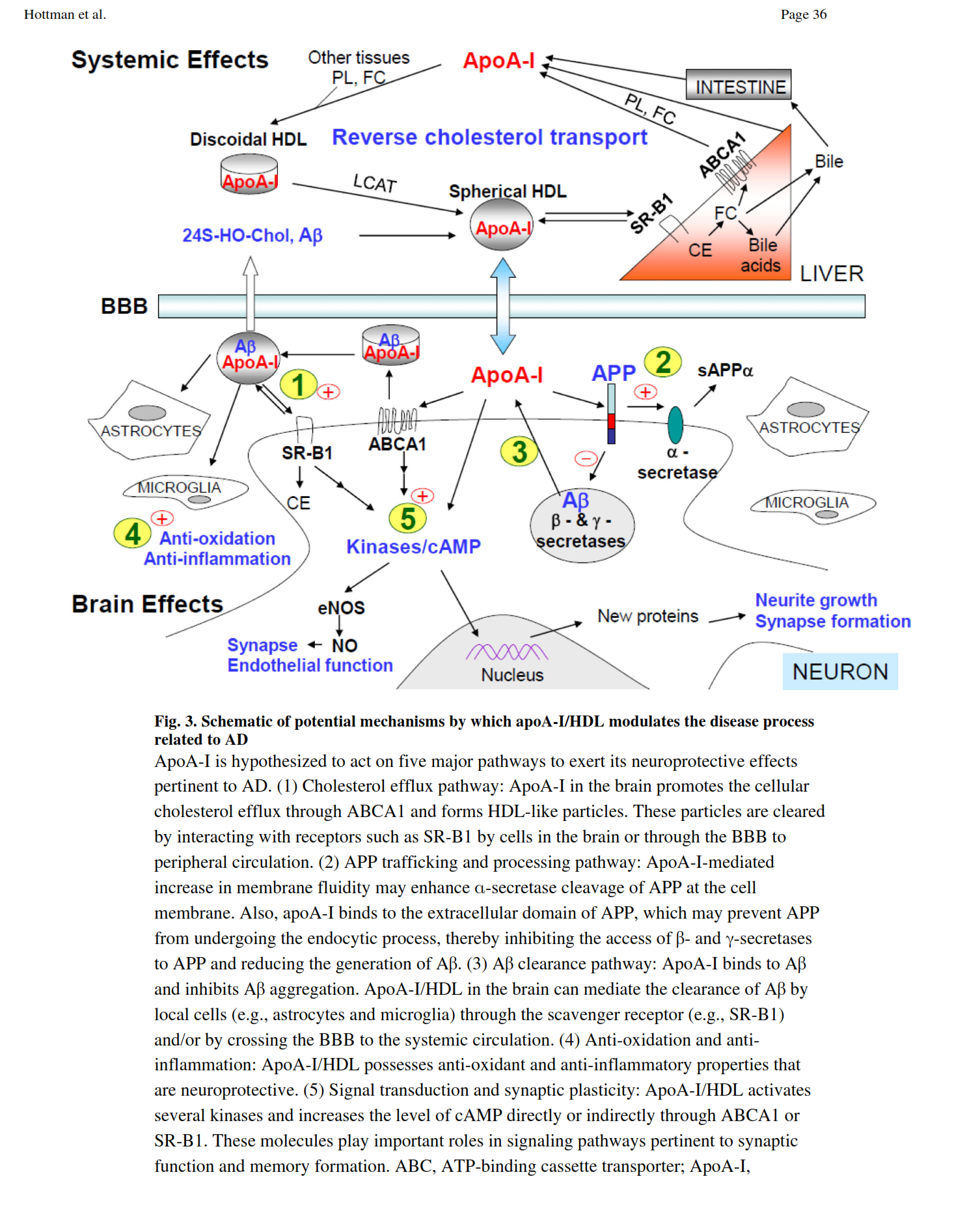
High-density lipoproteins (HDLs) are a heterogeneous group of lipoproteins composed of various lipids and proteins. HDL is formed both in the systemic circulation and in the brain. In addition to being a crucial player in the reverse cholesterol transport pathway, HDL possesses a wide range of other functions including anti-oxidation, anti-inflammation, pro-endothelial function, anti-thrombosis, and modulation of immune function. It has been firmly established that high plasma levels of HDL protect against cardiovascular disease. Accumulating evidence indicates that the beneficial role of HDL extends to many other systems including the central nervous system. Cognition is a complex brain function that includes all aspects of perception, thought, and memory. Cognitive function often declines during aging and this decline manifests as cognitive impairment/dementia in age-related and progressive neurodegenerative disorders such as Alzheimer's disease, Parkinson's disease, Huntington's disease, and amyotrophic lateral sclerosis. A growing concern is that no effective therapy is currently available to prevent or treat these devastating diseases. Emerging evidence suggests that HDL may play a pivotal role in preserving cognitive function under normal and pathological conditions. This review attempts to summarize recent genetic, clinical and experimental evidence for the impact of HDL on cognition in aging and in neurodegenerative disorders as well as the potential of HDL-enhancing approaches to improve cognitive function.
-
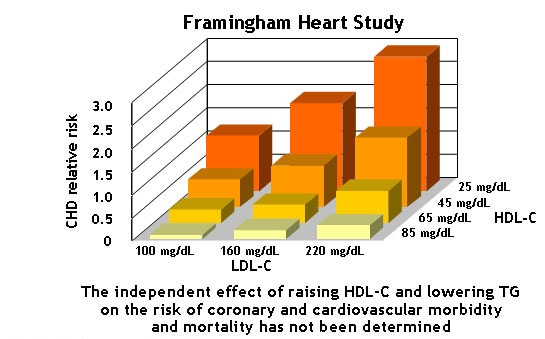
Raising HDL has also been assoicated with reducing cardiovascular risk,
(source) -
Niacin is the the most potent substance to raise HDL (up to 35%).
Apolipoprotein E-containing High Density Lipoprotein Promotes Neurite Outgrowth and Is a Ligand for the Low Density Lipoprotein Receptor-related Protein (1996)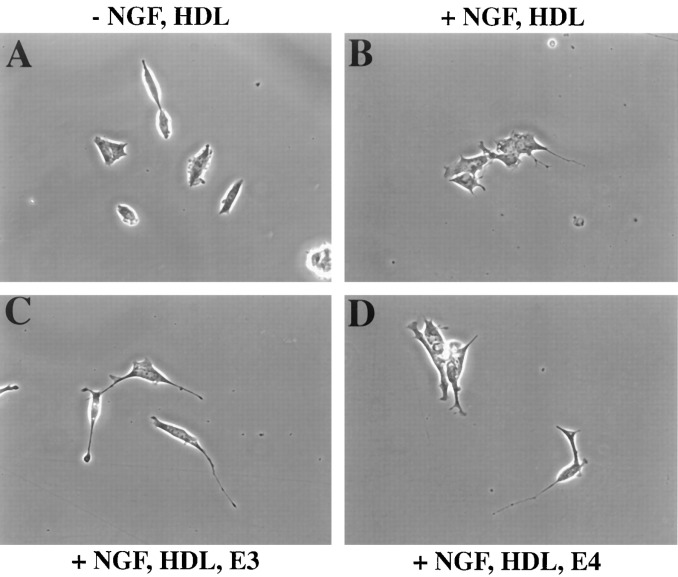
-
 D DavidPS referenced this topic on
Hello! It looks like you're interested in this conversation, but you don't have an account yet.
Getting fed up of having to scroll through the same posts each visit? When you register for an account, you'll always come back to exactly where you were before, and choose to be notified of new replies (either via email, or push notification). You'll also be able to save bookmarks and upvote posts to show your appreciation to other community members.
With your input, this post could be even better 💗
Register Login