Super Monkey Ball is Bioenergetic Art

-
This is a copy of the X Article I wrote here: https://x.com/slurptyronene/status/2056711932090990792
Super Monkey Ball is Bioenergetic Art
Or why Super Monkey Ball is Ray Peat The Game.
Background
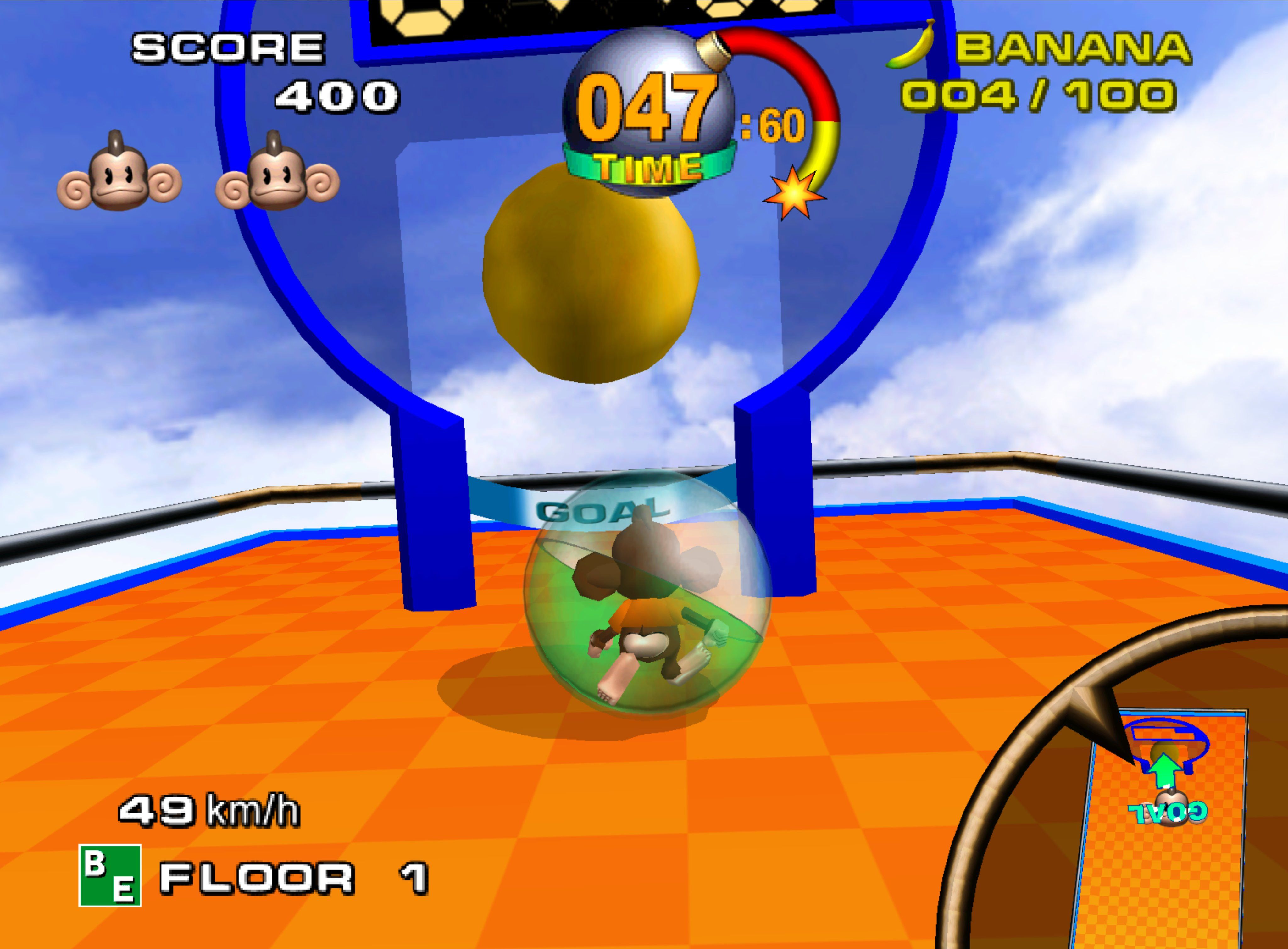
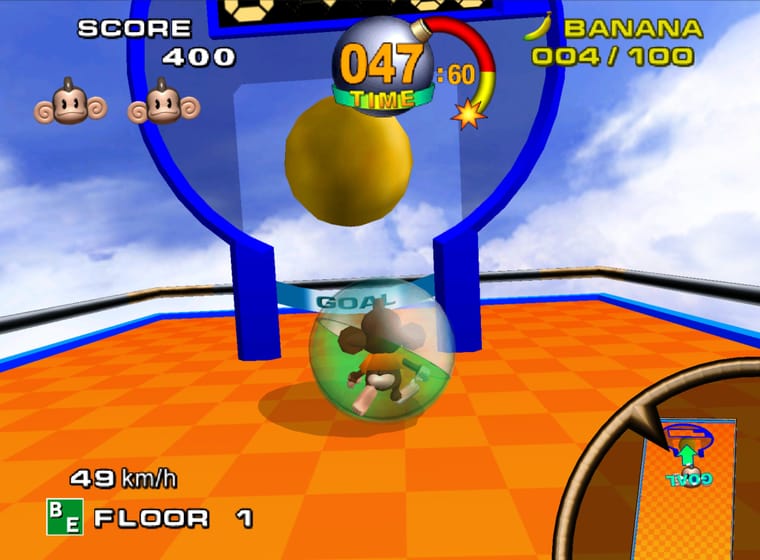
Way back on June 23, 2001 (almost 25 years ago!) the world would get to see a whole new concept for an arcade game never conceived before. The core idea was simple: roll the cute monkey in the ball to the goal. Well, actually, two decades before, there was this other game called Marble Madness. It was almost identical, just with marbles instead of monkeys. This new version called Monkey Ball would bring Marble Madness into true 3D and of course add cuteness through the monkeys.
Expansion
Back in 2001, the developer of Monkey Ball, SEGA, was in a weird spot. Their Dreamcast console crashed and burned but their Dreamcast derivative arcade system, NAOMI, was still going strong. At the same time Nintendo's GameCube, similar under the hood to the NAOMI, was just about to be released. So, the creators behind Monkey Ball thought, "Ruh roh. We need something on the GameCube ASAP. Hey, these monkeys would be great!" Merely a couple months later the upgraded and polished Super Monkey Ball would become available for the GameCube.
It was a hit. The standard marble rolling type gameplay plus six high quality party games made it popular among both those looking for some quick fun but also competitive speedrunners who are still finding new techniques to this day. Therefore, the obvious move was to make a sequel with more of everything: Super Monkey Ball 2 (SMB2). It was indeed better in many ways and is still remembered fondly along with SMB1 despite being 24+ years old now for its gorgeous graphics and inclusion of a real, honest-to-goodness story. For that reason, both entries hold a special place in the hearts of many by being works of art.
(Video not included here due to size limits)
And the rest is history
SEGA did not actually develop Monkey Ball nor its GameCube port nor its sequel. Rather, this little SEGA spinoff Amusement Vision handled nearly everything, and when they kicked the bucket in 2004, Super Monkey Ball suddenly had no place to call home in the mothership. It became sort of a hot potato because it seemed like nobody had any really good ideas after what appeared in SMB2. The most compelling evidence for this was the 2006 release Super Monkey Ball Banana Blitz.
Banana Blitz was different. At the time, the Wii with its cutting edge motion controls was getting ready for release and of course anybody making a launch title had to use those motion controls. The result? To make stages playable by tilting the Wiimote, they became these boring pathways with guardrails and few interesting challenges. But the minigames! There were 50 of them, most qualifying for the shovelware award. They forgot what made Super Monkey Ball so great and would not remember again until 2021 with Banana Mania, the 20th anniversary remake of the originals.
How it's Peaty
At this point you might be wondering what monkeys in balls have to do with Ray Peat and bioenergetics.
The top-down idea is that throughout its history SMB has inadvertently embraced the principles of RP et al. in contrast to most other games or even creative works in general.The gameplay
As you remember, the core idea behind Super Monkey Ball is to roll the cute monkey in the ball to the goal. That sounds simple enough. It is. However, to make the original arcade version a quarter muncher, each stage rapidly grows in difficulty, testing your skills of directional precision, timing, patience, and spatial modeling. It also included a high quality physics engine to ensure that the hardest stages are still possible to complete with good enough skills. This combination of great physics and tricky stages made Super Monkey Ball the subject of several studies assessing the effects of playing it on performance in surgery, most notably laparoscopic.
The original 2002 study by Rosser et al. looked at three games: Silent Scope, Star Wars Racer Revenge, and Super Monkey Ball 2. Participants played one of the three games for 25 minutes to assess their skill. Separately, they performed the so-called "Top Gun" laparoscopic surgery simulation. Results indicated that, in general, measured performance in Super Monkey Ball 2 by far had the greatest correlation with assessed laparoscopic surgery skill with r=0.631 and p=0.00. Meanwhile, the competition performed worse, with r=0.495, p=0.003 and r=0.482, p=0.004 respectively.
However, as Peaters, we know that correlational studies are often bunk. For this reason Rosser et al. followed up on their 2002 work with a new, causal study (2012) assessing the performance of surgeons in not only the Top Gun assessment but also smaller ones, all after having played the same three games as before, each for 6 minutes. What they found is that playing these games beforehand significantly improved speed in the drills, with t=2.28 and p<0.05 among the entire group. Other markers of skill such as efficiency and error rate were significantly improved as well. As a result, this led to the participating hospital setting up a special lounge area where surgeons could play SMB2 on the GameCube before operations. Note how they chose SMB2 and not the two other tested games.
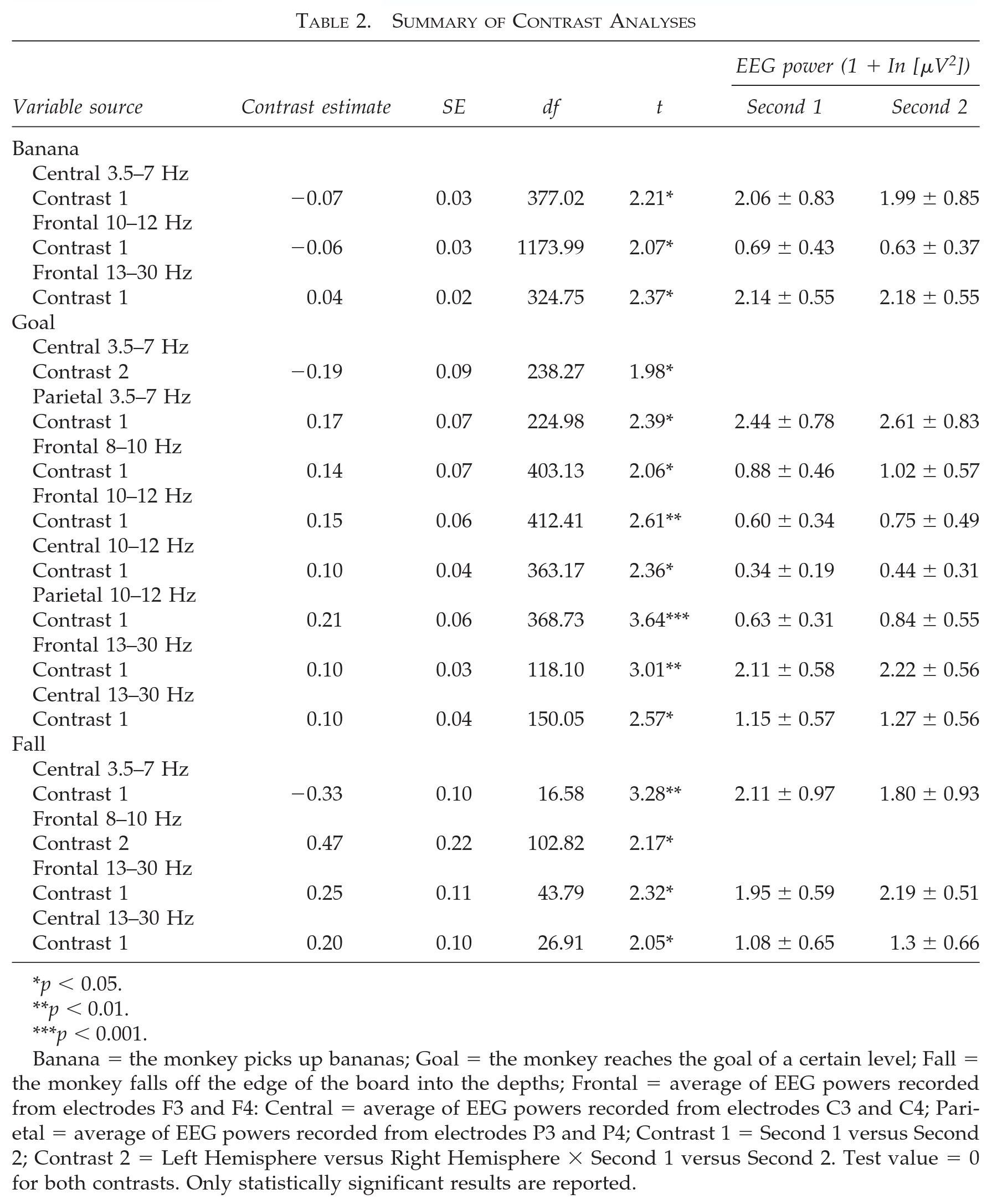
A different kind of study, this time by Salminen et al. (2007), assessed the specific effects Super Monkey Ball 2 had on brain activity as shown by EEG using SMB2 as a model for video games in general, because no previous similar studies had been done before. It assigned various activities in SMB2 to specific event markers. For example, picking up a banana was one event, reaching the goal was another, and falling out was yet another. They then recorded EEG scans of participants playing SMB2 and correlated event timing to EEG activity. Results showed that the events elicited specific responses in brainwave activity and I'm not including them all here for brevity. However, what I can say is that specific events like Banana and Goal evoked "positive" responses; falling out of the stage interestingly did not evoke a "negative" response but rather one that could be interpreted as positive. We can conclude from this study that, generically, Super Monkey Ball 2 significantly creates specific responses within the brain arising from specific in-game events.
Putting it all together, the 2003 conference publication "On A Roll: A Joint Study of Super Monkey Ball" associates specifically Super Monkey Ball with generic eye-hand coordination (EHC). The participants, schoolkids in Copenhagen, took an EHC test before entering a room where they could choose how they wanted to play SMB1, whether the regular way or through the party games like Monkey Race or Monkey Fight. After doing so, the took the EHC test again. Results showed, save an outlier, significant improvement across the board on test performance.
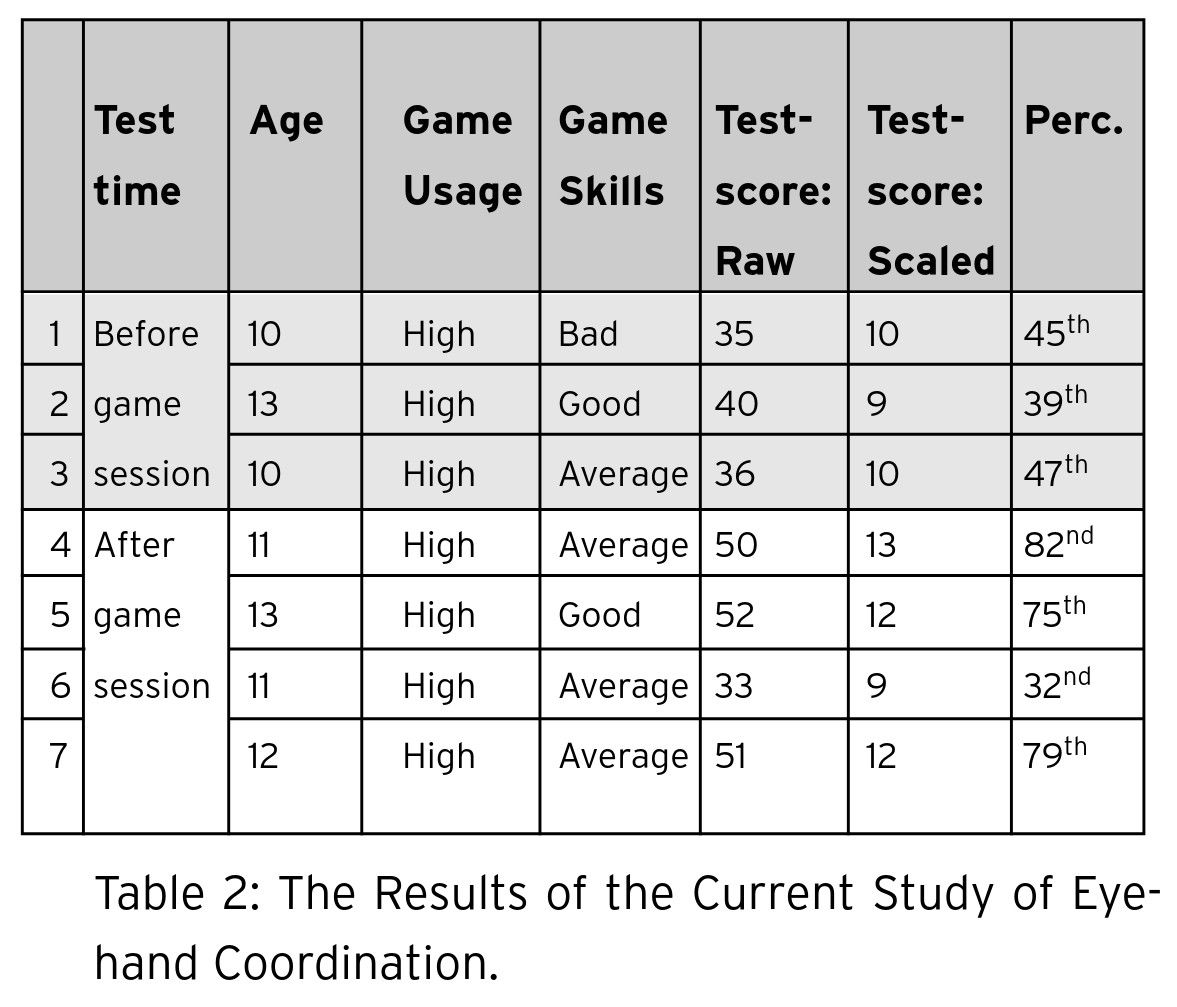
These four studies all have one thing in common: Super Monkey Ball 1 and 2 significantly increased brain activity in specific regions, more so than other games, and generally in those associated with fine motor control. This finding relates to bioenergetics in that those regions tend to consume the most energy. In fact, closing your eyes is a great way to relax because the brain region responsible for vision is extremely hungry for energy. Therefore, it would not be unreasonable to draw a connection between Super Monkey Ball gameplay and increased metabolism in order to sustain the brain processing required to play SMB. In Peat terms you would say SMB is a thyroid mimetic. Now, I do not know if this is actually true or not, so SMB being a thyroid mimetic is purely speculative at the moment.
The characters
Another part of Super Monkey Ball that you can consider bioenergetic is the monkeys themselves.
First, look at their home environment. This has always been depicted as a kind of tropical beachside community as seen in SMB2's Story Mode and in other entries like Banana Rumble. Quoting Peat from a 1996 newsletter, "Q: You mention sunlight as beneficial to your health. How? A: For example, it can cure depression, improve immunity, stimulate our metabolism while decreasing food craving, and increase our intelligence." Other games in the early 2000s such as Super Mario Sunshine commonly took place in sunny tropical environments, but no other universe has stuck to the theme as consistently as Super Monkey Ball.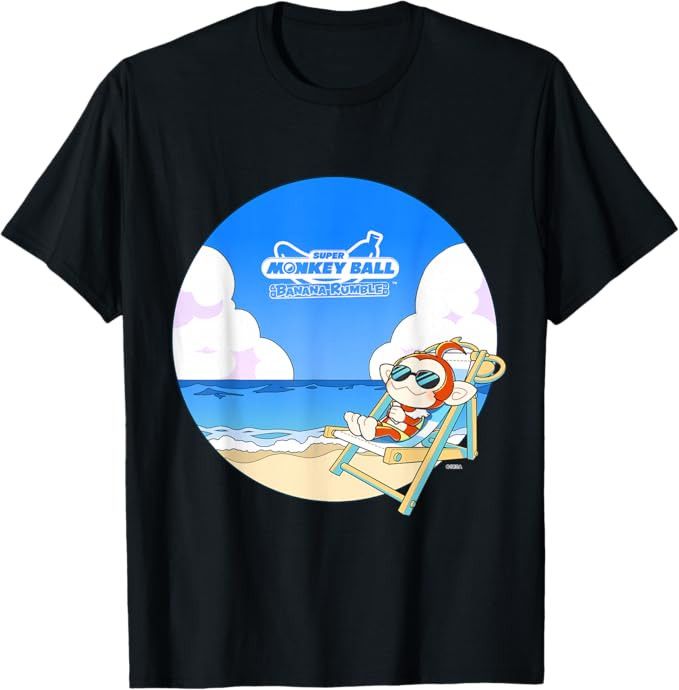
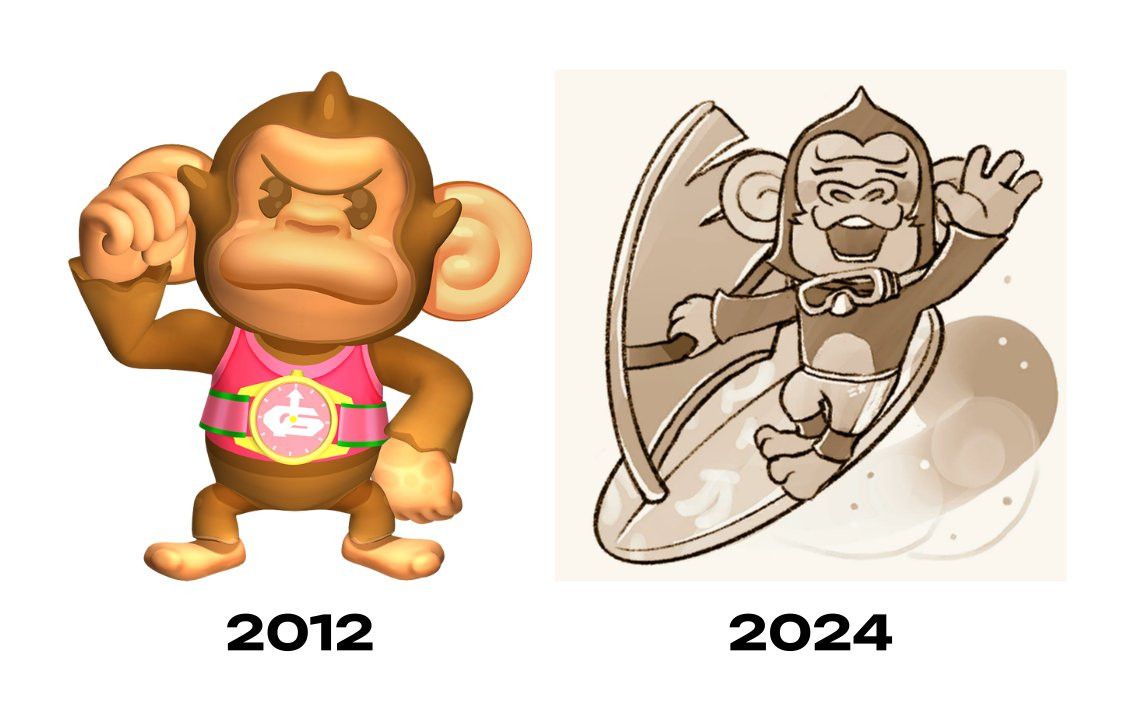
Adding on to the tropical theme is at least one curious pro-metabolic evolution of a monkey. GonGon, a burly gorilla, "trains every day to become the strongest monkey." "GonGon's strength complements AiAi's brains. He is the brawn behind the Super Monkey Ball team and will always help out a friend in need." Guess what happened to him? In Banana Rumble, he took up surfing specifically to GET MORE SUNLIGHT. Quoting Peat again, "The energy-producing part of cells, the mitochondrion shows signs of being increasingly damaged as the night progresses, but they are gradually restored to their normal condition during the daytime light hours... The light which penetrates deeply into our tissues (mainly orange and red-light) is able to improve the efficiency of energy production, and to suppress the toxic free-radicals that are always being formed in cells." I can't make this up!
Another suspiciously bioenergetic character is YanYan. She's a cute little lemur who is very skilled at martial arts (Peaty exercise) and is extremely attracted to AiAi. I've made posts about her in the past, but here's the Cliff notes:
- "YanYan is seen as an energetic and an adorable girl." High OXPHOS for energetic, low oxidative stress and progesterone dominance for adorable.
- "Her father, the strongest ape in the world, taught her Hachi-en-Ken." Great epigenetics for strongest, martial arts are a Peaty form of exercise because they do not create excessive oxidative stress.
- "In the Main Game of Super Monkey Ball: Banana Blitz, YanYan is the highest jumper of all the characters." Her muscles have high ATP, a sign of high ATP cofactors such as thiamine.
- "Monkeys would usually fall for her nice and cuteness, but that was different for Aiai." She is probably also emitting the female pheromones which are a result of high metabolism, and we don't what's up with AiAi.
- "She would go blasting off with her imagination (thinking about AiAi)." Great imagination means low serotonin levels.
- "The day she met AiAi, she fell for him like a truckload of bananas. She is not usually shy at all, but around him, she can barely breathe." YanYan is probably picking up on AiAi's pheromones.
- "YanYan is an energetic lemur who is a master of the strongest martial arts techniques in the monkey world, which she learned from her father! Her fearless nature helps her tackle any challenge." No fear means low cortisol, low serotonin, and low estrogen.

YanYan achieves all of this despite not being being as young as you might think. It's revealed elsewhere that the so-called "Super Monkey Balls" are really AiAi's and GonGon's private equity firm AiGon Investments' flagship product that AiAi developed after having used a magic Monkey Ball to get the bananas back in SMB1. We also know that AiAi got a degree in mechanical engineering from a local university and YanYan recently moved nearby, so it's not unreasonable to assume that both AiAi and YanYan are in their mid 20s, a time at which poor metabolic habits can take their toll.
The diet
This is where it gets really interesting.
By and large the most significant component of the monkeys' diet is bananas. However, in Monkey Billiards 2, we can see that the monkeys drink milk, and not only that, but flavored milks too.

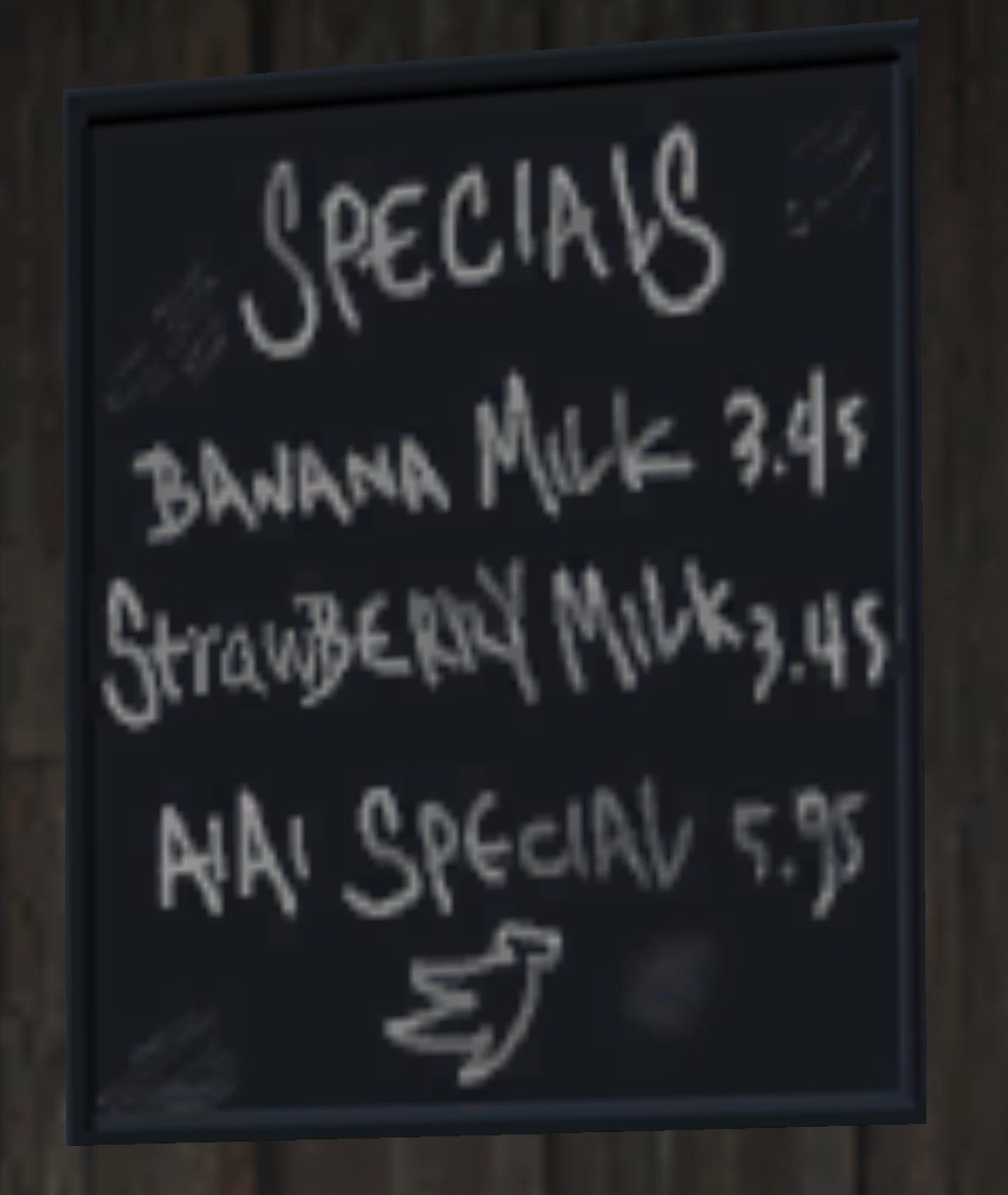
An official drawing from @SuperMonkeyBall also shows that the monkeys will gladly eat chocolate covered bananas.
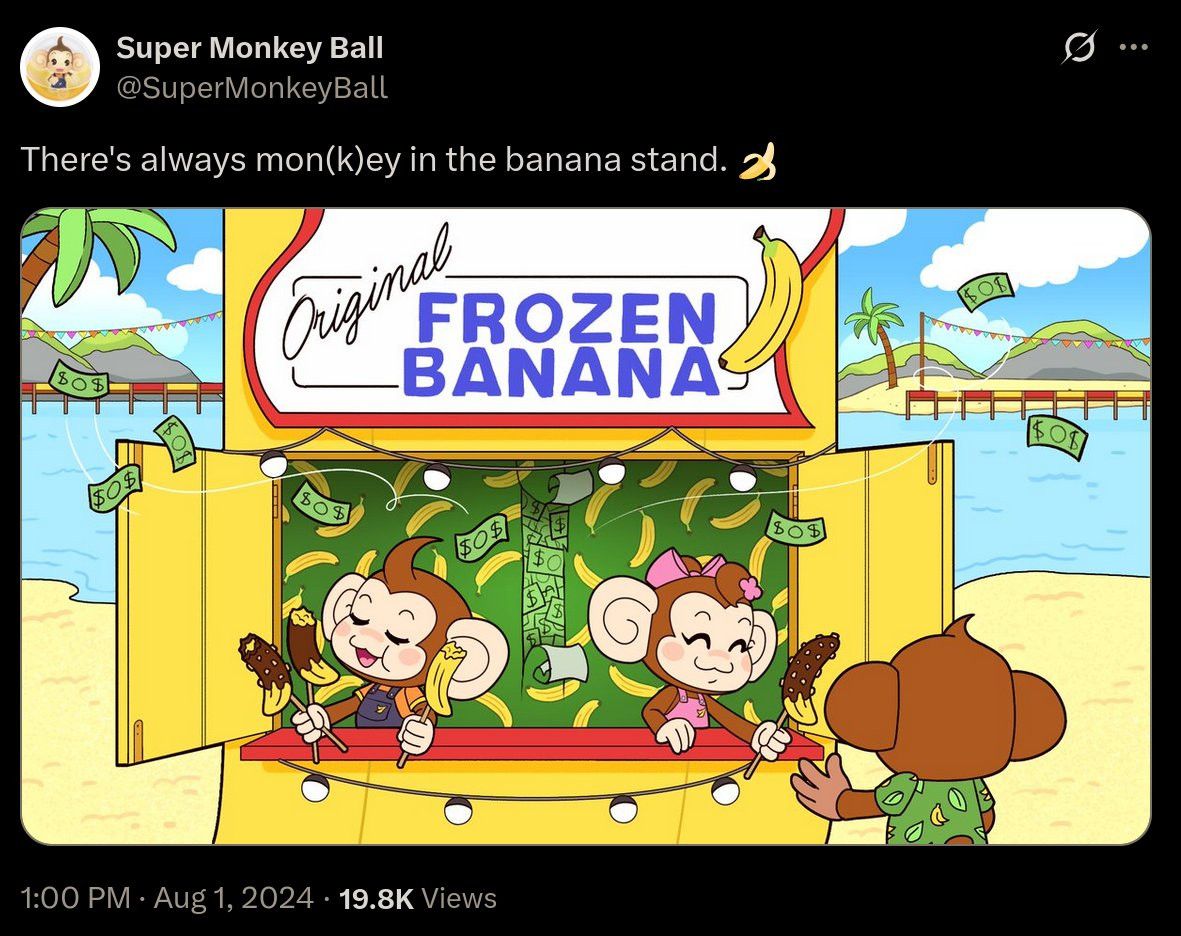
So now we know that the Super Monkey Ball diet consists of:
- Bananas
- Milk, plain or flavored
- Banana derivatives
This sounds pretty Peaty. "But wait! Bananas have serotonin!" you exclaim. Evidence suggests that the serotonin in bananas is metabolized in the gut and doesn't actually enter the bloodstream.
"Using a highly specific radioenzymatic assay we determined the serotonin concentration in 80 types of foods. The following fruits had a high serotonin concentration (mean +/- SEM) expressed in micrograms/g weight: plantain 30.3 +/- 7.5; pineapple 17.0 +/- 5.1; banana 15.0 +/- 2.4; Kiwi fruit 5.8 +/- 0.9; plums 4.7 +/- 0.8; and tomatoes 3.2 +/- 0.6... Ingestion of these fruits and nuts resulted in an increase in urinary 5-hydroxyindoleacetic acid excretion with no change in platelet serotonin concentration. The above foods should not be eaten while a urine is being collected for 5-hydroxyindoleacetic acid analysis." (Feldman, J.M. & Lee, E.M., 1985)
What you would want to worry about instead is the tryptophan in bananas. However, because tryptophan is an amino acid, it competes with other amino acids for the serotonin synthesis pathway. Therefore, the ability of bananas to generate serotonin should be reduced when consumed with a protein... like that found in milk. Additionally, at least in one case study, bananas are associated with hyperdopaminemia, or too much dopamine in the blood. This is because bananas also contain tyrosine, a precursor to dopamine.
Banana is known as a dopamine-rich and potassium-rich food, however no previous data regarding biochemical or psychological alteration induced by excess intake of banana has been reported. We have experienced an adolescent female case of Anorexia nerviosa (AN) who denied eating anything but maximum 20 bananas and less than 500 ml mineral water per day for more than two years. During the period of massive banana eating habit, she showed increase of serum potassium (from 4.7 mEq/l to 6.1 mEq/l) and whole blood dopamine (from 11 ng/ml to 210 ng/ml; normal range 0.5–6.2 ng/ml), and obvious dysthymia that is inexplicable only by the pathology of AN. When the patient resumed other food ingestion after 26 months of obsessive and restricted eating of banana, the abnormalities in her blood data and her psychological state were all corrected toward normal. We conclude that in this case, the obsessive and restricted habit of banana ingestion resulted in hyperkalemia, hyperdopaminemia, and psychological change." (Tazoe et al., 2006)
Milk does not need much of an explanation because it's well covered within the Peatosphere. Chocolate milk in particular appears to be the most anabolic and bioenergetic of the milks because of the added sugar, and the same is likely true for banana milk and strawberry milk.
Banana derivatives could vary a lot. In the drawing, it's chocolate covered bananas. As chocolate is 50% saturated fat, this is already a Peaty meal. However, if you had a different dietary need, it's likely you would be able to meet it with a banana based recipe. I have been thinking about cinnamon dusted banana chips fried in coconut oil lately. Yum!
Putting it all together
I cannot believe I just wrote an article about how Super Monkey Ball is bioenergetic. But the evidence is impossible to ignore. The gameplay itself, the characters, and their behaviors. It all adds together to form what I would consider a tool to add to your Ray Peat toolbox. If you're going to play a video game, make it SMB. That brings us to how you should experience it for yourself.
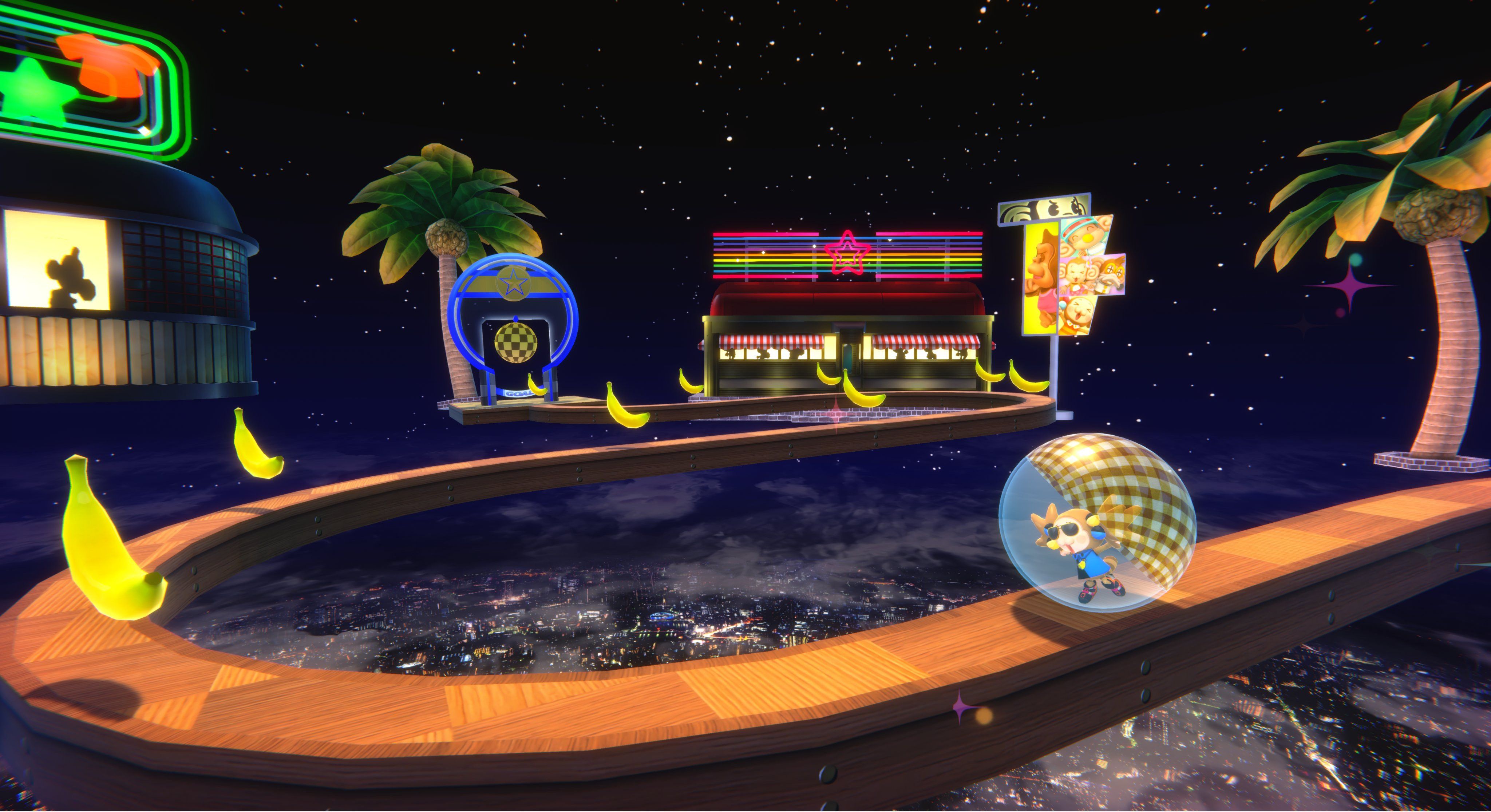
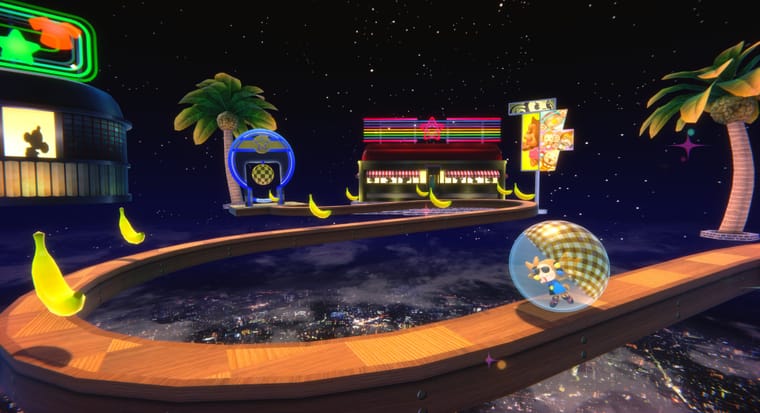
There are a few good ways to join the fun. First, if you want to experience the originals how they were intended to be, go grab an old GameCube and the discs and have a blast. For the arcade you'll have to emulate it unless you want to visit New York or Japan. Another way is with the Banana Mania remake which is on Steam. Finally, the latest entry, Banana Rumble, is available for the Switch.
-
@engineer lol I looked into this game last week idk if its cuz u mentioned it prior in some other thread idk
-
 T ThinPicking referenced this topic on


Hello! It looks like you're interested in this conversation, but you don't have an account yet.
Getting fed up of having to scroll through the same posts each visit? When you register for an account, you'll always come back to exactly where you were before, and choose to be notified of new replies (either via email, or push notification). You'll also be able to save bookmarks and upvote posts to show your appreciation to other community members.
With your input, this post could be even better 💗
Register Login