Pessimism and Proteobacteria
-
One of the most powerful yet underappreciated factors that determine emotions is endotoxemia, i.e., the entry of bacterial breakdown products originating in the gastrointestinal (GI) tract into the bloodstream that activates an inflammatory response in the brain resulting in depression, anxiety, anhedonia (inability to experience pleasure), anger, and pessimism. While such emotional responses can occur independent of LPS endotoxemia, it is becoming clear that some of the worst cases of such emotions, such as depression unresponsive to conventional drugs, are driven by LPS endotoxin.
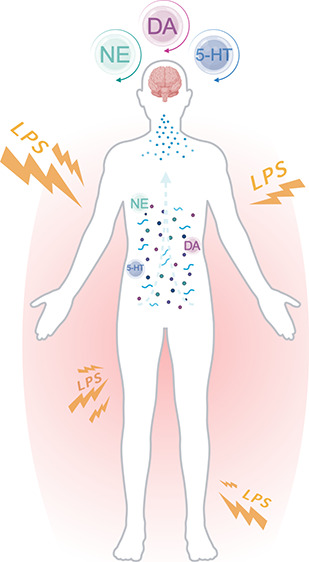
Lipopolysaccharide Effects on Neurotransmission: Understanding Implications for Depression (2024)In this Perspective, we review studies that find chemical changes in the brain after administration of the endotoxin LPS, which is a robust method to induce rapid inflammation. From these studies, we interpreted LPS to reduce dopamine and serotonin and increase norepinephrine levels in various regions in the brain. These changes are not a sign of “dysfunction” but serve an important evolutionary purpose that encourages the body to recover from an immune insult by altering mood.
Neural Response to Emotional Stimuli During
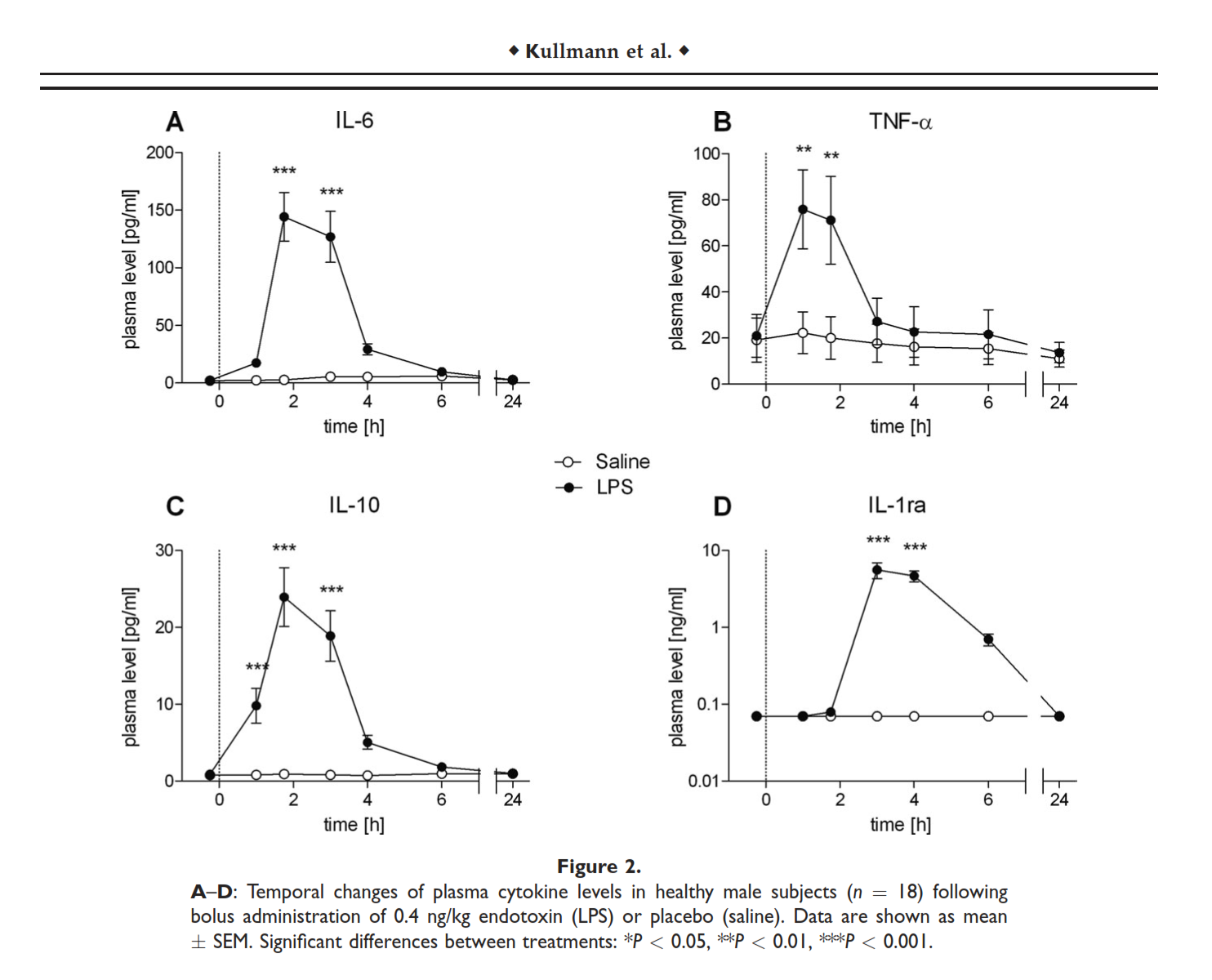
Experimental Human Endotoxemia (2013)Endotoxin administration induced pronounced transient increases in plasma levels of TNF-a, IL-1ra, IL-6, IL-10, and cortisol. Positive mood was decreased and state anxiety increased. In addition, activation of right inferior orbitofrontal cortex (OFC) in response to emotional visual stimuli was significantly increased in the LPS condition. Increased prefrontal activation during the presentation of emotional material may reflect enhanced cognitive regulation of emotions as an adaptive response during an acute inflammation. These findings may have implications for the putative role of inflammatory processes in the pathophysiology of depression.
♫ Don't worry, be happy! ♫

Hello! It looks like you're interested in this conversation, but you don't have an account yet.
Getting fed up of having to scroll through the same posts each visit? When you register for an account, you'll always come back to exactly where you were before, and choose to be notified of new replies (either via email, or push notification). You'll also be able to save bookmarks and upvote posts to show your appreciation to other community members.
With your input, this post could be even better 💗
Register Login