Milk being a "complete food" for humans, is also a good medium for bacteria growth: Difficulties reducing endotoxin(LPS) in dairy products.
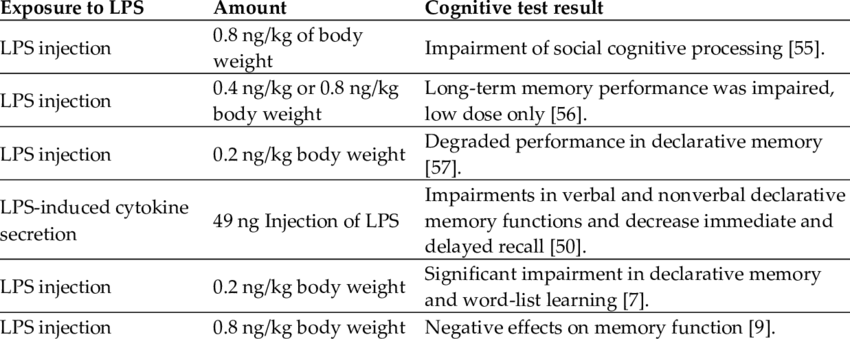
-
Google Gemini Summaries:
Psychrotrophic bacteria, such as Pseudomonas, are major contributors to post-processing spoilage in refrigerated animal-derived foods (meat, dairy, fish) because they can proliferate at temperatures below 7°C. These bacteria produce heat-resistant lipases and proteases during cold storage that can remain active after pasteurization or UHT treatment, causing degradation, off-flavors, and reduced shelf life. While they are typically killed by heat treatment, their presence in final products often indicates post-processing contamination, and their enzymes can persist and cause spoilage.
Key Mechanisms of Spoilage and Toxins:
Proliferation in Cold Storage: Pseudomonas adapts to refrigeration by adjusting its cell membrane with unsaturated fatty acids to maintain fluidity, allowing growth between 0°C and 40°C.
Heat-Stable Enzyme Release: Pseudomonas (e.g., P. fluorescens, P. fragi, P. lundensis) produces heat-stable extracellular proteases (like AprX) and lipases. These enzymes can withstand pasteurization (72°C for 15s) and sometimes UHT treatment (up to 149°C for 10s).Spoilage Mechanisms:
Dairy: Proteases break down casein, leading to bitter flavors, gelation, and sediment in UHT milk. Lipases break down fat, creating rancid, soapy, or unclean flavors.
Meat: Pseudomonas causes surface slime, greenish discoloration, and unpleasant odors in chilled meat.Endotoxins and Survival: As Gram-negative bacteria, Pseudomonas species possess lipopolysaccharides (endotoxins) in their outer membrane, which can be released upon cell death (lysis) during final sterilization. While Pseudomonas itself is not typically a severe foodborne pathogen, its ability to form biofilms protects it from cleaning agents in processing environments, facilitating post-processing contamination.
Control Measures:
Reduced Storage Time: Limiting the duration of raw milk and meat storage before processing minimizes the microbial population to below
CFU/mL, which is considered the threshold for significant spoilage.
Improved Sanitation: Rigorous cleaning of milking, transport, and processing equipment is required to break the biofilm cycle.
Hurdle Technology: Combining refrigeration with alternative techniques such as modified atmosphere packaging (MAP), or non-thermal technologies, can combat these bacteria.Lysis Event is a well-documented phenomenon in food science where heat treatment (pasteurization) destroys Gram-negative bacteria, resulting in the release of Lipopolysaccharides (LPS), also known as bacterial endotoxins.
Bacterial Lysis: Pasteurization (e.g., 72°C for 15 seconds) is designed to destroy vegetative pathogens. When these Gram-negative bacteria die, their cell walls break down, a process known as lysis.
LPS Release: LPS is a structural component of the outer cell membrane of Gram-negative bacteria. When the bacteria rupture, this LPS is liberated, or "dumped," directly into the surrounding medium (milk).
Significance: LPS is a recognized pyrogen (inducer of fever) and a potent immune stimulator, which is a major concern in high-bacterial-load milk. While pasteurization kills the live bacteria, the heat-stable endotoxins (LPS) can remain active, necessitating high-quality raw milk to minimize initial bacterial counts.Key Findings on the "Lysis Event":
Not All Bacteria Die: While vegetative pathogens are destroyed, heat-resistant spores from bacteria such as Bacillus cereus can survive and later germinate.
Alternative Release Method: Research indicates that LPS can be released not only through lysis but also as part of the normal physiological activity of bacterial outer membrane vesicles (OMVs).
Quality Control: The presence of LPS can be used to assess the quality of raw milk and the effectiveness of pasteurization, often monitored through tests like the Limulus Amebocyte Lysate (LAL) assay.Are there any foods/supplements/herbs to ameliorate the effects of endotoxins, such as drinking coffee or using coconut oil?
Several common foods and supplements contain bioactive compounds that can help neutralize or reduce the inflammatory effects of bacterial endotoxins (LPS). While coffee and coconut oil are frequently cited, they work through different biological mechanisms.
Key Foods and Herbs for Endotoxin Amelioration
Coffee (Caffeine):
Anti-inflammatory Mechanism: Caffeine acts as a non-selective antagonist of adenosine receptors, specifically Adora1 and Adora2A, which are involved in the inflammatory response.
Suppression of Cytokines: Studies show that caffeine can prevent the LPS-induced increase in pro-inflammatory cytokines like IL-1β and IL-6.
Organ Support: While not a direct LPS binder, coffee supports the liver and gallbladder, which are essential for clearing endotoxins from the system.
Coconut Oil:
Intestinal Barrier Support: Dietary supplementation with coconut oil has been shown to improve intestinal morphology and barrier function, potentially restricting the translocation of LPS from the gut into the bloodstream.
Mixed Evidence on LPS Levels: Some experts note that while coconut oil contains medium-chain fatty acids (MCFAs) like lauric acid that can kill Gram-negative bacteria (temporarily raising LPS fragments), it does not typically trigger a systemic inflammatory response and may actually "train" the immune system.
TLR4 Inhibition: In laboratory models, coconut oil has been shown to attenuate LPS-induced inflammation by regulating the TLR4 and MAPK signaling pathways.Polyphenol-Rich Foods:
Green Tea: Contains catechins (EGCG) that can decrease circulating endotoxin levels and improve intestinal permeability.
Curcumin (Turmeric): A potent TLR4 antagonist that competes with LPS for binding, thereby inhibiting inflammatory signaling cascades.
Orange Juice: Contains flavonoids that have been shown to neutralize the rise of endotoxins typically caused by high-fat meals.Supplements and Protective Agents:
Lactoferrin: Directly binds to LPS, preventing it from interacting with immune receptors and making it easier for the body to destroy.
Activated Charcoal: Can be used periodically to bind endotoxins in the digestive tract, preventing their absorption into the bloodstream.
Probiotics: Spore-based probiotics have been associated with a significant 42% reduction in circulating endotoxins.Probiotics:
In a trial on 30 patients with cirrhosis (liver damage), Lactobacillus GG taken for 8 weeks lowered LPS and TNF-alpha levels.
In another trial of 30 triathletes, daily supplementation of 30 billion CFU Lactobacillus and Bifidobacterium strains for 12 weeks reduced LPS pre-race and six days post-race.
In a trial on 44 HIV patients, 12-week treatment with Saccharomyces boulardii reduced LPS and systemic inflammation (IL-6).
In a trial on 50 women given probiotics and a Japanese herbal medicine (Bofutsushosan), increased gut levels of the probiotic Bifidobacterium breve were linked to lower levels of LPS.
B. infantis 35624 reduced TNF-alpha and IL-6 production caused by LPS in a trial of 22 healthy participants.
Both pre- and probiotic supplementation has been linked with lower LPS levels, but larger trials are needed.
https://selfhacked.com/blog/reduce-lipopolysaccharides/
Researches:
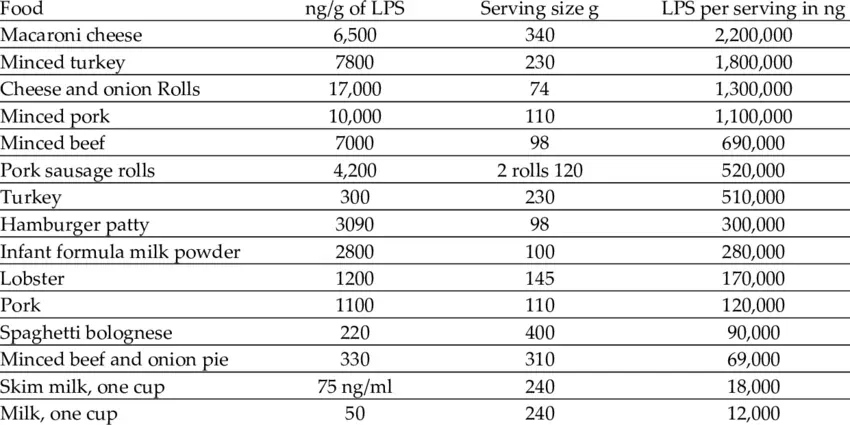
Psychrotrophic Bacteria Threatening the Safety of Animal-Derived Foods: Characteristics, Contamination, and Control Strategies
Abstract
Animal-derived foods, such as meat and dairy products, are prone to spoilage by psychrotrophic bacteria due to their high-water activity and nutritional value. These bacteria can grow at refrigerated temperatures, posing significant concerns for food safety and quality. Psychrotrophic bacteria, including Pseudomonas, Listeria, and Yersinia, not only spoil food but can also produce heat-resistant enzymes and toxins, posing health risks. This review examines the characteristics and species composition of psychrotrophic bacteria in animal-derived foods, their impact on food spoilage and safety, and contamination patterns in various products. It explores several nonthermal techniques to combat bacterial contamination as alternatives to conventional thermal methods, which can affect food quality. This review highlights the importance of developing nonthermal technologies to control psychrotrophic bacteria that threaten the cold storage of animal-derived foods. By adopting these technologies, the food industry can better ensure the safety and quality of animal-derived foods for consumers.- Use of gas
- Lytic bacteriophages
- High pressure processing
- Ohmic heating
- Ultraviolet light
https://pmc.ncbi.nlm.nih.gov/articles/PMC11377203/
Skim milk powder with high content of Maillard reaction products affect weight gain, organ development and intestinal inflammation in early life in rats
Abstract
Background
The intestinal tract is important for development of immune tolerance and disturbances are suggested to trigger autoimmune disorders. The aim of this study was to explore the effect of Maillard products in skim milk powder obtained after long storage, compared to fresh skim milk powder.
Methods
Young rats were weaned onto a diet based on skim milk powder with high concentration of Maillard products (HM-SM, n = 18) or low (C-SM, n = 18) for one week or four weeks. Weekly body weight and feed consumption were noted. At the end, organ weights, intestinal histology, permeability and inflammatory cytokines were evaluated.
Results
Rats fed with HM-SM had after one week, 15% less weight gain than controls, despite equal feed intake. After one week thymus and spleen were smaller, intestinal mucosa thickness was increased and acute inflammatory cytokines (IL-17, IL-1β, MCP-1) were elevated. After four weeks, cytokines associated with chronic intestinal inflammation (fractalkine, IP-10, leptin, LIX, MIP-2, RANTES and VEGF) were increased in rats fed with HM-SM compared to C-SM.
Conclusion
High content of Maillard products in stored milk powder caused an intestinal inflammation. Whether this is relevant for tolerance development and future autoimmune diseases remains to be explored.
https://www.sciencedirect.com/science/article/pii/S0278691518308883Comparison of endotoxin levels in cow’s milk samples derived from farms and shops
Abstract
The observations on the protective effect of bacterial endotoxin in farm-derived cow’s milk on childhood asthma and allergy are contradictory. The aim of this study was to determine the endotoxin levels in ‘farm-derived whole raw’ and ‘processed shop’ sources of cow’s milk, and to test how the temperature and storing conditions might alter their endotoxin concentrations. Milk was collected from farms and shops. The level of endotoxin was measured by micro (gel-clot) Limulus amebocyte lysate test expressed as EU/ml. The concentration ranges of endotoxin were much higher and more widely scattered in the samples of whole raw farm milk than in the processed shop milk. Cold storage or heating increased the endotoxin concentrations in all samples of farm milk, but not in the processed shop milk. These results show that elevated levels of endotoxin in raw farm milk samples can occur from the cowshed or be formed during storage. In processed shop milk, storage does not cause any changes in the amount of endotoxin. Therefore, it is consistent that the handling and storage of raw milk alters the endotoxin concentrations, which may explain previous contradictory findings regarding the beneficial modulating effects on innate immunity toward allergy prevention in early childhood.
https://pubmed.ncbi.nlm.nih.gov/25527628/A RAPD based study revealing a previously unreported wide range of mesophilic and thermophilic spore formers associated with milk powders in China
Abstract
Aerobic spore forming bacteria are potential milk powder contaminants and are viewed as indicators of poor quality. A total of 738 bacteria, including both mesophilic and thermophilic, isolated from twenty-five powdered milk samples representative of three types of milk powders in China were analyzed based on the random amplified polymorphic DNA (RAPD) protocol to provide insight into species diversity. Bacillus licheniformis was found to be the most prevalent bacterium with greatest diversity (~ 43% of the total isolates) followed by Geobacillus stearothermophilus (~ 21% of the total isolates). Anoxybacillus flavithermus represented only 8.5% of the total profiles. Interestingly, actinomycetes represented a major group of the isolates with the predominance of Laceyella sacchari followed by Thermoactinomyces vulgaris, altogether comprising of 7.3% of the total isolates. Out of the nineteen separate bacterial species (except five unidentified groups) recovered and identified from milk powders, twelve proved to belong to novel or previously unreported species in milk powders. Assessment and characterization of the harmful effects caused by this particular micro-flora on the quality and safety of milk powders will be worth doing in the future.
https://www.sciencedirect.com/science/article/abs/pii/S016816051530163XPreservation of high pressure pasteurised milk by hyperbaric storage at room temperature versus refrigeration – Effect on natural microbiota and physicochemical properties
Abstract
Compared to refrigeration (RF), hyperbaric storage (HS) has been applied as a preservation methodology to increase foods shelf-life. The aim of this study was to compare HS at naturally variable uncontrolled room temperature (RT) to RF and evaluate its feasibility to preserve high pressure pasteurised milk (HPP milk), using different pressure levels (50, 75 and 100 MPa), by testing microbial and physicochemical parameters.
While RF merely inhibited microbial growth over 40 days, HS/RT (75/100 MPa) maintained pH and gradually reducing all endogenous microorganisms tested to below the detection limit (< 1.0 log CFU/mL) corresponding to at least 2.60 log CFU/mL reduction on total aerobic mesophiles. Additionally, total soluble solids and apparent viscosity could both be kept using HS/RT for at least for 21 days. For 40 days, the total colour difference showed a small but discernible change for RF and HS/RT conditions, being also observed an increase on soluble protein for HS/RT samples, which may have resulted by pressure leading to aggregation of micelle caseins and whey proteins.
In conclusion, the present work showed the potential of HS to preserve HPP milk with longer microbial shelf-life compared to RF and with a minor impact on physicochemical properties, being more environmentally friendly and sustainable than conventional RF.Goat Milk Formula Powder Ameliorates Lipopolysaccharide-induced Intestinal Inflammation
Abstract
[Objective ] This study aimed to investigate the effects of goat milk formula powder on lipopolysaccharide (LPS)-induced intestinal inflammation and barrier impairment in mice.[Method ] Histopathological observation,real-time quantitative PCR,and enzyme-linked immunosorbent assay were used to assess changes in intestinal inflammation levels and barrier function-related indicators in mice following intervention with goat milk formula powder.Additionally,the composition of the gut microbiota was analyzed to elucidate its potential mechanisms of action.[Result ] Goat milk formula powder alleviated intestinal histopathology and increased the number of goblet cells.Compared with the model group,the goat milk formula powder intervention reduced the mass fractions of pro-inflammatory cytokines TNF- α,IL- 1β,and IL- 6 by 21.88%,28.30%,and 36.67%,respectively,while it increased the mass fraction of the anti-inflammatory cytokine IL-10 by 53.80%.Regarding intestinal permeability markers,it reduced the mass concentrations of D-lactate and enterotoxin by 16.14% and 32.52%,respectively,and decreased the activity of diamine oxidase (DAO ) by 8.74%.Meanwhile,it enhanced the mRNA expression levels of tight junction proteins ZO-1 and Claudin- 1 by 2.50- and 2.89-fold.Furthermore,the intervention increased the relative abundance of beneficial gut bacteria,including Akkermansia,Alistipes,Alloprevotella,and Muribaculum,and these microbial changes were correlated with the aforementioned inflammation and intestinal barrier indicators.[Conclusion ] Goat milk formula powder alleviated LPS-induced intestinal inflammation and enhanced barrier function in mice,with its mechanism of action potentially related to modulation of the gut microbiota structure.
https://spsw.spyswjs.cnjournals.com/journal/vol44/iss12/15/Alkaline phosphatase attenuates LPS-induced liver injury by regulating the miR-146a-related inflammatory pathway
Abstract
Lipopolysaccharide (LPS) can remain in dairy products after the sterilization of milk powder and may pose a threat to the health of infants and young children. There is a large amount of alkaline phosphatase (ALP) in raw milk, which can remove the phosphate bond of LPS, thus, detoxifying it. ALP is regarded as an indicator of the success of milk sterilization due to its strong heat resistance. ALP can alleviate the toxicity of LPS in enteritis and nephritis models, but the mechanism by which oral-intake of ALP protects liver tissue from LPS stimulation is unclear. In this study, an in vivo acute mouse liver injury model was induced by C. sakazakii LPS (200 μg/kg) and used to verify the protective mechanism of ALP (200 U/kg) on mice livers. The related pathways were also verified by in vitro cell culture. Enzyme linked immunosorbent assays (ELISAs), quantitative reverse transcription PCR (RT-qPCR) and western blotting were used to detect the levels of inflammatory factors at the protein level and RNA level, and to confirm the inflammation of liver tissue caused by LPS. ALP was found to alleviate acute liver injury in vitro by activating miR-146a. We found that ALP could up-regulate the level of miR146a and subsequently alleviates the expression of TLR4, TNF-α, matured IL-1β, and NF-κB in mouse liver tissue and hepatocytes; thus, reducing liver inflammation. Herein, we demonstrated for the first time that oral-intake of ALP protected liver tissue by up-regulating the expression of miR-146a and alleviating inflammatory reactions; thus, providing a research basis for the proper processing of milk. This study also suggests that producers should improve the awareness of the protective effects of bioactive proteins in raw milk.
https://pubmed.ncbi.nlm.nih.gov/34634739/

Hello! It looks like you're interested in this conversation, but you don't have an account yet.
Getting fed up of having to scroll through the same posts each visit? When you register for an account, you'll always come back to exactly where you were before, and choose to be notified of new replies (either via email, or push notification). You'll also be able to save bookmarks and upvote posts to show your appreciation to other community members.
With your input, this post could be even better 💗
Register Login