Drug-induced downregulation of serotonin receptors and serotonergic neurons apoptosis.
-
Let's discuss substances that can downregulate serotonin receptors and cause apoptosis of serotonergic neurons, because decreasing serotonin itself is often not a valuable strategy, unless done by increasing dopamine (Opposite effects of dopamine and serotonin on resting-state networks: review and implications for psychiatric disorders. doi.10.1038/s41380-019-0406-4), since brain upregulates serotonin receptors in presence of low serotonin levels.
Ondansetron is a known 5-HT3 receptor (5-HT3 Receptor Antagonists in Neurologic and
Neuropsychiatric Disorders: The Iceberg Still Lies
beneath the Surface. doi:10.1124/pr.118.015487) antagonist, but it's action is quite short. Another drug of the same class, Palonosetron, appears to be more potent, with more long lasting effects, because it produces direct internalization of 5-HT3 receptors.
"Palonosetron triggers 5-HT3 receptor internalization and causes prolonged inhibition of receptor function. doi:10.1016/j.ejphar.2009.10.002"Bromocriptine, at high doses and chronic use, can cause significant and permanent downregulation of 5-HT7 receptors.
"Human 5-HT7 Receptor-Induced Inactivation of Forskolin-Stimulated Adenylate Cyclase by Risperidone, 9-OH-Risperidone and Other “Inactivating Antagonists. doi:10.1124/mol.109.056283”
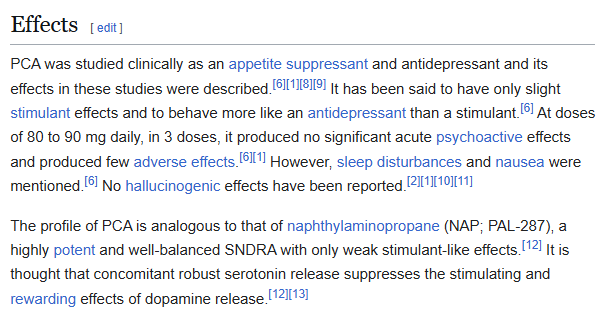
Antagonism of 5-HT7 receptor is probably why lurasidone is the only atypical antipsychotic that has been shown to increase executive function in primates (Effects of lurasidone on executive function in common marmosets. doi:10.1016/j.bbr.2013.02.019).para-Chloroamphetamine is selective serotonergic neurotoxin, capable of crossing blood-brain barrier.
.wikipedia.org/wiki/Para-Chloroamphetamine

Hello! It looks like you're interested in this conversation, but you don't have an account yet.
Getting fed up of having to scroll through the same posts each visit? When you register for an account, you'll always come back to exactly where you were before, and choose to be notified of new replies (either via email, or push notification). You'll also be able to save bookmarks and upvote posts to show your appreciation to other community members.
With your input, this post could be even better 💗
Register Login