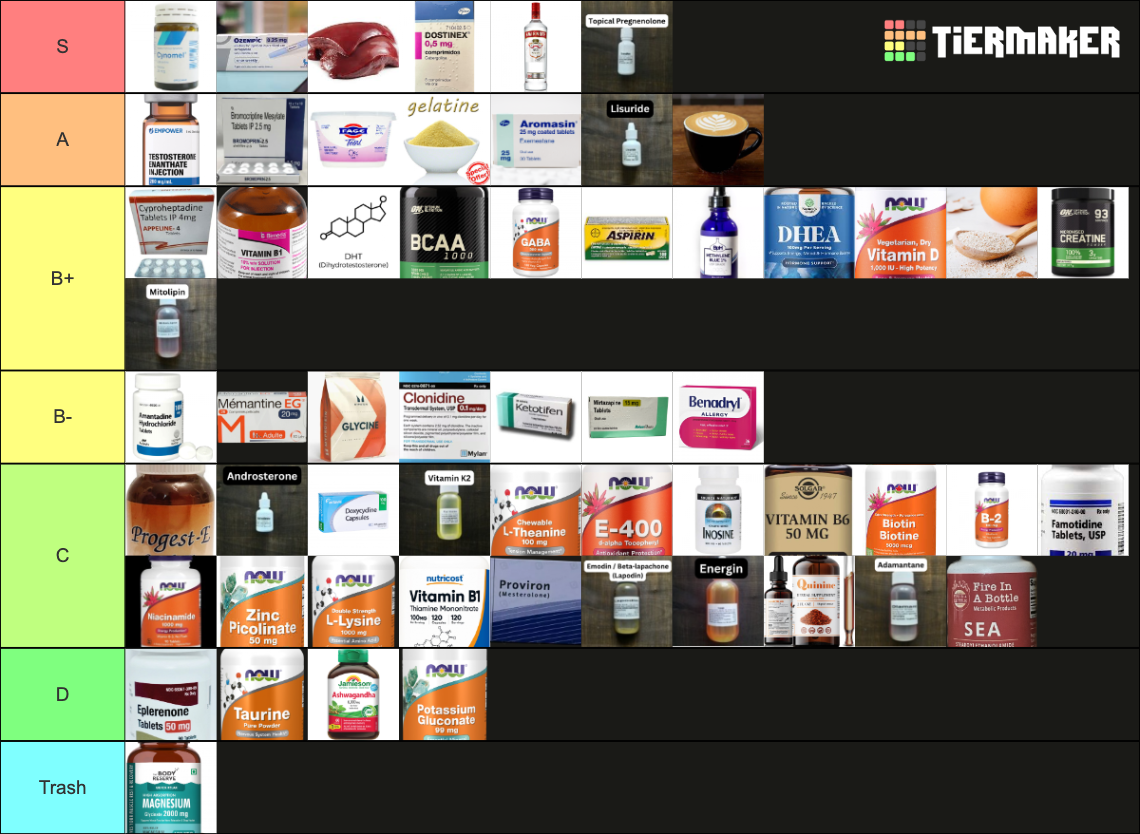
Pro Metabolic Substances Tier List
-
@ZackVegas said:
I didn't mention any "theory,"You did.
@ZackVegas said:
Semaglutide, the drug hasn't even been on the market 10 years yet, meaning there could be other major issues that haven't even been discovered yet.You suggested for me to take in account the theoretical effects of a drug, just because they were new.
You run off pure theory.
-
Lol.
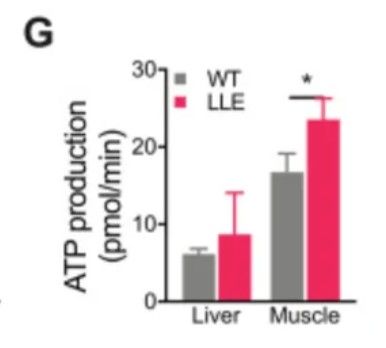
I think your obsessed with as single biochemical mechanism of a substance and ignoring the end result of it.
No, I was simply responding to your false statement. By the way, a single study does not invalidate that. Wasn't that study from mice or rats on a high fat diet? Where was the control when they were on their regular , higher carb diet?
You should also know that studies can show paradoxically different effects in short and long terms forms. Maybe ATP production is increased over a few weeks, but decreased over a period of months or years.
Yeah. I am not gonna include research of 59 different substances for a tierlist of my experiences.
I didn't ask you to include any studies, but it would be wise to at least consider the very widely known effects of these substances.
But because you care so much about 4 shots of vodka a day:
https://www.reddit.com/r/raypeat/comments/1hrc3pf/low_high_alcohol_consumption_in_mice_ameliorates/
https://www.reddit.com/user/learnedhelplessness_/comments/1ijvpw3/the_prothyroid_effects_of_ethanol_lowered_tsh/Again, there can be insane differences in short term studies (like the last one measured in hours) and long terms results (those that happen over months or years). Before discovering Ray Peat's work, I drank alcohol regularly for probably 15 years, probably averaging the daily amount of 4 shots of vodka a day. It was NOT pro thyroid, nor did it induce a "hypermetabolic" state in any long term sense. Maybe for a few hours, but your metabolic rate is depressed for more hours/days on the backend, and any short term benefit quickly dissapears.
You then have to deal with the long term affects of lowered ATP, a more reduced (rather than oxidized) state, and depletion of certain B vitamins, along with other effects, along with the other well known problems of consuming alcohol. And if your alcohol metabolism isn't working well, you may get regular states of high acetaldehyde, a much more toxic substance than alcohol. Many think this is the main cause of wicked hangovers.
You seem very young, so go ahead, enjoy your 4 shots a day responsibly in your 20s, I'm guessing you'll start to see some negative effects after a few years, probably your mid 30s.
-
You suggested for me to take in account the theoretical effects of a drug, just because they were new.
You run off pure theory.
No, I suggested you include the PROVEN EXPERIENCE of millions of others. This is not "theory," this is wisdom. Your experience in this life is very short, I'm guessing about 25 years or so. If you multiply that by the hundreds of thousands of GLP1 users, or billions of drinkers, you now can draw from millions/billions of years of experience, rather than just your own comparatively short life.
Hell, even the makers of Alcohol and Semaglutide will warn you about their potential issues. And they don't make those warnings out of theory, they make them based on real world events.
-
You should also know that studies can show paradoxically different effects in short and long terms forms. Maybe ATP production is increased over a few weeks, but decreased over a period of months or years.
This was perfomed 12 weeks on the low ethanol diet and they lived 9 weeks longer (160w) than the control group (151w) So that argument is wrong.
Maybe for a few hours, but your metabolic rate is depressed for more hours/days on the backend, and any short term benefit quickly dissapears.
Really, how was this depression of metabolism measured? Oh wait, you are sharing your subjective experiences just like me.
No, I suggested you include the PROVEN EXPERIENCE of millions of others. This is not "theory," this is wisdom. Your experience in this life is very short, I'm guessing about 25 years or so. If you multiply that by the hundreds of thousands of GLP1 users, or billions of drinkers, you now can draw from millions/billions of years of experience, rather than just your own comparatively short life.
Hell, even the makers of Alcohol and Semaglutide will warn you about their potential issues. And they don't make those warnings out of theory, they make them based on real world events.
It's a good idea, but sharing my experience of substances is okay too. No need to chimp out.
-
There were zero drawbacks in MY Experience.
So, your experience doesn't include basic research about substances you experiment with?
I’m always sadly surprised when people are having a good ole disagreement on something (which I love) and they’ll throw in something that challenges the integrity/intelligence/intention of the opponent and spoils the emotion and constitution of the argument.
-
There were zero drawbacks in MY Experience.
So, your experience doesn't include basic research about substances you experiment with?
I’m always sadly surprised when people are having a good ole disagreement on something (which I love) and they’ll throw in something that challenges the integrity/intelligence/intention of the opponent and spoils the emotion and constitution of the argument.
How can that "spoil" the argument, when that is the core point in the argument? He explicitly stated he didn't take any issues that others have had with semaglutide or alcohol into account, meaning it is purely his experience.
-
This was perfomed 12 weeks on the low ethanol diet and they lived 9 weeks longer (160w) than the control group (151w) So that argument is wrong.
That refers to the longest living mouse in each group of 60, not the entire group. The LLE group does seem to have a mice live a bit longer generally, but there are many times when the groups line up. At about week 140, both groups were at 50% survival, for example.
The argument remains, since this was a very small number of captive mice. How well this three year study would translate long term to 70-80 year free living humans is still in question.
Maybe for a few hours, but your metabolic rate is depressed for more hours/days on the backend, and any short term benefit quickly dissapears.
Really, how was this depression of metabolism measured? Oh wait, you are sharing your subjective experiences just like me.
True, but I did not make specific claims about specific metrics, like ATP. Although I did measure quite a few metrics over time, like waking temperature, iron markers, and thyroid hormone.
It's a good idea, but sharing my experience of substances is okay too. No need to chimp out.
Chimp out? Again, this sort of talk makes me think you are very young, maybe early 20s or even teens. You can withstand a lot more damaging substances at that age without seeming side effects, but it starts to change a lot more as you get to 30, 35, 40, 45 and so on.
-
The argument remains, since this was a very small number of captive mice. How well this three year study would translate long term to 70-80 year free living humans is still in question.
"Intriguingly, epidemiologic studies showed the fact that moderate alcohol intake is linked to lower risks of cardiovascular disease and metabolic-related disease [4, 9, 12, 13]. This raises the possibility of a beneficial role for moderate alcohol intake in other age-related diseases. Some previously published studies have suggested that moderate consumption of 30 g/d of alcohol (2 drinks per day) is beneficial to insulin sensitivity and triglyceride concentration in nondiabetic postmenopausal women and could decrease the risk of diabetes and improve insulin resistance [14, 15]. In another study, Wang et al. observed an inverse relationship between moderate alcohol consumption and the risk of becoming overweight or obese in a cohort of middle-aged and older women during 12.9 years of follow-up [16]."
That refers to the longest living mouse in each group of 60, not the entire group. The LLE group does seem to have a mice live a bit longer generally, but there are many times when the groups line up. At about week 140, both groups were at 50% survival, for example.
"Many times" You look at a two points of the graph, at week 110 & 140 and disregard the greater survival rates at ALL other times??
-
@ZackVegas you judged intent with one quote that is obviously rendered erroneous when he simply shows research upon inquiry. When something could’ve been discovered with a good faith question instead of an accusation, it makes your cute butt look bad.
For what it’s worth, I believe I’ve encountered more people who have trouble with dairy than putting a thimble full of ethanol in a glass of oj.
Peat also supported alcoholic drinks like grain alcohols in moderation.
“Everything in context” is a pretty Peaty axiom
-
2 days in and Wow, vodka is definitely speeding everything up. And Too much is like when I drink too much coffee… opposite experience than what I used to have on beer!
-
@LetTheRedeemed can you expand on that?
-
a teaspoon of everclear in a glass of juice or coca cola before bed is kinda ace
-
@alfredoolivas it’s similar to the pro energetic feeling of coffee. I put a shot in 2 8oz bottles of sweetened oj.
I feel the energy and awakeness longer throughout the day, and I can tell if I drank too much at once, I’d get the runs like when I drink too much coffee in one sitting...
-
is cordyceps mushroom in this tier list?
-
@wester130 no sorry, is it good have you tried it?
-
@alfredoolivas a lot of good things written about it, it increases ATP
-
@wester130 ive given it to my dog because I heard it is good for lungs and she was recovering from pneumonia, it seemed benign at least. might actually start her on it again cause it seemed ok
-
@sunsunsun hope she’s okay
-
@alfredoolivas she's snoring xD
-
@sunsunsun cute!!!



Hello! It looks like you're interested in this conversation, but you don't have an account yet.
Getting fed up of having to scroll through the same posts each visit? When you register for an account, you'll always come back to exactly where you were before, and choose to be notified of new replies (either via email, or push notification). You'll also be able to save bookmarks and upvote posts to show your appreciation to other community members.
With your input, this post could be even better 💗
Register Login