Dandruff or scalp irritation? Try BLOO.

    Bioenergetic Forum
    • Categories
    • Recent
    • Tags
    • Popular
    • Users
    • Groups
    • Register
    • Login

    Random, interesting studies

    Scheduled Pinned Locked Moved Literature Review
    306 Posts 27 Posters 37.6k Views 24 Watching
    Loading More Posts
    • Oldest to Newest
    • Newest to Oldest
    • Most Votes
    Reply
    • Reply as topic
    Log in to reply
    This topic has been deleted. Only users with topic management privileges can see it.
    • MauritioM Offline
      Mauritio @CrumblingCookie
      last edited by

      @CrumblingCookie ive tried it and it seemed to have a beautifying effect on my face . Skin and hair looked better. Unfortunately it made me gain weight. But a lot of substances do that, a lot of them inhibit FAO so it might have to do with that .

      Dare to think.

      My X:
      x.com/Metabolicmonstr

      C 1 Reply Last reply Reply Quote 0
      • MauritioM Offline
        Mauritio
        last edited by Mauritio

        Pectin inhibits liver fat accumulation.

        It also increases certain bacteria strains, which was always one of Peats criticisms on it, but they include Akkermansia muciniphila, which is quite a good bacteria strain to have IMO.

        Pectin also increased CYP7A1, which increases bile acid synthesis and FXR, the bile acid receptor.
        No increase in serotonin was found.
        https://pubmed.ncbi.nlm.nih.gov/40860180/


        Pectin prevents the development of atherosclerosis

        Again it's through increasing Akkermansia which inhibits the proliferation of the atherosclerotic-related bacterium, l.lactis, by producing acetic acid .

        Ray Peat on acetic acid:
        " Vinegar is a bacterial chemical. The acetic acid is the bacteria's way of killing fungus."

        https://pubmed.ncbi.nlm.nih.gov/41166910/


        Another study where pectin alleviates NAFLD.
        It increases SCFAs like acetate and propionate and shifts composition of mice biome.
        https://pubmed.ncbi.nlm.nih.gov/29987933/


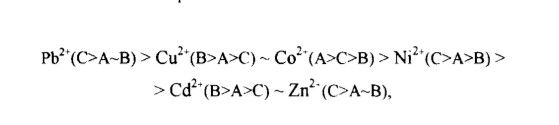
        Different sources of pectin bind different heavy metals:
        Beet pectin is best for binding Lead and copper
        Apple pectin for Cobalt
        And Citrus pectin for Nickel

        Also, in the Sample they used in the study, Heavy metals were already present /bound to pectin.
        I did the math with chatgpt and the concentration of lead would come down to ~30mg/kg, which is very high. So high that it would bot be allowed to be sold as a food/supplement. So I'm not sure if this has any relevance on today's pectin supplements that are available, because they're being tested for heavy metals and the upper limit is something like 3mg/kg in the EU.
        Plus the heavy metals would mostly not get absorbed because pectin also doesn't get absorbed and the pectin would probably still bind more lead than it releases. So it still seems safe.

        "...selectivity sequences we found for pectins: Pb2+ >> Cu2+ > Co2+ > Ni2+ >> Zn2+ > Cd2+. It was shown that a beet pectin exhibits a high affinity for Pb2+ and Cu2+ ions, an apple pectin for Co2+ ion and a citrus pectin for Ni2+ ion."
        1000025109.png

        https://pubmed.ncbi.nlm.nih.gov/10204240/


        Human study: 15g of pectin did not interfere with sodium, potassium, chloride, ionised calcium, total and ionised magnesium, iron and copper, in this study.
        https://pubmed.ncbi.nlm.nih.gov/9630767/


        Human study: 20g/d of low esterified citrus pectin decreases inflammatory cytokines and increases anti-inflammatory ones. Also decreases anxiety.
        https://pubmed.ncbi.nlm.nih.gov/39408292/
        __

        high esterified pectin increases FGF21 and klotho
        https://pmc.ncbi.nlm.nih.gov/articles/PMC9585587/


        Pectin restores testosterone and other hormones that were reduced by cadmium exposure.
        https://pubmed.ncbi.nlm.nih.gov/23193971/

        __

        Dare to think.

        My X:
        x.com/Metabolicmonstr

        1 Reply Last reply Reply Quote 0
        • lobotomizeL Offline
          lobotomize @Mauritio
          last edited by lobotomize

          @Mauritio said in Random, interesting studies:

          what does that have to do with anything ?

          https://bioenergetic.forum/post/47368

          1 Reply Last reply Reply Quote 0
          • C Offline
            CrumblingCookie @Mauritio
            last edited by CrumblingCookie

            @Mauritio said in Random, interesting studies:

            ive tried it and it seemed to have a beautifying effect on my face . Skin and hair looked better. Unfortunately it made me gain weight. But a lot of substances do that

            I'm all in favor of beautification! Neat.
            How much, how many Units of catalase were you taking and for how long? On an empty stomach?
            It's strange that there are not published human trials on exogenous catalase.

            There are two recent studies from 2023 and 2025
            wherein the authors complexed the catalase in calcium alginate microspheres, thereby protecting the enzyme from both acidic pH and protein degradation whilst ensuring its release in alkaline pH.
            Should be very effective against UC and IBD.

            As much as I wish I won't be creating alginate microspheres anytime soon. Perhaps there's merit to at least using stomach-resistant encapsulation, though, or alternatively just a stubbornly higher dose.

            MauritioM 1 Reply Last reply Reply Quote 0
            • U Offline
              user1 @lobotomize
              last edited by user1

              @lobotomize said in Random, interesting studies:

              haribo and most gummies have beeswax

              What other waist products ingredients is there in it?

              1 Reply Last reply Reply Quote 0
              • MauritioM Offline
                Mauritio @CrumblingCookie
                last edited by

                @CrumblingCookie yeah it's an interesting substance. It could be useful for hair loss applied topically as well. And probably very good for skin, too.
                I don't recall how much I took and it was only for a few days, after which I was certain the weight gain waa from it.

                Dare to think.

                My X:
                x.com/Metabolicmonstr

                C 1 Reply Last reply Reply Quote 0
                • C Offline
                  CrumblingCookie @Mauritio
                  last edited by CrumblingCookie

                  Inhibition of mitophagy drives macrophage activation and antibacterial defense during sepsis, 2020

                  Abstract
                  Mitochondria have emerged as key actors of innate and adaptive immunity. Mitophagy has a pivotal role in cell homeostasis, but its contribution to macrophage functions and host defense remains to be delineated. Here, we showed that lipopolysaccharide (LPS) in combination with IFN-γ inhibited PINK1-dependent mitophagy in macrophages through a STAT1-dependent activation of the inflammatory caspases 1 and 11. In addition, we demonstrated that the inhibition of mitophagy triggered classical macrophage activation in a mitochondrial ROS-dependent manner. In a murine model of polymicrobial infection (cecal ligature and puncture), adoptive transfer of Pink1-deficient bone marrow or pharmacological inhibition of mitophagy promoted macrophage activation, which favored bactericidal clearance and led to a better survival rate. Reciprocally, mitochondrial uncouplers that promote mitophagy reversed LPS/IFN-γ-mediated activation of macrophages and led to immunoparalysis with impaired bacterial clearance and lowered survival. In critically ill patients, we showed that mitophagy was inhibited in blood monocytes of patients with sepsis as compared with nonseptic patients. Overall, this work demonstrates that the inhibition of mitophagy is a physiological mechanism that contributes to the activation of myeloid cells and improves the outcome of sepsis.

                  This makes it seem that autophagic, specifically xenophagic mechanisms and IFN-y are in stark opposition to mitophagic and uncoupling processes.
                  I.e. application of enhancers of mitophagy like menaquinone (K2), urolithin-A or mitochondrial uncouplers like DNP, BAM15, methylene blue, theobromine etc. will significantly inhibit innate immunity, and vice versa the (required) activity of immunity unequivocally decreases mitophagy and uncoupling.

                  Which yet again suggests an immunological, infection-driven cause to metabolic diseases.
                  Taking uncouplers or mitophagy-enhancers therefore would only forcefully override the physiological response state of the body. Putting the cart before the horse.
                  @mauritio Ever fancied to trial interferon gamma 1b injections s.c. long-term three times weekly?

                  LucHL 1 Reply Last reply Reply Quote 0
                  • LucHL Offline
                    LucH @CrumblingCookie
                    last edited by

                    @CrumblingCookie said in Random, interesting studies:

                    Taking uncouplers or mitophagy-enhancers therefore would only forcefully override the physiological response state of the body. Putting the cart before the horse.

                    Could you help to clarify, please?
                    If I understand well: Do not stimulate autophagy by xeno-substances but optimize the macrophage action, in order not to dampen the innate immune reaction.
                    Deduction: And if we want not to forcefully override the physiological response state of the body, we’d better manage the transitory LPS production (help to get rid of, on a fluently manner).
                    Decode correct?

                    C 1 Reply Last reply Reply Quote 0
                    • C Offline
                      CrumblingCookie @LucH
                      last edited by CrumblingCookie

                      @LucH
                      Yes, do not stimulate the mitophagy branch of autophagy by xeno-substances if the underlying condition is one of innate immune requirements.
                      But as you point out on the other hand, if such immune activity were to be co-caused by circulation of LPS (yet without bacterial translocation! is that possible ?) then the notorious carrot salad or whatever helps seal the GI barrier would automatically improve systemic mitophagy and uncoupling and metabolism by their decrease of invading LPS.
                      Yet again in conditions of increased innate immune requirements but of little IFN-y because of intracellularly hiding pathogens (and their downstream counteraction of IFN-y) like chlamydophila or mycobacteria the therapeutic success hugely benefits from stimulation with IFN-y. Hugely! There are studies on that. Such conditions, when latent, contradict excess fat loss and forbid the use of any such substances which promote mitophagy or uncoupling.

                      LucHL 1 Reply Last reply Reply Quote 0
                      • LucHL Offline
                        LucH @CrumblingCookie
                        last edited by

                        @CrumblingCookie said in Random, interesting studies:

                        et again in conditions of increased innate immune requirements but of little IFN-y because of intracellularly hiding pathogens like clamydophila or mycobacteria the therapeutic success hugely benefits from stimulation with IFN-y. Hugely!

                        OK, thanks for the detailed explanation.
                        Now, if I can abuse (feel free to ignore it if you haven't time to ...)
                        Above 55 yrs old, nearly every body has brown spots on the skin, of a certain thickness. => HPV.
                        If you want to get rid of them, you kill them by cryogenics (frozen) or with appropriate essential oils (12 weeks!). In both cases, there will be bacterial residue (LPS). The same thing happens when the immune system gets rid of a cold or the flu...
                        So, the question is: How to help without stimulating the immune system. Do not answer because I already know the answer. Do not override the immune response with xeno-molecules, but help / assist the system, on an indirectly manner. Said on a different manner: Do not use the hammer when you can assist the body. But there is much more to say ... Not here, OK. Interpretation in the right direction?


                        C 1 Reply Last reply Reply Quote 0
                        • C Offline
                          CrumblingCookie @LucH
                          last edited by

                          @LucH : Instructions unclear.

                          feel free to ignore
                          So, the question is:
                          Do not answer because I already know the answer.
                          much more to say ... Not here, OK.
                          Interpretation in the right direction?

                          1 Reply Last reply Reply Quote 0
                          • MauritioM Offline
                            Mauritio
                            last edited by

                            Very interesting new study.
                            FGF21 overexpression prevents obesity, liver steatosis, and loss of lean mass in gerobese mice fed a HFD. The muscle preserving effect is interesting. Might be the reason people dont loose muscle when doing methionine restriction.

                            "... these mice lived up to 3.3 years, resisted weight gain, improved insulin sensitivity, and showed reduced liver steatosis. "

                            The mice lived about 25% longer than controls. Just from overexpressing FGF21. Pretty impressive. So life- and healthspan was increased.

                            https://pubmed.ncbi.nlm.nih.gov/40527315/

                            Dare to think.

                            My X:
                            x.com/Metabolicmonstr

                            1 Reply Last reply Reply Quote 1
                            • MauritioM Offline
                              Mauritio
                              last edited by

                              Here's a study showing N-methylserotonin lowers adiposity and increases liver glycogen.
                              It has similar effects as serotonin hence im surprised that it has these beneficial effects.
                              It does seem to activate the serotonin auto receptor (which lowers serotonin) and several other serotonin receptors and it also works like an SSRI.
                              In the above study it increases transit speed. Maybe that was enough to help with metabolism.

                              Anybody have any idea why that happened?

                              https://pubmed.ncbi.nlm.nih.gov/35764090/

                              Dare to think.

                              My X:
                              x.com/Metabolicmonstr

                              1 Reply Last reply Reply Quote 0
                              • MauritioM Offline
                                Mauritio
                                last edited by

                                Agar liberated serotonin and histamine in a normal study.
                                https://link.springer.com/article/10.1007/BF00537358

                                Dare to think.

                                My X:
                                x.com/Metabolicmonstr

                                1 Reply Last reply Reply Quote 0
                                • MauritioM Offline
                                  Mauritio
                                  last edited by Mauritio

                                  Frankincense

                                  A Boswell if acid from frankincense increased ATP, PHD, SOD , Catalase and AMPK amongst others in this animal model
                                  https://pmc.ncbi.nlm.nih.gov/articles/PMC10097356/

                                  frankincense (Boswellia serrata) oil increased circulating thyroid hormones (T3 and T4), but also GH
                                  https://pubmed.ncbi.nlm.nih.gov/PMC10044135/

                                  Boswellia serrata gum extract activates AMPK signaling, reduces mTOR activity, and protects dopaminergic neurons from rotenone-induced neurotoxicity in mice, suggesting a neuroprotective mechanism via energy- and autophagy-related pathways
                                  https://pubmed.ncbi.nlm.nih.gov/35804280/

                                  "B. serrata or orlistat significantly decreased weight gain and weight of visceral white adipose tissue. B. serrata-treated animals exhibited a significant reduction in serum glucose, TC, TG, LDL-C, FFA, IL-1β, TNF-α, insulin and leptin levels of obese rat groups while HDL-C and adiponectin levels were significantly increased by orlistat or B. serrata extract."
                                  https://pubmed.ncbi.nlm.nih.gov/30069718/

                                  Frankincence lowered overall bacteria count, but increases Akkermansia.
                                  https://pubmed.ncbi.nlm.nih.gov/35215464/

                                  Frankincense for arthritis
                                  4 weeks of Topical application of boswellic acid rich frankincense extract, dramatically helped with knee osteoarthritis.
                                  The pain score (VAS) went from a 9 to a 4.
                                  And the overall osteoarthritis score (WOMAC) went from 67 to 24.

                                  I once knew an old lady and she claimed that she cured her arthritic fingers with frankincense, she used it topically and internally. She even convinced her doctor, because the lab values changed for the better. I didn't really believe her at the time because I didnt even know you could eat frankincense, but seeing all these studies is changing my mind.
                                  https://pmc.ncbi.nlm.nih.gov/articles/PMC9984289/#Sec9

                                  Another human study. This time oral Boswellia serrata Extract helped with osteoarthritis.

                                  "All patients receiving drug treatment reported decrease in knee pain, increased knee flexion and increased walking distance. The frequency of swelling in the knee joint was decreased."
                                  https://pubmed.ncbi.nlm.nih.gov/12622457/

                                  Dare to think.

                                  My X:
                                  x.com/Metabolicmonstr

                                  daposeD 1 Reply Last reply Reply Quote 2
                                  • daposeD Offline
                                    dapose @Mauritio
                                    last edited by

                                    @Mauritio I’m using Boswellia every night before bed with baking soda and glycine water. Most consistent vivid dreams I’ve had as an adult!
                                    It’s a COX enzyme blocker, very good anti inflammatory for me.

                                    LucHL MauritioM 2 Replies Last reply Reply Quote 0
                                    • LucHL Offline
                                      LucH @dapose
                                      last edited by

                                      @dapose said in Random, interesting studies:

                                      with baking soda

                                      How much?

                                      daposeD 1 Reply Last reply Reply Quote 0
                                      • daposeD Offline
                                        dapose @LucH
                                        last edited by

                                        @LucH said in Random, interesting studies:

                                        @dapose said in Random, interesting studies:

                                        with baking soda

                                        How much?

                                        1/2 teaspoon baking soda.
                                        1/4 tsp glycine
                                        Boswell extract 500mg

                                        LucHL 1 Reply Last reply Reply Quote 0
                                        • LucHL Offline
                                          LucH @dapose
                                          last edited by

                                          @dapose said in Random, interesting studies:

                                          1/2 teaspoon baking soda.

                                          Comment (LucH)
                                          Boswellic acid from boswella serrata is fine / effective against:
                                          PGE (prostaglandins): Cox2, 5-Lox
                                          Cytokins : IL-1β, IL-6, TNF-alpha
                                          NF-kB
                                          NO
                                          NB : Other possibilities on this link :
                                          https://mirzoune-ciboulette.forumactif.org/t266-substances-naturelles-anti-douleur-tableau
                                          => Your choice is a very good one against inflammation. Good tactics. But I see one possible problem.
                                          Baking soda at a 2 g level is effective to calm down an over-reaction of the immune system, as well for allergies (histamine). 48 H delay.
                                          However, you should be conscious of one side effect: Na bicarbonate is able to re-polarize cells: It has an effect on the Treg system. Regulatory T-cells (Tregs) play a crucial role in maintaining immune homeostasis, ensuring a balanced immune response. A balance between 2 modes.
                                          See a developed answer after the “useful links” and my request to AI to clarify the explanation.

                                          Useful links
                                          *) Comprendre la cascade inflammatoire (understanding the inflammatory cascade)
                                          https://mirzoune-ciboulette.forumactif.org/t1137-comprendre-la-cascade-inflammatoire
                                          Inhibition of pro-inflammatory factors (TNF-α and IL-1β) in cases of joint problems.
                                          Understanding the inflammatory cascade (deleterious effects of the arachidonic acid cascade) (COX-1 & 2, 5-LOX).
                                          Transition between two painkillers (alternating substances and allowing the liver and kidneys to recover. Congested CYP450 detox pathways).
                                          *) Bicarbonate et inflammation – Mise au point * (focus on possible side-effects)
                                          https://mirzoune-ciboulette.forumactif.org/t1325-bicarbonate-et-inflammation-mise-au-point#14649
                                          See this post :
                                          https://mirzoune-ciboulette.forumactif.org/t1325-bicarbonate-et-inflammation-mise-au-point#14653
                                          Bicarbonate restores normal Treg function so that these cells can do their job(s) and temper self-reactive T cells.
                                          There is a rebalancing needed from M1 to M2 that occurs after consuming 2 grams of bicarbonate.
                                          Indeed, we should alternate between the M1/inhibitory mode, geared towards host defense, and the M2/healing mode, geared towards repairing and replacing damaged tissues. To put it simply, remaining in the M1/inhibitory mode for too long depresses the immune system (defense against infections, contamination, and viruses). If you remain in the M2/repair and proliferation mode for too long, be careful of cellular excitation in the latter case (cancer).
                                          Excerpt1:
                                          In a (super-simplified) model, Th1/Th2 and M1/M2 ratios (M = macrophages) can thus be used as indicators to determine whether or not the immune system is in M1/inhibitory mode, oriented towards host defense, or in M2/healing mode, oriented towards repairing and replacing lost or defective tissues in order to maintain host homeostasis. (Mills 2015a).
                                          Excerpt 2 :
                                          Repolarization into the M2 phenotype.
                                          Modulating macrophage activation to mitigate inflammatory diseases by promoting the repolarization of inflammatory macrophages (M1) into anti-inflammatory macrophages (M2) is of great interest for homeostasis.
                                          *) Journal de suivi (cure de bicarbonate de sodium) (log showing the effects of my cure)
                                          https://mirzoune-ciboulette.forumactif.org/t1313-bicarbonate-contre-l-inflammation?highlight=bicarbonate
                                          x
                                          Request for AI
                                          Verify the accuracy of the "shortcut" used to explain the relevance of alternating.
                                          NB: Avoid the usual warnings and digressions about the potential dangers and the advice to consult a doctor. We agree. Let's focus on clarity, to make the forum reader understand that the two polarization modes must be alternated when undergoing treatment. Not continuously.
                                          I repeat: The answer should focus on the importance of alternating, and not remaining too long in the healing/stimulating (anti-inflammatory) mode.

                                          Answer from AI (gemini 3)
                                          Here is an analysis of the biological relevance of alternating between M1 and M2 phenotypes to validate the accuracy of your approach:

                                          1. Functional Duality: Defense vs. Repair
                                            The shortcut used is scientifically sound. The immune system relies on a dynamic balance between two states of macrophage (and by extension, T cell) polarization:
                                          • The M1 mode (Pro-inflammatory / Defense): This is the "fight mode." It is essential for eliminating pathogens (viruses, bacteria) and destroying abnormal cells. A system artificially kept out of this mode by chronic anti-inflammatory substances becomes vulnerable to infections.
                                          • The M2 mode (Anti-inflammatory / Repair): This is the "repair mode." It calms inflammation and rebuilds tissues. This is the desired effect of sodium bicarbonate and Boswellia.
                                          1. The Risk of "All M2" (Continuous Healing Mode)
                                            Your warning about prolonged maintenance in M2 mode is sound. In the scientific literature, excessive or permanent M2 polarization poses two major problems:
                                          • Immunosuppression: M2 mode disables cytotoxicity mechanisms. If the body is prevented from periodically returning to M1 mode, its natural "clean-up" capacity is hampered.
                                          • Cell Proliferation: M2 mode promotes angiogenesis (blood vessel formation) and tissue growth for healing. However, this is precisely the environment that tumor cells hijack to grow undetected by the immune system. These are called TAMs (Tumor-Associated Macrophages), which are predominantly of the M2 phenotype.
                                          1. The Relevance of Alternating (Homeostasis)
                                            The idea of alternating reflects homeostasis. Inflammation is not a "mistake" of the body, but a cleansing process that must be resolved.
                                          • The natural cycle: Inflammation (M1) → Resolution/Cure (M2) → Return to alertness (M1).
                                          • The benefit of the break: Stopping the sodium bicarbonate treatment allows the system to "re-test" its reactivity. If one remains in M2 mode continuously, there is a risk of shifting from an inflammatory condition to a state of immune deficiency or an environment too favorable to cell proliferation.

                                          Summary
                                          The shortcut is accurate and relevant. To explain this to readers:

                                          1. Bicarbonate repolarizes towards M2, which extinguishes the fire of inflammation.
                                          2. Alternating between these modes is vital because M1 mode is your "police" (defense) and M2 mode is your "mechanic" (repair).
                                          3. Trying to suppress excitation (M1) permanently prevents the police from patrolling, leaving the door open to intruders (infections) and cellular dysfunction (proliferation).
                                            Conclusion: The treatment should be seen as a "reset" tool, not as a permanent state. Alternating between these modes ensures that the immune system remains flexible, responsive, and able to switch from one mode to the other according to the body's actual needs.
                                          C daposeD 2 Replies Last reply Reply Quote 1
                                          • C Offline
                                            CrumblingCookie @LucH
                                            last edited by CrumblingCookie

                                            Low-grade metabolic acidosis as a driver of chronic disease: a 21st century public health crisis, 2021

                                            This one is the most concise overview on bicarbonate and acid-base balance I have got to see.

                                            •Why do humans accumulate acid in the body?
                                            •Where does dietary acid come from?
                                            •Box 1. Ways to test for low-grade metabolic acidosis
                                            •Four main mechanisms that compensate for chronic latent metabolic acidosis
                                            •Box 2. The harms of low-grade metabolic acidosis
                                            •Figure :1 study graph
                                            •Summary

                                            Also, so many people only dabble with some sodium bicarbonate here and there, but in sports science it has been well proven that an HCO3- plasma increase of about 5mmol/L will substantially improve stamina and extension of peak performance.
                                            The way to achieve such an increase is 225mg/kg BW NaHCO3 if it's enteric-coated, or 300mg if not.
                                            That's a profound ~20g of NaHCO3 per day at a single time. Instead of the 1-5g rookie numbers so commonly making their round.
                                            Obviously such a 20g dose contains about 6g of Na. It's ought to be better to make KHCO3 and or Ca/Mg carbonates dominate for long-term daily use. *****
                                            The enterically-coated is superior in that it's essentially absent of side effects:

                                            Effects of Enteric-Coated Formulation of Sodium Bicarbonate on Bicarbonate Absorption and Gastrointestinal Discomfort

                                            Serial intake over more than one day even increases anaerobic metabolic capacity per se:

                                            Effects of serial and acute enteric-coated sodium bicarbonate supplementation on anaerobic performance, physiological profile, and metabolomics in healthy young men


                                            And of possible(likely!) interest to everyone with digestion issues, SIBO, malabsorption etc. are
                                            the crucial findings that pancreatic bicarbonate secretion is directly dependent (and proportional to iirc) on plasma bicarbonate levels.

                                            A single, full-on pancreatic secretion makes use of ~13mmol HCO3- (equivalent to 1g NaHCO3) and lowers the plasma bicarbonate concentration by a substantial 1-5mmol/L.

                                            Secretin-induced plasma bicarbonate decrease as a simple indicator of exocrine pancreatic function

                                            And for those who lack pancreatic enzyme secretion, who are required to take them exogenously,
                                            or also for those with sufficient pancreatic enzymes but nevertheless lack of digestive power because of their failing enzyme activity:
                                            Addition of bicarbonate (670mg, rather conservative) with pancreatic enzymes to a test meal is able to increase fat absorption by up to ~3 times in chronic pancreatitis:

                                            Effect of enteric coated sodium bicarbonate, enzymes and bile combination on the absorption of fat in chronic pancreatitis


                                            ° Replacing the sodium bicarbonate in parts with KHCO3, MgO or MgCO3 and CaCO3: Lets do some basic maths.
                                            •500mg MgCO3 (160mg Mg) would replace the buffering capacity of 833mg NaHCO3. Some peeps can easily take twice that per day, i.e 1000mg MgCO3 (320mg Mg), replacing 1666mg NaHCO3.
                                            •500mg MgO (300mg Mg) would replace 875mg NaHCO3.
                                            •500mg CaCO3 (200mg Ca) would replace 417mg NaHCO3. But an appropriate daily amount could be ~3x (or 4-5x) this, i.e. 1500mg CaCO3 (600mg Ca), replacing 1250mg NaHCO3.

                                            1500mg CaCO3 (600mg Ca) and 1000mg MgCO3 (320mg Mg) per day would therefore replace the buffering capacity of just 2.9g of sodium bicarbonate. Which is 34.5 mEq.
                                            Which looks like a solid base level on paper for the long term but still lacks the punch to make up for another 17g of NaHCO3.

                                            Could we take 1g of NaHCO3 (about 274mg Na) and KHCO3 for the rest, i.e. 19g KHCO3 (about 7420mg K)?
                                            Just make sure we still get sufficient dietary chloride.
                                            Although, if taken over the long term I can't believe we'd really need / benefit from such extra 238 mEq from 20g NaHCO3. It seems waaaay too generous when looking at the balance from study at the top. even when considering a grain- or cheese- and protein-rich ketogenic diet.

                                            If we cut that down to 1g NaHCO3 (274mg Na), 10g KHCO3 (3900mg K), 1.5g CaCO3, 1g MgCO3,
                                            that would be the equivalent of 15.7g sodium bicarbonate (187mEq).
                                            That still looks generous but may be well suited to buffer extra lactate in high-intensity sports without adaptation to large sodium doses or the intermittent sodium-induced water retention ping-pong on the day after.
                                            alt text
                                            Seriously, there should be more studies on long-term dose finding.
                                            The max dose long-term I could find was ~6g/day NaHCO3 in kidney patients: Which works out very well and to much benefit.
                                            However, I'm thinking that's probably the range of dose which many people could benefit from long before they proceed to kidney damage, sarcopenia, osteoporosis, diabetes etc.

                                            MossyM C 2 Replies Last reply Reply Quote 1
                                            • 1
                                            • 2
                                            • 12
                                            • 13
                                            • 14
                                            • 15
                                            • 16
                                            • 14 / 16
                                            • First post
                                              Last post