moggy chicken log
-
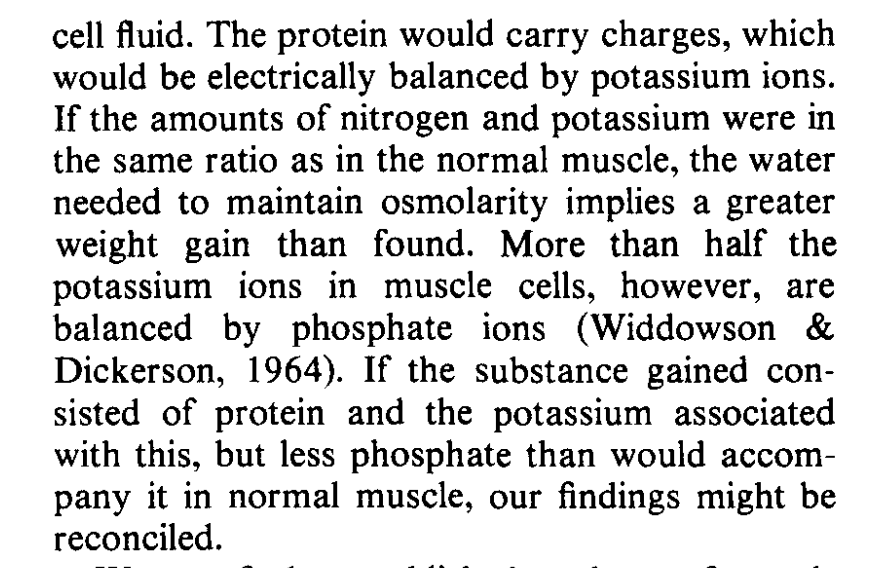
@sunsunsun possible that dianabol, 17a estradiol or 17a methyl 1 testosterone or any of it's metabolites are diuretics... authors say it could be pottasium counteracting the phosphorus
-
Week 2: Down from 81kg to 79.5kg
Did my first hill climb. I don't even know how long it took but it was a hard climb. at least 15 minutes. felt like 30.
Gonna see how I recover. Durian Rider says hill climbs are the best exercise to lose fat, and I believe it kinda, because as soon as I got home after biking 40km including the hill climb, I felt really hot when I are dried mangoes. -
@alfredoolivas be careful, because once again hard exercise depletes glycogen -> low blood sugar -> high cortisol, or you do anaerobic oxidation which lactic acidmaxxes your cells
-
@engineer Yeah I consumed 300g of sugar during my ride, and took aspirin and vitamin E.
-
@alfredoolivas yeah, but now you're supplying all the energy you need to complete the hill climb. Once you get back home what is your metabolism doing now? Your glycogen is still full or marginally depleted and now you're doing the same thing as before when you weren't biking up that hill. So the net energy gain/loss is a wash. Plus you're not burning much more energy passively because cardio doesn't build muscle very well.
-
@engineer Practice always beats theory, let's see how this goes. 1.5kg lost in two weeks is pretty good...
-
@alfredoolivas weight on its own means absolute bumpkus, what you want instead is a body fat % or waist measurement
https://x.com/BerbarianWizard/status/2038909593217040435
"BTW, the most reliable and accessible way to track fat loss is your waist measurement.
Body weight fluctuates constantly due to changes in water retention, glycogen levels, digestion, minerals balance, and stress, which can easily mask real fat loss.
You can be losing fat while the scale stays the same or even increases, especially during recomposition, where you lose fat and gain muscle at the same time (muscle is denser than fat).
Your waist measurement reflects actual fat loss much more directly."
-
@alfredoolivas I've read and re-read this study and fed it to Claude and I've come to the conclusion that it is strongly suggesting a potential dietary phosphate deficiency in phases of rapid muscle growth with anabolics, therefore the Ca:P ratio during bodybuilding where lots of lean mass is put on quickly, doesn't have to be 1:1, ∴ 'high' phosphate diet is actually ok and still peaty in this context because the phosphate is needed to incorporate into weight gain otherwise we get 'abnormal' phosphate deficient muscle and intracellular fluid.
The study is implying (we don't know for sure because phosphate wasn't measured, only a deficiency of it inferred via measurement of total body nitrogen and potassium, and even then not differentiated between these things in tissue vs. intercellular fluid) that the weight gained (either or both lean tissue and intercellular fluid) is phosphate deficient, which one is it lean tissue or fluid, I don't think they know, but in any case the weight gained is lacking in phosphate.
I think overall this means that there is some type of gains (strength or looks or both) left on the table for the typical steroid user with a relative phosphate deficient diet.
-
@sunsunsun Sushi you are right you genius.
"the phosphorus content of lean tissue is assumed to be 0.23 percent based on known composition of muscle (Pennington, 1994)"
They gained 3.13kg of lean tissue.
3130*0.0023 = 7.1999g of phosphurus"The overall estimated mean value for both sexes combined is 54 mg (1.74 mmol) phosphorus accreted per day."
7200/54 = 133.33 days to sequester that phosphurusThis study was for 6 weeks, 42 days.
42*54 = 2268mg of phosphurus
That leaves us a "phosphurus debt" of 4931mg
@sunsunsun said in moggy chicken log:
I think overall this means that there is some type of gains (strength or looks or both) left on the table for the typical steroid user with a relative phosphate deficient diet.
@jamezb46 I think sushi is cooking with this one, the question of how important is phosphurus when it comes to building muscle mass. Is it required and does this debt hinder results? I don't think you can come to conclusions based off this study
-
though, this whole hypothesis assumes that phosphurus uptake remains the same during AAS...
-
All I could hypothesis from looking at the effects of androgens, their estrogen metabolites and their supression of glucorticoid receptor expression and translocation, was that the Pit1 ( type III sodium-dependent phosphate cotransporter-1) is upregulated by glucocorticoid-induced kinase 3 (SGK3), which glucocorticoids upregule, so blocking cortisol from dianabol could decrease SGK3, decreasing Pit1, making sushi's argument even stronger
-
-
@sunsunsun have you seen this study bro?
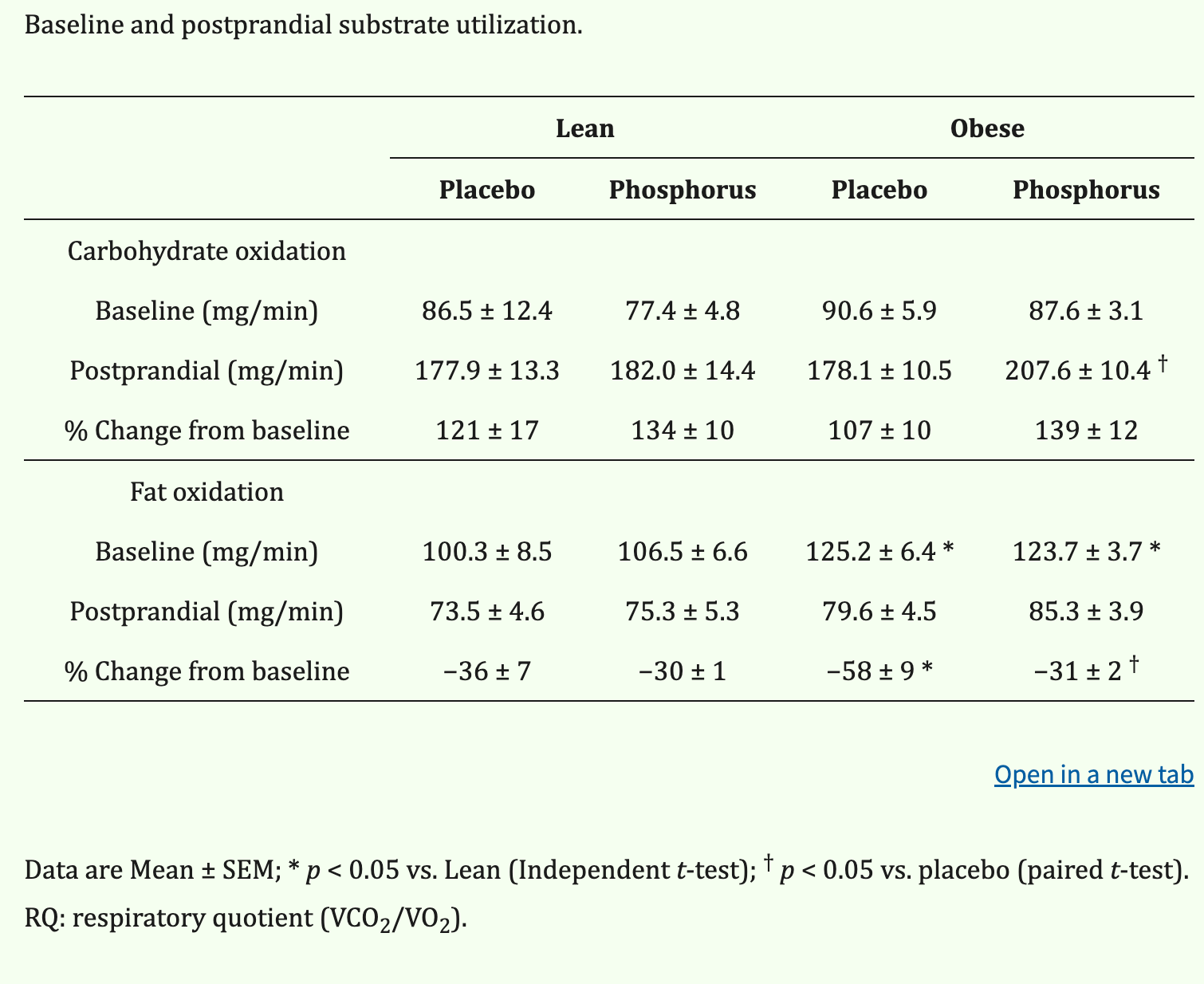
https://pmc.ncbi.nlm.nih.gov/articles/PMC5188456/#sec3-nutrients-08-00801
-
@alfredoolivas interdasting....
other than switching to whole grains and seafoods (scallops have the most phosphorus of any not-organ meat I've found, and for the apparently most polluted Chinese scallops, up to 1.7kg [not nearly enough to make these scallops a significant protein source, 1.7kg is like 275g of protein] per week is 'safe', so it is probably higher for scallops from better water sources) the only reasonable way to get more phosphorus seems to be raw pumpkin seeds, which are quite significantly high in pufa. im not sure high uncooked natural food pufa intake is bad though, especially in context of high muscle mass.
for some reason I was under the impression low fat white fish was significantly high in phosphorus compared to chicken breast but it's not significantly different for haddock vs chicken breast according to usda. it really seems like the only way to make up this theorized deficit is pufa foods like seeds and nuts.
-
@sunsunsun doesn't plain old milk have a lot of phosphorus
-
@engineer yeah you're right it does have a decent amount compared to protein. 100g of raw chicken breast has 22.5g protein and 215 mg of P. The same amount of protein from skim milk (2.66 cups) would give 700mg of P. interdasting.... milk seems to be fully optimal for mass gaining.
-
@sunsunsun said in moggy chicken log:
interdasting.... milk seems to be fully optimal for mass gaining.
To be fair, it literally is meant for mass gaining (for baby cows/goats/rats/humans/etc)
Just don't have too much fat from milk or it will add body fat (like rp said a few times)
-
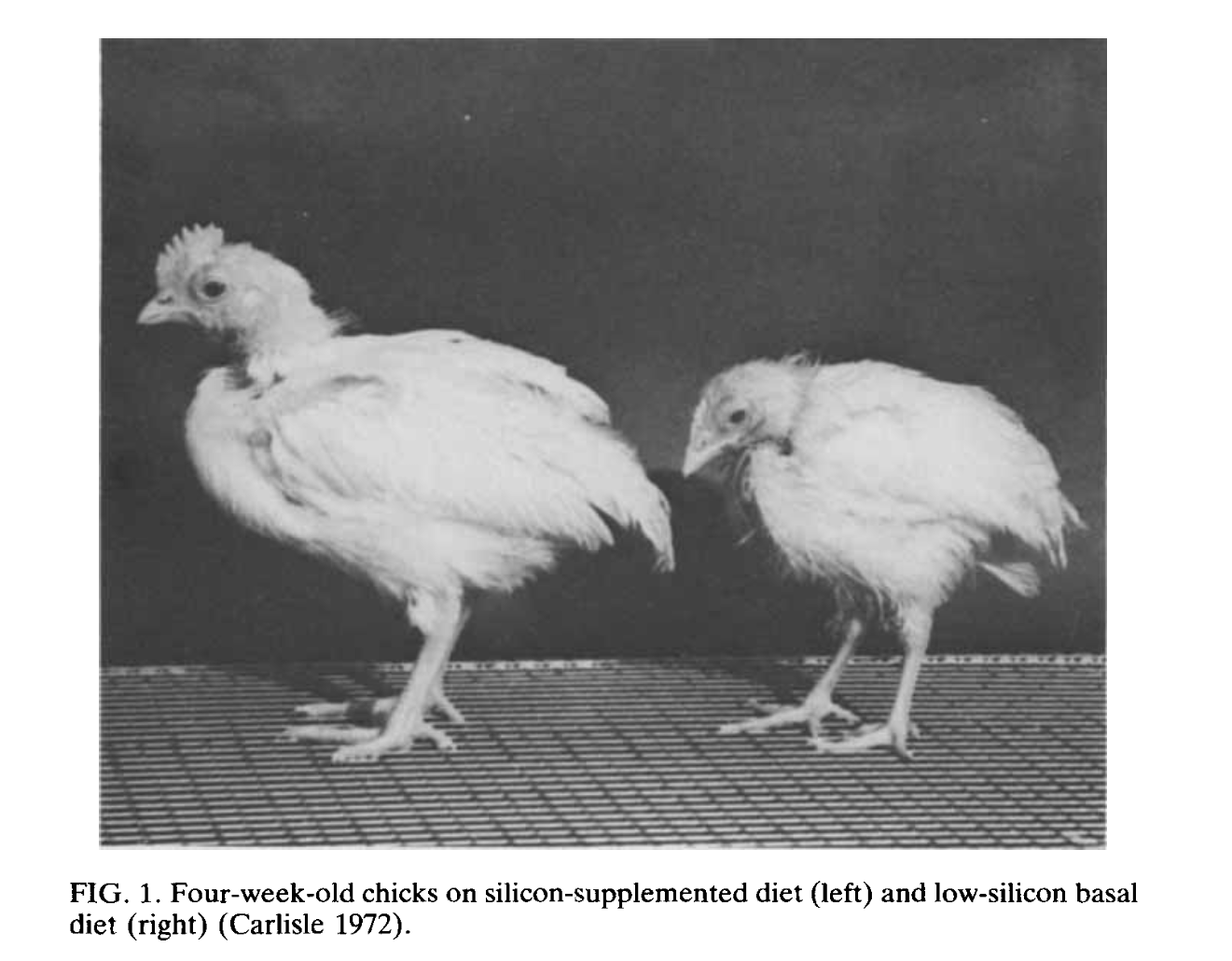
@alfredoolivas Still haven't seen info on how much anhydrous orthosilic acid ("Silicol"), choline-complexed OSA or monomethylsilantriol you are supplementing in your basal diet everyday and remain interested in how these substantial effects in chicks can be mirrored and compensated for by other means. What's the place of orthosilic acid in all this, which is comparatively very cheap vs the other ingredients of your Faustian kitchen?
-
@CrumblingCookie did I say that? I don't supplement with silica, but I am not opposed to it. I was once consuming 100mg of SIlica a day, via beer, oat bran, volvic water and vegatables. To recover from the height stretches I was doing.
Now, I see my self as more fragile, so I have taken a break, until the anabolics arrive. When they arrive I was thinking of buying some beer and volvic water or something; the orthosilica sold in supplements is really low dosed, having a single heineken would MOG any silicon supplement.
-
This is twink death. 8 year difference.





Hello! It looks like you're interested in this conversation, but you don't have an account yet.
Getting fed up of having to scroll through the same posts each visit? When you register for an account, you'll always come back to exactly where you were before, and choose to be notified of new replies (either via email, or push notification). You'll also be able to save bookmarks and upvote posts to show your appreciation to other community members.
With your input, this post could be even better 💗
Register Login