Prolactin is an innocent bystander and may even be beneficial
-
Prolactin is known as the lactation hormone, along with oxytocin. It upregulate genes in breast tissue such as beta casein, and this causes production of the milk for oxytocin to eject.
When prolactin binds to it's receptor it upregulates genes via increasing STAT5. These are genes involved in aerobic & anaerobic respiraiton, along with fatty acid metabolism & synthase.
The latter in this in vitro data is one of the reasons probably why people think that prolactin is a hormone that reduces the metabolic rate and causes fat storage, along with the correlations with other diseases; prolactin is elevated in pregnancy and obesity. Yes, prolactin is correlated with these conditions, however, as mentioned before, dopamine is reduced when prolactin is elevated. If you want to go off of correlations, the argument that low dopamine causes these conditons is equally valid.
Another misconception about prolactin is that drugs that lower prolactin treat various diseases. For example, bromocriptine treats diabetes type II and depression. However, all of these drugs are dopaminergic; when these drugs are used in vitro, on cells with NO prolactin such as pancreati cells, they exert the exact same benefits.
Proof that prolactin is an "innocent standbyer"; Prolactin and DA agonists exert the same effects
DA agonists are the go to treatment for adinomas; however, prolactin which DA agonists supress, do the same thing
"One is that the induction of acute hyperprolactinemia by PRL injection leads to a decrease in pituitary proliferation and an increase in the apoptotic rate, particularly in lactotroph cells. The same is observed when hyperprolactinemia is induced by acute treatment with a D2R antagonist. This evidence illustrates a possible dopamine-independent effect of PRL on lactotrophs "
"Also, it has been shown that exogenous PRL decreases in vitro lactotrope proliferation in D2R-knockout mice (D2R−/−) (27), suggesting that PRL may regulate the size of the population of anterior pituitary cells, particularly lactotropes.
https://journals.physiology.org/doi/full/10.1152/ajpendo.00333.2011""PRLR downregulates MEK/Erk1/2 and PI3K/Akt pathways, leading to apoptosis and decreased proliferation...In their recent review, Biagetti et al. identified potential therapeutic options related to relevant signaling pathways for the treatment of dopamine-resistant prolactinomas, highlighting the JAK/STAT3, PI3K-Akt-mTOR, MAPK/AMPK, and JAK2/STAT5 pathways. All of them are related to paracrine/autocrine PRL effects in the pituitary"
"The anti-proliferative effect of PRL in the pituitary are mainly related to the constitutive activation of JAK2/STAT5 in lactotrophs"
" However, the seminal work by Schuff et al. showed that in vivo, constitutive double D2RKO/PRLRKO mice also exhibit prolactinomas, even significantly higher than single knockouts...PRL can be implicated in regulating lactotroph cell turnover in vivo "
https://pubmed.ncbi.nlm.nih.gov/36714572/
In terms of blood sugar control, DA agonists and prolactin have the same effects.
"concomitant treatment with PRL (4 mg/kg body weight) for 21 days significantly reduced the elevation in blood glucose levels from day 10 onwards (P<0.05).... bromocriptine administration (10 mg/kg body weight) in combination with STZ did not significantly affect the elevation in blood glucose levels or the insulitis."
https://pubmed.ncbi.nlm.nih.gov/10556772/
Neurlogical study of how prolactin can help protect against SSRIs neurlogical effects
"The hyperprolactinemic groups did not show significant behavioral changes in the forced swimming test preceded by saline injection. Imipramine decreased the immobility time by 37.5% in ovariectomized controls but not in the pituitary-grafted group, and there was an increment of 48.4% in immobility time following imipramine administration in the estrogen-treated group (p<0.05). This paradoxical response to imipramine was significantly correlated with serum PRL (r = 0.59, p<0.01) but not with estradiol levels. These findings suggest that, at least in female rats submitted to the forced swimming model, PRL may induce reversed behavioral effects in response to imipramine, independently of circulating estrogen levels."
https://pubmed.ncbi.nlm.nih.gov/10764890/The IN VIVO metabolic benefits of Prolactin
Lets now focus on the studies that show the in vivo benefits of prolacitn.
Human correlation:
"High circulating prolactin associates with lower prevalence of diabetes and IGR in the current study. Further studies are warranted to confirm this association."
https://pmc.ncbi.nlm.nih.gov/articles/PMC3687322/Animal Studies:
"Elevating systemic PRL levels in HFD-fed animals improved metabolic responses, as evidenced by an enhanced insulin-induced, glucose-lowering effect during an ITT compared with animals on a HFD without PRL treatment..conversely, PRL receptor null mice challenged with a high-fat diet developed greater insulin resistance, glucose intolerance, and increased adipocyte hypertrophy compared with wild-type mice."
https://academic.oup.com/endo/article/158/1/56/2751112β-Cell adaptation to metabolic stresses requires prolactin receptor signaling
"β-cell-specific PRLR reduction resulted in impaired glucose tolerance in multiparous female mice challenged with a 12-week course of high-fat diet (HFD)"
http://journals.physiology.org/doi/full/10.1152/ajpendo.00108.2025"PPups consuming the obesogenic-hypoprolactinemic milk develop obesity, excessive adiposity, severe insulin resistance, and fatty liver at weaning; whereas when their HFD-fed mothers or themselves receive exogenous PRL during lactation, metabolic alterations are ameliorated"
"obesogenic-hypoprolactinemic milk" XD @sunsunsun
https://faseb.onlinelibrary.wiley.com/doi/abs/10.1096/fj.201701154R
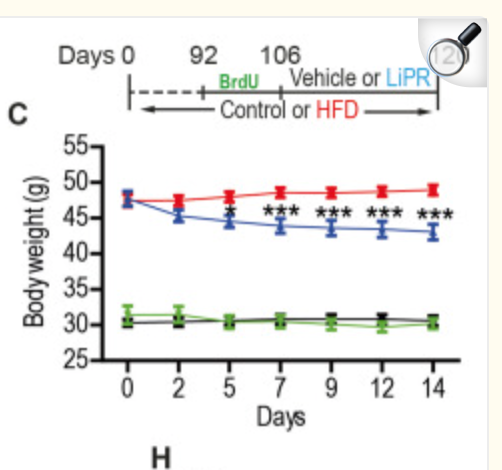
"To address this, we administered a lipidized analogue of an anti-obesity neuropeptide, Prolactin Releasing Peptide (PrRP), so-called LiPR, to mice. In the HFD context, LiPR rescued the survival of adult-born hypothalamic neurons and increased the number of aNSCs by reducing their activation. LiPR also rescued the reduction of immature hippocampal neurons and modulated calcium dynamics in iPSC-derived human neurons"
https://pubmed.ncbi.nlm.nih.gov/38177913/"Analog of prolactin-releasing peptide reduces body weight primarily through sustained fatty acid oxidation rather than hypophagia"
https://www.sciencedirect.com/science/article/pii/S1550413125004814" On the other hand, palmitoylated PrRP stimulates anorexigenic pathways in the hypothalamus. However, our results clearly suggest that the central effects of peripherally applied palm-PrRP on food intake and BW are possible only in the presence of intact leptin signaling. Despite this, palmitoylated PrRP has the potential to be an attractive candidate for obesity therapy."
https://www.frontiersin.org/journals/pharmacology/articles/10.3389/fphar.2021.779962/full#s3"Peripheral treatment with palm11-PrRP31 progressively decreased the body weight of SHR rats but not SHROB rats, though glucose tolerance was markedly improved in both strains. Moreover, in SHROB palm11-PrRP31 ameliorated the HOMA index, insulin/glucagon ratio, and increased insulin receptor substrate 1 and 2 expression in fat and insulin signaling in the hypothalamus, while it had no effect on blood pressure."
https://www.nature.com/articles/s41387-017-0015-8The IN VIVO neurological benefits of Prolactin
"Prolactin Releasing Peptide (PrRP)**, so-called LiPR, to mice. In the HFD context, LiPR rescued the survival of adult-born hypothalamic neurons and increased the number of aNSCs by reducing their activation. LiPR also rescued the reduction of immature hippocampal neurons and modulated calcium dynamics in iPSC-derived human neurons""
"Prolactin mitigates chronic stress-induced maladaptive behaviors and physiology in ovariectomized female rats"
https://www.sciencedirect.com/science/article/abs/pii/S0028390824002648"The hyperprolactinemic groups did not show significant behavioral changes in the forced swimming test preceded by saline injection."
https://pubmed.ncbi.nlm.nih.gov/10764890/
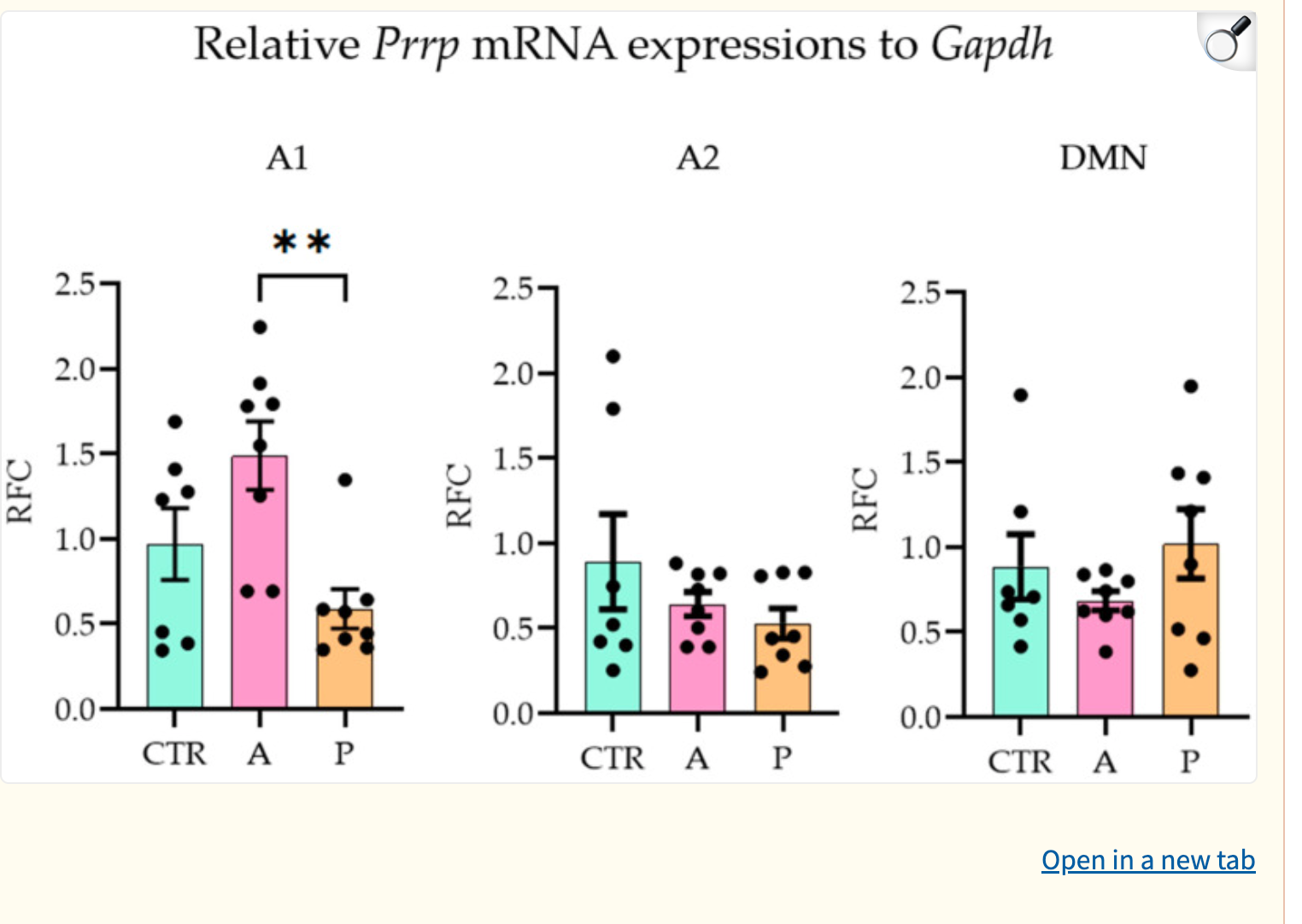
In forced swim tests, the rats trying more actively trying to escape (A) had higher Prolactin Releasing Peptide -
This post is deleted! -
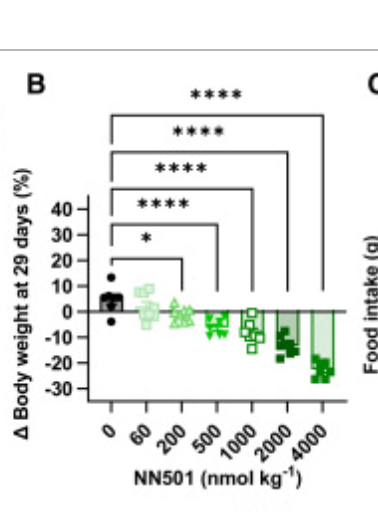
Decreases bodyweight, yes it decreases metabolic rate
-
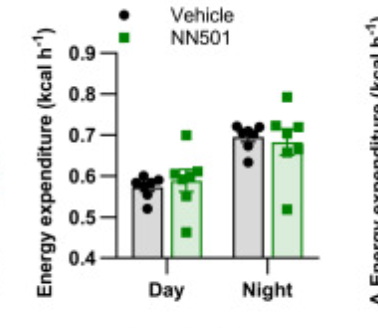
Actually lets go on and say it PRESERVES metabolic rate despite extreme weight loss
-
Some of the studies mention increased fatty acid oxidation. Could we say instead that prolactin, despite having benefits, is overall a stress hormone like cortisol? Cortisol also suppresses appetite but we rarely thing of it as a good think from a Peat perspective. So, prolactin would then still be a "bad" hormone worth suppressing.
-
hmmm… interdasting….
-
@engineer thyroid, testosterone, dopamine etc increase fatty acid oxidation, FAO does not mean a substance is stressfull. I suspect prolactin activation increases metabolism by increasing dopamine.
The cortisol comparison is extremely unfair; prolactin greatly reduces blood sugar, more so than bromocriptine itself whereas cortisol increases it.
-
There is a study showing prolactin knockout caused decreases in glycolysis, pyruvare dehydrogenase and some steps of the kerbs cycle, but also greatly decreased fatty acid synthase genes. Beta oxidation genres remained neutral and slightly increased. I think nuking prolactin on a keto dietiet such as ex150, could be beneficial for that reason.
-
@alfredoolivas mayhaps cortisol gets a universally bad rap as well
-
@sunsunsun mayhaps you expand on that?
-
-
@sunsunsun yeah it probably increases metabolic efficiency, but that makes one fat & it directly breaks down muscle tissue via the elvation of le amino transferases
-
This study breaks it down nicely
https://academic.oup.com/endo/article/158/1/56/2751112?login=false -
Prolactin mogs in glucose tolerance tests and this is observed IRL too
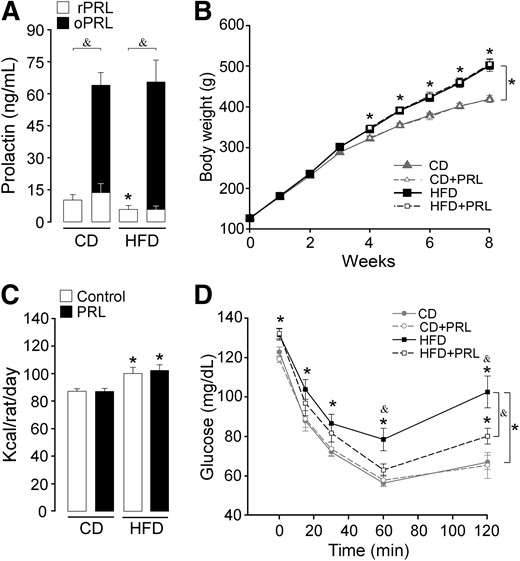
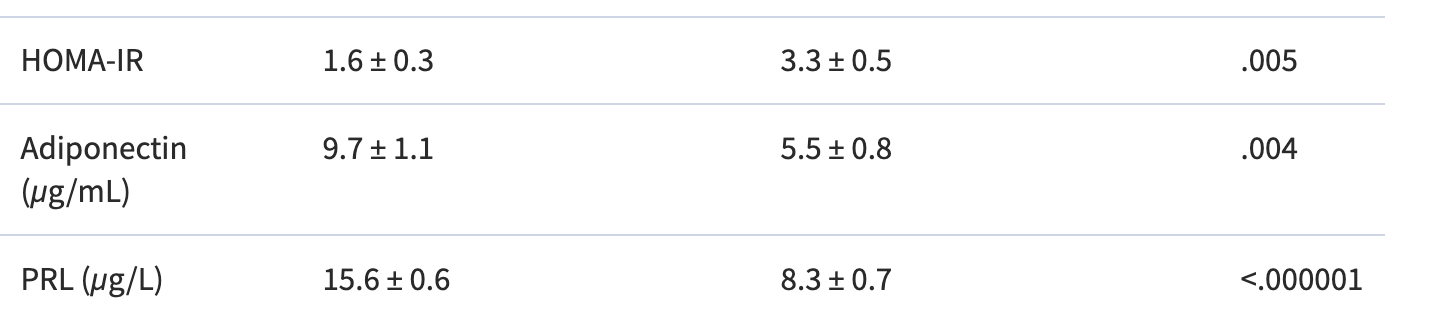
-
@alfredoolivas Interesting, can you link this study?
-
@LunaticRed link above photo
-
@alfredoolivas estrogen also helps in glucose intolerance in these models through signalling effects at the pancreas & lipogenesis lowering, so has different signalling ofc but prolactin is probably having estrogen like effects (shares some similar genes activation) (
https://pubmed.ncbi.nlm.nih.gov/12670737/
i read some connection a while back between prolactin and helping slow wave sleep thoughhigh estrogen not good for mood & tumors but good for initial early regeneration, e.g when destroy pancreas cells with a substance or high fat, and lowers lipogenesis in some places so less to deal with on top of the high fat coming in. i guess prolactin shares some of the pathways / gene effects
https://academic.oup.com/endo/article-abstract/150/5/2109/2455831?login=false https://www.jci.org/articles/view/44564so good in those HFD contexts & for that aspect , but when it signals high for a long time it can cause metabolic problems instead "There may be a “goldilocks zone” for serum prolactin that promotes metabolic homeostasis"
in a smaller case control study of 134 patients, the average concentration of prolactin in controls (18.38 µg/L) was found to be significantly higher than that of diabetic patients (5.39 µg/L) (109). Wang et al. also similarly showed that a high normal prolactin range (11.61-26.29 ng/mL) was most protective against insulin resistance and diabetes in a large cohort of patients with hyperprolactinemia
https://pubmed.ncbi.nlm.nih.gov/21557442/ shows high levels create metabolic problems , giving more but not high levels helped
"World" as a source of new perceptions
https://substack.com/@cs3001 -
@cs3000 I agree, the main point of this post was to warn people not to nuke it.
-
Human studies
"a 2-3 fold increase of circulating PRL levels maintained for 1.5-3 h exerted no apparent effects on the secretion of endogenous LH, FSH and TSH."
https://pubmed.ncbi.nlm.nih.gov/8258642/"Prolactin does not acutely influence renal electrolyte excretion and probably does not influence water excretion in man."
https://pubmed.ncbi.nlm.nih.gov/870513/ -
Prolactin group had much lower estradiol, but the before measurements were not taken
https://clinicaltrials.gov/study/NCT00438490?tab=results#results-overview
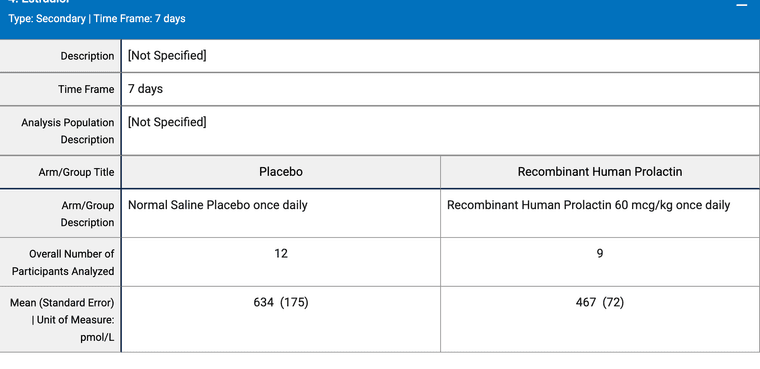
https://pmc.ncbi.nlm.nih.gov/articles/PMC1950489/#sec10
Prolactin group had constantly lower estradiol
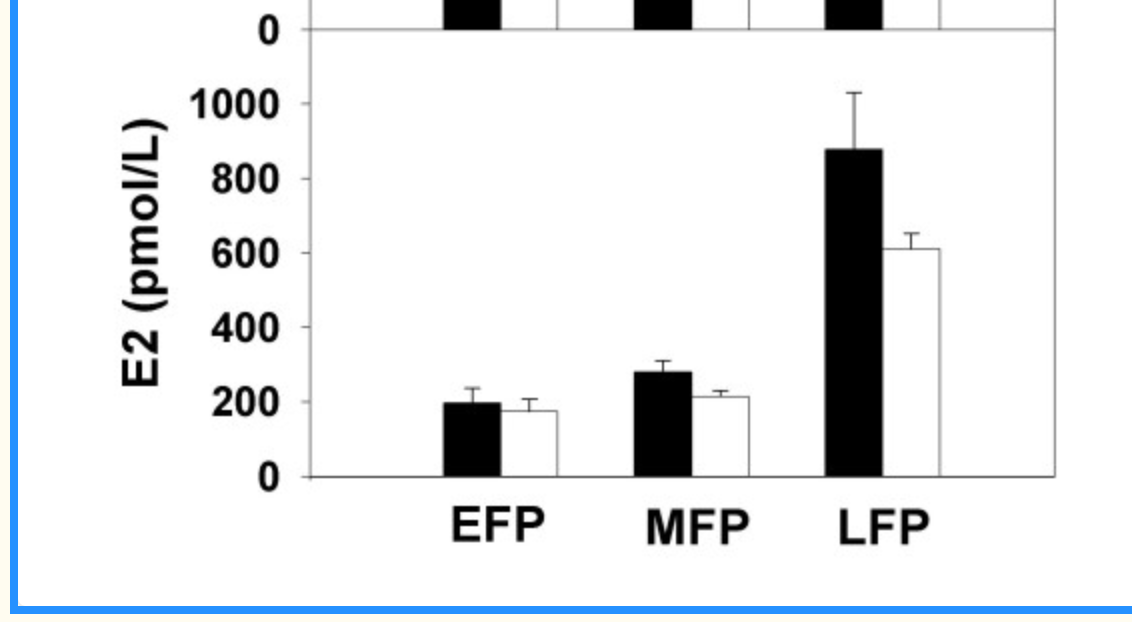
Prolactin group ate less
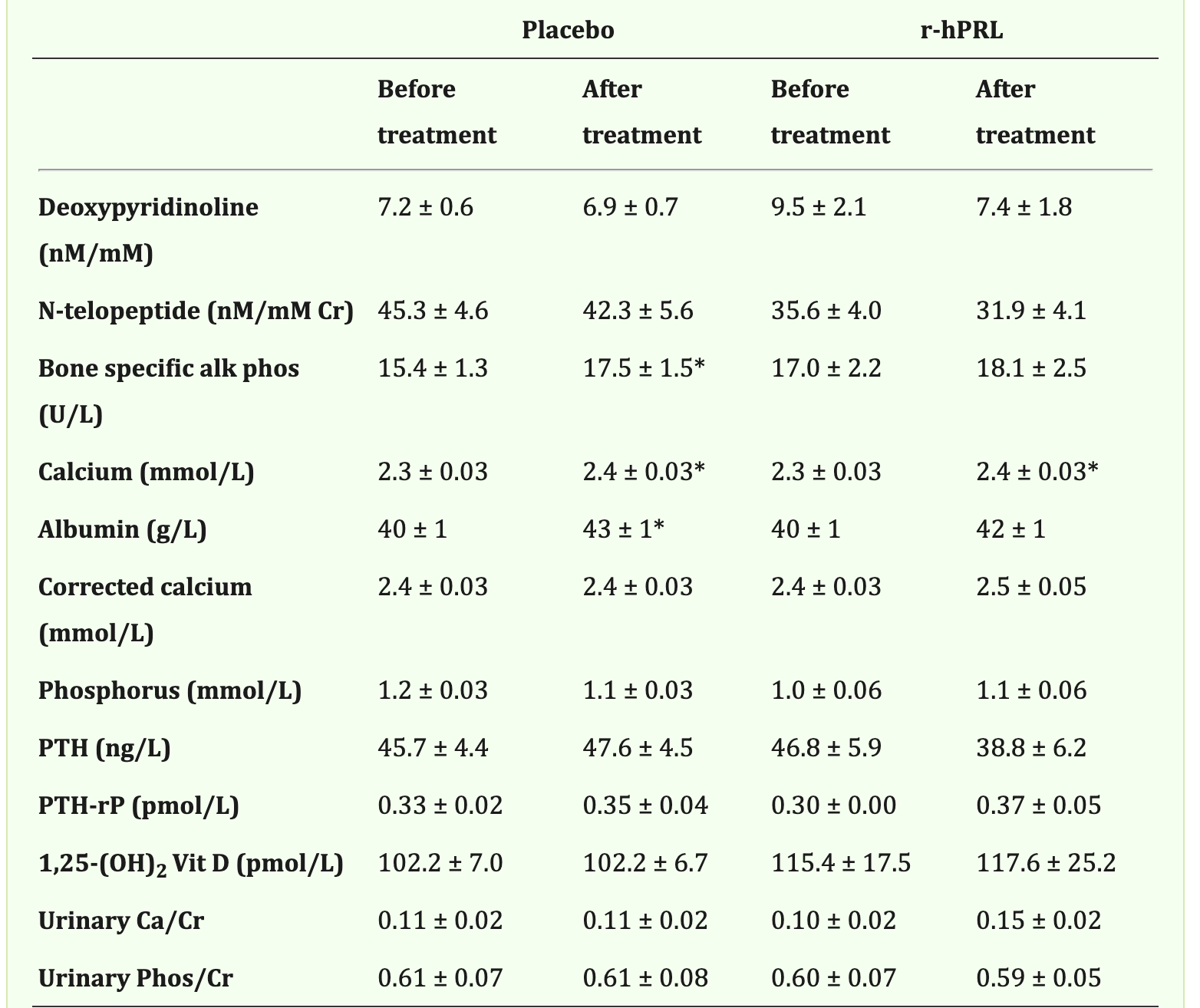
"Short-term prolactin administration causes expressible galactorrhea but does not affect bone turnover:"





Hello! It looks like you're interested in this conversation, but you don't have an account yet.
Getting fed up of having to scroll through the same posts each visit? When you register for an account, you'll always come back to exactly where you were before, and choose to be notified of new replies (either via email, or push notification). You'll also be able to save bookmarks and upvote posts to show your appreciation to other community members.
With your input, this post could be even better 💗
Register Login