Random, interesting studies
-
"Platelet COX inhibition was nearly complete already at 37.5 mg aspirin daily, as evidenced by >98% suppression of serum thromboxane B2 ..."
-
@Mauritio Bro this is insane.
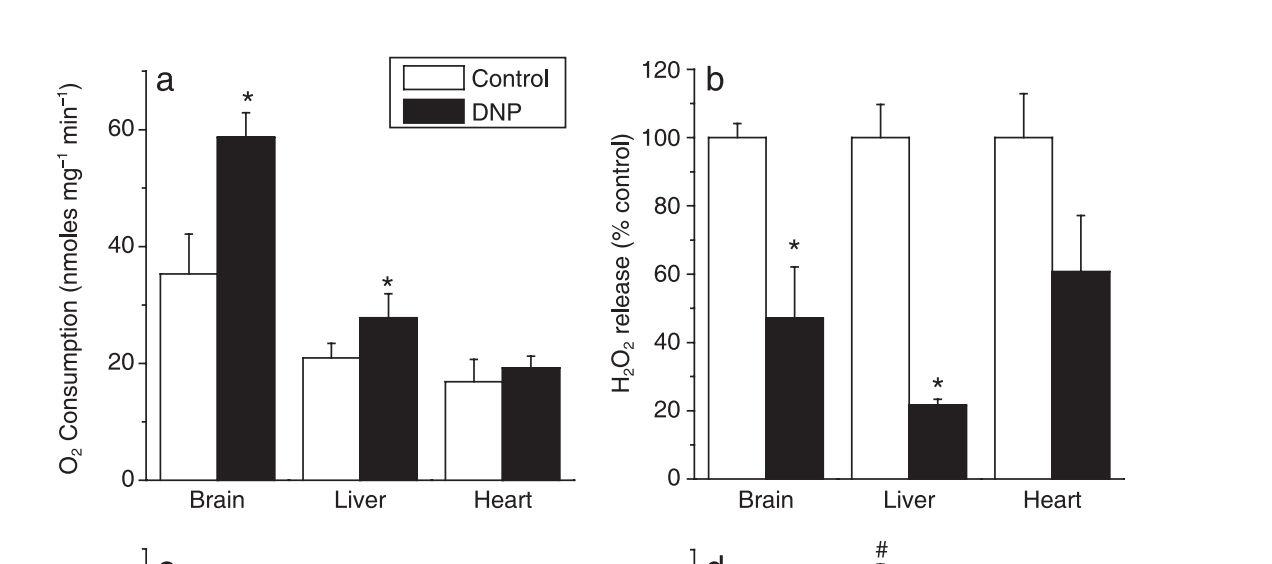
https://pubmed.ncbi.nlm.nih.gov/18505478/
If the mice were drinking 3.2ml of water a day, that is 0.032mg of DNP.
They weighed around 0.0475kg
So 0.67mg / kgHED is 0.0536mg per kg
80kg man: 4mg
-
@alfredoolivas yes lve posted this and similar studies on X and maybe also on here.
Microdose DNP is very beneficial. Its also being researched to treat Ms.Dare to think.
My X:
x.com/Metabolicmonstr -
@Mauritio Yeah I was thinking of your post and looked into it a but
-
Apple polyphenols protect from aspirin induced stomach damage.
https://pubmed.ncbi.nlm.nih.gov/25069887/
https://pubmed.ncbi.nlm.nih.gov/18482463/Honey and propolis help as well.
https://www.mdpi.com/2072-6643/13/9/3169
https://www.sciencedirect.com/science/article/abs/pii/S2214785321029254The protection always seems to stem from the polyphenol content of those foods. So I suspect that eating anything that has alot of polyphenols with the aspirin should work. Berries, fruits, or a glass of Orange juice.
Dare to think.
My X:
x.com/Metabolicmonstr -
@Mauritio said in Random, interesting studies:
anything that has alot of polyphenols with the aspirin should work.
Yes, to counteract excess oxidation and then inflammation. But we need to optimize mucin thickness with glutamine (and taurine to counteract the excitotoxcity in the brain).
I take half a teaspoon of taurine and the same with glutamine powder, one hour before bedtime, when I feel a stomach acidity. No glutamine if you suffer from dysbiosis (suspicion of candidiasis: it feeds the bacteria).
When it's nervous, L-theanine 225 mg and 1 tsp collagen do the job (cramp). Never take SSRS as a usual med... -
"The effect of vitamin A supplementation on plasma estrogen and progesterone were studied in pregnant women. While there was no change in the estrogen concentration, the mean increment in plasma progesterone in the supplemented group was significant when compared to the unsupplemented group. It is suggested that vitamin A supplementation to undernourished pregnant women may have beneficial effect on feto-placental function."
https://pubmed.ncbi.nlm.nih.gov/1856040/ -
Now here's something controversial and interesting from Cell:
To take probiotics post-antibiotic treatmentcanwill inhibit restoration of one's microbiome in contrast to simply letting things run its course without any post-antibiotic intervention (if one's lucky enough to not get a CDI, of course. Yet the course for that may have been set already during Abx treatment, we don't really know if probiotics after Abx can rescue that).
A much more effective method could be "autologous fecal matter transplant". No foreign donor required.
Collecting, filtering, liquefying and freezing one's pre-antibiotic healthy microbiome and using this once on day 0 after antibiotic treatment.
Like in hamsters: Eating your own shit. This enriches the (mostly preserved) endogenous microbiome reserves and puts them back from the end to the more proximal parts of the digestive system.Compared to spontaneous post-antibiotic recovery, probiotics induced a markedly delayed and persistently incomplete indigenous stool/mucosal microbiome reconstitution and host transcriptome recovery toward homeostatic configuration, while aFMT induced a rapid and near-complete recovery within days of administration.
In rodent experiments, the degree of mucosal colonization and shedding of human-specific probiotics even after antibiotic pretreatment was small. Pointing yet again to a huge importance of specificity between host species and strain.
I.e. rodent studies for testing probiotic benefits in humans ought to be quite garbage.
The study went on to human volunteers with the same and apparently very reasonable 11-strain Lactobacillus + Bifidobacterium probiotic blend ("Supherb Bio-25", 25 billion CFU twice daily):Following antibiotic treatment, seven participants were followed by watchful waiting for spontaneous microbiome reconstitution, six participants received aFMT (STAR Methods), and eight participants received the aforementioned 11-strain probiotics preparation administered bi-daily for a period of 4 weeks (Figure 3A).
participants from the aFMT arm received an intrajejunal infusion of 150 ml of processed and liquefied stool (on day 0), which had been obtained from the participant prior to the antibiotics therapy
In the spontaneous recovery group, significant differences in stool composition compared to baseline abated within 21 days of antibiotics cessation (Figure 4B). In contrast, probiotics-consuming individuals did not return to their baseline stool microbiome configuration by the end of the intervention period (day 28), and dysbiosis was maintained even 5 months after probiotics cessation, with all stool samples collected through day 180 remaining significantly different from baseline
dun- dun dun dun.
And here's another interesting find from nature microbiology, where they blasted volunteers with the three "last-resort" antibiotics meropenem, gentamicin and vancomycin:
Recovery of gut microbiota of healthy adults following antibiotic exposure, 2018
The gut microbiota of the subjects recovered to near-baseline composition within 1.5 months, although 9 common species, which were present in all subjects before the treatment, remained undetectable in most of the subjects after 180 days.
That latter part sort of negates the first statement, doesn't it?
Finally, some species detected at D0 were not detected again within the study time frame.
These included: (1) members of genus Bifidobacterium that are considered pathogen-protective and immunostimulatory;
2) butyrate producers such as Coprococcus eutactus and Eubacterium ventriosum and
(3) methane-producing Methanobrevibacter smithii associated with the efficient digestion of polysaccharides.Remarkably, only two F. prausnitzii strains were able to recover by D180, another six could not recover through the study period (Supplementary Fig. 3), reflecting the different recovery capacities between conspecific strains.
-
" F prausnitzii EXL01 strain did not induce pro-inflammatory pathways compared with LPS, but up-regulated Oxidative Phosphorylation while down-regulating Glycolysis and Apoptosis pathways (Figure 5D and E)."
"Interestingly, increasing doses of F prausnitzii EXL01 strain blocked LPS-induced glycolysis activation and OXPHOS inhibition (Figure 6B and C)."
-
@CrumblingCookie just saw you also posted about f. Prausnitzii. Nice synchronicity.
For the purpose you mentioned above kestose might be beneficial. Since it increases butyrate and F. Prausnitzii. -
Interesting study showing endogenous metabolite of C15 fatty acid is a potent endocannabinoid, anti-inflammatory, agonist on 5HT1A + B, and Antagonist on histamine receptors.
C15 is part of idealabs LipOdd.Dare to think.
My X:
x.com/Metabolicmonstr -
@Mauritio pea?
-
@lobotomize full sentences?
Dare to think.
My X:
x.com/Metabolicmonstr -
@Mauritio Palmitoylethanolamide similar effects
-
Activating the dopamine receptor D2 enhances life span. Using known longevity pathways like AMPK (in C. elegans).
https://pubmed.ncbi.nlm.nih.gov/35317792/D2 is the gift the keeps on giving.
I made a thread about D2 years ago:
-
Clary Sage
shown to activate several dopamine receptors d2 as well
https://pubmed.ncbi.nlm.nih.gov/20441789/did not significantly increase estrogen when inhaled, increased prgesterone more than estrogen
https://www.mdpi.com/2076-3417/16/7/3234increases Ca:ph ratio
https://pdfs.semanticscholar.org/215c/5e47d31c14f3842b4bb095bf36de43d18723.pdfincreased testosterone and especially progesterone in vitro
"A significant (P<0.05) stimulation of testosterone secretion was recorded at 250 μg/ml for 24 h, while the prolonged cultivation time significantly (P<0.05) increased the testosterone and progesterone production at 150, 200, 250 and 300 μg/ml. "
https://pmc.ncbi.nlm.nih.gov/articles/PMC8549893/it helps with reproductive health damaged by cadmium
https://pmc.ncbi.nlm.nih.gov/articles/PMC10682483/Anti-bacterial properties against a variety of different strains
https://pubmed.ncbi.nlm.nih.gov/28510825/Anti-fungal properties
Chemical composition and antifungal activity of
essential oil of Salvia sclarea L. from Bulgaria
against clinical isolates of Candida species -
Why haven't y'all started superdosing melatonin yet instead of wasting lifetime and effort on quinones and saturating cardiolipins etc.?
Melatonin precedes the importance of quinones as it binds to and activates quinone reductase type 2 (NOQ2) to degrade oxidized, i.e. toxic quinones. Thus, clearly of top priority before adding any K2 (Mk-4) etc.
Melatonin reverses the Warburg-type (glycolytic) metabolism of cells.
This effect is self-enhancing, as reinstated OXPHOS enables intracellular melatonin synthesis.
Just as, without such exogenous intervention, the opposite development is a self-sustaining vicious cycle.Pathological neurons often exhibit Warburg type metabolism and redirect pyruvate into the mitochondria restores mitochondrial redox homeostasis; examples of diseases where this aberrant metabolism occurs include Alzheimer’s, Parkinsonism, amyotrophic lateral sclerosis and others (Reiter et al., 2021b). The ability of melatonin to interfere with Warburg type metabolism presumably relates to its inhibitory action of hypoxia inducible factor 1α (HIF1α), which suppresses the activity of pyruvate dehydrogenase kinase (PDK) which disinhibits PDC allowing pyruvate to enter the mitochondria followed by its conversion to acetyl CoA such that the limited availability of acetyl CoA no longer is a factor in the amount of melatonin synthesized in the mitochondria (Fig. 3) (Mota et al., 2019). These actions of melatonin are reminiscent of those using dichloroacetate, a pharmacological agent that also reverses Warburg type metabolism, perhaps by the same signaling pathway as melatonin and has generated interest as a useful pharmaceutical drug to treat several diseases (Chen et al., 2024b, Kakafika et al., 2024). It has limitations regarding its side effects, actions that do not accompany melatonin use (Bianchi et al., 2024).
Here you get a picture to go along with this:
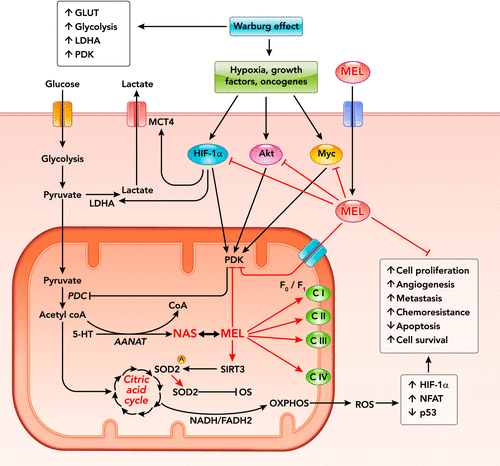
https://journals.physiology.org/doi/full/10.1152/physiol.00034.2019And here's a table with clinical observations on melatonin relevance in metabolic syndrome (humans):
https://pmc.ncbi.nlm.nih.gov/articles/PMC11107716/table/Tab2/
And a table with experimentally shown effects of melatonin in animal models of metabolic syndrome:
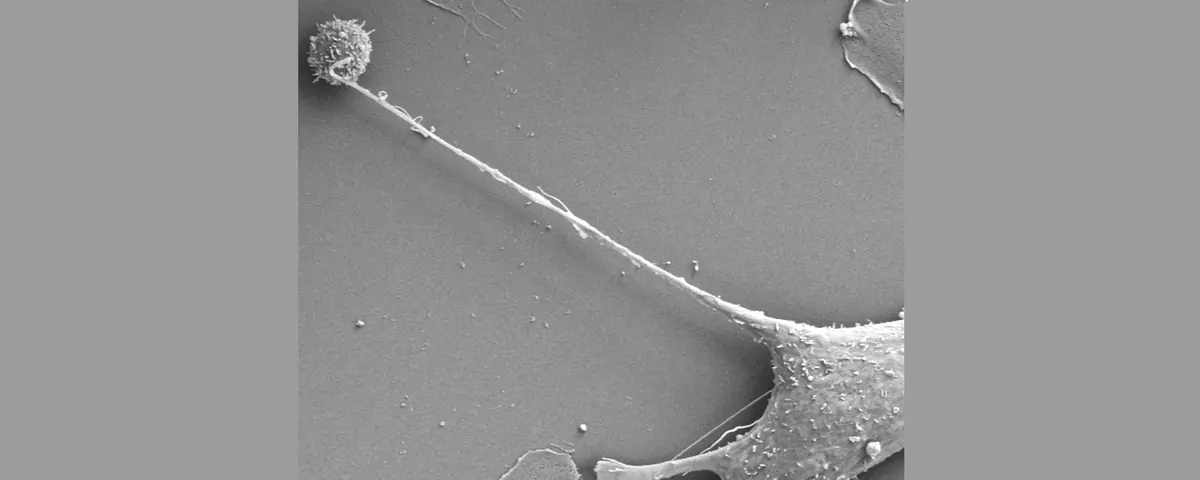
https://pmc.ncbi.nlm.nih.gov/articles/PMC11107716/table/Tab1/Even better: Postmitotic cells aren't doomed to be left by themselves with their inherited pool of malfunctioning mitochondria because melatonin stimulates the transfer of mitochondria from healthy cells to damaged cells via tunneling nanotubes (TNTs)!
If you're now wondering what are tunneling nanotubes, here are pictures of them. They can form between mitochondria of the same cell as a precursor step to fusion and they can form between cells:


Disturbingly and one the downside of this spectacular mechanism, even cancerous cells may use nanotubes to steal mitochondria from T-cells:
t-cell-nanotube-cancer
(I reckon those cancer types can't be running Warburg metabolism - or do they just steal the mitos and their ATP from the immune cells only to then crush them?)And as yet another media of presentation, here's the timestamp (approx. 4mins) of an video interview with Prof. Russel Reiter, Ph.D. on this very topic of metabolism:
![https://youtu.be/t4SuIUtCSLY?t=2825] -
@CrumblingCookie Yeah you cooking us here ngl
-
Yeah you cooking us here ngl
No cap fr fr?
-
Yeah you cooking us here ngl
No cap fr fr?
Peat was generally suspicious of melatonin, especially as a darkness/stress-associated hormone. In one article, he grouped melatonin with “nocturnal/stress hormones” and argued it could make the retina more vulnerable under certain conditions
Peat cited A.V. Sirotkin’s porcine ovary work, saying melatonin inhibited progesterone and stimulated estradiol. He then interpreted that pattern as similar to low thyroid: higher estrogen, lower progesterone, lower resistance to stres





Hello! It looks like you're interested in this conversation, but you don't have an account yet.
Getting fed up of having to scroll through the same posts each visit? When you register for an account, you'll always come back to exactly where you were before, and choose to be notified of new replies (either via email, or push notification). You'll also be able to save bookmarks and upvote posts to show your appreciation to other community members.
With your input, this post could be even better 💗
Register Login