Random, interesting studies
-
@heyman interesting. I've been taking it for two days . First became really hypoglycemic .
-
-
Pregnenolone reduces cocaine consumption in addicts.
Dosage: 300 or 500mg per day.Also interesting that 300mg increased plasma pregnenolone levels more than 500mg after a few weeks.
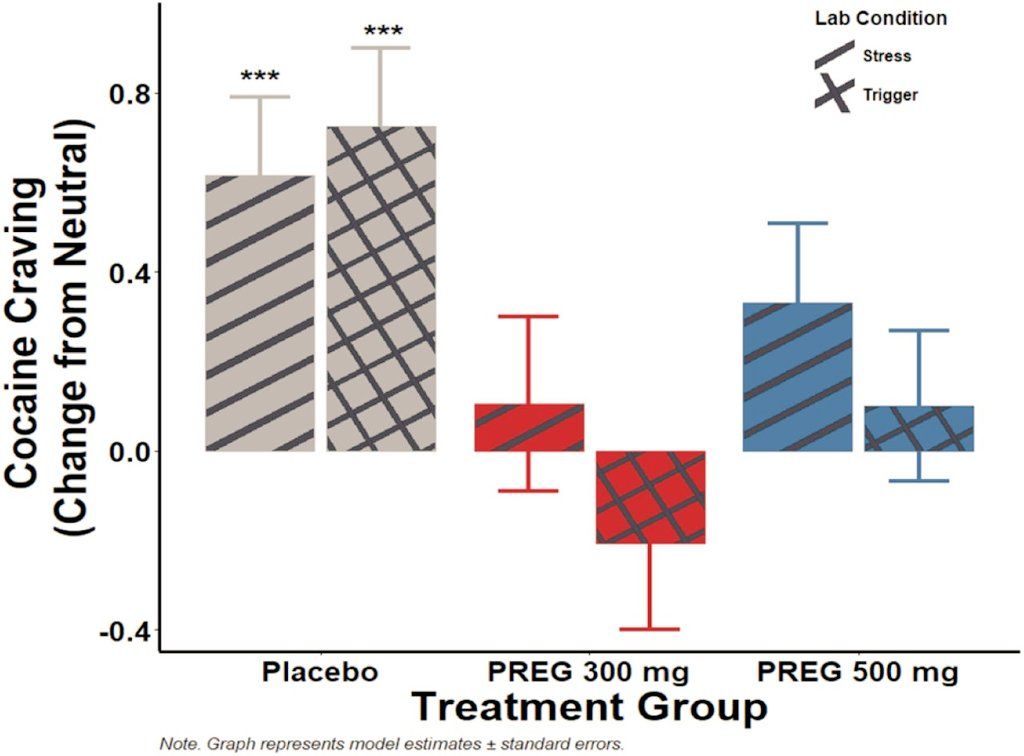
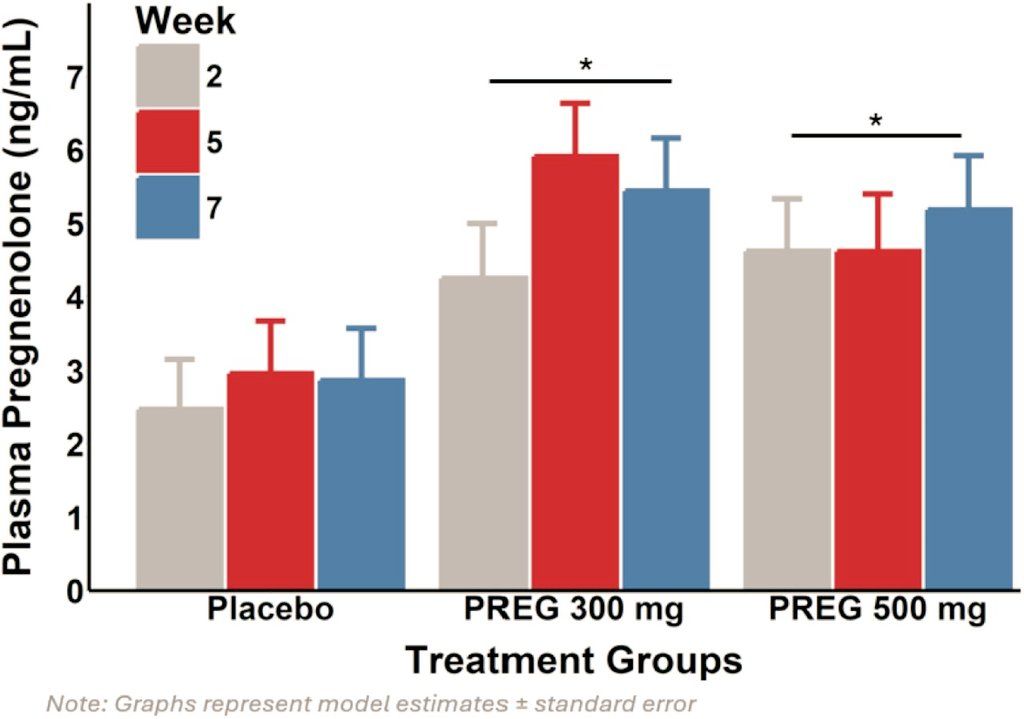
https://www.medrxiv.org/content/10.1101/2025.01.07.25320141v1.full
-
Aspirin for autism?
In this animal model aspirin worked as a treatment for autism.
It completely restored their sociability and improved cognition and oxidative stress.
The human equivalent dosage was around 600mg.
https://pubmed.ncbi.nlm.nih.gov/40918592/ -
They accidentally gave 2 million IUs of vitamin D to a 90 and a 95 year old.
Interestingly, except for a transient spike of Vitamin D levels above the reference range, they were fine. -
DHEA seems to have some interesting antiviral effects.
At least partly because of its ability to protect the thymus gland from Glucocorticoids.
Sources:pubmed.ncbi.nlm.nih.gov/20407244/
pubmed.ncbi.nlm.nih.gov/1835439/
pubmed.ncbi.nlm.nih.gov/18682333/
pubmed.ncbi.nlm.nih.gov/2141095/
pubmed.ncbi.nlm.nih.gov/18462821/
pubmed.ncbi.nlm.nih.gov/2974468/
pubmed.ncbi.nlm.nih.gov/20202657/ -
Just wanted to add my thanks to @Mauritio for continuing to add to this fascinating collection of studies.
-
@rpc thanks!
I posted them on twitter during the last weeks. But it seems to me that there is less overlap between the audience on here and twitter, than I thought. So I'll try to post them on both platforms in the future.Dare to think.
My X:
x.com/Metabolicmonstr -
@rpc said in Random, interesting studies:
Just wanted to add my thanks to @Mauritio for continuing to add to this fascinating collection of studies.
Ya, me too. Good job.

Even when there is no comment. At least you can see the random reading, I suppose. Has to be confirmed: => eye logo 29.8k -
@rpc he is great
-
@Mauritio i dont go on twitters unless u post a nitter link as im too lazy to go on nitter for ur account myself
-
@Mauritio in my opinion it will be smarter to create a new post for each study so that they dont get drowned in a sea of others
-
@lobotomize most of them are just random studies without much context. Usually when I create a thread I give more context. This serves more as a notepad. And if people look for a specific substance they will find it though the search function.
Dare to think.
My X:
x.com/Metabolicmonstr -
@Mauritio just dropping a title about... doing... can make it have a much longer lifespan and can even help some random person years later (as many well named threads in the Rayp forum still do). Extra context can be retrieved by the average curious georgi with minimal tech literacy
-
@lobotomize yeah you have a point. Maybe I'll make some of larger posts (like the coca one)into a thread.
When I start I never know what a posts turns out to be, because it depends how much fun it is to research it, so that's why i just drop all the studies here. -
Theobromine drastically Upregulated UCP1 AND PGC1a. Only in vitro, yet still interesting.
Been wanting to try it for a while .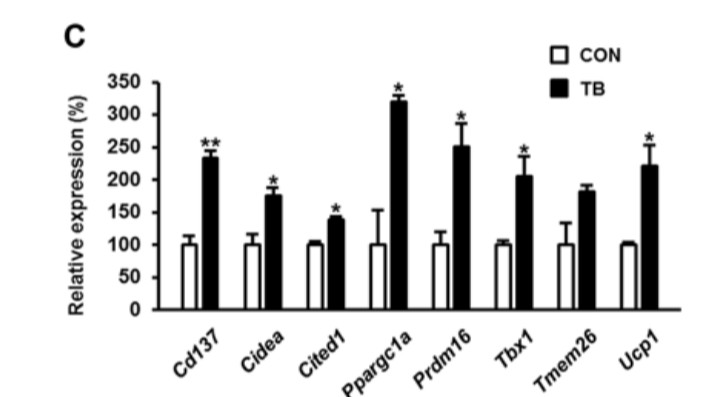
https://sci-hub.ren/10.1007/s12257-018-0434-y
Theobromine ameliorates fatty liver disease by lowering mtor and activating PPARa amongst others.
https://pubmed.ncbi.nlm.nih.gov/33290156/Anti viral effects
https://pubmed.ncbi.nlm.nih.gov/37415325/Dare to think.
My X:
x.com/Metabolicmonstr -
@Mauritio - Have you considered food sources?
A mind is like a parachute. It doesn’t work if it is not open. 👀
☂️ -
@Mauritio - Have you considered food sources?
Foods Ranked 1 - 20 With Theobromine
My expectations for such a list were low but nevertheless beaten by such impressive stubborness:
It's only variations of cocoa and chocolate!
Now we know of your imaginations of a well-varied, balanced diet. Made me chuckle. -
@DavidPS yes, I like chocolate, but it contains too much heavy metals.
Has anybody tried theobromine as a supplement ?Dare to think.
My X:
x.com/Metabolicmonstr -
@Mauritio - thank you for bringing theobromine to my attention. I plan on trying it after things settle down after the holidays.
I am anticipating that theobromine will stress my nervous system in much the same way that caffeine stresses it and I plan on timimg my daily doses much like I do with coffee.
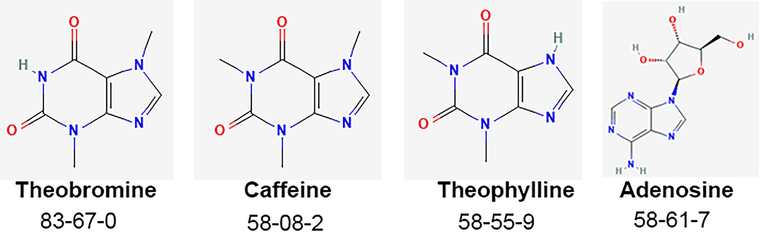
Health benefits and mechanisms of theobromine (2024)
Highlights
• Theobromine, a member of the methylxanthine class of compounds, has multiple potential health benefits.
• Theobromine acts as a non-selective antagonist of adenosine receptors, operates as a competitive and non-selective inhibitor of phosphodiesterases, and disrupts the activity of poly(ADP-ribose) polymerase 1 to exert its physiological functions. Theobromine, due to its low toxicity and versatility, can be employed as an additive in functional foods.
A mind is like a parachute. It doesn’t work if it is not open. 👀
☂️





Hello! It looks like you're interested in this conversation, but you don't have an account yet.
Getting fed up of having to scroll through the same posts each visit? When you register for an account, you'll always come back to exactly where you were before, and choose to be notified of new replies (either via email, or push notification). You'll also be able to save bookmarks and upvote posts to show your appreciation to other community members.
With your input, this post could be even better 💗
Register Login