Random, interesting studies
-
@Mauritio was looking to get one a while back maybe didnt find a decent supp, in pigs it works at 2g per kg of diet at least locally in the intestines, probably less
maybe its better mixed into food like the pig studies because of the higher ph making it more stable?
getting it up intracellularly should react with h2o2 creating more oxygen to drive mito respiration if theres an excess, butthis one using catalase injected i.v raised lung catalase, they think it was indirect effect 10.1152/jappl.1992.72.3.858
(they increased it 70x in blood lol, relatively milder increase in lungs so i guess most of it gets used up before hitting cells, unless its intestinal cells which get it direct. with indirect increases elsewhere
normal catalase didnt work in the brain https://pmc.ncbi.nlm.nih.gov/articles/PMC4577289/#F004theres a unique way to do it with lower dose by conjugating catalase with polyethylene glycol and putting it in the nose .
but idk if it does that spontaneously mixed together, looks like a lab process,
increased catalase activity >2x in lung fluid
https://www.nature.com/articles/s41598-020-60443-2#Sec6Interestingly though feeding chickens catalase increased catalase in liver well along with the intestine, and some in blood
https://www.frontiersin.org/journals/veterinary-science/articles/10.3389/fvets.2022.802051/full
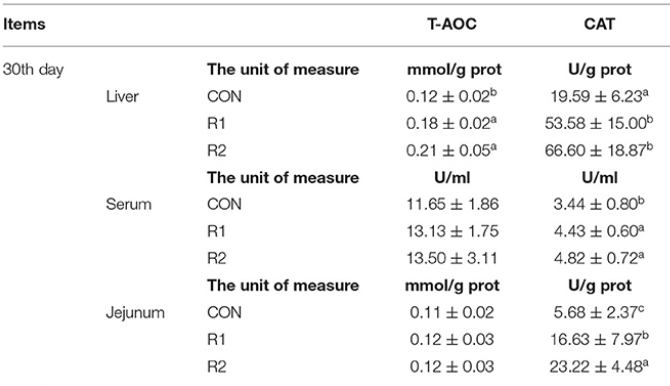
Something in one of the pig studies fed 660mg or 280 U per kg diet, their calcium in blood went up a lot, https://www.mdpi.com/2076-2615/12/7/828
and catalase should help prevent calcification induced by h2o2
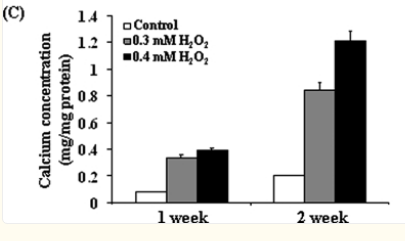
^ calcium in blood vessel cells
https://www.tandfonline.com/doi/full/10.3109/10799893.2012.672994#d1e959 through excess ROS signalling and TRPV https://pmc.ncbi.nlm.nih.gov/articles/PMC7599480/#sec4-antioxidants-09-00963Seems its helping to prevent calcium go into cells which should be good for calcification issues / excitotoxity
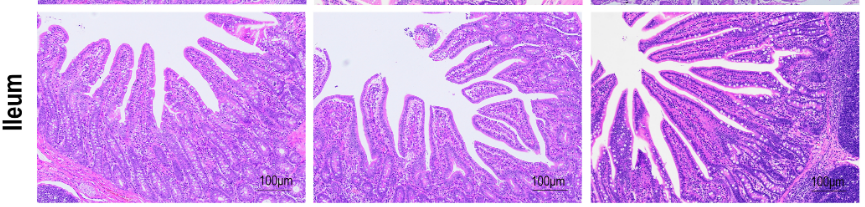
https://journals.asm.org/doi/10.1128/spectrum.00654-21
nice effect on ileum villus height
, ordered some
the units are confusing though, pig / chicken studies theyre using units in the 100s for high mg or gram amountsand this is insightful, https://www.jbc.org/article/S0021-9258(20)35618-0/fulltext even enzymatically inactive catalase can protect against oxidative stress well (hypochlorus acid which is one the most damaging molecules , reacts with it. produced by neutrophils)
-
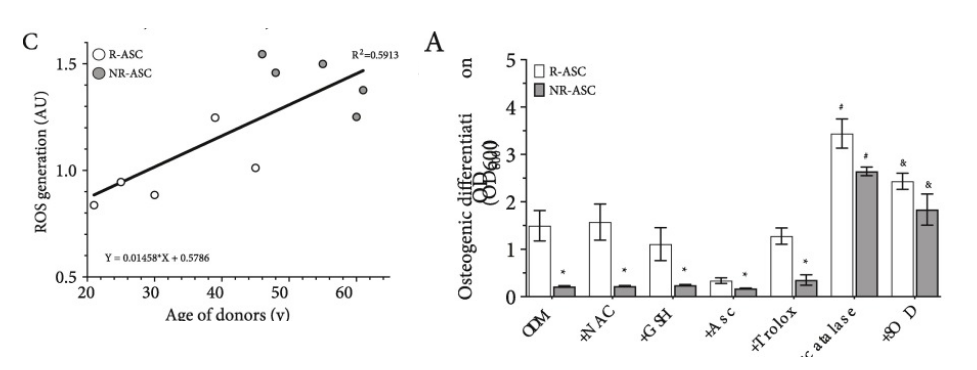
@Mauritio interesting one, more ROS in adipose stem cells from aging donors. ability to differentiate crashed. and adding catalase restored their ability to differentiate
https://www.sciencedirect.com/science/article/pii/S1873506122000575#s0100
-
This study shows that catalase and rapaymcin have an overlap in function.
Very interesting so low catalase might cause mTOR activation, reversed by rapa, an antioxidant or presumably catalase supplementation .
https://pubmed.ncbi.nlm.nih.gov/36474295/@cs3000 said in Random, interesting studies:
Interestingly though feeding chickens catalase increased catalase in liver well along with the intestine, and some in blood
That's remarkable! I'm not sure what the HED is but if I'm right it's pretty low I think a few thousand units and most supplements have several 10k per pill.
Also: the trippling of catalase in organs might have drastic effects on health and longevity ,since those values are in line with that selegiline or ergothioneine achieve.Check out this post: ergothioneine increased catalase by about 2.5 fold.
https://bioenergetic.forum/post/17948
So it's actually less effective at raising CAT than catalase supplementation in chickens , yet it still increases life span by 20% .Dare to think.
My X:
x.com/Metabolicmonstr -
@mauritio 1 more piece this backs the calcification part i was talking about, catalase gives a potent anti-calcification effect in vivo
https://scielo.isciii.es/scielo.php?pid=S1889-836X2017000100013&script=sci_arttext&tlng=en
Wild type vs TG with catalase overexpressed (CRF = renal failure)
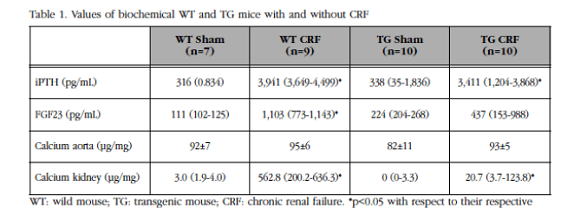
** profound protection from calcification, 562ug/mg calcium in kidney without the extra catalase and with the catalase just 20ug@mauritio so rapamycin acts down a few steps & we can get more direct through catalase , cool (but not as broadly increasing as rapamycin across cells taken directly). 1 thing i dont like about rapamycin is it induces anxiety or depression in the models after a while (too low neurogenesis maybe?), but the catalase gets to the core by the looks of it then
-
That's remarkable! I'm not sure what the HED is but if I'm right it's pretty low I think a few thousand units and most supplements have several 10k per pill.
dose is confusing why are they showing extreme amounts of units vs the studies at 500mg - 1g catalase as 100s of U?
,maybe 2kg of food for the pig one i read they eat same calories as humans,
before with rat ones its worked out a few times as a human eating 1kg of food the same thoergothionine raised it better in the blood but maybe with catalase longer than 30d it increases more, the mda lowering is similar functionally. tho ergothionine might give a broader effect & in the brain with catalase giving indrect effect in some places
this pig one showed it raised catalase measured in the small intestine mucosa like +40% by 35 days, but the functional effect it halved the mda like the ergothionene showed too https://www.mdpi.com/2076-2607/8/3/391
-
ah yeah the broiler one says 5000U per g catalase https://www.frontiersin.org/journals/veterinary-science/articles/10.3389/fvets.2022.802051/full
gonna look with a fresher head but seems extremely low amounts used?
this one puts 660mg per kg diet with 280U/g catalase https://www.mdpi.com/2076-2615/12/7/828
So target by the feeding studies is say 150u - 500u , but absolute weight probably counts some too without enzyme activity. which would be ~50mg by the broiler one going for a minimum by that. but 50mg can be very variable in enzyme activity depending on its extraction....
~600mg of food grade catalase looks safe enough in 90 day window even at very high activity units, but 6g pushing it https://pmc.ncbi.nlm.nih.gov/articles/PMC9943928/
But the studies all used very low units < 1000 daily heq, so might be worse effects going to those extremes
Gonna try 50mg split into meals , unless its a low unit one.
I should be a prime candidate for testing this -
dietary catalase
https://www.gasclibrary.in/wp-content/uploads/2024/08/72.N.C.-Vora-216-221STUDYOFACTIVITYOFCATALASEENZYMEINVARIOUSFRUITS.pdf
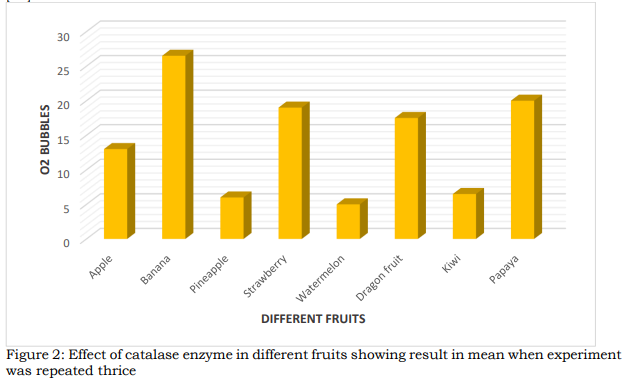
2g of fruit + 60mg h2o2effect of fruit on liver catalase
https://academic.oup.com/fqs/article/doi/10.1093/fqsafe/fyac029/6570892#357505458(they didnt find much correlation between the increase and the polyphenols / flavanols, just slight positive effect from naringin and hesperedin, so probably eating the catalase is a good part of health effects of eating certain fruits)
-
@cs3000 oh nice I didn't know they contained it.
-
-
This post is deleted! -
@CrumblingCookie great healing effect of butyrate on the gastric ulcer thanks, especially the leukotrine and growth factor,
theres microencapsulated form coated with triglyceride / stearic acid available so it doesnt get absorbed by the stomach mucosa for effects lower down. should be able to smell if its legit crushing some
theres another form coated with ethyl cellulose instead of triglyceride, looks more suitable if someone wanted to target large intestine moreBUT: for small intestine , ileum looks vulnerable to increased butyrate https://pmc.ncbi.nlm.nih.gov/articles/PMC11641654/#sec2-ijms-25-12998 so the forms that release there might be a problem over time . using standard sodium butyrate or butyric acid dissolved in water might be better
(also the coated sodium forms = sodium cant separate and dilute in liquid in stomach, direct undiluted sodium release if damage there probably not good) -
@cs3000 What about this?
Bacterial endotoxin increases serotonin release from the intestine, and increases its synthesis in the brain (Nolan, et al., 2000) and liver (Endo, 1983). It also stimulates its release from platelets, and reduces the lungs’ ability to destroy it. The formation of serotonin in the intestine is also stimulated by the lactate, propionate and butyrate that are formed by bacteria fermenting fiber and starch, but these bacteria also produce endotoxin. The inflammation-producing effects of lactate, serotonin, and endotoxin are overlapping, additive, and sometimes synergistic, along with histamine, nitric oxide, bradykinin, and the cytokines.
https://www.functionalps.com/blog/2012/11/29/ray-peat-phd-on-endotoxin/
A little learning is a dangerous thing ;
Drink deep, or taste not the Pierian spring :
There shallow draughts intoxicate the brain,
And drinking largely sobers us again.
~Alexander Pope, An Essay on Criticism -
@Kvirion i dont think much concern , its anti inflammatory & as calcium magnesium butyrate form it lowered excessive bowel movements. (only 160mg calcium in a supp i saw so probably not the calcium too)
didnt raise whole brain serotonin (when looking at result) 10.1016/j.neulet.2016.03.003Probably best not to use it in gram amounts as the salts continually tho. i saw it rasies glp-1 (ozempic is agonist, tho this is probably not as extreme). just temporary month or so for healing effect
-
@Kvirion
That Inulin / FOS -> butyrate -> serotonin = bad and pectin -> acetate = good is what I had saved in my notes previously, too, based on an article by haidut.
It's not true in practice! The butyrate provides a net decrease in endotoxins and serotonin. At effective dosages, butyrate reverses stimulation to inhibition of tryptophan hydroxylase:-
"Nankova et al. (2014) showed that butyrate (1 mM) activates transcription of the TH gene in PC12 cells. Laurent et al. (2013) showed that sodium butyrate (10 mM) increases the dopamine level in the brain."
- "However, higher levels of sodium butyrate (8 mM and 16 mM) tend to supress the transcription of TPH1. "
"Kundi et al. (2021) showed in line with the previous study, that mice fed a western diet have significantly increased ileal TPH1 mRNA-expression, while intake of rye and oat fibres reduce the expression.
They showed, moreover, that a western diet significantly reduces the concentration of SCFA,
while the concentration is restored by intake of rye or oat fibres.
An increased expression of TPH1 was inversely associated with the SCFA concentration."
If using capsule-size amounts of Ca- or Mg-butyrate there'll also be a benefit of these cations at low doses binding oxalic acid and preventing it from uptake.
@cs3000
Glad that you have read about butyrate's healing of gastric ulcers. I find it pretty wild that it's as effective as the proton pump inhibitor omeprazole on healing ulcers (without the nasty adverse effects of PPIs):-
"SoB treatment significantly attenuated ulcer development. The afforded protection was higher than that provided by UDCA and was not significantly different from that afforded by omeprazole. SoB significantly decreased gastric mucosal MDA and TNF-a level, whereas UDCA failed to alter these parameters. Both drugs significantly elevated GSH, VEGF and IL10 levels. Similar to UDCA, SoB showed a significant reduction in AST, ALT, GGT, ALP and bilirubin level. Histopathological examination confirmed the attenuating effect of SoB on gastric and hepatic injury."
I reckon there's either also a strong impact through HDACi and ISC (intestinal stem cell) renewal also in the stomach mucosa (locally, topically) or it's an astonishing testament to how interconnected the whole system is: With decreased endotoxins and inflammation in the intestine relieving the liver and the pancreas, leading to their functions being restimulated, which in turn also stimulates healing "upstream" and through re-enhanced gastric secretions as the counterpart to pancreatic & biliary secretions.
-
-
@CrumblingCookie & it has even more relevant healing effects for chronic type , omeprazole didnt have any effect for me, but not a gastric one,
looks good for inflammatory conditions generally , arthritis too ,
100mg/kg i.p mice 3 days a week
https://pmc.ncbi.nlm.nih.gov/articles/PMC6043689/#S3
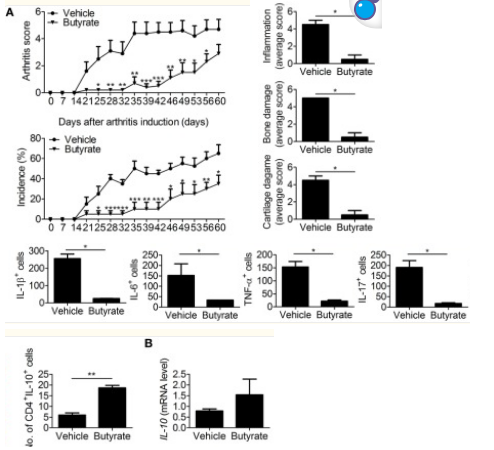
that HDAC inhibition happens at low dose well even ~100mg as the salt orally
something interesting,
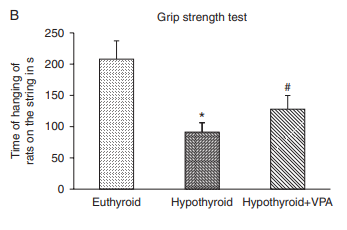
when thyroid receptors aren't bound by the hormone / agonist they block DNA transcription. using HDAC. HDAC inhibition is 1 way to help the people who have receptor mutation / resistance, (sort of)
https://academic.oup.com/hmg/article/23/10/2651/614693#10263757
https://scholars.mssm.edu/en/publications/histone-deacetylase-inhibition-reduces-hypothyroidism-induced-neu
So basically people can get some of the gene effects from T3 activation if its lacking, without the t3 , by hdac inhibition . not full effects but some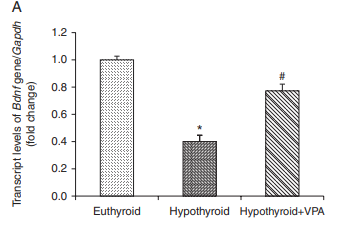
-
@Kvirion If you look at the whole picture I think butyrate is fantastic and definitely a net positive.
I made thread about it a few years ago:
https://lowtoxinforum.com/threads/sodium-butyrate-leads-to-weight-loss-and-less-inflammation-endotoxin.47498/Butyrate increases CO2 in 3 different ways!(Uncoupling, carbonic anhydrase inhibition, as fuel for colonic cells)
It increases testosterone and lowers glutamate, ammonia and endotoxin .
Something that has these credentials, especially the endotoxin part, doesn't tend to increase serotonin.
I wrote about it in this post as there were people taking in-vitro high dosage studies out of context.Post in thread 'Sodium Butyrate leads to weight loss and less inflammation/endotoxin' https://lowtoxinforum.com/threads/sodium-butyrate-leads-to-weight-loss-and-less-inflammation-endotoxin.47498/post-840441
In vitro studies with butyrate matter even
less than they usually do, since they don't take into account that colonic cells use butyrate as a main fuel,changing the whole gut environment.Because you're quoting Peat, I want to mention that he has some rather favorable quotes on butyrate:
Post in thread 'Sodium Butyrate leads to weight loss and less inflammation/endotoxin' https://lowtoxinforum.com/threads/sodium-butyrate-leads-to-weight-loss-and-less-inflammation-endotoxin.47498/post-840681 -
@cs3000 that is interesting on T3!
Maybe that's what Peat was referring to when he said that it facilitated T3 entry In the quote above?
-
@CrumblingCookie said in Random, interesting studies:
@Mauritio @cs3000 from my recent reading:
Treatment of intestinal cells with βHB or feeding mice with a ketogenic diet inhibits mTOR signaling in intestinal cells.Thanks for bringing this up again.
In the above study butyrate had some decent anti-oxidant effects, but where it really shone was at lowering inflammatory cytokines and increasing the expression of the butyrate receptor GPR109A also called HCA2Even wikipedia admits that butyrate /its receptor helps with a lot of diseases.
Interestingly this receptor is also activated by niacin in supraphyiological amounts, so maybe the anti-vitamin A crowd is accidentally right about something.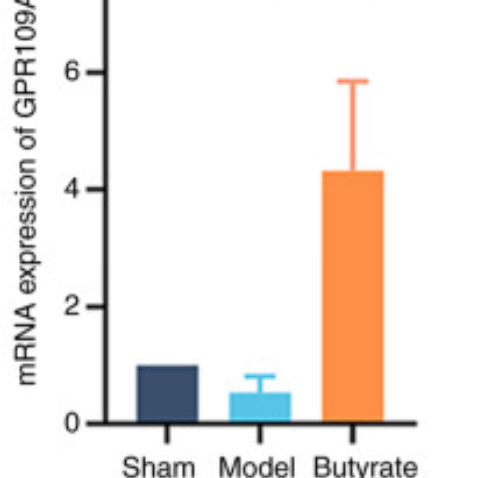
"Studies, done mostly in animals and the cells taken from animals or humans, show or suggest that HCA2 functions to 1) inhibit lipolysis and 2) inhibit inflammation and thereby suppress the development of certain diseases in which inflammation contributes to their development and/or severity.[13][17][18] These diseases include: atherosclerosis,[19] stroke, Alzheimer's disease, Parkinson's disease, multiple sclerosis, pathological pain (i.e. pain due to the abnormal activation of neurons),[13] mastitis,[20] hepatitis due to heavy alcohol consumption,[21] inflammatory bowel diseases, cancer of the colon,[22] and, possibly, psoriasis[23] and brain damage due to heavy alcohol consumption.[24]"
https://en.m.wikipedia.org/wiki/Hydroxycarboxylic_acid_receptor_2
-
Some more interesting studies on butyrate:
-
Age-associated temporal decline in butyrate-producing bacteria plays a key pathogenic role in the onset and progression of neuropathology and memory deficits in 3×Tg-AD mice
https://pmc.ncbi.nlm.nih.gov/articles/PMC11346541/ -
butyrate improves metabolism and reduces muscle atrophy during aging
https://pmc.ncbi.nlm.nih.gov/articles/PMC4693467/ -
"Children with the highest levels of butyrate and propionate (≥95th percentile) in feces at the age of one year had significantly less atopic sensitization and were less likely to have asthma between 3 and 6 years. Children with the highest levels of butyrate were also less likely to have a reported diagnosis of food allergy or allergic rhinitis. Oral administration of SCFAs to mice significantly reduced the severity of allergic airway inflammation."
https://pubmed.ncbi.nlm.nih.gov/30390309/ -
Interesting human trial
https://trialsjournal.biomedcentral.com/articles/10.1186/s13063-022-06891-9
Dare to think.
My X:
x.com/Metabolicmonstr -
-
@Mauritio
 nice thread , results for that trial are released
https://www.nature.com/articles/s41430-024-01512-x
UCP-1 increased (thyroid hormone increases) even in caloric deficit , increased weight loss without the GLP.
(they said only when prescribed with caloric deficit, which idk would be weird i'd like to look at the full data.gives a nice insight as this dose didnt raise GLP-1, so if want to avoid the GLP effects where its still active in other areas its 600mg as sodium butyrate (enough for HDAC inhibition too)
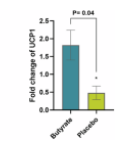
just 20mg/kg ~100mg - 150mg human
doi.org/10.1111/bph.13637
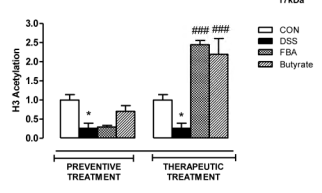
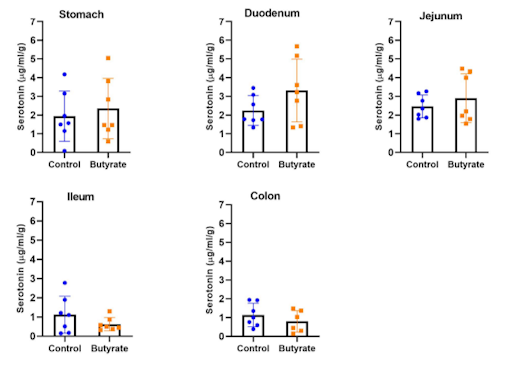
peskypeater posted in that thread showing serotonin in gut from this
https://erepo.uef.fi/server/api/core/bitstreams/30362964-caa5-4cca-b95f-37c2471b3568/content
using high amounts / grams (grams generally not needed),raised higher up and lowered lower down (but
result not statistically significant, big individual variation)
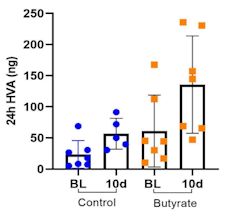
dopamine metabolite large increase, implies higher peripheral dopamine (but need ratio or the dopamine amount to confirm)



Hello! It looks like you're interested in this conversation, but you don't have an account yet.
Getting fed up of having to scroll through the same posts each visit? When you register for an account, you'll always come back to exactly where you were before, and choose to be notified of new replies (either via email, or push notification). You'll also be able to save bookmarks and upvote posts to show your appreciation to other community members.
With your input, this post could be even better 💗
Register Login