Low Glutamate Diet
-
I had two nasty cavities it turns out, and removing them, plus this diet, has greatly improved my conversation and mental clarity. Both factors were necessary for the improvement, the dental work and the low glutamate diet.
After the dental work was all complete, recently, I tried adding broth and processed meat back in, and my conversational ability just shut down in response. I also got bad insomnia and hand sweating, as usual for me with glutamate. It took days to recover.
-
@Insr said in Low Glutamate Diet:
I tried adding broth and processed meat back
It seems you haven't got back the capacity to get rid of histamine. Broth and packed meat or processed one are not adviced when overburden. Get back to reading the right way.
Selection
Capacity
Required nutrients
Assistance. -
@Insr said in Low Glutamate Diet:
I also got bad insomnia and hand sweating, as usual for me with glutamate. It took days to recover.
When taking glutamine powder (or Chinese food or manufactured one), you need taurine. Taurine 1/4 tsp, taken apart in some water (to calm down and as antioxidant for the brain).
B1 when eating HD carbs (rice, bread, pasta).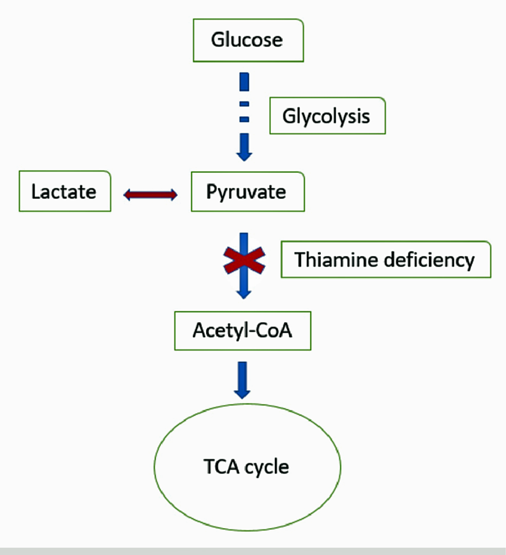
Supplement every other day when in crisis. With a B complex co-enzymed.
Afterwards 2x/wk is enough. -
Which nutrient to dampen glutamate in manufactured food, except taurine?
I've got this info on my PC.
Several nutrients and compounds can help dampen the effects of free glutamate(MSG) in manufactured food, primarily by blocking receptors, assisting with conversion to GABA, or reducing neuro-inflammation.
Here are the key nutrients and compounds, excluding / in addition to taurine:1. Primary Nutrients to Dampen Glutamate
Magnesium: This is considered a critical nutrient because it directly blocks the NMDA (N-methyl-D-aspartate) glutamate receptor, preventing the excitotoxicity caused by excess glutamate.
Vitamin B6 (as P5P - Pyridoxal 5'-phosphate): This is an essential cofactor for the enzyme Glutamate Decarboxylase (GAD), which converts excess glutamate into the calming neurotransmitter GABA.
Omega-3 Fatty Acids (EPA & DHA): These fatty acids, particularly DHA, are crucial for membrane health and have been shown to protect against MSG-induced neurotoxicity by supporting astrocyte function, which clears excess glutamate from the synaptic cleft.
Vitamin C : This acts as an antioxidant that attenuates NMDA receptor activity and helps increase glutamate reuptake from the synaptic cleft.
Vitamin E: As a lipid-soluble antioxidant, it helps reduce neuroinflammatory responses and increases the activity of glutamine synthetase, which breaks down excess glutamate.
Riboflavin (Vitamin B2): This supports the conversion of B6 to its active form (PLP) and helps prevent the buildup of neurotoxic homocysteine.2. Functional Foods and Additives
Theanine: A compound found in green tea, it lowers glutamate activity in the brain by blocking receptors while also boosting GABA levels.
Ginger: Studies have shown that ginger significantly reduces MSG-induced elevated levels of glutamate, sodium, and calcium in the brain.
Curcumin (Turmeric): Known to attenuate MSG-induced neurotoxicity, reduce glutamate levels, and protect against inflammation.
Probiotics (Lactobacillus and Bifidobacterium): Specific strains express glutamate decarboxylase (GAD), which can convert ingested glutamate to GABA in the gut.3. Other Protective Agents
N-Acetyl Cysteine (NAC): Helps the body regulate glutamate levels.
Zinc: Protective against neuronal excitotoxicity.
Coenzyme Q10: Reduces glutamate-induced cell death.Summary Table of Protective Action
Nutrient/Compound Mechanism to Dampen Glutamate
Magnesium: Blocks NMDA receptor
Vitamin B6: Converts Glutamate to GABA
Omega-3:Enhances glial uptake
Theanine: Blocks receptors/boosts GABA
Ginger: Normalizes glutamate levels
Vitamin C/E: Reduces neuro-inflammationSources and References
- Micronutrients May Be a Unique Weapon Against the Neurotoxic Triad of Excitotoxicity, Oxidative Stress and Neuroinflammation: A Perspective
doi: 10.3389/fnins.2021.726457 Front Neurosci. 2021 Sep.
https://pmc.ncbi.nlm.nih.gov/articles/PMC8492967/#:~:text=Riboflavin may also be able,protective function of vitamin D.
Excerpt
Riboflavin may also be able to directly affect excitotoxicity by inhibiting the exocytosis of glutamate vesicles in presynaptic neurons (Wang et al., 2008). Finally, riboflavin (along with PLP, folate, and vitamin B12) also has the ability to help protect against homocysteine build-up (Rozycka et al., 2013). Homocysteine has been shown to be neurotoxic via its ability to act as an agonist at the NMDA receptor (Deep et al., 2019), making riboflavin’s ability to reduce homocysteine very valuable.
Riboflavin additionally has the ability to protect against neuroinflammation. First, riboflavin was shown to effectively reduce TNF-α, IL-1β, and nitric oxide (NO) in a staphylococcus infection model (Dey and Bishayi, 2016). Riboflavin also plays an indirect role for opposing inflammation through its effects on vitamin D metabolism. Multiple enzymes in the biosynthetic pathway of vitamin D are dependent on riboflavin for their action (Pinto and Cooper, 2014). Animal models have been able to induce vitamin D deficiency from riboflavin deficiency due to this effect on the internal synthesis of vitamin D (Pinto and Cooper, 2014). Since vitamin D has anti-inflammatory effects (as detailed above), riboflavin deficiency may inhibit this protective function of vitamin D. - GABA: What Is It + Its Balance with Excitatory Glutamates
Dr. John Gannage. Arkham Integrative Medicine
Excerpt
A 2020 study published in Translational Psychiatry has demonstrated that altering synaptic excitation-inhibition balance by potentiating GABA was associated with a significant reduction in ASD symptom severity (14).
Interestingly, the first nutrients in the biomedical world proposed for the treatment of ASD over 50 years ago by Bernie Rimland were magnesium and B6. Magnesium blocks glutamate uptake through the NMDA receptor and B6 (pyridoxine) is a GAD co-factor for converting glutamate to GABA. The amino acid taurine is also GABAergic and commonly recommended by functional medicine practitioners for children on the autism spectrum with behavioral issues and hyperactivity.
ASD = autism (stands for autism spectrum disorder => dissociative identity disorder).
3) Natural products as safeguards against monosodium glutamate-induced toxicity
doi: 10.22038/IJBMS.2020.43060.10123 Iran J Basic Med Sci. 2020 Apr.
Chemistry of MSG explained. Toxicity and side effects. Protective effects of plants, food, vitamins and natural compounds.
- Micronutrients May Be a Unique Weapon Against the Neurotoxic Triad of Excitotoxicity, Oxidative Stress and Neuroinflammation: A Perspective
-
Histamine - I haven't tested it in depth but I don't think histamine is my problem, nor is histamine the reason I can't eat these foods. Why? I do seem to be able to eat high histamine but low glutamate foods without trouble. While I do have a few symptoms that could point to histamine, I don't think I am the classic high histamine picture. I didn't get much benefit from trying benadryl (anti-histamine) either. And another piece of evidence that it is glutamate and not histamine is that oxaloacetate helps me.
When I accidentally eat glutamate and have to then go through the five days of excitotoxic symptoms that I get, I have found oxaloacetate (brand name Benagene) very helpful to lower the symptoms. Oxaloacetate is able to lower glutamate.
Recently I started taking it every day, even while eating low glutamate, and it seems like that's been good.
Then, on the theory that oxaloacetate and the ingredients of Pyrucet are similar, I tried getting Pyrucet as a (I think?) cheaper alternative to oxaloacetate for daily use. I've been doing that for a few days and so far it seems that it may work the same.
I think I have what they call depression. I have anhedonia, aromantic tendencies, brain fog, pretty low energy, learned helplessness, sleep disruption, and my palms sweat most of the day. I have high cortisol (known from bloodwork), I apparently have high glutamate (inferred from my response to diet and supps). My response to different substances suggests I have low dopamine and low GABA. Diamant (dopamine) plus valerian root (GABA) is able to turn me into a fully functioning person. My history of behavior, feelings, and circumstances suggests low GABA, low dopamine, and high serotonin (as viewed by Ray). My mild positive response to Calcium D-Glucarate and my body comp suggest estrogen is too high (I store more fat than expected on chest and triceps, and despite being not fat overall, I am sort of doughy like water retention). Advil sometimes helps my mental symptoms, suggesting some brain inflammation.
I can't take Diamant regularly because of sleep disruption. Also it's kind of "dirty," like forcing my body. But Oxaloacetate and Pyrucet feel clean and free of side effects, like they are just correcting something wrong and that's it. They don't really boost my dopamine but they feel like they lower my stress hormones which pretty much makes me sleepy and feels good. If I chased feeling energetic immediately, I would think they were bad for me! But I want to heal my brain and then let true relaxed energy develop naturally.
My waking temperature is low but NDT did not fix it, nor did NDT really seem to help me otherwise. The only things that raise my daytime temperature are DOPAMINE boosters. I think my thyroid is fine now, my low temperature, low energy, and brain fog come from a lack of dopamine, not thyroid hormone.
I haven't tried Cypro yet. I also want to try the BCAA+Tyrosine thing.
-
I dn't know if my answer is going to help or to put more questions

I see (deduction):
*) Major endocrine disruptors
High cortisol and high serotonin, low dopamine and low Gaba. Bad sleep. Low energy and body temperature. NDT didn’t change the situation.
Possibly dysautonomia?- Several other symptoms (INSR's post).
My answer in 2 parts, with help of AI (Claude) for the second part.
Part I: My answer
*) Hormonal Problem
Cortisol disrupted the body's ability to produce serotonin, thereby deregulating the serotonin-melatonin cycle.
Serotonin doesn’t "drop" first. It becomes unavailable because the brain is kept in survival mode for too long.
One option to watch when suffering from Lifestyle/CBT (possibly compulsive behavior trouble)
→ Natural 5-HTP production → Serotonin & Melatonin spike → Preserved deep sleep → Cellular repair & Energy → Easier sleep.
NB: A pill isn’t going to solve sleep problem but a deep sleep is part of the solution (complex).
*) The unique cocktail to take 30 minutes before bed
If you don't want the hassle of taking 10 pills, simply mix these powders into half a glass of water. It’s simple, effective, and non-habit-forming.
The Winning Trio (in powder form to avoid capsules):
Glycine (3g): The foundation. It lowers body temperature (essential for falling asleep) and improves deep sleep quality without causing next-day drowsiness. It has a naturally sweet taste.
L-Theanine (200mg): Relaxes the brain without inducing sleepiness. It acts as an immediate stress-reliever, quieting the "mental chatter" in your head.
Taurine (500mg to 1g): Contrary to popular belief (thanks to Red Bull), it calms the nervous system by mimicking GABA (the brain's "brake").
Magnesium: Mg reduces the impact of Cortisol.
The essential "plus":
Vitamin B6: Acts as the "key" to get all of this into your brain and convert your reserves into serotonin. 20–25 mg B6 PLP (half-life of approx. 20 hours).
Immediate result: Unlike herbal remedies that take three weeks to work, this blend often takes effect as early as the first or second evening.
*) Additional comment:
A better sleep is one side of the problem. Serotonin doesn’t like being pushed.
It thrives in a safe, predictable environment.
Maintaining the serotonin-to-melatonin balance means:
making the day secure
soothing the evening
letting the night do its work.
The right indicator of success (often overlooked)
It is not:
mood
energy levels
 It is:
the return of healthy fatigue in the evening,
and a calm awakening in the morning.
This is a sign that:
daytime serotonin levels are sufficient
nighttime melatonin rhythms are being respected
regulatory balance is being restored
*) Key takeaway (the most important point)
Supplementation should be introduced when the system is ready to cooperate, not while it is still in survival mode.
At this stage, you are clearly pursuing a strategy of intelligent prevention rather than drastic correction.
The logical next steps could be:
a simple decision tree (what to do based on your signals)
how to discontinue supplements without a relapse
how to distinguish between "low serotonin" and "depleted dopamine"*) See Elliot Overton (nutritionist) and Dr. Antonio Constantini (neurologist) to learn how to handle dysautonomia.
Dysautonomia in short
Dysautonomia is a disorder of the autonomic nervous system (ANS), where the nerves that control involuntary bodily functions—like breathing, heart rate, blood pressure, digestive issues such as nausea, and temperature—don't function properly. This malfunction leads to a wide range of disruptive symptoms and problems with fatigue and exercise intolerance or difficulty in controlling body temperature.
To be remembered, as already mentioned before: Some people aren’t suffering from what we call a nutrient deficiency but from a metabolic block. Dependent-B1 enzymes are blocked / inactivated due to some “stress factors”.*) I’ve posted on this link (how to handle) to help a forumer. Not the same problem / symptoms but there are useful links and similitudes from dysautonomia.
English corner: Disruption in coordination with fatigue and exercise intolerance, temp & intestinal problems
Metabolic block: Brain & intestinal system affected by thiamine deficiency
https://mirzoune-ciboulette.forumactif.org/t2127-english-corner-disruption-in-coordination-with-fatigue-and-exercise-intolerance-temp-intestinal-problems#30304*) Why thiamin?
Abstract
Thiamine deficiency impact
Effects on the autonomic nervous system are emphasized. Its appearance can be easily misdiagnosed as psychosomatic in the early stages. Genetic predisposition, coupled with high calorie malnutrition, results in defective cellular energy metabolism. Some form of stress, requiring an adaptive and energy-consuming response, may therefore initiate the first symptoms of thiamine deficiency.
When B1 thiamin is poorly feeding the nervous system (the autonomic and voluntary nervous systems) energy deficiency appears, opening the door to several dysfunctional changes. If this is not recognized or treated only symptomatically, the degradation will continue and may possibly lead to the organic disease with which dysautonomia is associated.Part II: Request for AI:
Useful suggestion? And don’t tell me to see a therapist to handle this kind of problem. The family doctor doesn’t know much about it, and an internist isn’t accessible before 6 months, saying everything is alright / he can’t do much if blood tests are fine (TSH 0.5 – 3).
AI says (Claude):
Here's my honest read on this, section by section — treating it as feedback on a draft you're about to post, not as clinical advice for you personally.On the glutamate/dopamine/serotonin/cortisol picture (INSR's part)
The self-observation is coherent as far as it goes — responses to oxaloacetate, Diamant, valerian, Calcium D-Glucarate are being used as diagnostic probes, which is a reasonable n=1 approach when formal testing hasn't turned anything up. But it's worth being honest with the poster that this stays in the realm of informed hypothesis, not diagnosis. Cortisol, serotonin, dopamine, and GABA all interact in ways that are still poorly mapped even in specialist literature, so a "high cortisol → serotonin unavailable → dopamine/GABA deficit" chain is a plausible story, not an established mechanism. I'd flag that framing to the reader so they don't over-anchor on it.On your sleep cocktail (glycine, L-theanine, taurine, magnesium, B6)
Each ingredient has real, published support for sleep quality or stress reduction individually — this isn't fringe. Two things I'd tighten before posting:
B6 dose and duration. 20–25mg of P5P nightly is generally considered a safe range, but it's worth adding an explicit caveat about not exceeding this long-term, since B6 peripheral neuropathy from chronic high intake is a real, documented risk (usually at much higher doses, but "chronic" and "the right dose for me" are exactly what people tend to drift on with self-directed supplementation).
Causal claims. "Serotonin doesn't drop first, it becomes unavailable" is stated as fact. It's a defensible hypothesis, but I'd soften the language slightly so you're not asserting settled physiology to someone who may take it as such.The behavioral framing at the end (healthy evening fatigue + calm waking as the real success metric, rather than chasing mood/energy directly) is genuinely a good, non-obvious point — that's solid harm-reduction advice regardless of the underlying mechanism being right.
On thiamine and dysautonomia (Costantini)
This part is more substantiated than it might look. Costantini and colleagues found in case studies that high-dose thiamine substantially reduced fatigue across several neurological and inflammatory conditions, and a later randomized controlled trial found high-dose oral thiamine produced large, statistically significant reductions in fatigue in a chronic fatigue population. Typical protocols used 600–1,800mg of oral thiamine hydrochloride daily, based on weight and sex, though the exact dose was individualized based on duration/severity of symptoms, weight, and treatment responsiveness, sometimes starting lower (e.g. 500mg) and titrating up. So the reference isn't hand-wavy — it's a real, if still niche, clinical line of work.
Hormones Matter links:
https://hormonesmatter.com/artists-decades-long-dysautonomia-treated-with-thiamine/
https://highdosethiamine.orgTwo practical additions worth including if you post this:
High-dose thiamine increases potassium requirements, so anyone doing HDT for more than a few weeks should know to watch potassium intake. (link)
Healthunlocked link:
https://healthunlocked.com/cure-parkinsons/posts/140274301/high-dose-thiamine-protocol-im-injections
Since Costantini passed away in 2020, there's no single clinician now running this protocol officially — pointing people to the archived site/community (highdosethiamine.org, b1parkinsons.org) rather than "go see Costantini" would be more accurate.One structural suggestion, not a deflection: for the dysautonomia question specifically (not the mood/depression part), the actual gap in the poster's story is objective autonomic testing — a NASA lean test or tilt-table test, and basic labs like B1 (whole blood transketolase, not serum), B12, ferritin, morning cortisol. That's not "see a therapist," it's the specific diagnostic step that would let someone distinguish "this is dysautonomia responsive to thiamine" from "this is something else." Given the internist wait is 6 months, a cheap self-administered NASA lean test at home (blood pressure/heart rate lying vs standing at intervals) is something they could do this week and bring as data to whoever they do eventually see.
If it'd help, I can also draft a short version of your post that keeps the supplement protocol as-is but tightens the causal language and adds the potassium/B6-duration caveats — just say the word.
LucH says:
A blood test won't proof anything. Saying to see a med therapist is like playing a cluedo game.
AI says:
Fair pushback, and worth separating two different things I said, because they're not the same ask.
Standard bloodwork — you're right, and this is basically what the original poster already lived through: TSH sitting in the 0.5–3 range gets waved through as "normal" by an internist, while the actual complaint (fatigue, temperature regulation, exercise intolerance) goes unaddressed. That's a real and common gap — reference ranges catch overt disease, not the subtler functional stuff people are describing here. I wasn't suggesting more of that; repeating a normal TSH a second time won't tell anyone anything new.
The NASA lean test — that one's different in kind, not just degree. It's not bloodwork and it's not a therapist. It's a 10-minute physical maneuver (lying down 5 min, then standing, tracking heart rate and blood pressure at set intervals) that directly measures whether the autonomic nervous system is doing its job when challenged — which is the actual question being asked here, not a proxy for it. It's the same category of test a tilt-table does in a lab, just done at home for free. It won't fix anything by itself, but it's the difference between "I infer dysautonomia from my response to supplements" and "I have a number that shows my heart rate jumps 35bpm on standing," which is something you can point to and say concretely happened, rather than something a doctor can dismiss as vague.
And to be clear — I never said "see a therapist." I get why that phrase is a non-starter here; it's also just not what either of us is talking about. If a clinician's only move for unexplained fatigue is "your labs are fine, go talk to someone," that's a real failure of that clinician's toolkit, not evidence there's nothing physiologically wrong.
If it's useful, I can lay out exactly how to do the NASA lean test at home and what numbers would actually be meaningful (e.g. what heart rate increase or BP drop crosses into POTS/orthostatic intolerance territory) — something concrete to bring to whoever eventually sees this person, rather than another "everything's normal."
LucH says:
OK I understand better now. Didn't know what this test looks like. A link to understand this kind of test or a short video.
AI says:
Here's what you need:
Official patient instructions (PDF, the standard one clinicians use):
https://batemanhornecenter.org/wp-content/uploads/2016/09/NASA-Lean-Patient-Preparation-Instructions-1.pdf
Short explainer video (2 min, shows the setup):
Youtube VideoHow it works, in brief:
- Lie flat on your back for 10–15 minutes in a quiet room, until your heart rate settles.
- Take blood pressure and pulse. Repeat a minute later — you want two consistent readings, that's your baseline.
- Stand up and lean against a wall (shoulder blades touching, heels about 6 inches out), staying as relaxed as possible.
- Record blood pressure and pulse again right when you stand, then every minute for 10 minutes. Potscheck
Link https://potscheck.com/how-it-works/ - Write down any symptoms as they happen (dizziness, palpitations, brain fog, legs feeling heavy).
What the numbers mean:
• A systolic BP drop of 20 mmHg or more (or diastolic drop of 10 or more) in the first 3 minutes of standing = orthostatic hypotension. Batemanhornecenter
Link: https://batemanhornecenter.org/wp-content/uploads/2016/09/NASA-Lean-Test-Instructions-1.pdf
• A heart rate increase of more than 30 bpm on standing, or a standing heart rate over 120 bpm = suggestive of POTS. Batemanhornecenter
A few practical notes before doing it:
• Cut back on extra fluids and salt for the 24–48 hours before, and don't wear compression clothing that day — those can mask the result. PainRI
Link : https://www.painri.com/post/standing-tests-for-pots-active-stand-nasa-lean
• Don't do it during a bad symptom flare or right after a big meal.
• It's not a substitute for medical care, but it's the kind of concrete data ("HR went from 68 to 104 on standing, sustained for 8 minutes") that turns a vague fatigue complaint into something a clinician can't easily wave off with a normal TSH.
If the forum poster does this and gets a positive result, that's genuinely useful to bring to whoever they see next — worth including in your post as a "do this yourself, bring the numbers" step rather than "go get tested," since it puts the data-gathering in their own hands.
LucH says:
OK, I'll think over it. Bye.
IA says :
Sounds good — take care, and good luck with the post.
-
Thank you for your help as always.
I have tried high dose thiamine, it was helpful at first but then stopped doing much.
I might try a DIY tilt table test just to get more data. That's a good idea.
-
Thank you for your help as always.
I have tried high dose thiamine, it was helpful at first but then stopped doing much.
I might try a DIY tilt table test just to get more data. That's a good idea.
Hi, from experience, higher manganese intake can reduce the feeling of exitotoxicity. There is also some reports of it contributing to people tolerating b1, and also that one can deplete the other.
"Glutamine synthetase is the most abundant manganoprotein [in brain]; it is predominantly expressed in astrocytes, where it converts glutamate to glutamine. Because GS contains four Mn ions per octamer [90], Mn has been proposed to regulate GS activity. In fact, insufficient Mn increases glutamate trafficking, glutamatergic signaling, and excitotoxicity [91]. Furthermore, it has been proposed that the increased susceptibility to seizures observed in individuals with Mn deficiency may be due to diminished GS levels and/or activity [92]."
-
I have tried high dose thiamine, it was helpful at first but then stopped doing much.
Getinformed on the protocol: the kind and the way for passive absorption. The traditional active pathway won't help much for HD thiamine. Need B2 when taking HD B1, not necessarilty every day.
Useful info on how to apply the protocol HD B1
How to Apply High-Dose Thiamine Protocols in Clinical Practice: Part 2
Practical Guidance
https://www.youtube.com/watch?v=RFZUzS_xP9A
EONutrition – Elliot OVERTON (nutritionist) (multiplex) – Part 2 – Video 2:04:02
This is the second of two lectures I gave to a group of medical/health professionals on the clinical application of high-dose vitamin B1. In this video I outline the difference between nutritional deficiency and the concept of "functional dependence". I then discuss the practical aspects of forming a protocol including: - Which form to use and why - How to dose for different conditions - When to use this therapy and when not to use this therapy - Managing patient side effects.
*) 10 hallmarks of the video- 07.059”: Basic Definitions
https://www.youtube.com/watch?v=RFZUzS_xP9A&t=479 - 08.21”: Nutritional Deficiency
https://www.youtube.com/watch?v=RFZUzS_xP9A&t=501 - 08.40”: High Calorie Malnutrition
https://www.youtube.com/watch?v=RFZUzS_xP9A&t=520 - 11.12”: Functional Dependency
https://www.youtube.com/watch?v=RFZUzS_xP9A&t=672 - 29.49”: Symptoms of B1 Deficiency
https://www.youtube.com/watch?v=RFZUzS_xP9A&t=1789 - 32.22”: Therapeutic Use of B1
https://www.youtube.com/watch?v=RFZUzS_xP9A&t=1942 - 34.40”: Forms of Thiamine Can You Use
https://www.youtube.com/watch?v=RFZUzS_xP9A&t=2080 - 45.05”: Peripheral Neuropathy
https://www.youtube.com/watch?v=RFZUzS_xP9A&t=2705 - 47.12”: Disulfide Derivatives
https://www.youtube.com/watch?v=RFZUzS_xP9A&t=2832 - 49.47”: Heavy Metal Chelating Ability
https://www.youtube.com/watch?v=RFZUzS_xP9A&t=2987 X
*) 1.45’’ Recap of last week (part 1)
The Art and Science of Mega-Dose Thiamine Lecture: Part 1 – Video 1:34:21
https://www.youtube.com/watch?v=-Uf1D2KdTn0
EONutrition – Elliot Overton (nutritionist)
- 07.059”: Basic Definitions
-
Enzyme pathway altered and passive absorption of nutrients
Passive diffusion
When traditional enzymatic pathways are insufficient or blocked, high-dose nutrients can leverage passive diffusion to bypass compromised absorption mechanisms, directly delivering bioavailable compounds to tissues. This ensures vital nutrients, like thiamine or magnesium, reach the cells, supporting energy production and neural function without relying on active transport systems.
In cases of dysautonomia, where there is a malfunction in the autonomic nervous system (ANS), various pathways could be impaired, leading to symptoms such as irregular heart rate, blood pressure issues, digestive disturbances, and other dysfunctions. To "restart the machine" or re-establish balance, High Dose (HD) nutrients, particularly those involved in energy production and nervous system support, can play a key role. Here’s how HD supplementation could potentially support recovery, considering a few mechanisms:- Enzymatic Pathways and Bioenergetics
The primary challenge in dysautonomia often relates to impaired energy production or mitochondrial dysfunction. If the enzymatic pathways for cellular respiration (like the Krebs cycle or oxidative phosphorylation) are not functioning optimally, the body cannot generate enough ATP (adenosine triphosphate) to support vital cellular functions, including those in the nervous system.
• HD Vitamins and Co-factors: Vitamins such as B1 (thiamine), B6 (pyridoxine), and B12 (cobalamin) are crucial for energy metabolism. Thiamine, for example, is involved in the decarboxylation of pyruvate, facilitating its conversion to acetyl-CoA, which is essential for ATP production. High-dose thiamine has been shown to support the proper functioning of these pathways, particularly in cases where there's a deficiency or inefficiency in enzymatic activity.
• Mitochondrial Support: A variety of HD nutrients (such as CoQ10, L-carnitine, and magnesium) can improve mitochondrial function, directly enhancing ATP production. If there’s a blockage or inefficiency in the mitochondria (which are crucial for energy production), these supplements can "kickstart" the system by supporting bioenergetic functions. - Microbiome-Brain Coordination
The communication between the brain and the gut microbiome is pivotal for homeostasis and the proper functioning of the autonomic nervous system. Dysautonomia often involves dysfunction in this gut-brain axis.
• Gut Health and Absorption: High-dose nutrients like specific prebiotics, probiotics, or short-chain fatty acids (SCFAs) can help rebalance the microbiome, which in turn may enhance nutrient absorption and reduce inflammation. This can support better neural function by ensuring that the brain receives sufficient nutrients to perform regulatory functions.
• Neurotransmitter Synthesis: Many nutrients (e.g., B-vitamins, magnesium, zinc) are involved in the synthesis of neurotransmitters like serotonin and dopamine. Dysautonomia may be tied to neurotransmitter imbalances, so using HD doses to ensure these pathways are supported can help improve communication between the brain and the autonomic nervous system. - Diffusion and Absorption of Nutrients
One critical point that may address the skepticism about high-dose (HD) nutrients is the passive diffusion mechanism.
• Bioavailability: High-dose vitamins and minerals often have better bioavailability, meaning they are absorbed into the bloodstream more effectively, even if there is an underlying issue with gut absorption or transport mechanisms. In the case of people with dysautonomia, who may have compromised digestive efficiency, passive diffusion allows for a larger proportion of the nutrients to enter the system directly without relying on active transport systems, which may be underperforming.
• Cellular Uptake: Even in cases where normal enzymatic processes are blocked or inefficient, the body can often still take in nutrients via simple diffusion (e.g., through ion channels or passive transport). Nutrients like thiamine, magnesium, and B-vitamins, taken in high doses, can reach tissues more effectively, potentially bypassing less efficient absorption mechanisms. - Antonio Constantini’s Legacy (Neurologist)
Constantini’s work on the role of nutrition in neurology, especially the application of high-dose vitamins, is crucial in understanding how these nutrients help in restoring the balance of the nervous system. In his research, he emphasized the importance of high-dose thiamine (and other B-vitamins) for conditions involving neurological dysfunction, which is highly relevant to dysautonomia. These vitamins not only support enzymatic pathways but also help stabilize neural firing and synaptic transmission.
• Thiamine and Neurological Function: As Constantini demonstrated, thiamine deficiency can lead to significant neurological issues, and supplementing with high-dose thiamine can help restore proper neuronal function. In dysautonomia, where there may be a deficiency or dysfunction of thiamine-dependent enzymes, this can "relight the circuits" of the autonomic system, improving coordination between brain and body functions. - Insights from Dr. Elliot Overton and Dr. Derrick Lonsdale
Elliot Overton, a nutritionist, and Dr. Lonsdale, who have both contributed to understanding how nutrition impacts chronic diseases, also emphasize the importance of bioavailable, high-dose nutrients. Dr. Lonsdale, in particular, has written extensively about how high-dose thiamine and other cofactors can be used to address mitochondrial dysfunction and neurodegenerative conditions.
• High-Dose Protocols: Their combined insights suggest that when dealing with complex disorders like dysautonomia, one must consider not only the quantity of nutrients but also the timing, the form (e.g., liposomal or injectable), and the synergistic effects of combining multiple vitamins and minerals.
Conclusion
To help "relocate" dysautonomia, HD nutrients can support the body through multiple mechanisms: - Restoring energy production via enzymatic pathways (mitochondrial function).
- Supporting the gut-brain connection, which may be disrupted.
- Providing nutrients in forms that are more easily absorbed and utilized in compromised systems.
While it’s true that high-dose nutrients are often met with skepticism, the passive diffusion model shows that even if the typical pathways are blocked or inefficient, these nutrients can still reach the tissues and exert their beneficial effects. The combination of direct enzymatic support (especially thiamine), mitochondrial reactivation, and optimizing gut function creates a multifaceted approach to mitigating dysautonomia’s impact.
For those uncertain, clinical research (e.g., Constantini’s work) and case studies on high-dose nutrient protocols show promising results in improving quality of life and reducing symptoms.
Endpoint:
When traditional enzymatic pathways are insufficient or blocked, high-dose nutrients can leverage passive diffusion to bypass compromised absorption mechanisms, directly delivering bioavailable compounds to tissues. This ensures vital nutrients, like thiamine or magnesium, reach the cells, supporting energy production and neural function without relying on active transport systems.
Comment: Follow a protocol and get informed on the associations, the progressiveness (staples and different kinds of B1).
- Enzymatic Pathways and Bioenergetics
-
higher manganese intake can reduce the feeling of exitotoxicity.
Yes, indeed but mind the counter-effect when overloaded: Too much of a good thing is bad: U-shape overload.
https://mirzoune-ciboulette.forumactif.org/t2040-english-corner-high-dose-manganese#29653
Excerpt:
Manganese inhibits CoQ10 so that mitochondrial respiration fails
The singular mechanism of manganese (Mn) toxicity is that it inhibits the synthesis of Co-Q10. (1) The effects of excess Mn (2) can all easily be synthesized into a mechanism where manganese inhibits Co-Q7 enzyme, Co-Q10 levels fall, antioxidant defense fails, mitochondrial respiration fails, and ATP production stops, all because CoQ10 levels dropped. (3)
Co-Q10 as membrane stabiliziter
Coenzyme Q-10 (Co-Q10 or ubiquinol) is a quinone that functions as an electron transfer agent, in the cells, between cytochromes in the Krebs cycle (cellular energy). If you lack Co-Q10, your body's most important source of cellular energy is depleted, and many medical conditions are then aggravated. (4)
References are given on my forum. -
@LucH I eat about 2 gallons of MAPLE SYRUP a year which is one of the highest foods in manganese is this too much
-
-
I eat about 2 gallons of MAPLE SYRUP a year which is one of the highest foods in manganese is this too much
Probably not, as long it comes from "whole food", partitioned as you do. I take the dark brownish syrup to get the full nutrients. +/ one tbsp syrup in my Greek cheese (15 ml with 150 g cheese + fruit at breakfast)
-
@user1 Thanks - I intuitively like maple syrup (manganese source). I eat it quite often in milk, and it may be somewhat calming. I like it.

Hello! It looks like you're interested in this conversation, but you don't have an account yet.
Getting fed up of having to scroll through the same posts each visit? When you register for an account, you'll always come back to exactly where you were before, and choose to be notified of new replies (either via email, or push notification). You'll also be able to save bookmarks and upvote posts to show your appreciation to other community members.
With your input, this post could be even better 💗
Register Login