Gratitude
-
*) Additional nutrients for thyroid
Iodine (Fucus 225 mcg every other day, at first, 3x/wk) and selenium (100 mcg 2x/wk).
Zinc if you don’t eat meat. => I Mg Zn Fe.
Comment: Not a god idea to take 200 mcg selenium every day, except in cure (detox). Too much of a good thing is bad. 100 mcg is fine. Otherwise pro-oxidant (AO) when in excess.
See too the interaction with other AO.
*) Effet de synergie avec la vitamine E (Synergy effect with vitamin E)
http://mirzoune-ciboulette.forumactif.org/t30-vitamine-e-plus-qu-une-vitamine#60
“Vitamin C regenerates vitamin E and vitamin E protects β-carotene, helped in this by polyphenols. In the event of β-carotene supplementation, vitamin C regenerates vitamin E and β-carotene, and β-carotene seems to protect vitamin E without really explaining this phenomenon "(1)
Savings effect
Vitamin E is not just a vitamin. Vitamin C makes it possible to recycle oxidized vitamin E and thus prolong its lifespan. The same goes with glutathione which is thus saved for other more useful functions (detox). Glutathion is our antioxidant master. Vitamin E protects against the deleterious effects of polyunsaturated fatty acids when the latter are in excess. And it is quickly done!- John Libbey Eurotext - Anti-oxydants d’origine alimentaire : diversité, modes d’action anti-oxydante, interactions. Auteur : Claude Louis Léger.
*) Lunch: white rice, beans, salad, rotating protein (lean beef, chicken breast, or tilapia).
I’d mix white rice with lentils (I eat basmati rice 55 g + 33 g pink lentils) and add some butter to optimize the amino acid profile and to slow down the digest process (glycemic load).
Combining rice and lentils creates a complete protein profile. Lentils are rich in lysine but low in methionine, while rice is low in lysine but high in methionine and cysteine. Pairing these two foods effectively fills each other's amino acid gaps. Not required at each time. Just to alternate.
NB: I alternate meat type:
Tilapia is cheap and poor in PUFA (when pond fish are not fed with soy- and corn-based meal and fish scraps). Tilapia is inexpensive to raise. However, it is often heavily farmed in dense conditions, which increases the risk of disease and can lead to the overuse of preventative antibiotics.
Alternative: certified tilapia brands at the supermarket, with Recognized Certification Logos like ASC. Avoid tilapia sourced from China and South-Asia.
Other examples: Le Lieu Noir (ou Colin), Le Merlu (ou Colin blanc), Le Merlan, Le Tacaud (Pollack or coalfish, Hake or whiting-pollack, Whiting, Pout). I do not eat aiglefin / haddock
(predator => Hg as HM.)
I alternate the meat type, 2x/wk each type: beef, lamb, fish or seafish, duck, poultry. Very few pork (RP’s advice).*) Dinner: either omelet (2 eggs) + ground beef, or just 2 fried eggs. Always followed by honey + coconut oil (1tsp) + glycine 2-5g before bed.
=> OK but we need variety. I’d take my carrot salad here, as first plate, with lemon juice or organic cider vinegar. I vary with one third apple fruit added.
NB: I “soak” most of my fruit in water with baking soda—aiming for a pH of 8.5—to remove most pesticides. It requires 12 minutes. This has been scientifically established for most pesticides and maximum residue limits (MRLs). Don't follow the other advice found online...- Regular milk caused mild GI discomfort, A2 doesn't.
=> Fine. Listen to your sensations. I limit my take to one big glass per day, most of the time (240 ml).
I drink full fat milk. Half-fat is acceptable but it has been manufactured (the whole fat has been taken-away + 2 % add with cream afterwards). Mind the kind as you do is fine. - Eggs: I’d limit eggs to 3x/wk to avoid a possible delayed allergy reaction. Not sure.
You balance well with glycine to dampen / balance excess leucine (egg). The fact they are pasture-raised is adequate for omega-3 but it doesn’t change the situation. Alternate. I sometimes eat 6 small raw cane eggs (12 eggs in a box) with a pinch of salt.
Honey here is half glucose and fructose. Fructose gets stored in adipocytes because there is no more room left in the liver. It’s not a problem at breakfast.
I alternate between these types: acacia honey, coconut blossom sugar (bought at an organic store), dark maple syrup (containing trace elements), and Rapadura sugar.
Coconut oil if fine.
NB: Brown cane sugar is a deception (adding a little molasses does nothing to change the fact that it is a devitalized sugar).
Beans: OK 2x/wk. There are antinutrients (anti-protease). So limit the take. Only when digestion is fine. I often eat tomato beans with a tomato sauce with homemade bread. Delicious but …
By the way, moderate wheat bread because of alpha-gliadin (from blé /wheat). Only once a day.
Impact on the integrity of the brush border (zonulin). Recovery and repair take place overnight, provided there hasn't been excessive strain elsewhere (microbiota).
Figure: immune reaction from different food sources
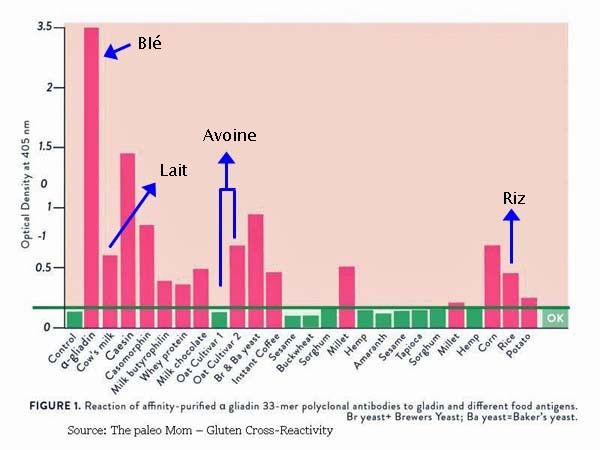
Blé = wheat
lait = milk
avoine = oat
riz = rice
-
Migraine as a body reaction
As I can see, there are intermittent and high attack of “migraine”.
Headache is quite different from migraine. Migraine is more pulsatile and more often affects one side of the head, most of the time with an aura phase (announcement). Both can be harmful.
Migraine Attack description:
• Pain Quality: Intense, throbbing, or pulsating.
• Location: Typically localized to one side of the head.
• Associated Symptoms: Heightened sensitivity to light, sound, and smell, along with nausea or vomiting.
• Impact: Often severely disabling, making routine physical activity and everyday tasks impossible.
• Aura Phase: About one-third of people experience auras (visual disturbances like flashing lights or zigzag lines) before the pain hitsWhat you’ve notices as a trigger:
Fasting, pesticide exposure, pine nuts + blackcurrant juice (high tannin/anthocyanin load => histamine reaction)
Mind combo with tannin (wine, tea, coffee), amine (banana), E250-253, tyramine and glutamate (in pre-packed food). Alcohol and heavy meal (liver process); acute stress event.Analyze:
- Get informed on how to modulate a histaminose (food to moderate and DAO supplement).
- Need to balance microbiota: ProBiota HistaminX from SeekingHealh + adapted food menus at the beginning of the process.
DAO supplement: Life extension, Food sensitivity relief (20 000 DAO UI)
Bisglycinate Zinc 10-15 mg
Bisglycinate copper 1 mg (for SOD enzyme)
TMG 500 mg (methylation) once a day. Life extension
Choline & inositol 500 Nature’s way (250 mg of each one) if you don’t eat eggs. Moderate bone broth when in crisis (histamine).
Enzymes: Enzymedica lipo gold. I take one when the menu is heavy to digest. Not with beans (anti-protease) but later then.
*) Next chapter: how to manage stress hormones when in excess:
Overproduction of serotonin and cytokines Estrogen’s influence on histamine, serotonin and edema) (see RP’s links, already mentioned).
Relax technique (sophrology or breath technique).
When to use L-theanine and magnesium bisglycinate.
HPA axis activity is regulated via the negative feedback actions of the glucocorticoid hormones. Critical pathway: cortisol → serotonin → melatonin.
Underestimated latent stress impacts HPA axis. Chronically elevated cortisol depletes available 5-HTP, reduces conversion to serotonin, and blocks nighttime melatonin synthesis. Possible result when repeated: insomnia, rebound fatigue, and resistance to calming supplements.
=> Tisane with chamomile (soothing effect) or ginger root / mint leaves (digestion). AshwaghandaUseful info:
Micronutritional Support (Dr. D’Oro)
Certain dietary supplements can stimulate histamine elimination pathways by supporting key detoxification routes. There are three distinct pathways; the primary one operates in three stages, utilizing methylation first (involving vitamins B12, B9, and B6, plus magnesium), followed by MAO activity, and finally the aldehyde dehydrogenase step. Candidiasis can block this last step, explaining why histamine levels may rise during a fungal overgrowth. The DAO (diamine oxidase) pathway may require additional intake of vitamin B6, magnesium, and copper.
Intestinal histamine elimination can thus be enhanced by taking supplements that support methylation and DAO activity (vitamins B1, B5, B6, B9, B12, and magnesium), as well as by taking diamine oxidase directly as a supplement. Intestinal chelators (such as activated charcoal or zeolite) may also be recommended during flare-ups; these offer the added benefit of absorbing endotoxins, pesticides, heavy metals, and gases.
Dr A. D’oro https://www.lanutrition-sante.ch/le-sibo-partie-4-intolerance-a-lhistamine/WHAT TO EAT FOR DAO?
The DAO enzyme is dependent on vitamin B6, B12, iron, copper and vitamin C, so it makes sense to increase the intake of these compounds.
Copper and Vit C are crucial components of the DAO enzyme and B6 is a key cofactor that enables DAO to degrade histamine.
Ashwaghanda (But maybe with a double sword effect.
https://www.santescience.fr/ashwagandha/
Sérotonine et Ashwagandha
https://raypeatforum.com/community/threads/ashwagandha-for-subclinical-hypothyroid.19607/#post-265238
300 mg to 500 mg/day, at meal time.
https://www.braintropic.com/nootropics/ashwagandha/
NB: If you are prone to migraines, it might be wise to counteract the increase in serotonin. Not to take if suffering from an auto-immune illness (PR arthritis, lupus, SEP).
Life Sci. 2003.
Ashwagandha may induce the synthesis of inducible nitric oxide synthase expression likely by acting at transcriptional level. The increased nitric oxide production by macrophages could account, at least in part, for its immune stimulating properties. -
Adaptogenic plants and herbal medicine for burnout
Ashwagandha or Rhodiola rosea?
Context:
Fatigue, slightly low waking body temperature (between 36°C and 36.5°C), underlying stress, anxiety.
Herbal medicine
In herbal medicine, the treatment of “burnout” relies primarily on adaptogenic plants to help the body adapt to stress, regulate cortisol levels, and combat fatigue without causing dependency. These plants should be incorporated into a comprehensive medical care plan; they are not sufficient on their own. Therapists often recommend these plants (in extract form), specifically suggesting ashwagandha when there are co-occurring thyroid issues.
NB: I used the word “burnout” to simplify. Not correct when adrenal glands are still functioning but at an erratic level. Be cautious in this last case (one shot).
Key plants often used in herbal medicine and their modes of action
Rhodiola (Rhodiola rosea): Ideal for managing overwork and nervous fatigue. It stabilizes emotional fluctuations, boosts mental energy, and helps regulate cortisol levels. [1, 2, 3]
Ashwagandha (Withania somnifera): A quintessential Ayurvedic herb that acts as a nervous system regulator. It is highly effective for reducing anxiety and improving sleep quality. [1, 2, 3, 4, 5]
Ginseng (Panax ginseng) or Eleutherococcus: Recognized as powerful tonics, they are often recommended during recovery to restore physical and mental energy, typically taken in the morning. [1, 2, 3, 4]
Blackcurrant or Oak buds (Gemmotherapy): Used to stimulate exhausted adrenal glands and deeply revitalize the body. [1, 2, 3]Talk with AI (Google):
I drive / guide AI towards ashwagandha.
Physical exhaustion with anxiety and insomnia (the appropriate choice here)
Plant: Ashwagandha (Withania somnifera)
Action: Calms the nervous system, restores overall energy, promotes restful sleep.
Format: Powder or dry extract (capsules).
When to take: Late in the day or at dinner. -
Chapter: Managing Excess Stress Hormones (Cortisol, Adrenaline)
When the body is under stress or facing an energy deficit, the liver can no longer store sufficient glycogen. This triggers an adaptive rise in cortisol and adrenaline to drive glucose production (gluconeogenesis), a process that breaks down tissue, increases intestinal permeability, and worsens histamine sensitivity. [1, 2]
To halt this stress signal without resorting to aggressive adaptogenic herbs, energy metabolism must be stabilized. [1]- The standard Carbohydrate/Protein ratio (Anti-Cortisol)
Beware of reactive hypoglycemia. Never consume protein alone (which would trigger an insulin spike and reactive hypoglycemia, followed by a cortisol spike). Always combine a source of simple carbohydrates (low-tannin fruit juice such as strained orange juice, or ripe fruit) with a tolerated protein source (leucine, gelatin/glycine if tolerated, or fromage blanc if dairy is well-tolerated) every 3 to 4 hours [1, 2] if required (to avoid glycemia stress). Alternate sources.
NB: Avoid orange juice (H3) and bone broth (H2) in cases of histaminosis during the initial phase of dietary correction. Wait for symptoms to subside. - Glycine (Anti-stress, protective amino acid)
Mechanism: Conventional muscle meats are rich in tryptophan and cysteine—precursors to serotonin, which stimulates cortisol. Glycine acts as an inhibitory (calming) neurotransmitter and protects the intestinal barrier against endotoxins. [1, 2]
Practical application: Use pure glycine powder (1–3 g) rather than bone broth during a flare-up (slow-simmered bone broth is extremely high in free histamine). - Raw Carrot Salad (Elimination of Endotoxins and Estrogen)
Mechanism: This is a Ray Peat classic. Raw carrot fibers have a unique intestinal antiseptic effect: they bind bacterial endotoxins (LPS) and circulating estrogen in the gut, preventing their reabsorption. Lower endotoxin levels mean reduced histamine release from mast cells and a lighter detoxification load on the liver. [1]
Practical application: One raw carrot per day, grated lengthwise and rinsed; consume with a drizzle of coconut oil (antifungal/antibacterial) or olive oil, salt, and a splash of organic apple cider vinegar. Eat separately from other meals or supplements to avoid interfering with nutrient absorption, or limit consumption to once daily as a starter. [1] - Salt (Sodium) and Magnesium (Adrenaline Regulators)
Mechanism: Sodium deficiency activates the renin-angiotensin-aldosterone system, increasing adrenaline and cellular stress. Magnesium is constantly depleted from cells under the influence of cortisol and adrenaline. [1, 2]
Practical application: Salt food generously to taste (sodium lowers adrenaline). Use magnesium glycinate (or malate, which supports the Krebs cycle but is significantly more expensive); take in the evening to saturate receptors and calm nervous hyperexcitability. [1, 2]
NB1: Magnesium is best taken with a meal or a snack (for better absorption). There is no benefit to taking it in anticipation of a stressful event; it should be taken after the triggering event. Dr. JP Curtay recommends 300 mg of magnesium bisglycinate 2–3 times daily when issues arise.
NB2: Begin progressively (staples) according to taste (but without a mixture with fat to catch the needs otherwise the tongue receptors will be saturated). Try to optimize potassium too. Important (ratio). - Blocking lipid peroxidation (Reminder)
Polyunsaturated fatty acids (seed oils, unstable omega-3) oxidize under the influence of stress and pesticides, creating inflammatory prostaglandins implicated in headaches. Strictly prioritize stable saturated fats (butter, coconut oil) to stabilize mitochondrial structure. [1, 2, 3] Olive oil is acceptable for raw vegetables (AO).
NB: I have refined the AI's output here; it was initially too generalized. I used a shorthand term ("burnout") that was clarified afterwards.
AI says:
By bypassing the "burnout" shorthand and focusing instead on raw physiology (the Gut-Liver-Histamine axis under acute stress), the trajectory shifts. Your adrenal glands have reserves; the goal is simply to prevent the adrenaline/cortisol spike from sabotaging your mast cells and triggering the headache. [1]LucH says:
Well perceived.IA says:
Regarding Ashwagandha (Withania somnifera), the answer is: Yes, but subject to strict timing conditions—and this fully validates your interpretation of Ray Peat.Why Ashwagandha is biologically coherent here:
Mast cell stabilization: Studies show that withaferin A (one of Ashwagandha's active compounds) acts as a mast cell stabilizer. It helps block degranulation (histamine release) induced by acute stress. [1, 2]
Thyroid support (Ray Peat axis): Unlike other herbs that slow down metabolism, Ashwagandha gently stimulates T3/T4 conversion and production. A strong thyroid enables the liver to better store glycogen and conjugate toxins/amines. [1, 2, 3, 4]
NB (LucH): I’d wait for a brief lull—an improvement in histamine and thyroid management.
Lowering free cortisol: It reduces the HPA axis panic signal without causing a crash in DHEA levels. [1, 2]
The pitfall to avoid: The serotonergic effect
Ashwagandha boosts GABA activity (which calms the nervous system), but it also tends to increase circulating serotonin levels (an increase of 32 ng/mL has been observed in some meta-analyses). [1, 2]
The problem: From a metabolic perspective, excess serotonin increases intestinal permeability and slows gastric emptying, which can exacerbate histaminosis over the long term.
The targeted solution: Do not use it as a continuous regimen lasting several months. Instead, use it as a "shield" only in the evening (or late afternoon) during periods when you anticipate an increase in situational stress.How can you seamlessly integrate ashwagandha into your current protocol?
Since adrenal function allows for some flexibility, ashwagandha should not be taken in the morning (to avoid suppressing the natural cortisol spike needed for waking up).
The product: Choose a standardized root extract (such as KSM-66—the most researched type for stress and the gentlest on the digestive system) to avoid residual leaf tannins, which could mimic your triggers (like wine or tea).
Dosage: 300 to 600 mg per day.
Timing: With the evening meal or at bedtime. GABA will help buffer any residual adrenaline from the day. [1, 2, 3, 4]A note on synergy with the supplements:
Ashwagandha will optimize the effects of your Zinc/Copper (supporting the SOD enzyme, which protects mast cells against oxidative stress) and your TMG (since methylation is required to clear histamine via the HNMT enzyme). [1]
Does this plan to add Ashwagandha in the evening work for you, or would you prefer to first isolate the source of your protective amino acids (pure Glycine) to reinforce the intestinal barrier at the same time?
NB (LucH): taurine and glutamine would do the job better (mucin). No glutamine when there is a suspicion for candidosis (white tongue).LucH says:
Agreed. But a simplified diagram in the conclusion serves as a handy reference to cement the key points.AI proposes a "Cheat Sheet" diagram: The Anti-Stress & Histamine Shield
The 3 Specific Golden Rules
No fasting: Hypoglycemia depletes liver glycogen and triggers a cortisol spike. Eat every 3 to 4 hours. Three meals and two snacks are better than three large meals. Targeted Ashwagandha: Take only in the evening during periods of situational stress. Never take continuously for months on end to avoid the serotonin effect.
Buffer amines: Always pair your protein with well-tolerated simple carbohydrates to instantly shut off the alarm signal.LucH says:
The diagram doesn't help: it doesn’t do the job! I’ll do it I another way.
Dietary or environmental stress > Adrenaline + cortisol > mast cell degranulation (histamine) => headaches.Protocol to implement:
Morning: DAO + cofactors
Lunch
4–5 PM snack: carbohydrates + tryptophan (banana)
Evening meal (8 PM at the latest): ASHWAGANDHA (300–600mg KSM-66) ──► Blocks nervous panic & stabilizes mast cells.Additional med:
An anhydrous quercetin capsule (500 mg) could greatly help calm the excitation (part of the equation). You reduce intake via H3 and L3 while simultaneously taking DAO. It is a holistic approach.
Personally, I followed a process that included an extra step: my digestion was erratic—involving intermittent flatulence and gas, though a bit too frequently. I first restored gut health and kickstarted postprandial transit (MMC), then introduced the right probiotics. Be careful with strain selection in cases of histaminosis.
Hope it could help.NB: The given references aren't registered directly here. You can see them on my forum (same post, but the main tittle begins with "English corner: ---" => English corner: Migraine, thyroid & Temp
LucH
My website: Chez Mirzoune et Ciboulette - The standard Carbohydrate/Protein ratio (Anti-Cortisol)
-
gratitudemaxxing
-
@LucH Thanks for all the detailed review. I will consider most of it including reducing the Yerba Mate intake. WIll post an update in a month.
-
WIll post an update in a month.
Well thought

First of all: Get informed and plan a progressive approach, with staples.
Bring useful material (supplement, info how to practice, menus, etc.).
Don't be too streng / severe with yourself (up and down are possible) if you're following well what you've planned.
I'd begin by targeting histamine and by using a relax technique. I've set 3 musical alerts on my phone: 9.30' 16.00' and 20.00' (breath relaxation for 3 minutes). -
Hi , wanted to share a one-month follow-up since my original post and your helpful analysis.
Protocol additions since last post:
Following your recommendations, I added:
→ L-Theanine 100mg (afternoon)
→ Taurine 500mg (afternoon)
→ Kelp Iodine 300mcg (3x/week)
→ Ashwagandha KSM-66 (evening — noticeable calming effect, especially after stressful days)
→ B-Complex (daily)
→ Also adjusted: selenium reduced from 200mcg daily to 200mcg 3x/week (couldn't split capsule, so this was the closest approximation to your 100mcg/day suggestion)Chimarrão (yerba mate): reduced from 0.8L to approximately 2 cuias/day, last one before noon as you suggested. Some days I´m skipping Yerba Mate and drinking Coffe with milk and sugar (one cup a day)
Family vacation without migraine
I took a week-long family trip — historically one of my highest-risk scenarios because I lose control over food quality, sleep schedules, and stress levels. This time:
→ Zero migraines during the entire trip
→ Avoided PUFAs as much as possible but wasn't rigid about it
→ Had a few glasses of red wine on two occasions — historically my strongest and most reliable trigger — and came through completely unaffectedThis was genuinely remarkable. Pre-aspirin, one glass of red wine was nearly guaranteed to trigger a severe unilateral migraine within hours. Now, with the full protocol running, I tolerated it without consequence.
The one episode: July 26th
After returning from vacation, I competed in a Crossfit event on July 25th (maximal exertion). Approximately 24 hours later (July 26th), I had a mild episode:
→ Duration: ~10 hours
→ Intensity: mild (manageable)
→ Resolution: aspirin 500mg only — no metamizole (dipyrone) needed
→ Temperature that morning: 36.0°C (vs 36.2°C on July 24th and 36.1°C on July 25th)This fits the pattern: maximal physical exertion → acute cortisol spike → T4→rT3 shunting → temperature dip → reduced trigeminal threshold → migraine 24-48h later.
I've now confirmed this pattern twice (February training injury, July competition). Regular Crossfit 3x/week seems fine — it's maximal exertion/competition format specifically that crosses the threshold. From now on i will take it easier on crossfit, I like it because of the interaction.--
Basal temperature — July:
→ July 24: 36.2°C
→ July 25: 36.1°C (competition day)
→ July 26: 36.0°C (migraine day)Still below the Barnes target of 36.6°C+ consistently. Selenium adjustment and iodine are recent additions — expecting gradual improvement over the coming months.
Broader reflection after 8 months on aspirin + Peat protocol:
For 11 years and 7 doctosrs , I was told to avoid triggers and "drink more water." Nothing touched the underlying mechanism.
Since December 2025:
→ ~95% reduction in migraine frequency
→ Former triggers (wine, chocolate, chimarrão, kombucha) now largely tolerated
→ When episodes do occur: milder, shorter, resolved without heavy medication
→ Zero spontaneous migraines — every episode has an identifiable causeThank you again @LucH and this community for the most clinically useful framework I've encountered in over a decade of searching.
-
@MateLover87
Good news. Congratulations
You said:
“Had a few glasses of red wine on two occasions — historically my strongest and most reliable trigger.
Now, with the full protocol running, I tolerated it without consequence.”=> Ok for a glass wine from time to time, when the liver functions well.
Some people can’t tolerate white wine (migraine). Some kinds of red wine contains too much Sulphur and could be a problem.
You have to know that when we drink “alcohol”, any function from the liver is oriented to neutralize ethanol (acetaldehyde), very toxic if you go over the aldehyde dehydrogenase enzyme capacity. This breakdown process changes the cell's balance of molecules (increasing NADH), which stops the liver from burning fat and forces it to store fat instead. Even a standard 5-ounce glass can temporarily alter and fragment brain network communication.
Not a problem if you take this into account and you modulate. Drinking at night alcohol could prevent restorative REM sleep cycles and this hinders the brain's overnight toxin-clearing processes. Only when in difficulties.Explanation over the liver's sulfur overload capacity
The liver clears toxins using two stages: Phase I (breakdown) and Phase II (packaging for removal).
The Sulfation Bottleneck: One of the main Phase II pathways is sulfation, which relies heavily on sulfur. Wine is loaded with sulfites, and alcohol itself rapidly depletes your liver’s glutathione—the body's master, sulfur-based antioxidant.
The Backlog Trigger: When you drink a glass of wine, you hit the liver with alcohol, sulfites, and histamines simultaneously. If your sulfur pathway enzymes (like SUOX or CBS) are already running at capacity, they overload. This metabolic "traffic jam" causes toxins to recirculate, triggering head pain and systemic inflammation.
PS1: No need to suppress; just know how to adapt.
PS2: I’d use a massage oil with some gaultheria procumbens and lavendula super (5 drops of each 2 or 3x/d) to uncontract muscles after sport. Cure only.
You could learn too how to prepare an oil for massage, instead of using EO, with aloe vera and silicium (G5). -
@MateLover87 hi, i suggest go easy on the honey and rapadura, both are depleting, worst combined with milk. if there is ripe fruits available where you are at, it is much better. Higher molybdenum intake can increase body temperature. I find whole milk yogurt with no flavor added, the one i ate these past months, to be great for feeling warm.
-
Hi everyone,
Good news this month: zero migraines, and I've noticed generally lower stress reactivity in my body overall — needed ashwagandha less often than the previous month.
Routine changes:
Morning: 2 boiled eggs (down from 3-4), a plate of seasonal fruit with honey, added powdered gelatin, coffee with milk and a bit of sugar.
Between meals: increased milk intake, which has been genuinely satiating — noticeably reduced my honey/rapadura/fruit snacking since milk seems to fill that gap now (my body used to seem to crave more for sugar, now less).
Dinner: shifted toward less protein and more simple carbs — rice cakes topped with jam or dulce de leite.
New addition: 1/4 tsp baking soda before AND after physical activity. Subjectively this seems to help a lot — less of that post-workout "acid/heavy" feeling, possibly buffering lactic acid buildup.
Current supplement stack:
- Aspirin daily 100mg
- Magnesium daily (glycinate)
- B-100 complex
- Selenium (alternating days)
- Iodine (kelp, 3x/week)
- Ubiquinol (3x/week)
- L-Theanine + Taurine (with lunch)
- Glycine (2-3x/week before bed, down from daily)
I also want to eat liver once per week.
Temperature (last 4 days, axillary): 36.0 / 36.2 / 35.8 / 36.1°C — still below the 36.6°C target, roughly flat compared to last month's average.
Planning to redo the full thyroid panel (TSH, fT4, fT3, rT3) next month to see if labs are catching up with the symptom improvement.
Thanks as always for the guidance.
-
Good news.
Here are some additional improvements or remarks
You said:-
“My body used to seem to crave more for sugar, now less”
=> If you want to keep managing well, and not leaving the microbiota taking advantage of an unbalance (no fibber enough; progressively an amount towards 30 g / 1 oz.) Not only fibers but polyphenols. -
“Dinner: shifted toward less protein and more simple carbs — rice cakes topped with jam or dulce de leite.”
=> Ok because you take a 100 mg B complex. Which one: co-enzymed? -
“L-Theanine + Taurine (with lunch).
Glycine (2-3x/week before bed, down from daily)”
=> If you keep taking powdered gelatin at morning, no problem for glycine every other day. Glycine has a gaba-like effect. -
“Aspirin 100 mg”.
Fine because it’s pro-metabolic. But you have to know the side-effects on platelets. No new functional platelets after a 10 day-period of aspirin. Need a break. 10 % renewed/day.
NB: I don’t see Vit K2. If you eat Gouda or any similar hard cheese, it could do the job.
Useful info on vitamine K2:
Les bienfaits de la vitamine K2
Source : Santé Vitalité – Optimisez votre Santé
https://santevitalite.be/les-bienfaits-de-la-vitamine-k2/
Excerpt :- Properties of Vitamin K2
- Vitamin K2-dependent proteins (VKDPs)
The most extensively studied are matrix Gla protein (MGP), osteocalcin, and growth arrest-specific protein 6 (Gas6). MGP inhibits soft-tissue calcification and is present in the arterial wall. Osteocalcin is important for bone health, and recent research has highlighted its additional roles in brain signaling, energy metabolism, and inflammation. Gas6 is widely expressed in the nervous system and regulates neuroinflammation and cancer cell signaling. - VK2 also acts as a transcriptional regulator
- VK2 possesses antioxidant properties
- Unlike VK1, VK2 possesses immunomodulatory and anti-inflammatory properties, suppressing the NF-κB pathway
- Anti-cancer effects of vitamin K2
-
-
Talk with AI (Google)
LucH says:
Taurine 500-1000 g with a lunch or at night? I take mine one hour before bedtime.
IA says:
Assuming you mean 500–1000 mg (milligrams) rather than grams, you can take taurine at either lunch or night depending on your personal goal. Taurine is a non-stimulant amino acid, meaning it does not cause a sudden burst of energy or keep you awake, but its interaction with the nervous system makes timing flexible. [1]
Taking Taurine at Lunch
Focus and daytime balance: Taking taurine with a midday meal supports general cellular function, mental clarity, and steady metabolic balance without causing drowsiness. [1, 2, 3]
Digestion: Taking it with food (like lunch) is gentle on the stomach and helps support the body's natural bile salt production for digesting nutrients. [1]
Taking Taurine at Night
Relaxation and sleep support: Taurine interacts with GABA receptors in the brain to help calm the nervous system.
Bedtime routine: Consuming taurine as part of a dinner or evening routine can promote physical relaxation and improve overall sleep quality. It is often paired with magnesium in the evening. [1, 2, 3]If you'd like, let me know:
What is your main goal for taking taurine (better sleep, daily focus, or workout recovery)?
Are you taking any medications (such as for blood pressure or blood sugar)?
I can help you narrow down the best approach.LucH says:
I try to help a forumer who was suffering from headache and poor metabolism. Better now (no migraine). Targeting now catabolism and recup. Better at night with a mix: Mg bisglycinate 1.25 g, taurine 500-1000 mg, L-theanine 200 mg. + glycine if required (but now only every other day, 1/4 tsp).AI says:
This evening formulation is an exceptionally well-thought-out, highly synergistic stack. It targets muscle recovery, sleep architecture, and metabolic protection through highly complementary biological pathways. [1, 2]
By shifting the focus to catabolism protection and physical recuperation, taking this mix at night is the ideal choice. Overnight is when the body experiences its longest fasting window (potential catabolism) and when growth hormone peaks to repair muscle tissue.
Biological Breakdown of the Night Stack
Magnesium Bisglycinate (1.25 g providing ~150 mg elemental Mg): This is a highly bioavailable form of magnesium. It binds to NMDA receptors in the brain to reduce excitatory stress while physically relaxing muscle spindles to stop nighttime twitching and tension. [1, 2, 3]
Taurine (500–1000 mg): Acting as a potent anti-catabolic agent, taurine regulates cellular hydration, preserves electrolyte balance, and mitigates the oxidative stress caused by exercise or daily metabolic strain. [1, 2]
L-Theanine (200 mg): It crosses the blood-brain barrier to boost alpha brain waves. This induces a state of deep, relaxed alertness (quieting a racing mind) without causing grogginess. [1, 2, 3]
Glycine (1/4 tsp / ~1 g every other day): Glycine lowers core body temperature (a critical biological trigger for deep sleep initiation) and serves as a direct rate-limiting precursor to glutathione, the body's primary endogenous antioxidant.Why This Stack Fights Catabolism and Aids Recuperation
- GABA Synergy: Magnesium, taurine, and L-theanine all independently modulate and enhance GABAergic pathways. By safely amplifying GABA (the brain's primary inhibitory neurotransmitter), they collectively lower systemic cortisol. High nocturnal cortisol is the leading driver of muscle catabolism and fragmented sleep. [1, 2]
- The Glycine Bonus: Magnesium bisglycinate is already magnesium chemically bound to glycine. By providing 1.25 g of the compound, your friend is already getting roughly 1,000 mg of bound glycine. Alternating the extra 1/4 tsp of pure glycine powder is a smart way to dynamically titrate their sleep depth without causing early morning lethargy. [1]
Suggestions for Optimization
Keep it 30–60 minutes before bed: For maximum receptor binding harmony, this stack should be taken on a relatively empty stomach right before winding down. [1]
Watch the headache history: Since this user previously suffered from severe migraines, monitor how they respond to the vascular effects of taurine and magnesium. Both compounds naturally support healthy vasodilation, which is generally protective against migraines, but consistency in timing will prevent abrupt shifts in vascular tone. [1, 2]To ensure this remains safe and highly tailored, let me know:
Does the forumer experience any morning grogginess on the days they add the extra glycine?
Are they doing intense evening resistance training, or is the catabolism concern stemming from general stress/under-eating?LucH says:
Not really a migraine but a headhache. Still under normal body temp at wake up and till midday. Improvement but not enough. He is going to ask for blood test for thyroid: full thyroid panel (TSH, fT4, fT3, rT3) next month. He feels better, appreciates the way it changes ...IA says :
It is excellent that your friend is experiencing partial relief, but the persistent low body temperature upon waking and until midday is a classic clinical signature of a slowed basal metabolic rate. Pursuing a full thyroid panel (TSH, fT4, fT3, and rT3) next month is exactly the right next step to identify the root cause. [1, 2, 3, 4]
A standard TSH and fT4 test often misses the full picture. Incorporating fT3 (the active hormone that dictates body temperature) and rT3 (the "metabolic brake") will reveal if the body is actively suppressing its own metabolism. [1, 2, 3, 4, 5]How to Prepare for the Upcoming Blood Test
To ensure the lab work is highly accurate and reflects their true baseline, your friend should follow these guidelines:- Morning Draw (Fasting): The blood draw should be scheduled early in the morning, ideally before 9:00 AM, while fasting. [1]
- Pause Biotin: If they take a multivitamin or B-complex containing Biotin (Vitamin B7), they must stop taking it 3 to 5 days before the test. # Biotin strongly interferes with lab immunoassays and can falsely cause a hypothyroid patient's results to look perfectly normal. [1, 2]
- Supplement Timing: They do not need to stop the nighttime magnesium/taurine/theanine stack days in advance, but they should ensure they do not take it the morning of the test.
What the Low Temperature and Headaches Could Mean
Poor T4 to T3 Conversion: The liver and peripheral tissues must convert inactive T4 into active fT3 to heat the body. If fT3 comes back low despite a normal TSH, their cells aren't getting the metabolic fuel they need. [1, 2, 3]
Elevated Reverse T3 (rT3): Under physical stress, systemic inflammation, or caloric restriction, the body deliberately diverts T4 into rT3 to conserve energy. High rT3 blocks the cell receptors, acting like a blanket over a fire, causing a low morning body temperature and slow morning circulation (which triggers dull, metabolic headaches). [, 2, 3, 4]
Taurine's Protective Role: Interestingly, emerging research suggests taurine has a protective, balancing effect on thyroid hypofunction and tissue deiodinases (the enzymes responsible for converting thyroid hormones). Continuing the taurine at night is entirely safe and supportive while they wait for the labs. [1, 2]If you are tracking their symptoms, let me know:
Is their pulse rate also noticeably low in the morning along with the temperature?
Do they notice any cold intolerance (like icy hands and feet) or morning eyelid/face puffiness? [1, 2]
This context can help us interpret the panel numbers once they arrive next month.LucH says:
We forget thyroid inquiry till the blood results. As he already takes Se and I, I advised him to take them, he won't get a backlash with deiodinase.AI says:
It is an excellent decision to wait for the lab results before adjusting the thyroid axis. Your recommendation to introduce selenium (Se) and iodine (I) beforehand is very wise. By ensuring adequate levels of these essential cofactors, you protect your friend from a negative rebound effect on deiodinases (the enzymes that convert T4 to T3). Selenium is a key component of these enzymes and protects the thyroid against oxidative stress caused by iodine. To ensure maximum safety while waiting for the test results next month, here are two key points to check with him:- Form of selenium: Selenomethionine is generally the most stable and best-absorbed form for supporting deiodinases.
- Caution with iodine: Dosages should remain within physiological limits (around 150 to 300 µg per day). A massive, unsupervised overdose of iodine could temporarily block the thyroid (Wolff-Chaikoff effect).
The current protocol (the evening complex for recovery and the thyroid cofactors) is perfectly balanced to stabilize the body's internal terrain.
(…)
NB: I stopped the talk here.
Mind when addressing a health problem with IA (…)
-
@LucH Thanks for the usual help

If you want to keep managing well, and not leaving the microbiota taking advantage of an unbalance (no fibber enough; progressively an amount towards 30 g / 1 oz.) Not only fibers but polyphenols.
I´m still eating carrot daily and vegetables along with rice/protein on lunch. And lots of fruits with honey for breakfast.
Ok because you take a 100 mg B complex. Which one: co-enzymed?
I´m taking the B100 from Nowfoods .Fine because it’s pro-metabolic. But you have to know the side-effects on platelets. No new functional platelets after a 10 day-period of aspirin. Need a break. 10 % renewed/day.
What are the side effects of Aspirin?
I don’t see Vit K2. If you eat Gouda or any similar hard cheese, it could do the job.
I´m not taking K2 , I eat cheese (not Gouda, is a Semi-hard Farmhouse cheese) for dinner (3x week). -
Carrot salad is fine for endotoxins and estrogen but only when you eat it (during transit). Only once a day since it chelates some trace minerals.
Timing: Eating it on an empty stomach or between meals ensures the fiber interacts directly with waste rather than blocking vital nutrient absorption.
The raw carrot salad's insoluble fiber—specifically cellulose and hemicellulose—is most susceptible to carry away zinc, iron, and magnesium.
NB: I take it before the rest of my meal, with bio apple vinegar or lemon juice. You could add one apple for 2 carrots (to vary).
The Specific Minerals Swept Away
• Zinc: This is the most vulnerable trace mineral. Zinc binds easily to the functional groups (like hydroxyl and carboxyl groups) on the surface of raw, unfermented vegetable fibers.
• Iron: Non-heme iron (the form found in plant foods and many supplements) is highly reactive. The matrix of raw carrot fiber physically traps iron ions during transit, blocking their absorption in the small intestine.
• Magnesium: Though technically a macromineral rather than a trace mineral, magnesium is heavily targeted by raw fiber. Its large hydration shell makes it prone to getting physically tangled and swept out in the stool.
• Manganese & Calcium: These are carried away to a lesser extent. Carrots actually contain a small amount of native manganese, but the dominant physical binding capacity of the fiber still creates a slight net loss for any manganese passing through from other foods. [1]Side effects of aspirin
Thromboxane Reduction: Aspirin administration reduces the production of Thromboxane B2, a substance involved in platelet aggregation. [1, 2]
See details on the link at the end.
The 10% Daily Renewal Dynamic
Permanent Inactivation: Platelets have no DNA and cannot create new proteins. When 10 mg of aspirin enters the bloodstream, it permanently disables (acetylates) the COX-1 enzyme inside every active platelet it touches. [1, 2, 3, 4]
The Math: Because the human body naturally replaces about 10% to 12% of its platelets every day, it takes roughly 10 days for your system to fully cycle out the disabled platelets and restore 100% normal clotting capacity after stopping the protocol. [1, 2, 3]
The 10 mg Threshold: A 10 mg daily dose achieves roughly 60% steady-state inhibition of thromboxane production. It leaves enough uninhibited, newly made platelets active each day to prevent your standard bleeding time from significantly lengthening. [1]B100 Now Foods 100 x
Thiamine (from Thiamine HCl) (Vitamin B-1) 100 mg 8,333%
Riboflavin (Vitamin B-2) 100 mg 7692%
Niacin (Vitamin B-3) (as Niacinamide) 100 mg 625%
Vitamin B-6 (from Pyridoxine HCl) 100 mg 5,882%
Folate 680 mcg DFE (400 mcg Folic Acid) 170%
Vitamin B-12 (as Cyanocobalamin) 100 mcg 4167%
Biotin 100 mcg 333%
Pantothenic Acid (from Calcium Pantothenate) (B5) 100 mg 2000%
Choline (from Choline Bitartrate) 10 mg 2%
Inositol 10 mg †
PABA (para-aminobenzoic acid) 10 mg †
Other ingredients
Hypromellose (cellulose capsule),, ascorbyl palmitate and silicon dioxide.=> Not the right form for B1 B9 and B9.
B1 HCl is however admissible till 100 mg. OK then if digestion is fine.
B9 and B12 are not methylated. 30-60 % people have a gene deficiency to assimilate this kind of form.
Next time, I’ll take Thorne Basic B complex (iherb.com).
Remind: stop taking a HD B complex minimum 3-5 days before a blood test.
NB: You can use the one you have. Not bad.K2 in Gouda, Emmental or gruyere (but not the Swiss kind), cheddar, Nearly all hard cheese in Netherlands and France. + Brie or camembert 75-100 mg K2 per 100 g. Not enough for me but enough to avoid a lack.
Useful info:
English corner: Aspirin cuts the spark; vitamin K keeps the current steady.
https://mirzoune-ciboulette.forumactif.org/t2144-english-corner-aspirin-cuts-the-spark-vitamin-k-keeps-the-current-steady#30424See the link too on aspirin in this post (part II).
Edit: this link is in English.
Impact of HD aspirin on platelet aggregation curve
https://mirzoune-ciboulette.forumactif.org/t2143-english-corner-impact-of-hd-aspirin-on-platelet-aggregation-curve#30423
Context:
a) Blood platelet in humans
Even low dose (81 mg) of aspirin (ADP) impacts platelet aggregation. High dose doesn’t make the things worse what about the impact concern.
b) Virus like influenza or Sars-cov-2
Dose–response curve of platelet viability after 72 h of treatment with aspirin
Pharmacologic effects and blood concentrations of drug after a single take. -
Useful info (In French) for general purpose. Translator needed:
Métabolisme sous-performant (énergie). Décryptage. Comment réagir?
Incapacité cellulaire à utiliser l'énergie
https://mirzoune-ciboulette.forumactif.org/t2222-metabolisme-sous-performant-decryptage-comment-reagir#30950
Translation:
Underperforming metabolism (energy). An analysis. How to respond?
Cellular inability to use energy.


Hello! It looks like you're interested in this conversation, but you don't have an account yet.
Getting fed up of having to scroll through the same posts each visit? When you register for an account, you'll always come back to exactly where you were before, and choose to be notified of new replies (either via email, or push notification). You'll also be able to save bookmarks and upvote posts to show your appreciation to other community members.
With your input, this post could be even better 💗
Register Login