Healthy alternative to chips
-
@Isaac What about sliced crunchy cucumbers? They are pretty clean.
-
@PranaDeva I like to snack on parmesan, pickled cucumber, raisins, apples, dried mango. A few sticks of parmesan is tasty and good for teeth. Dried fruit is tasty but not so good for teeth.
-
@PranaDeva yes they are tasty. Especially with alot of salt. But they are not dry. Some times the craving is for something crunchy salty savory and dry
-
@heyman said in Healthy alternative to chips:
@PranaDeva I like to snack on parmesan, pickled cucumber, raisins, apples, dried mango. A few sticks of parmesan is tasty and good for teeth. Dried fruit is tasty but not so good for teeth.
True. But okay if one remembers to rinse ones teeth afterwards
-
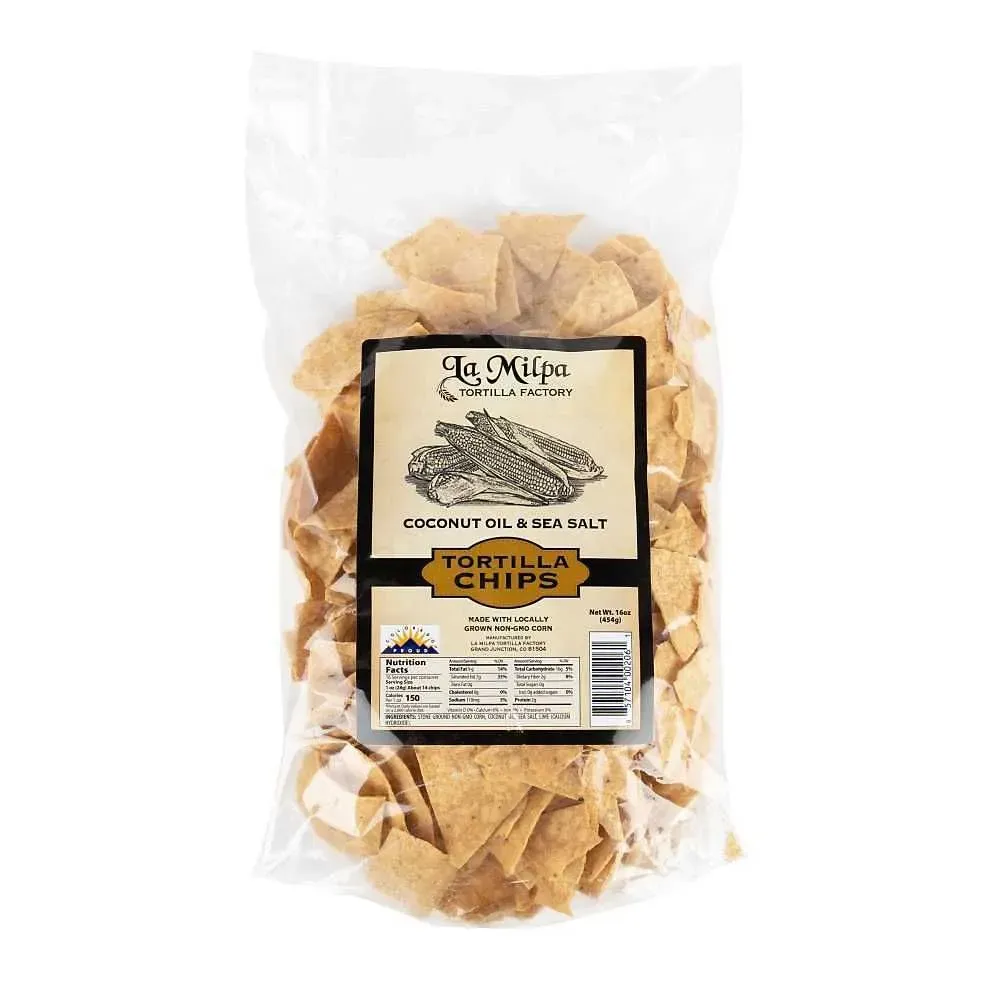
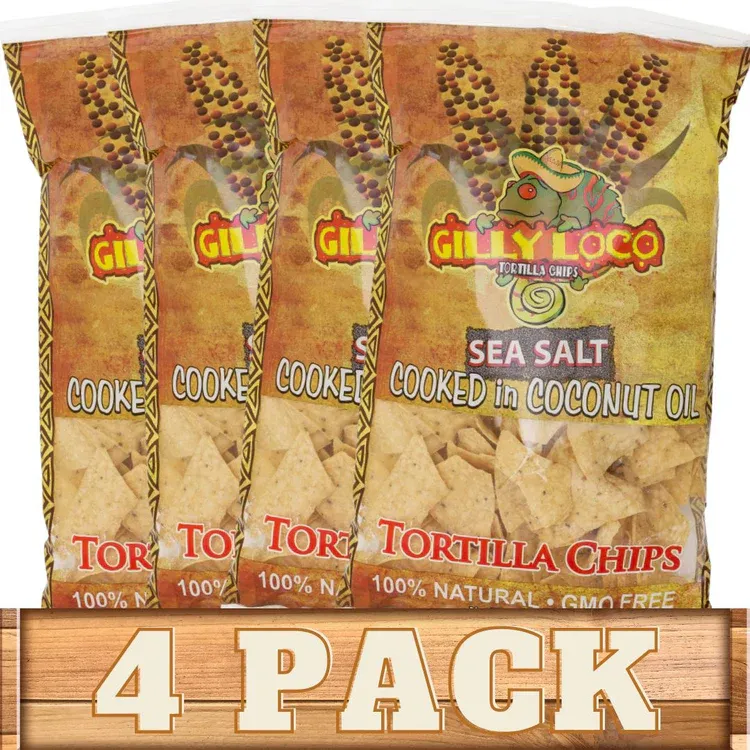
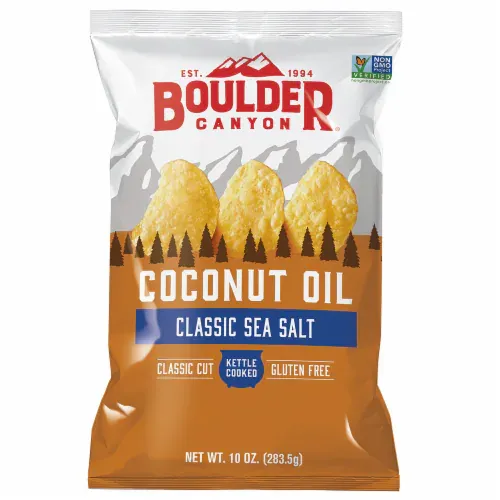

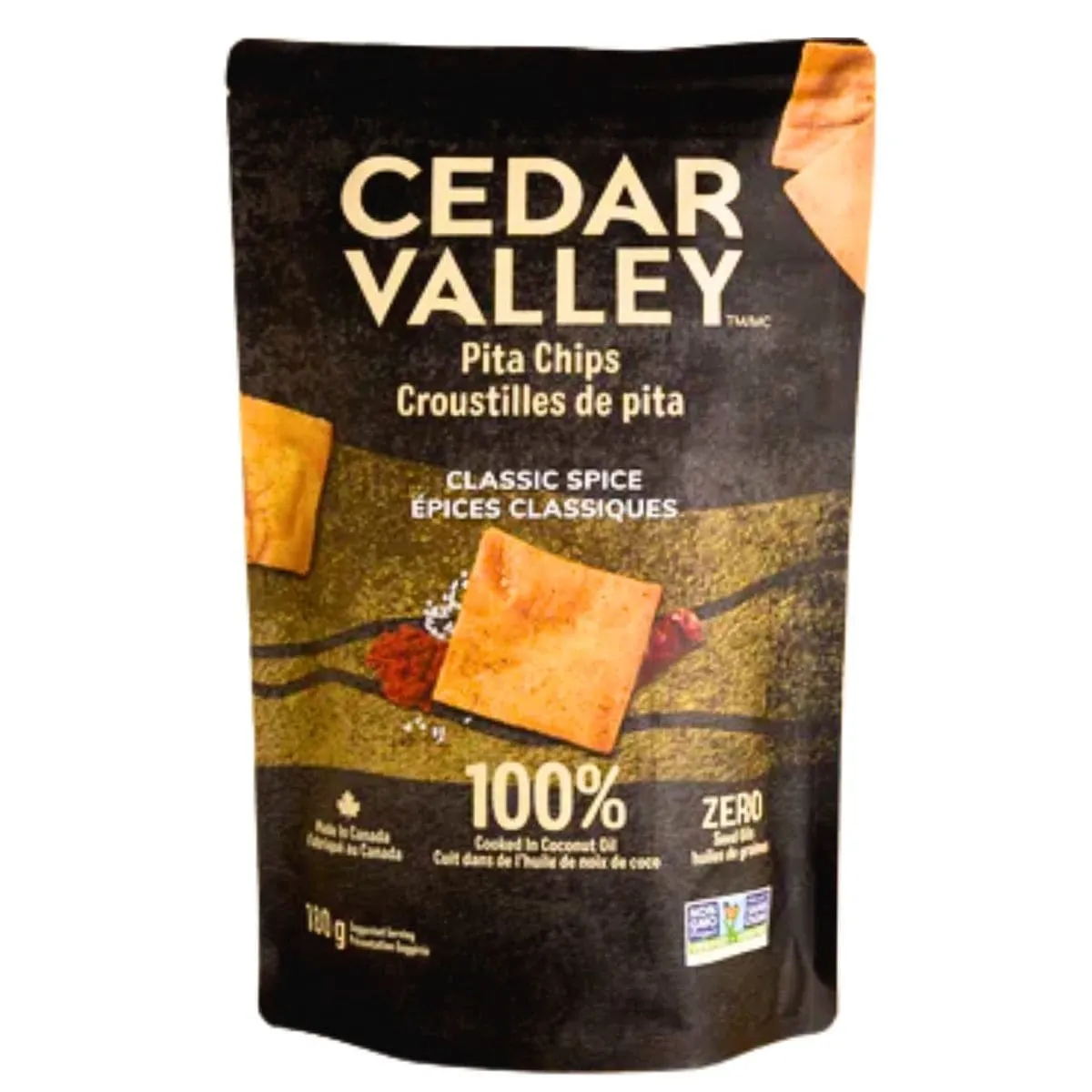
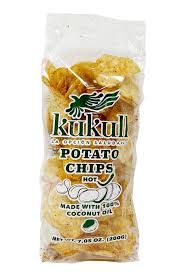
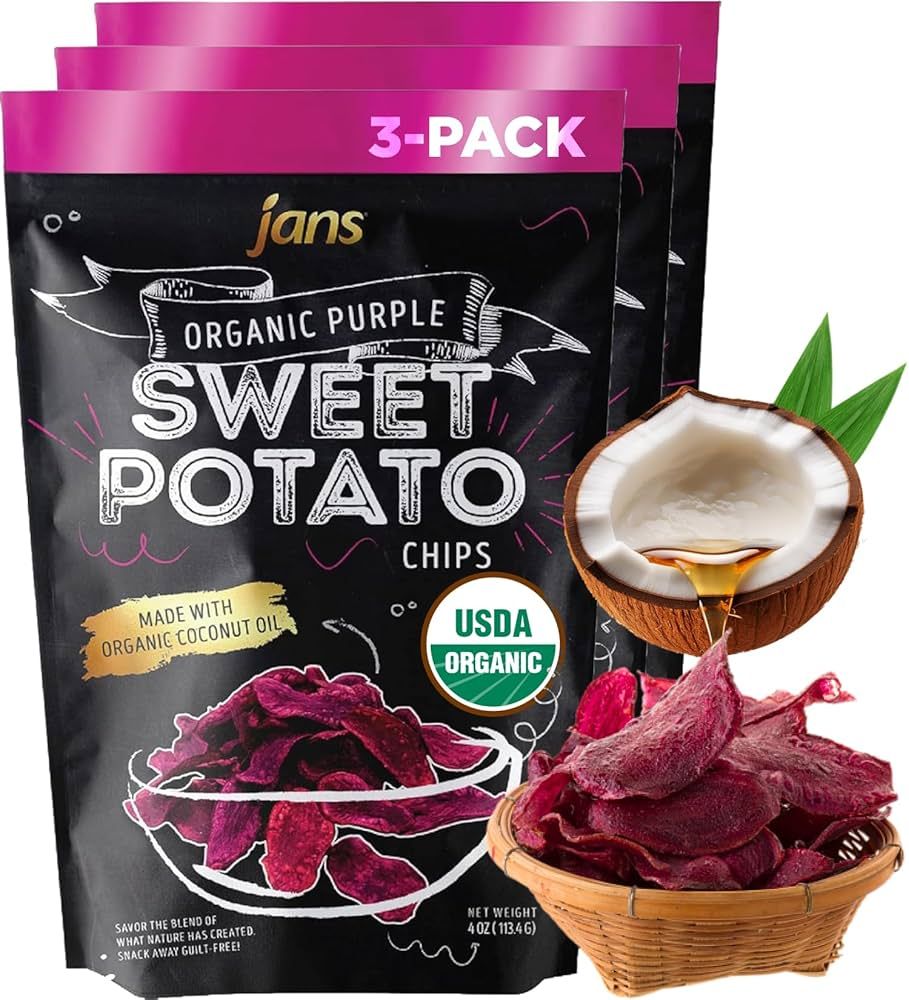
-
@wester130 nice thanks
-
@sunsunsun pork rinds except the pufa. They're so good though.
-
I buy authentic Mexican nixtamalized corn tortillas. Cut into 4s, bake in oven around 400F for about 10 min until crispy. Eat with salsa, yogurt or whatever dip you like.
-
Even if you avoid pufa from sunflower, usually used for frying (+/ 50% oil-containing), whatever the way to bake chips (baked in the oven still brings a high amount of PUFA, but it’s supposed to be much less, like 3 times less).
Role of Vitamin C in Acrylamide Formation
https://mirzoune-ciboulette.forumactif.org/t2171-english-cornervitamin-c-role-in-blocking-nitrosamine-formation#30615
NB: 2 parts: 1) Nitrites and nitrosamines in deli meat and manufactured food. 2) Asparagine and acrylamide in chips and bread.
Note I eat chips but not on a usual way even if I sometimes crave for…For the ones who come from Mars planet
 Useful info: Comparing the Two Scenarios
Scenario A: Mountain Orange (250-300g)
• Asparagine content in chips: A typical serving of chips (50g) can contain several hundred milligrams of asparagine. When fried, a portion of it may react to form acrylamide.
• Vitamin C in the orange: The 125-210 mg of vitamin C in a mountain orange will have some ability to reduce acrylamide formation, but it may be less effective than a higher dose of ascorbic acid. The absorption of vitamin C from a whole fruit may not be as rapid as from a supplement, so while it might provide some protection, it may not be entirely sufficient to prevent significant acrylamide formation.
• Effectiveness: Given the timing and lower dose of vitamin C, the mountain orange might reduce acrylamide formation by around 20-40% in the chips, but probably not more than that.Scenario B: 500 mg Ascorbic Acid Powder (5 minutes before meal)
Higher dose of vitamin A 500 mg dose of ascorbic acid is much more likely to have an immediate effect in the stomach, potentially neutralizing a higher amount of reactive sugars and asparagine, thus inhibiting the Maillard reaction more effectively. It would also increase the chances of reducing acrylamide formation in the chips.
Effectiveness: With the 500 mg supplement, the reduction in acrylamide formation might be higher, potentially in the range of 40-60%, assuming it’s consumed just before the meal. The high concentration of vitamin C would be more effective at disrupting the Maillard reaction and reducing oxidative stress during the cooking process, offering a better overall defense against acrylamide formation.See too (on the link)
a) Table for “Summary of Effects on Both Nitrosamine and Acrylamide Formation”
b) Spinach entering the nitrosation equation, especially in a mixed meal.Request for AI (gemini3)
Amount of oil absorbed by chips
a) usual cooking
b) baked in oven (Lays’ chips)
Based on dietary data and manufacturer specifications for Lay's, here is the breakdown of oil absorption and fat content for chips prepared via traditional frying versus oven baking.- Usual Cooking (Deep Frying)
Traditional potato chips are submerged in hot oil, which replaces the moisture that evaporates from the potato during cooking.
• Oil Content: Typically 35% to 45% of the final weight.
• Specific Amount: In a standard 100g serving of regular fried chips, there is approximately 33g to 35g of fat (often sunflower or vegetable oil).
• Oil Absorption per Chip: Because the chips are thin and have a high surface-area-to-volume ratio, they absorb oil throughout the entire structure as the water boils off. - Oven Baked (Lay’s Baked Chips)
Lay's Oven Baked chips are not made from whole sliced potatoes like regular chips; they are typically made from a dough of potato flakes and starches that is then shaped and baked.
• Oil Content: Approximately 12% to 14% of the final weight.
• Specific Amount: A 100g serving of Lay's Oven Baked chips contains about 13g to 14g of fat.
• Fat Reduction: According to Frito-Lay and USDA data, the baked version contains 65% less fat than the regular fried version.
o Note: While the forum context mentioned "50% less," the actual reduction in the commercial product is even higher (65%) because the baking process uses a light spray/coating rather than submersion.
Important Dietary Context: While the oil content (and thus PUFA content) is significantly lower in the baked version, these chips are often higher in carbohydrates (approx. 72g per 100g vs. 53g in fried) because the reduced oil is replaced by potato starches and flours to maintain structure and crunch.
In relation to your context about Acrylamide, baking at lower temperatures (around 150°C/300°F) can reduce acrylamide formation by up to 50% compared to high-heat deep frying, though commercial baking can still produce it if the temperatures exceed 170°C.
LucH comment: When not specifically mentioned (low-heat fried, I won’t take it into account).
Summary Comparison Table
Feature Usual Frying
(Regular Lay's) / Oven Baked (Lay's Baked)
Total Fat (per 100g) ~34g - 35g / ~13g - 14g
Percentage by Weight ~35% / ~13%
Cooking Medium Full oil submersion / Dry heat + light oil spray
Oil Source Sunflower/Corn/Canola / Sunflower/Rapeseed/CornOK, I know: I have to leave now. I won’t prevent some of you from driving into circles. But so, you won’t die like an idiot …
I know some smokers and those with insulin deficiency die after the age of ninety. It's a matter of genetics or the lottery, perhaps? It's up to you to decide, or even place a bet
We all have to die of something; so we might as well enjoy from the most of it, right!? (irony).
- Usual Cooking (Deep Frying)
-
How to manage:
Asparagin gives acrylamide
Be careful if you use almond flour/powder, and eat chips, and to a lesser extent almond cake, because almonds and potatoes are foods rich in asparagine. Heated above 120 and especially 130° C, asparagine transforms itself into acrylamide, toxic: It is a carcinogenic glycotoxin (120–130° C = 248–266° F).
Acrylamide is formed when asparagine, a natural amino acid, reacts with sugars, such as fructose or glucose. This reaction, however, only occurs if the cooking temperature reaches a certain degree, which varies depending on the properties of the product and the cooking method. This will not be the case if the potato is cooked in water or steamed (not by pressure), but if it is fried or roasted.
Remember that only the dose and frequency make a product become poison!
NB: When you put lemon juice or cider vinegar in a cake or bread, less acrylamide is formed (Maillard reaction is dampened). -
@ilovethesea said in Healthy alternative to chips:
I buy authentic Mexican nixtamalized corn tortillas. Cut into 4s, bake in oven around 400F for about 10 min until crispy. Eat with salsa, yogurt or whatever dip you like.
I do exactly this. Though, the recipe I follow says to bake them at 475F. No wonder it's always a small window between being done and burning!
I also find most corn tortillas have softeners in them, e.g., gums. I'm hoping to find one without.




Hello! It looks like you're interested in this conversation, but you don't have an account yet.
Getting fed up of having to scroll through the same posts each visit? When you register for an account, you'll always come back to exactly where you were before, and choose to be notified of new replies (either via email, or push notification). You'll also be able to save bookmarks and upvote posts to show your appreciation to other community members.
With your input, this post could be even better 💗
Register Login