moggy chicken log
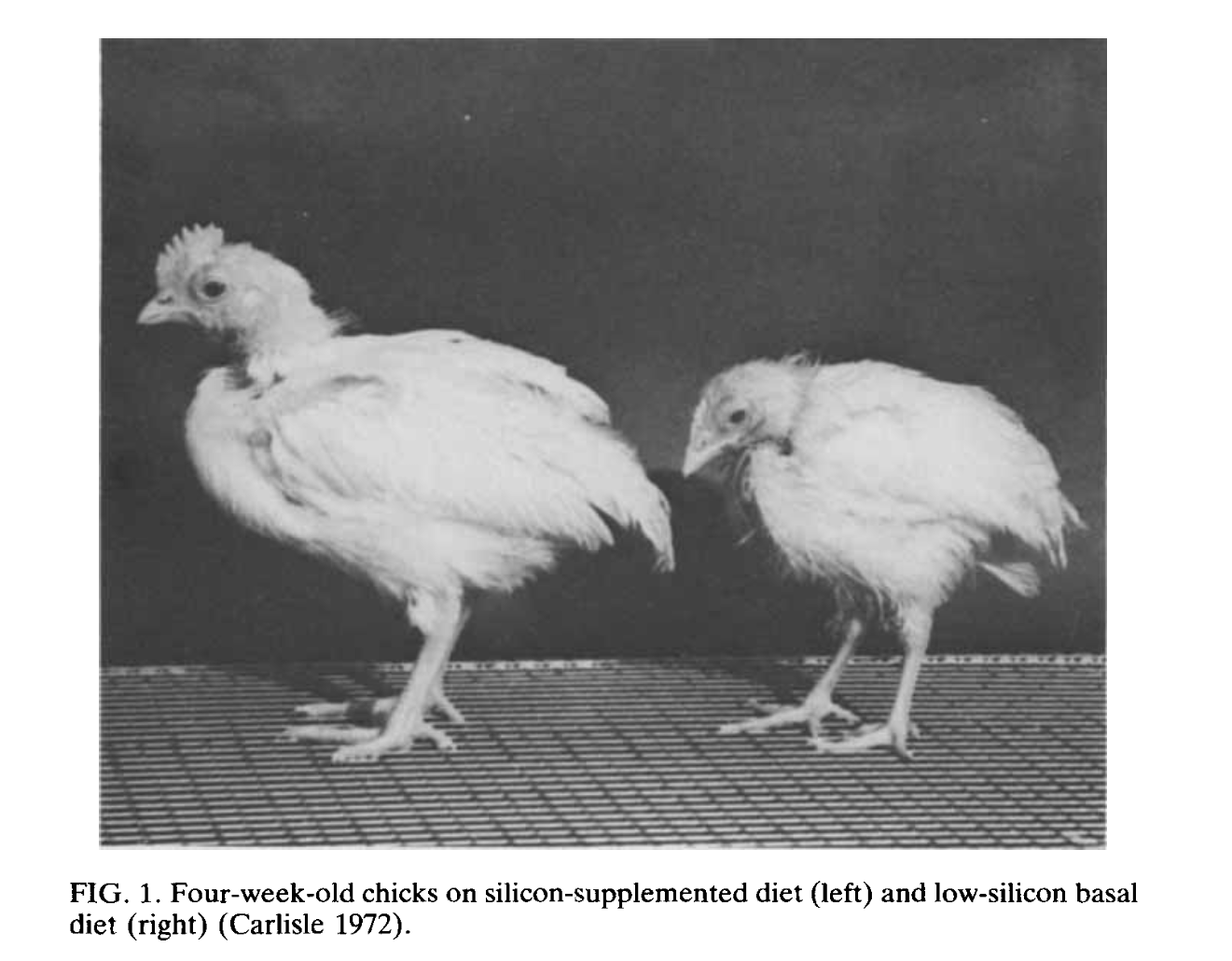
-
@alfredoolivas interdasting....
other than switching to whole grains and seafoods (scallops have the most phosphorus of any not-organ meat I've found, and for the apparently most polluted Chinese scallops, up to 1.7kg [not nearly enough to make these scallops a significant protein source, 1.7kg is like 275g of protein] per week is 'safe', so it is probably higher for scallops from better water sources) the only reasonable way to get more phosphorus seems to be raw pumpkin seeds, which are quite significantly high in pufa. im not sure high uncooked natural food pufa intake is bad though, especially in context of high muscle mass.
for some reason I was under the impression low fat white fish was significantly high in phosphorus compared to chicken breast but it's not significantly different for haddock vs chicken breast according to usda. it really seems like the only way to make up this theorized deficit is pufa foods like seeds and nuts.
-
@sunsunsun doesn't plain old milk have a lot of phosphorus
-
@engineer yeah you're right it does have a decent amount compared to protein. 100g of raw chicken breast has 22.5g protein and 215 mg of P. The same amount of protein from skim milk (2.66 cups) would give 700mg of P. interdasting.... milk seems to be fully optimal for mass gaining.
-
@sunsunsun said in moggy chicken log:
interdasting.... milk seems to be fully optimal for mass gaining.
To be fair, it literally is meant for mass gaining (for baby cows/goats/rats/humans/etc)
Just don't have too much fat from milk or it will add body fat (like rp said a few times)
-
@alfredoolivas Still haven't seen info on how much anhydrous orthosilic acid ("Silicol"), choline-complexed OSA or monomethylsilantriol you are supplementing in your basal diet everyday and remain interested in how these substantial effects in chicks can be mirrored and compensated for by other means. What's the place of orthosilic acid in all this, which is comparatively very cheap vs the other ingredients of your Faustian kitchen?
-
@CrumblingCookie did I say that? I don't supplement with silica, but I am not opposed to it. I was once consuming 100mg of SIlica a day, via beer, oat bran, volvic water and vegatables. To recover from the height stretches I was doing.
Now, I see my self as more fragile, so I have taken a break, until the anabolics arrive. When they arrive I was thinking of buying some beer and volvic water or something; the orthosilica sold in supplements is really low dosed, having a single heineken would MOG any silicon supplement.
-
This is twink death. 8 year difference.


-
-
@alfredoolivas
You implied with the moggy chicks pic in the OP, feeding expectations.
According to this, (alcohol-free) beer is an exceptionally excellently bioavailable source. Also, Ch-OSA has 17x the bioavailability as colloidal silica, and MMST's is 64x. But the outcomes deviate when looking at required dosage/price unless one were to source MMST in bulk. The comparative absorption of silicon from different foods and food supplements -
@engineer I think the lesson from this is to not use testosterone and anadrol on and off for 5 years and to not bulk up using PUFA.
@crumblingcookie wasn't MMST subject to concerns surrounding it's safety?
-
@engineer does low b12 cause greying
-
-
I haven't lifted in nearly two weeks, but today I lifted the same weights which is good.
-
how do you feel so far eating mostly rice?
-
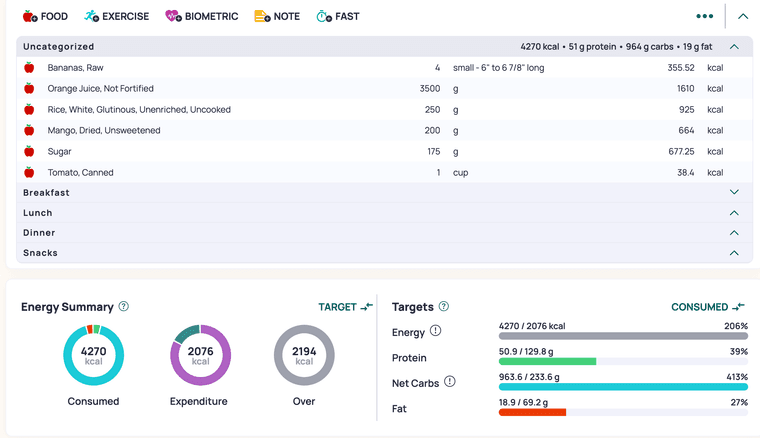
@Milk-Destroyer I don't eat that much rice. 250 grams of dry rice a day. I guess it is time for an update. 79.5kg today.
-
@alfredoolivas how do you feel?
-
@Milk-Destroyer Quite tired. I suspect its from caber and vitamin E, so I removed them along with caffeine. Just a suspicion, i will see in 2 weeks if it those things.
-
@CrumblingCookie bioavailability study; they only study urinary excretion after ingestion and used that to quanitfy how bioavailable foods and supplements are. their reasoning is what is absorbed into blood to then be filtered by kidney is bioavailable vs what just stays in GI tract like from bananas which have like 4% urinary excretion vs ingested amount. logically it might not be correct because maybe some forms are assimilated better once in blood. Actually an argument could be made that their reasoning is completely backwards and we wouldnt know without also data on fecal excretion.
but even running with the idea their methodology - reasoning is correct, haricots vert are as bioavailable as the best supplement they tested at 60%+ percent. chOSA was something low like 14% or something but for some reason i think it still absorbs goodly. maybe the chOSA form directly absorbs.
a good diet has abundant silicon. peaty diet probably doesnt but a peaty diet isnt really a good diet, we all know this anyways and i have the courage to admit it.
not-alcoholic beer that has been tested for silicon content is clausthaler. it’s 6.7mg per 330ml bottle, and secondly , German standards for bottling i.e. what water they use are high. I think drinking a six pack in the sauna after weightlifting and then having a post workout meal and then going in the sauna is probably extremely anabolic for bone and tissue especially if the meal is copper abundant because copper and silicon work together.
-
@sunsunsun heineken in THEORY is moggy on the silicon index. It is a pale ale made of malted barley, the grain with the highest silicon. I actually could NOT find any other REASONABLY priced beers made pure of barley; all the other ones had wheat added to them or were quite expensive.
We can assume that since the ingredients of indian pale and heinekn are very similar/identical, that heineken has a concnetraiton of 41.2 mg OSA per litre. This mogs any supplement available.
Volvic water has similar concentrations, but I think the water has hydrated silica, not OSA.
-
@alfredoolivas interdasting, the reason I like clausthaler is it is brewed to be non-alcoholic (they stop fermentation before significant alcohol is made) vs. most other beers that are filtered to remove the alcohol which probably removes other stuff




Hello! It looks like you're interested in this conversation, but you don't have an account yet.
Getting fed up of having to scroll through the same posts each visit? When you register for an account, you'll always come back to exactly where you were before, and choose to be notified of new replies (either via email, or push notification). You'll also be able to save bookmarks and upvote posts to show your appreciation to other community members.
With your input, this post could be even better 💗
Register Login