Random, interesting studies
-
@Mauritio 5ht1a 1b both downreg sero produc
-
Mauritio said:
A casual 7x increase in testosterone while it decimates prolactin. Not bad.
In the testosterone study they used 0.025g/L of chia powder in drinking water, which is an extremely low dose. This should approximately correspond to an HED of ~70mg.
Wild that even had an effect at all at that dosage.
There's another study using the same dosing protocol also in rabbits. So HED ~ 70mg.
And it shows strongly lowered cortisol, insulin, leptin and triglycerides. With a small increase in TSH.
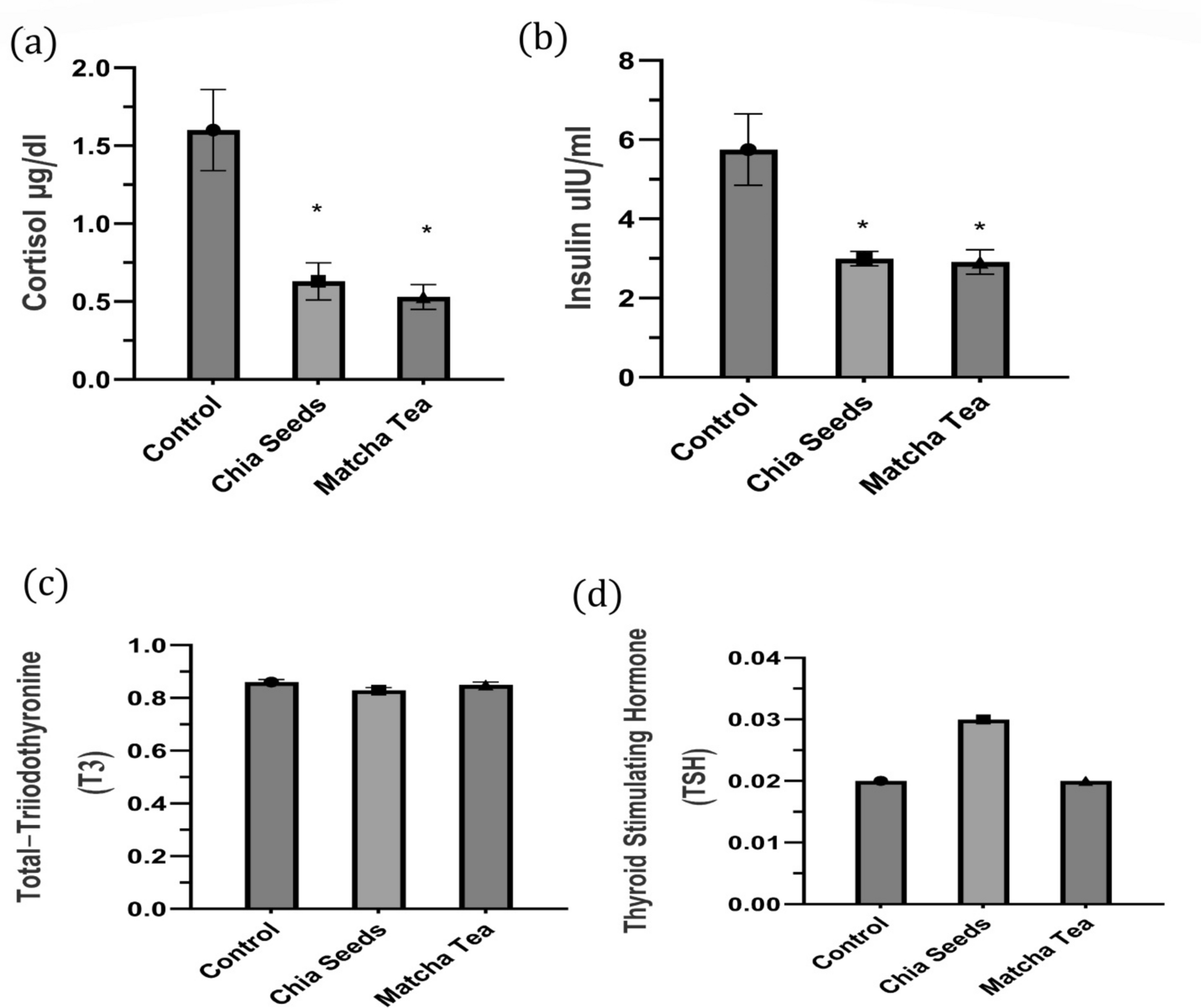
It also drastically lowered one protein which is part of the HSP70 family. Peat used to write about the dangers of heat shock proteins, so lowering should be a good sign.
https://www.nature.com/articles/s41598-024-82175-3#Tab5
Many studies with Chia seeds use HEDs of 5/10/or even 50g. Often showing that the 10g or higher dose is most effective. While the lower dosage is relatively ineffective.
The above studies show that (at least in rabbits) a microdose might be all you need.
70mg/ day increased testosterone and lowered cortisol strongly.
If you want to replicate the study, measure 70mg with a mg scale and put in a big bottle of water and sip throughout the day. That is the closest thing to what they did in the studies.
So that way, you could get the benefits without overloading on PUFAs.Dare to think.
My X:
x.com/Metabolicmonstr -
@Mauritio I await a report of your experience
-
Mauritio said:
The above studies show that (at least in rabbits) a microdose might be all you need.
70mg/ day increased testosterone and lowered cortisol strongly.
If you want to replicate the study, measure 70mg with a mg scale and put in a big bottle of water and sip throughout the day. That is the closest thing to what they did in the studies.
So that way, you could get the benefits without overloading on PUFAs.Heres another study on chia seeds. They also use an HED of 50-70mg, although this time it is an extract.
In diabetic rats that were given low dose chia seeds extract (P3), blood sugar and MDA drastically improved. They were lower than in the control group without diabetes (P0) and lower than in the positive control group that received metformin (P1).
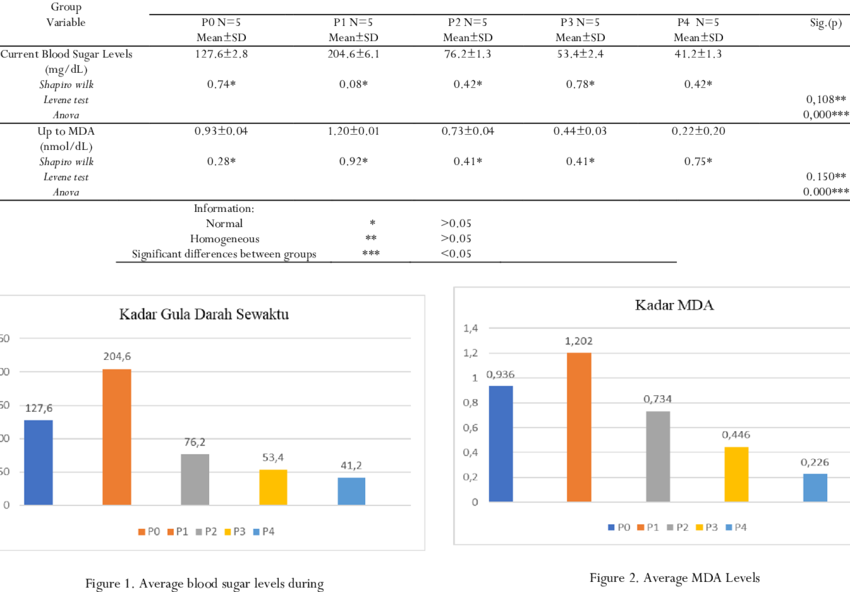
https://www.researchgate.net/publication/373779495_Effect_of_Chia_Seed_Extract_Salvia_Hispanica_L_On_Current_Blood_Sugar_Levels_and_MDA_LevelsA plausible explanation of the benefits could be mitohormesis. A very small mitochondrial stress could activate benefical compensatory mechanisms like Nrf2, PGC-1a or AMPK. There are studies showing Chia seeds activate AMPK.
-
ETIFOXINE
Has anybody tried it? It seems to be a GABAergic that strongly increases (neuro-)steroids.
Here you can see that it strongly increases Pregnenolone, Progesterone and the infamous 5aDHP in the brain, especially in higher doses. It also seems to increase andogens T + DHT in lower doses while it suppresses them in higher doses.
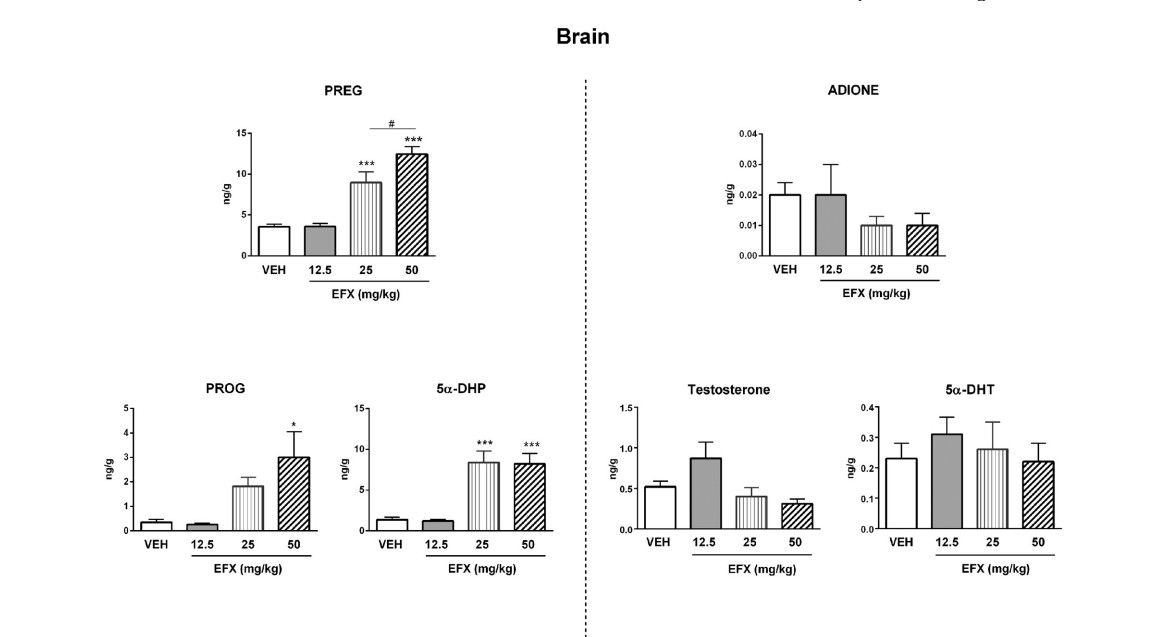
https://www.pismin.com/10.1016/j.psyneuen.2017.05.022Different study similar findings:
"Exposure of frog hypothalamic explants to graded concentrations of etifoxine produced a dose-dependent increase in the biosynthesis of 17-hydroxypregnenolone, dehydroepiandrosterone, progesterone and tetrahydroprogesterone, ..."
https://pubmed.ncbi.nlm.nih.gov/25785994/Etifoxine reverses weight gain on a HFD
https://pubmed.ncbi.nlm.nih.gov/32679124/Etifoxine was as effective for treating anxiety as a Benzodiazepine!
"Etifoxine was non-inferior to Alprazolam in reducing anxiety symptoms in GAD, was well-tolerated, and can be a promising alternative for anxiety management without drug dependence risk."
https://pubmed.ncbi.nlm.nih.gov/41763071/Etifoxine restores mitochondrial oxidative phosphorylation (in vitro)
https://pmc.ncbi.nlm.nih.gov/articles/PMC8657969/It seems to increase GABA-A receptors or at least amplify its function.
https://pubmed.ncbi.nlm.nih.gov/10854897/ -
"After brushing out the effect of lifestyle factors as best as possible with statistical methods, the researchers found that during the study, participants who consumed 2 or more tablespoons of olive oil daily were 31 percent less likely to die than participants who did not consume olive oil."
https://www.ergo-log.com/this-daily-amount-of-olive-oil-may-extend-your-lifespan.html
-
Benzoic acid, a known uncoupler - even in small amounts - can convert to salicylic acid inside the body.
https://pmc.ncbi.nlm.nih.gov/articles/PMC2800778/The best source of benzoic acid are fresh cranberries.
There's also the plant Benzoe Siam which is about 20-30% benzoic acid, but not sure if theres a food grade option.
Essntial oil of plants are an inexhaustible source of interesting components, with interesting properties.
Dare to think.
My X:
x.com/Metabolicmonstr -
This post is deleted! -
Berberine
Berberine activates thermogenesis in white and brown adipose tissue and increases UCP1;
PMID 25423280
Berberine increases testosterone but also prolactin. There might be a sweet spot between 50-100mg/kg (rat dose) where you get minimal prolactin increase with a significant testosterone increase. Maximal T increase was almost 100%
https://link.springer.com/article/10.1007/s44345-024-00007-3#Fig2
Berberine sometimes receives criticism because some studies show that it can inhibit mitochondria.
Which is true it can:"
"...inhibit mitochondrial respiratory complex I” in vitro
PMID 18285556Although in this study it had a positive effect on mitochondria in vivo; it increases mitochondria numbers and prevented mitochondrial dysfunction, which was accomplished via AMPK and SIRT1 activation.
"Furthermore, we observe that the prevention of mitochondrial dysfunction by BBR, the increase in mitochondrial biogenesis, as well as BBR-induced AMPK activation, are blocked in cells in which SIRT1 has been knocked-down."
PMID: 22027215
"...extended the lifespan ... of naturally aged mice by ~16.49%”
PMID 31773901
This study reported an increase in the NAD+/NADH ratio.
PMID: 22027215
Berberine made someone on the RPF able to tolerate milk.
https://lowtoxinforum.com/threads/does-anyone-here-use-berberine-regularly.41514/post-669774
Increases SERT; lowers serotonin
https://pubmed.ncbi.nlm.nih.gov/21647174/
decreased HFD-induced metabolic endotoxemia. Inhibits TLR4
PMID 29202334.
Berberine activates one of the bitter receptor family, (TAS2Rs).
Interestingly that is the same receptor that Pregnenolone, DHEA and androsterone activate. (not sure if it's the same subtype)
And, it's activation increases GLP-1 signaling.
https://pubmed.ncbi.nlm.nih.gov/29363059/This bitter receptor is also partly responsible for the weight loss effects seen with berberine. That's a good counter argument when people say berberine doesn't even get absorbed much. It doesn't have to get aborbed to activate TAS2Rs.
https://pubmed.ncbi.nlm.nih.gov/36341914/
Berberine also activates the bile acid receptor FXR which has a a lot of downstream pro-metabolic effects.
"These results indicate that BBR may exert its lipid-lowering effect primarily in the gut by modulating the turnover of bile acids and subsequently the ileal FXR signaling pathway."
https://pubmed.ncbi.nlm.nih.gov/27932556/
A lot of the effects of berberine seem to be downstream from bile acid metabolism and gut effects.
"The abundance of Clostridium genera was significantly inhibited by BBR, which resulted in a significant reduction of secondary bile acids.."
https://pubmed.ncbi.nlm.nih.gov/38740003/
Berberine increases FGF21 in BAT and leads to less weight gain on a HFD.
https://pubmed.ncbi.nlm.nih.gov/30991048/
Berberine can lower adrenaline.
https://pubmed.ncbi.nlm.nih.gov/12650858/Blocks alpha2 adrenoceptors
https://pubmed.ncbi.nlm.nih.gov/1649363/
https://pubmed.ncbi.nlm.nih.gov/41039433/ -
A few studies on salicylic acid/ sodium salicylate:
Sodium salicylate induces ovulation in female mice. It also lowers Progesterone and estrogen, while increasing prostaglandins. Quite counterintuitive.
The devil's in the detail though. The dosages that have the above effects correspond to an HED of ~2.5-20mg.
If you look at the highest dose (21.2mg/kg) that's around 100mg HED, it basically had no effect on the above parameters.
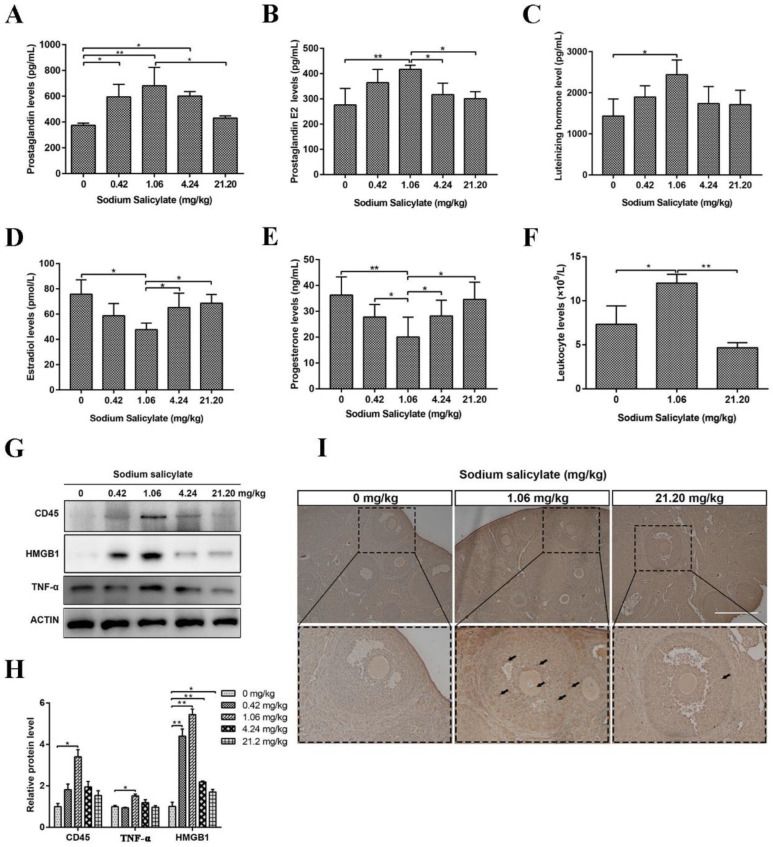
You can see on the highest dose it actually lowered the protein level of COX-2 and CYP17A1, which converts pregnenolone and progesterone into cortisol-like steroids.
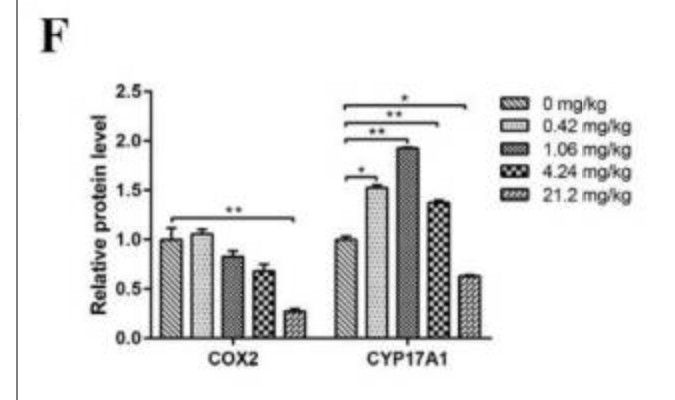
So I guess don't take low dose sodium salicylicate .
https://pmc.ncbi.nlm.nih.gov/articles/PMC9916436/
Interesting, old study on high dose salicylic acid. The authors say it depresses thyroid function and goiter formation. I guess they mostly mean TSH suppression by that.
They also compare thyroxin to DNP and salicylicate. Both of these thyromimetics share many characteristics of thyroxin, but not all. For example they cannot antagonize myxedema."Thyroxine, dinitrophenol (DNP), and salicyl-
ate evoke many similar responses in man or the
experimental animal (Table V). "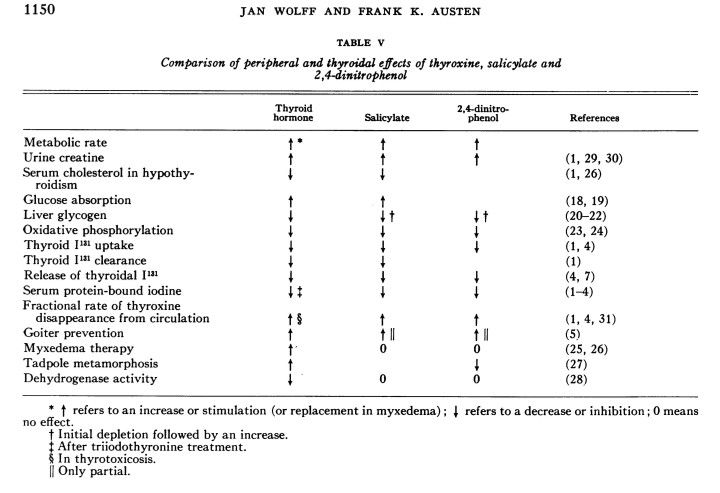
From:
SALICYLATES AND THYROID FUNCTION. II. THE EFFECT ON
THE THYROI-PITUITARY INTERRELATION
By J. WOLFF AND FRANK K. AUSTEN -
The hormonal effects of essential oils and herbs
I've been trying to find the perfect herb that fulfills four conditions:
- Pro-androgenic
- Anti-estrogenic
- Pro- progestegogenic
- Pro-metabolic
The best matches I've found so far are Satureja khuzistanica and thyme essential oils.
Satureja khuzistanica is an herb of the mint family that mainly grows in Iran.
In this study they gave chickens quite low doses of Satureja khuzistanica essential oil and you can see that at the dose of 0.5g/L, Testosterone increased by 5x. That's pretty wild.
The same dosage also caused a significant decrease of abdominal fat, while lowering estrogen by about 50%. So from that study alone this herb seems to check 3 out of 4 boxes. Only the pro-progesterone effect is unclear.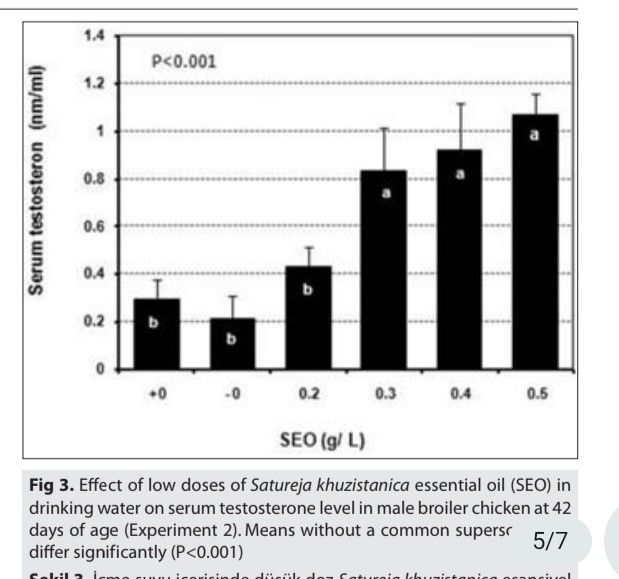
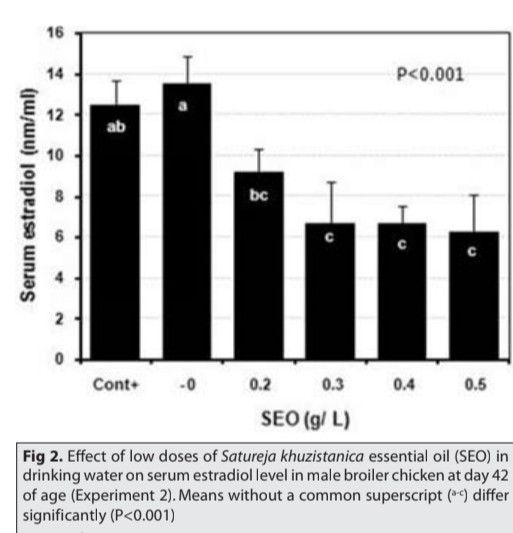
From: Hypolipidemic Effects of Satureja khuzistanica Essential
Oil in Broiler Chicken are Realized Through Alteration in
Steroid Hormones
Here's a rat study in which it also increased testosterone and basically any other measure of fertility you can imagine. It even increased number leydig cells!
"SKEO significantly improved all the parameters evaluated such as potency, fecundity, fertility index, and litter size. Moreover, concentrations of FSH and testosterone were significantly increased in SKEO-treated groups. Also the weights of testes, seminal vesicles, and ventral prostate weights were increased by SKEO (225 mg/kg). Histopathological analysis showed that in male rats treated with SKEO (150, 225 mg/kg) the number of spermatogonium, spermatid cords, Leydig cells, and spermatozoids was increased. Also in these groups, the Sertoli cells were hypertrophic."
https://pubmed.ncbi.nlm.nih.gov/16889906/
It does show a pro-progesterone effect in this study on female rats, where it increases P4 by about 50%. But it increases estrogen just as much.
https://pmc.ncbi.nlm.nih.gov/articles/PMC5756246/#sec3
But overall this is pretty good match and seems worth trying!
The essential oil of this herb used in the first study was around 94% Carvacrol, so the effects seem to be mostly caused by it. Although, pure Carvacrol studies soemtomes show no effect or only a restaurative effect (to baseline), which is odd. So maybe there is a super androgenic phenol or fatty acid in the essential oil that we dont know about?
Most studies use pios that have 90+% of Carvacrol but there rare ones using 25-50% oil. So if you buy it, id make sure to get one that is 90+% Carvacrol.Dosage: HED was roughly around 1g/day of the essential oils in all cited studies.
More studies:
Neuropretctive effects:
"...has beneficial effects such as reducing neuronal death and inflammatory markers, as well as activating astrocytes and improving neurological outcomes."
https://www.nature.com/articles/s41598-023-31891-3Dare to think.
My X:
x.com/Metabolicmonstr -
@Mauritio thanks! Interesting about Satureja khuzistanica essential oil (SKEO) and its very high carvacrol (CAR) content.
So maybe there is a super androgenic phenol or fatty acid in the essential oil that we dont know about?
I bet it is simply because no one dared or was asked to publish or study CAR pushing beyond the baseline...
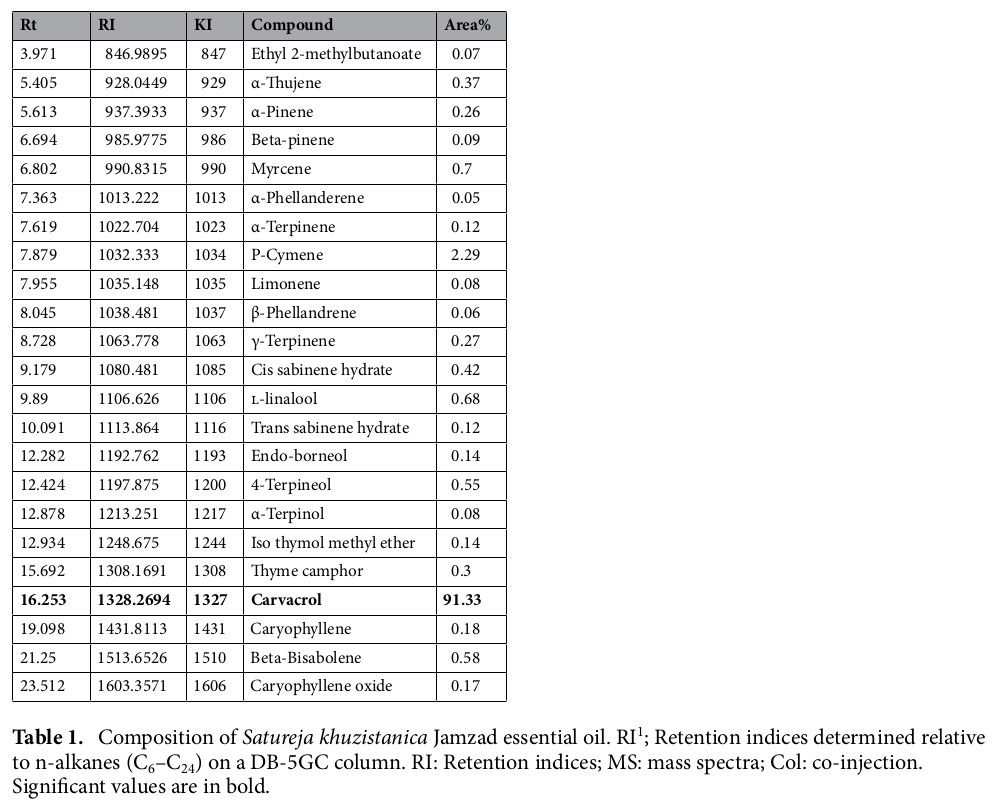
The paper you quoted last, Satureja khuzistanica Jamzad essential oil and pure carvacrol attenuate TBI-induced inflammation and apoptosis via NF-κB and caspase-3 regulation in the male rat brain,
says
"It should be noted that in most of the studied variables, the effects of CAR were more potent and significant than the SKEO"And this paper seems to provide very careful experiments.
In the said paper, there is also a table with the other SKEO compounds. Seeing that they are minuscule, I'd venture to conclude that this is CAR that is acting to get the benefits you've enumerated.
-
Dosage: HED was roughly around 1g/day of the essential oils in all cited studies.
1g of oregano/thyme/satureja EO every day is possible if dissolved evenly among a whole day's drinking water amount to not disintegrate one's mucosa but it's certainly not fun. About 10 drops per liter.
-
@Lejeboca i thought so too but then why are there studies using isolated Carvacrol having no effect ?
Dare to think.
My X:
x.com/Metabolicmonstr -
@Mauritio, perhaps minimum inhibitory concentration (MIC) wasn't reached?
A study of the minimum inhibitory concentration and mode of action of oregano essential oil, thymol and carvacrolHard to hypothesize, in general, however. Do you have any specific study in mind you'd like us to look at?
-
@Lejeboca
Here is a Carvacrol only study, looking at Testosterone.
Fortunetly they used the same dosage (~around 1g HED) in this study.
And it showed no T increase for healthy animals but a strong increase in diabetic animals. So it had a restorative effect .
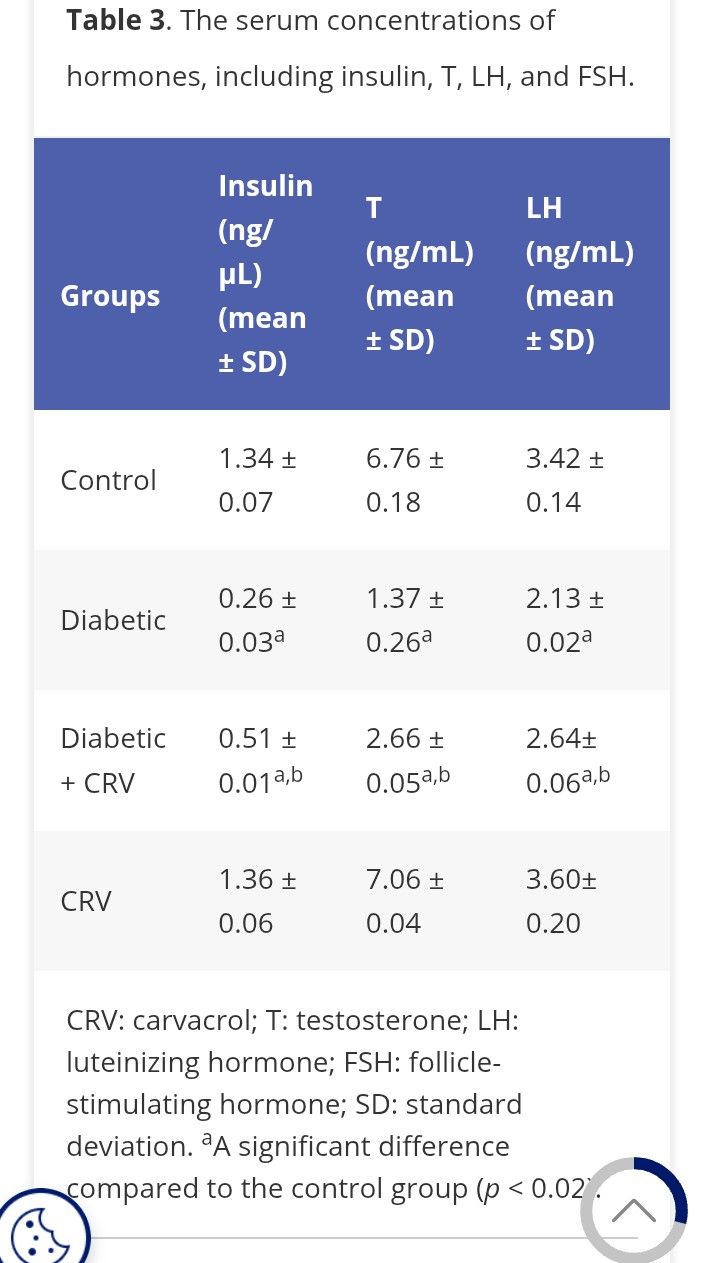
https://pubmed.ncbi.nlm.nih.gov/32153207/But this still doesn't explain the 5X increase in the first study.
And the other rat study I posted also showed strong T increase in different dosages. So it doesn't seem to be a species related effect.So with the satureja EO we see a T increase no matter if the animals are healthy and with Carvacrol only in unhealthy animals.
You can just buy an 80-90% Carvacrol orehano oil for 20-30 bucks so it should be easy to see if this works on humans.
Dare to think.
My X:
x.com/Metabolicmonstr -
You can just buy an 80-90% Carvacrol orehano oil for 20-30 bucks so it should be easy to see if this works on humans.
Yes, could try but for sure you''l kill nearly the whole living stuff in your microbiome. Nearly all the phyla. The stronger will remain and occupy the place. And guess what would happen if you don't manage well afterwards... Nature abhores an empty place ...
useful info (decoding the study):
Reasons the Mouse Study is Irrelevant (or Misunderstood)
In healthy rodents, it actually lowers testosterone: Studies on healthy rats show that concentrated oregano essential oil causes testicular tissue injury and directly decreases serum testosterone levels. [1]
• It only fixes "broken" rats, it does not boost healthy ones: The rodent studies showing that carvacrol (the main compound in oregano) supports testosterone were done on rats that were explicitly poisoned with toxins, made diabetic, or subjected to extreme stress. In those cases, oregano acted as an antioxidant to protect damaged testicular cells. It does not increase baseline testosterone in healthy individuals. [1, 2, 3, 4]
• High doses actually lower testosterone: In studies on healthy rats, high oral doses of oregano essential oil actually caused reproductive toxicity, damaged Leydig cells, and significantly decreased serum testosterone levels and sperm counts. [1, 2]
• The delivery mechanism is totally different: Rodent studies often bypass the regular digestive process or use highly controlled extracts. When a human swallows a concentrated essential oil, it hits the stomach and upper intestines directly, wiping out the microbiota long before any theoretical benefit could ever reach the bloodstream.
- Reproductive Toxicity Assessment of Origanum vulgare Essential Oil on Male Wistar Rats.
June 2015
Acta Scientiae Veterinariae 27(80):3-1
- Reproductive Toxicity Assessment of Origanum vulgare Essential Oil on Male Wistar Rats.
-
Glutamine
Glutamine seems helpful for preventing /treating cholestasis, gall stone formation, leaky gut and to decrease endotoxin absorption.
Peaty staples like gelatin and scallops actually have high amounts of glutamin."..the addition of glutamine to TPN solution can remarkably decrease the incidence, or ameliorate TPN induced cholestasis, and prevent small intestinal mucosal atrophy."
https://pubmed.ncbi.nlm.nih.gov/8223015/"Addition of glutamine to the TPN solution prevents these lithogenic changes."
https://pubmed.ncbi.nlm.nih.gov/7745961/"Depletion of glutamine results in villus atrophy, decreased expression of tight junction proteins and increased intestinal permeability. Moreover, glutamine supplementation can improve gut barrier function in several experimental conditions of injury and in some clinical situations. Furthermore, preventive effects of glutamine in experimental models of intestinal injuries have been recently reported."
https://www.ovid.com/jnls/co-clinicalnutrition/abstract/10.1097/mco.0000000000000339~glutamine-and-the-regulation-of-intestinal-permeability-from?redirectionsource=fulltextview"Meanwhile, Gln administration alleviated liver injury, reduced the hepatic inflammatory response by inhibiting NLRP3 inflammasome activation, and decreased hepatic lipid accumulation by promoting VLDL secretion and fatty acid β-oxidation, as well as reduced bile acid synthesis by activating hepatic and ileal FXR in HFD-fed rats. Moreover, Gln administration restored HFD-induced intestinal barrier dysfunction, promoted intestinal fat absorption, suppressed intestinal inflammation, and also reshaped the gut microbiota composition in HFD-fed rats by downregulating the abundance of potential pathogens Escherichia-Shigella and upregulating the abundance of beneficial bacteria such as Akkermansia."
https://pubmed.ncbi.nlm.nih.gov/36122193/Dare to think.
My X:
x.com/Metabolicmonstr -
Glutamine seems helpful for preventing /treating cholestasis, gall stone formation, leaky gut and to decrease endotoxin absorption.
Peaty staples like gelatin and scallops actually have high amounts of glutamin.Interesting. Thanks for posting.
One caveat: No glutamine if you're dealing with dysbiosis, often present with leaky gut. First be aware of the absence of candidosis. Glutamine is going to feed the beast.
The first sign of candida albicans is often seen with a white tongue. Test with spitting in a glass water.
One tip: When I take 500 mg glutamine powder (thin stomach lining => pain), I combine it with 500 mg taurine, on a empty stomach. I prevent the neuro-exciting effect and I introduce a high-effective AO for the brain. (500-1000 mg dose). -
First be aware of the absence of candidosis. Glutamine is going to feed the beast.
So does sugar - theoretically. That doesn't stop me from eating sugar.
Besides, in this study on people in a ICU, people that received glutamine did not developed more but fewer candida infections. And 0 people that did develope a candida infection endep up dieing, whereas 6 people from the control group died.
"In those patients, despite a similar high incidence of colonization with Candida, those receiving glutamine developed fewer Candida infections and none died, whereas six control patients who developed Candida infections died from multiple organ failure ..."
https://pubmed.ncbi.nlm.nih.gov/12093428/Dare to think.
My X:
x.com/Metabolicmonstr



Hello! It looks like you're interested in this conversation, but you don't have an account yet.
Getting fed up of having to scroll through the same posts each visit? When you register for an account, you'll always come back to exactly where you were before, and choose to be notified of new replies (either via email, or push notification). You'll also be able to save bookmarks and upvote posts to show your appreciation to other community members.
With your input, this post could be even better 💗
Register Login