Random, interesting studies
-
@DavidPS said in Random, interesting studies:
I am anticipating that theobromine will stress my nervous system
Mind theobromine if weak cardia muscle (acid reflux)
-
@DavidPS you're welcome.
Theobromine is supposed to be less stimulating for the CNS than caffeine.Here's another study where it strongly increased tyrosine hydroxilase and dopamine receptors in a mouse model of ADHD.
-
This post is deleted! -
Aspirin alleviates fibrosis in mouse model. Hed~600mg.
-
Effect of different foods on gallbladder volume/emptying
If you suffer from stuck bile/ gallbladder issues this might be an interesting study.
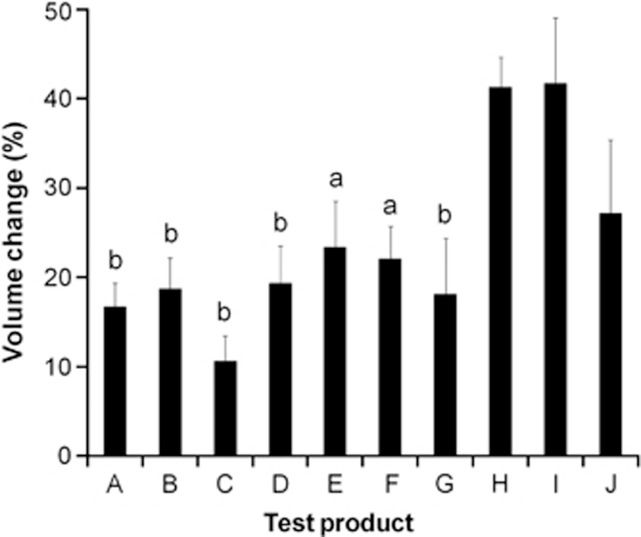
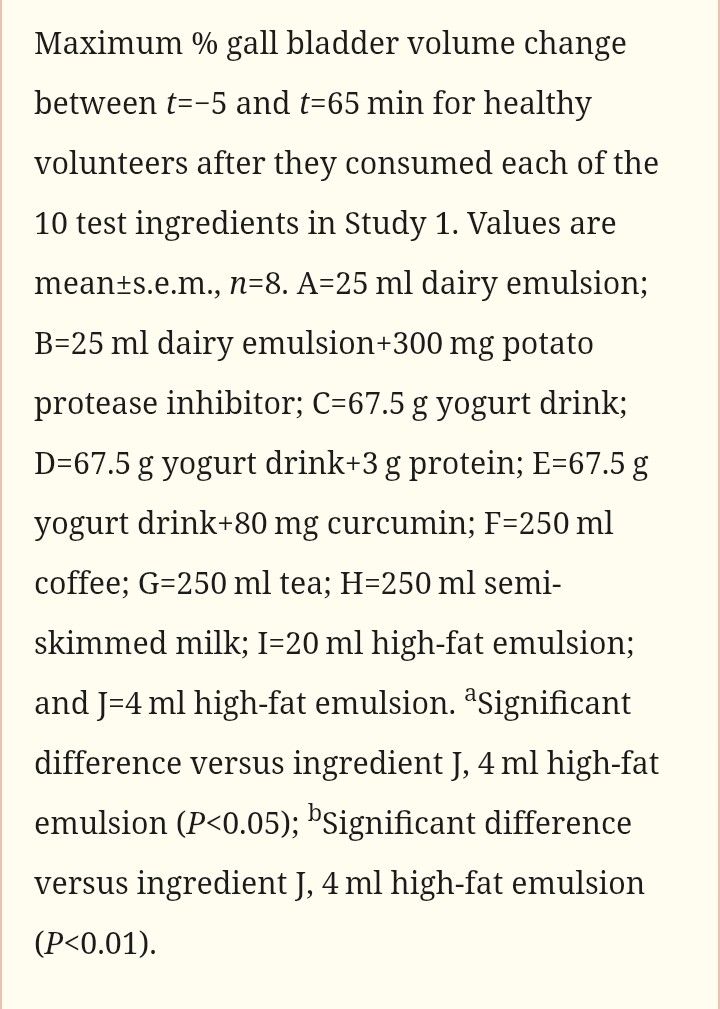
You can see some interesting observations in the above images
C is a yoghurt drink. In D they just added 3g of protein to the yoghurt drink and increased gallbladder emptying by about 40% .
Adding just 80mg of Curcumin (E) to the yoghurt more then doubled gallbladder volume change. Almost as good as that is coffee (F), even though it contains very little fat.
And then among the best is semi skimmed milk (H).So I wonder if you could have added benefits on gallbladder emptying by putting milk in your coffee and maybe adding some Curcumin (80mg is very little)?
Anyhow, as the image below shows very small amounts of fat are actually needed to stimulate CCK. And between 6 and 10g there was alnost no difference. So around 6g might be the best calorie /CCK ratio.
Just having a teaspoon of olive oil should be enough. And I can agree with that from my experience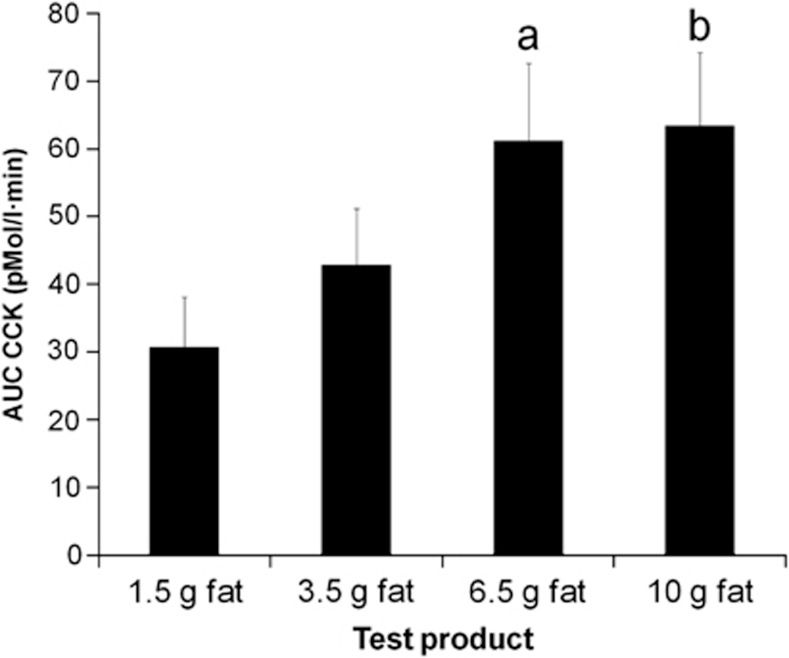
Another interesting observation was that fasting gallbladder volume was very different from person to person. There was a 5x difference from the person with the lowest to the highest gallbladder volume.
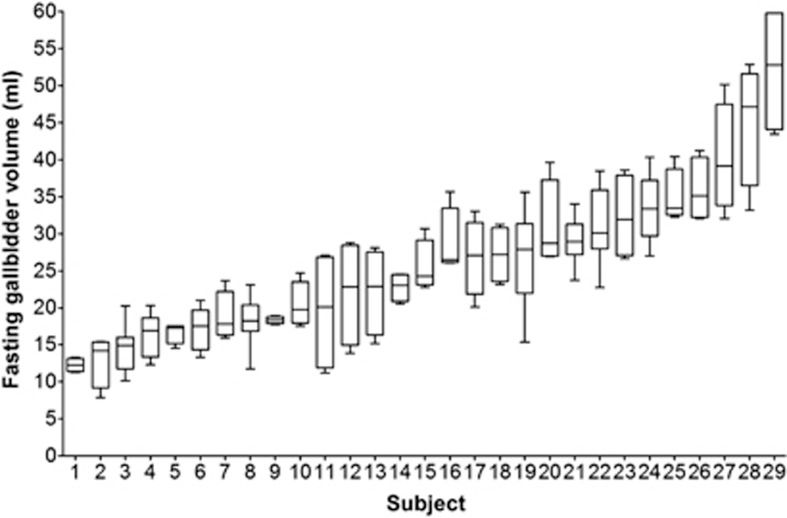
Source:
https://pmc.ncbi.nlm.nih.gov/articles/PMC3898429/#bib23 -
"Increasing coffee consumption by one cup per day was associated with a 15% reduction in liver cancer risk (RR 0.85; 95% CI 0.82 to 0.88)."
https://pmc.ncbi.nlm.nih.gov/articles/PMC5622710/
Coffee lowers risk for gallstones
"...those with coffee intake of >6 cups daily had 23% lower risk of GSD compared to individuals without coffee intake [hazard ratio (HR) = 0.77 (95% confidence interval: 0.61-0.94)]."
https://pubmed.ncbi.nlm.nih.gov/31486166/ -
Here's another study showing gallbladder contraction after drinking coffee. This is probably part of the reason it helps people go to the bathroom.
Coffee was far superior than a salt solution of the same amount.
And decaffeinated coffee was slightly less effective."An average gallbladder contraction of 33 +/- 7% was observed after 165 mL regular coffee and 29 +/- 10% after 165 mL decaffeinated coffee, whereas after 165 mL sodium chloride the contraction was only 10 +/- 12%."
-
haribo and most gummies have beeswax
-
@lobotomize what does that have to do with anything ?
-
@cs3000 said in Random, interesting studies:
But the studies all used very low units < 1000 daily heq, so might be worse effects going to those extremes
Gonna try 50mg split into meals , unless its a low unit one.
I should be a prime candidate for testing thisHey @cs3000 had you tried the oral catalase enzyme powder? At what dosages and to what effects?
As I'm currently much looking into copper, SOD, step 4 and 5 of the ETC the interplay with catalase comes into play for the whole H+, e-, O2-, H202 to then H2O in quenching and settling the process.
I have ergothioneine at hand but would much rather know about the effects of immediate catalase supplementation. -
@CrumblingCookie ive tried it and it seemed to have a beautifying effect on my face . Skin and hair looked better. Unfortunately it made me gain weight. But a lot of substances do that, a lot of them inhibit FAO so it might have to do with that .
-
Pectin inhibits liver fat accumulation.
It also increases certain bacteria strains, which was always one of Peats criticisms on it, but they include Akkermansia muciniphila, which is quite a good bacteria strain to have IMO.
Pectin also increased CYP7A1, which increases bile acid synthesis and FXR, the bile acid receptor.
No increase in serotonin was found.
https://pubmed.ncbi.nlm.nih.gov/40860180/
Pectin prevents the development of atherosclerosis
Again it's through increasing Akkermansia which inhibits the proliferation of the atherosclerotic-related bacterium, l.lactis, by producing acetic acid .
Ray Peat on acetic acid:
" Vinegar is a bacterial chemical. The acetic acid is the bacteria's way of killing fungus."https://pubmed.ncbi.nlm.nih.gov/41166910/
Another study where pectin alleviates NAFLD.
It increases SCFAs like acetate and propionate and shifts composition of mice biome.
https://pubmed.ncbi.nlm.nih.gov/29987933/
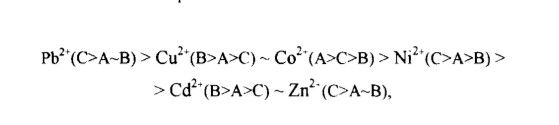
Different sources of pectin bind different heavy metals:
Beet pectin is best for binding Lead and copper
Apple pectin for Cobalt
And Citrus pectin for NickelAlso, in the Sample they used in the study, Heavy metals were already present /bound to pectin.
I did the math with chatgpt and the concentration of lead would come down to ~30mg/kg, which is very high. So high that it would bot be allowed to be sold as a food/supplement. So I'm not sure if this has any relevance on today's pectin supplements that are available, because they're being tested for heavy metals and the upper limit is something like 3mg/kg in the EU.
Plus the heavy metals would mostly not get absorbed because pectin also doesn't get absorbed and the pectin would probably still bind more lead than it releases. So it still seems safe."...selectivity sequences we found for pectins: Pb2+ >> Cu2+ > Co2+ > Ni2+ >> Zn2+ > Cd2+. It was shown that a beet pectin exhibits a high affinity for Pb2+ and Cu2+ ions, an apple pectin for Co2+ ion and a citrus pectin for Ni2+ ion."
https://pubmed.ncbi.nlm.nih.gov/10204240/
Human study: 15g of pectin did not interfere with sodium, potassium, chloride, ionised calcium, total and ionised magnesium, iron and copper, in this study.
https://pubmed.ncbi.nlm.nih.gov/9630767/
Human study: 20g/d of low esterified citrus pectin decreases inflammatory cytokines and increases anti-inflammatory ones. Also decreases anxiety.
https://pubmed.ncbi.nlm.nih.gov/39408292/
__high esterified pectin increases FGF21 and klotho
https://pmc.ncbi.nlm.nih.gov/articles/PMC9585587/
Pectin restores testosterone and other hormones that were reduced by cadmium exposure.
https://pubmed.ncbi.nlm.nih.gov/23193971/__
-
@Mauritio said in Random, interesting studies:
what does that have to do with anything ?
-
@Mauritio said in Random, interesting studies:
ive tried it and it seemed to have a beautifying effect on my face . Skin and hair looked better. Unfortunately it made me gain weight. But a lot of substances do that
I'm all in favor of beautification! Neat.
How much, how many Units of catalase were you taking and for how long? On an empty stomach?
It's strange that there are not published human trials on exogenous catalase.There are two recent studies from 2023 and 2025
wherein the authors complexed the catalase in calcium alginate microspheres, thereby protecting the enzyme from both acidic pH and protein degradation whilst ensuring its release in alkaline pH.
Should be very effective against UC and IBD.As much as I wish I won't be creating alginate microspheres anytime soon. Perhaps there's merit to at least using stomach-resistant encapsulation, though, or alternatively just a stubbornly higher dose.
-
@lobotomize said in Random, interesting studies:
haribo and most gummies have beeswax
What other waist products ingredients is there in it?
-
@CrumblingCookie yeah it's an interesting substance. It could be useful for hair loss applied topically as well. And probably very good for skin, too.
I don't recall how much I took and it was only for a few days, after which I was certain the weight gain waa from it. -
Inhibition of mitophagy drives macrophage activation and antibacterial defense during sepsis, 2020
Abstract
Mitochondria have emerged as key actors of innate and adaptive immunity. Mitophagy has a pivotal role in cell homeostasis, but its contribution to macrophage functions and host defense remains to be delineated. Here, we showed that lipopolysaccharide (LPS) in combination with IFN-γ inhibited PINK1-dependent mitophagy in macrophages through a STAT1-dependent activation of the inflammatory caspases 1 and 11. In addition, we demonstrated that the inhibition of mitophagy triggered classical macrophage activation in a mitochondrial ROS-dependent manner. In a murine model of polymicrobial infection (cecal ligature and puncture), adoptive transfer of Pink1-deficient bone marrow or pharmacological inhibition of mitophagy promoted macrophage activation, which favored bactericidal clearance and led to a better survival rate. Reciprocally, mitochondrial uncouplers that promote mitophagy reversed LPS/IFN-γ-mediated activation of macrophages and led to immunoparalysis with impaired bacterial clearance and lowered survival. In critically ill patients, we showed that mitophagy was inhibited in blood monocytes of patients with sepsis as compared with nonseptic patients. Overall, this work demonstrates that the inhibition of mitophagy is a physiological mechanism that contributes to the activation of myeloid cells and improves the outcome of sepsis.This makes it seem that autophagic, specifically xenophagic mechanisms and IFN-y are in stark opposition to mitophagic and uncoupling processes.
I.e. application of enhancers of mitophagy like menaquinone (K2), urolithin-A or mitochondrial uncouplers like DNP, BAM15, methylene blue, theobromine etc. will significantly inhibit innate immunity, and vice versa the (required) activity of immunity unequivocally decreases mitophagy and uncoupling.Which yet again suggests an immunological, infection-driven cause to metabolic diseases.
Taking uncouplers or mitophagy-enhancers therefore would only forcefully override the physiological response state of the body. Putting the cart before the horse.
@mauritio Ever fancied to trial interferon gamma 1b injections s.c. long-term three times weekly? -
@CrumblingCookie said in Random, interesting studies:
Taking uncouplers or mitophagy-enhancers therefore would only forcefully override the physiological response state of the body. Putting the cart before the horse.
Could you help to clarify, please?
If I understand well: Do not stimulate autophagy by xeno-substances but optimize the macrophage action, in order not to dampen the innate immune reaction.
Deduction: And if we want not to forcefully override the physiological response state of the body, we’d better manage the transitory LPS production (help to get rid of, on a fluently manner).
Decode correct? -
@LucH
Yes, do not stimulate the mitophagy branch of autophagy by xeno-substances if the underlying condition is one of innate immune requirements.
But as you point out on the other hand, if such immune activity were to be co-caused by circulation of LPS (yet without bacterial translocation! is that possible ?) then the notorious carrot salad or whatever helps seal the GI barrier would automatically improve systemic mitophagy and uncoupling and metabolism by their decrease of invading LPS.
Yet again in conditions of increased innate immune requirements but of little IFN-y because of intracellularly hiding pathogens (and their downstream counteraction of IFN-y) like chlamydophila or mycobacteria the therapeutic success hugely benefits from stimulation with IFN-y. Hugely! There are studies on that. Such conditions, when latent, contradict excess fat loss and forbid the use of any such substances which promote mitophagy or uncoupling. -
@CrumblingCookie said in Random, interesting studies:
et again in conditions of increased innate immune requirements but of little IFN-y because of intracellularly hiding pathogens like clamydophila or mycobacteria the therapeutic success hugely benefits from stimulation with IFN-y. Hugely!
OK, thanks for the detailed explanation.
Now, if I can abuse (feel free to ignore it if you haven't time to ...)
Above 55 yrs old, nearly every body has brown spots on the skin, of a certain thickness. => HPV.
If you want to get rid of them, you kill them by cryogenics (frozen) or with appropriate essential oils (12 weeks!). In both cases, there will be bacterial residue (LPS). The same thing happens when the immune system gets rid of a cold or the flu...
So, the question is: How to help without stimulating the immune system. Do not answer because I already know the answer. Do not override the immune response with xeno-molecules, but help / assist the system, on an indirectly manner. Said on a different manner: Do not use the hammer when you can assist the body. But there is much more to say ... Not here, OK. Interpretation in the right direction?



Hello! It looks like you're interested in this conversation, but you don't have an account yet.
Getting fed up of having to scroll through the same posts each visit? When you register for an account, you'll always come back to exactly where you were before, and choose to be notified of new replies (either via email, or push notification). You'll also be able to save bookmarks and upvote posts to show your appreciation to other community members.
With your input, this post could be even better 💗
Register Login