Random, interesting studies
-
Some studies that I won't make a thread on and analyze them deeply. Yet I still think are noteworthy.
Dare to think.
My X:
x.com/Metabolicmonstr -
Caffeine Targets SIRT3 to Enhance SOD2 Activity in Mitochondria
-
Sirt3 Deficiency Shortens Life Span and Impairs Cardiac Mitochondrial Function Rescued by Opa1 Gene Transfer
-
"SIRT3 reduced the expression of stearoyl-CoA desaturase 1..."
-
No study but isn't it interesting that
Guggulsterone (C21H28O2) and
Pregnenolone (C21H32O2) are almost the same molecules.
That explains their similar effects.Z-Guggulsterone alleviates renal fibrosis by mitigating G2/M cycle arrest through Klotho/p53 signaling
https://pubmed.ncbi.nlm.nih.gov/35123992/Dare to think.
My X:
x.com/Metabolicmonstr -
@Mauritio can you explain the similarities?
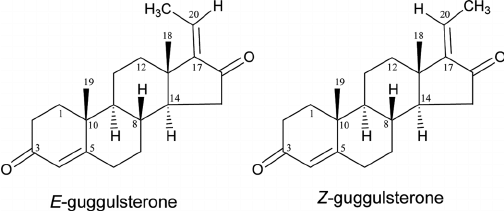
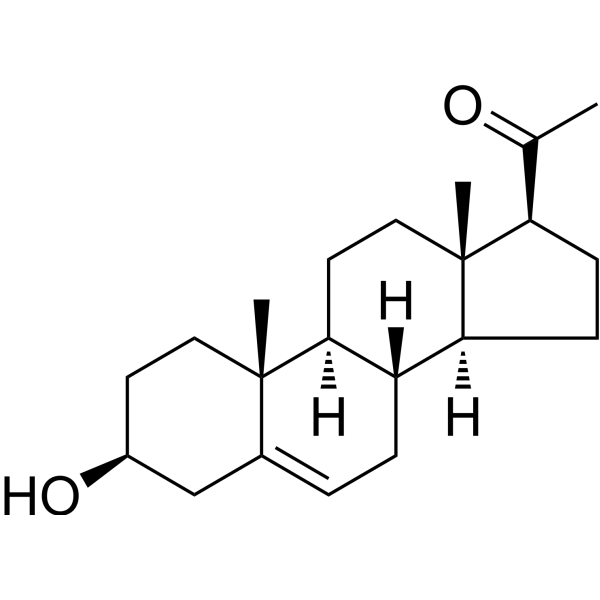
They seem very different in their structure to me -
@alfredoolivas The backbone is very similar not sure how to explain that to you
-
High salt diet induces muscle loss via cortisol, if simultaneously given saline Solution, not if rats were given tap water.Maybe there's a Sweet Spot for Salt.
https://pmc.ncbi.nlm.nih.gov/articles/PMC5409074/ -
A sweet spot, a circadian and an infradian. I'll be lucky if I can get there a few times a week because it's a moving target. Unless I do nothing, say nothing, go nowhere and see no one.
-
Dates (polyphenols) activate FXR and modulate bile acids.
https://pmc.ncbi.nlm.nih.gov/articles/PMC5749773/ -
Chlorogenic Acid Inhibits Lipid Deposition by Regulating the Enterohepatic FXR-FGF15 Pathway
https://pubmed.ncbi.nlm.nih.gov/35257010/Chlorogenic acid fed mice increase less in weight than controls mice on a high fat diet. AND weigh less than animals on a normal control diet.
https://pubmed.ncbi.nlm.nih.gov/20064576/Might inhibit Mao a+b
https://pubmed.ncbi.nlm.nih.gov/29893510/ -
I like this thread.
Thank you -
@dapose you're welcome.
-
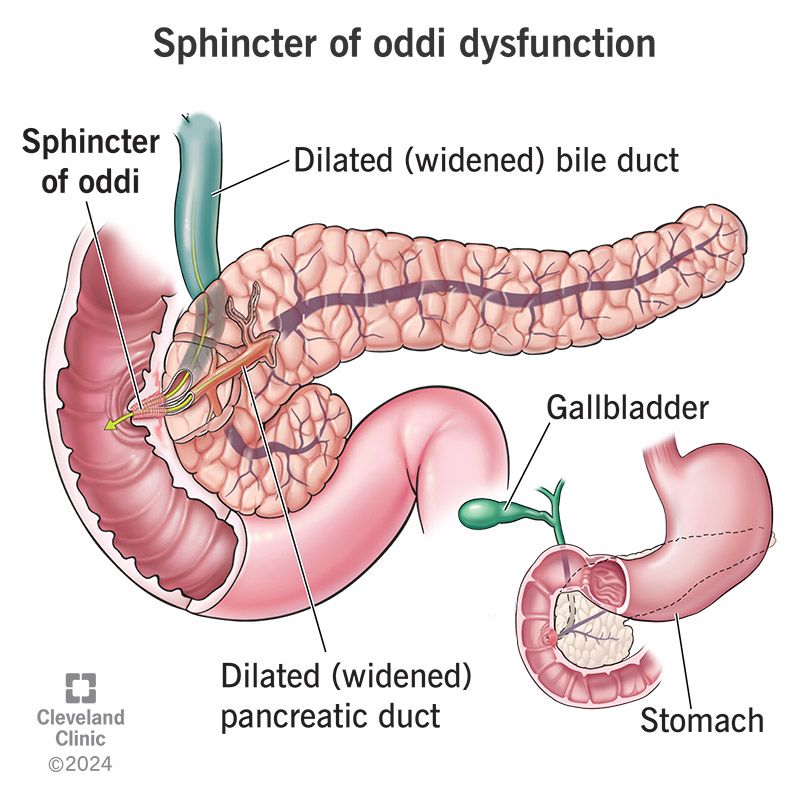
Magnesium Sulphate for "stuck bile" I cholestasis
"Taken together, the results of this study suggest that MgSO4 treatment may be beneficial in cholestasis-induced hepatotoxicity."
https://pubmed.ncbi.nlm.nih.gov/25967882/"Mg SO4 may increase bile secretion and relax the sphincter Of Oddi, resulting in emptying and consequently a reduction of Gallbladder volume"
https://journals.lww.com/ajg/fulltext/2004/10001/the_effect_of_magnesium_sulfate_on_the_human.140.aspxIt increases the discharge of bile
https://pubmed.ncbi.nlm.nih.gov/955499/i was thinking maybe topical application of magnesium sulfate to relax the sphincter of oddi muscle and to increase bile discharge.
-
3,8-Dihydrodiligustilide
Strong phytoprogestogen.
https://en.m.wikipedia.org/wiki/3,8-DihydrodiligustilideIt has almost the same potency as progesterone (80% of it). And it has no estrogenic or anti-androgenic effects.
"EtOH extracts of the dried rhizome of L. chuanxiong demonstrated strongest
progestogenic activity, reaching 80% of that observed with progesterone (100 nM) and had an EC50 of 8 lg/ml (Fig. 1b). The bioactivity of L. chuanxiong extract was spe-
cific to the PR, and the extract was at least 200-fold less active on other related members of the steroid receptor family like androgen, estrogen and glucocorticoid receptors."Dare to think.
My X:
x.com/Metabolicmonstr -
EDIT: Bloodroot might bin very well to the progesterone receptor but not agonize it.
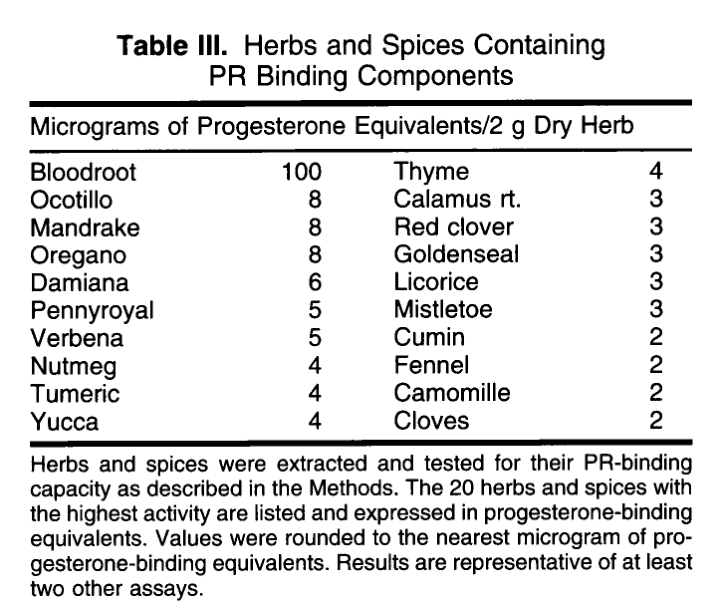
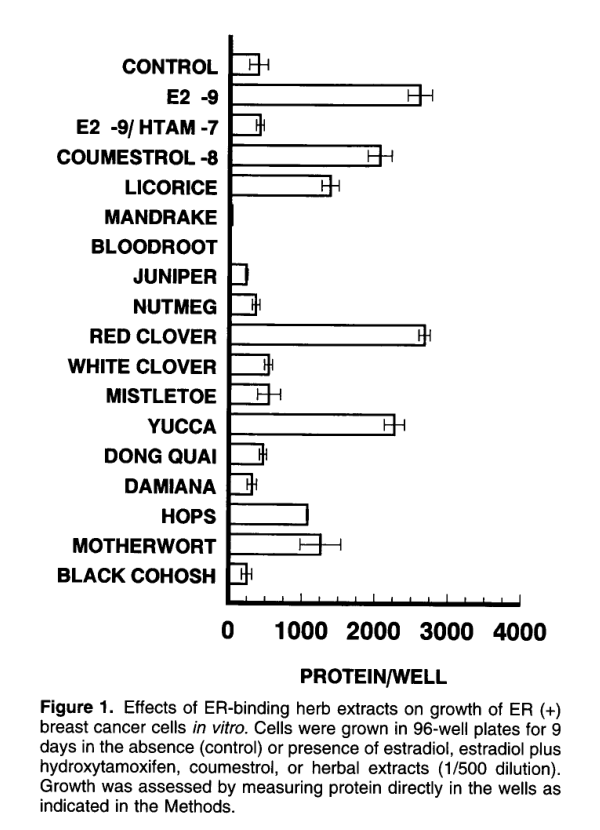
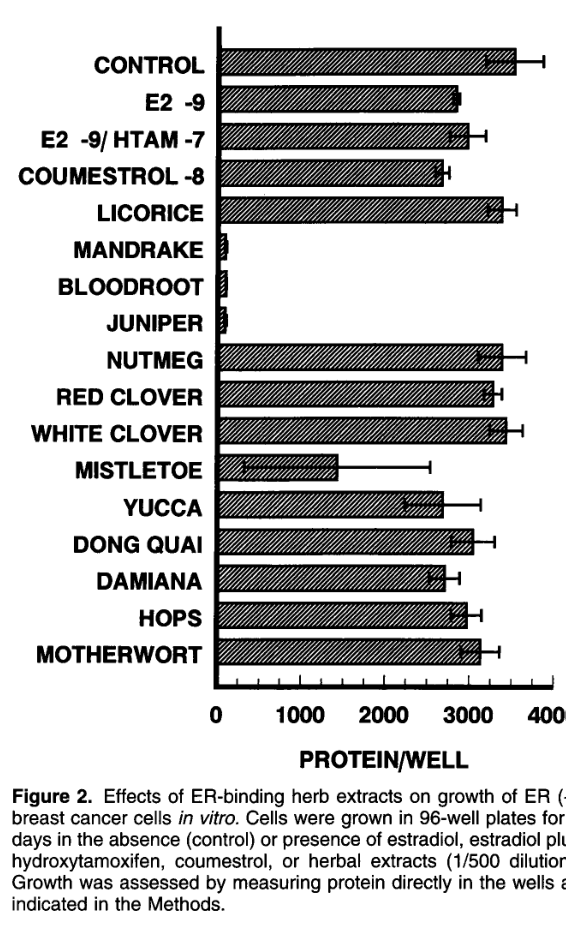
https://journals.sagepub.com/doi/abs/10.3181/00379727-217-44247
-
Dates, olives and walnuts contain the highest amounts of the phytoprogestogen syringic acid.
Dare to think.
My X:
x.com/Metabolicmonstr -
@Mauritio said in Random, interesting studies:
3,8-Dihydrodiligustilide
Strong phytoprogestogen.
https://en.m.wikipedia.org/wiki/3,8-DihydrodiligustilideIt has almost the same potency as progesterone (80% of it). And it has no estrogenic or anti-androgenic effects.
"EtOH extracts of the dried rhizome of L. chuanxiong demonstrated strongest
progestogenic activity, reaching 80% of that observed with progesterone (100 nM) and had an EC50 of 8 lg/ml (Fig. 1b). The bioactivity of L. chuanxiong extract was spe-
cific to the PR, and the extract was at least 200-fold less active on other related members of the steroid receptor family like androgen, estrogen and glucocorticoid receptors."The plant Ligusticum sinense chuanxiong from which it is extracted is traditionally used to treat uterus issues. It also has been studied to treat strokes and Parkinson's.
In this review they look at the anti inflammatory effect of it.
Dare to think.
My X:
x.com/Metabolicmonstr -
@Mauritio said in Random, interesting studies:
@Mauritio said in Random, interesting studies:
3,8-Dihydrodiligustilide
Strong phytoprogestogen.
https://en.m.wikipedia.org/wiki/3,8-DihydrodiligustilideIt has almost the same potency as progesterone (80% of it). And it has no estrogenic or anti-androgenic effects.
"EtOH extracts of the dried rhizome of L. chuanxiong demonstrated strongest
progestogenic activity, reaching 80% of that observed with progesterone (100 nM) and had an EC50 of 8 lg/ml (Fig. 1b). The bioactivity of L. chuanxiong extract was spe-
cific to the PR, and the extract was at least 200-fold less active on other related members of the steroid receptor family like androgen, estrogen and glucocorticoid receptors."The plant Ligusticum sinense chuanxiong from which it is extracted is traditionally used to treat uterus issues. It also has been studied to treat strokes and Parkinson's.
In this review they look at the anti inflammatory effect of it.
HED about 20g of the extract.
"Effect-time studies indicate that injection of MPA and L. chuanxiong extract raised area-under-curve of progestogenic activity in sera by 8.2-fold (p<0.001) and 4.5-fold (p<0.01) respectively, compared to sera from rats administered vehicle only. Administration of MPA and L. chuanxiong extract by the oral route resulted in a 5.4 (p<0.001) and 2.3-fold (p=0.07) increase respectively. Our data suggest that PR-responsive reporter gene bioassays can measure bioavailability of compounds, known and unknown, of complex botanicals for hormone replacement therapy. L. chuanxiong extracts exert progestogenic activity in vivo, and may have utility for progesterone-replacement therapy."https://pubmed.ncbi.nlm.nih.gov/16650443/
good review on it
https://www.tandfonline.com/doi/full/10.3109/13880209.2011.576346#d1e665HED = 850mg of the extract.
L. Chuanxiong completely prevented weight gain on a high fat diet. It increases antioxidants and cholesterol conversion into bile acids. Genes related to steroid biosynthesis were also upregulated so I guess that was another way it lowered cholesterol.
https://iadns.onlinelibrary.wiley.com/doi/full/10.1002/fft2.249Protective Effect of SFE-CO2 of Ligusticum chuanxiong Hort Against d-Galactose-Induced Injury in the Mouse Liver and Kidney
https://pubmed.ncbi.nlm.nih.gov/28056664/Chuanxiong Rhizoma extracts prevent cholestatic liver injury by targeting H3K9ac-mediated
https://pubmed.ncbi.nlm.nih.gov/37777319/Chuanxiong Rhizoma extracts prevent liver fibrosis via targeting CTCF-c-MYC-H19 pathway
https://pubmed.ncbi.nlm.nih.gov/38375042/ -
"PO [Peppermint oil ]significantly promoted bile and bile acid secretion in rats. It also increased bile acid efflux and decreased cholesterol levels (P < 0.01) in bile. In HepG2 cells the mRNA levels of CYP7A1 and FXR were significantly upregulated after treatment with PO."
https://onlinelibrary.wiley.com/doi/full/10.1111/j.1751-2980.2011.00513.x?utm_source=chatgpt.comMenthol + Menthone seem to have a dopaminergic effect
https://pubmed.ncbi.nlm.nih.gov/18718482-/
https://pubmed.ncbi.nlm.nih.gov/12686756/Menthol has some overlapping effects with progesterone as per this study
https://pubmed.ncbi.nlm.nih.gov/13819868/
It also acts as an anaesthetic like progesterone
https://pubmed.ncbi.nlm.nih.gov/11301871/Mode of action of peppermint oil and (-)-menthol with respect to 5-HT3 receptor
https://pubmed.ncbi.nlm.nih.gov/21077259/"...menthol acts as a noncompetitive antagonist of the 5-HT3 receptor..."
https://pubmed.ncbi.nlm.nih.gov/23965380/Menthol decreased milk production ,which hints at an anti prolactin effect and it inhibits mTOR.
https://pubmed.ncbi.nlm.nih.gov/33188562/Anti-leukemic effect of menthol, a peppermint compound, on induction of apoptosis and autophagy
https://pubmed.ncbi.nlm.nih.gov/36923503/I'd say given these studies, it's worth to try peppermint oil, which can consist of up to 80% menthol + Menthone.
Dare to think.
My X:
x.com/Metabolicmonstr




Hello! It looks like you're interested in this conversation, but you don't have an account yet.
Getting fed up of having to scroll through the same posts each visit? When you register for an account, you'll always come back to exactly where you were before, and choose to be notified of new replies (either via email, or push notification). You'll also be able to save bookmarks and upvote posts to show your appreciation to other community members.
With your input, this post could be even better 💗
Register Login