Random, interesting studies
-
@CrumblingCookie nice…
-
Melatonin inhibits cardiolipin peroxidation in mitochondria and prevents the mitochondrial permeability transition and cytochrome c release
https://pubmed.ncbi.nlm.nih.gov/19577639/ -
at those high doses is there actually any time that light won't potentially negatively interact with retina ? methylene blue and riboflavin are also not a great idea apparently to take at high doses and go in strong sunlight unless an antimicrobial or anti tumour effect is desired with some risk of damaging healthy cells.
anyways since you're taking ss-31 maybe also look into ghk. there is a published paper by Lorne pickhardt (sp?) using it on a constant drip for 7-10 days and it is something like 10-100x more effective than taking a singe larger dose everyday. it's something like use a 100mg vial on a constant drip over a week, or maybe it was 3 days or something, but the data on it shows it is way more effective than a larger dose taken everyday. can use an insulin pump or just do 10 shots a day. if you use ghk-cu (the blue one) if you also put bpc 157 in the shot it apparently doesn't sting. ghk by itself doesn't sting.
tb4 (1-43) also synergizes with antibiotics so maybe it syngerizes with antifungals too. there's ll-37 which is an antimicrobial peptide as well.
-
Gentiana Lutea
-It has anti-microbial effects against a vast variety of species amongst them: Candida albican, S. aureus and E. Coli .
The main active metabolites seem to be Gentiopicrin,
Mangiferin and Isogentisin.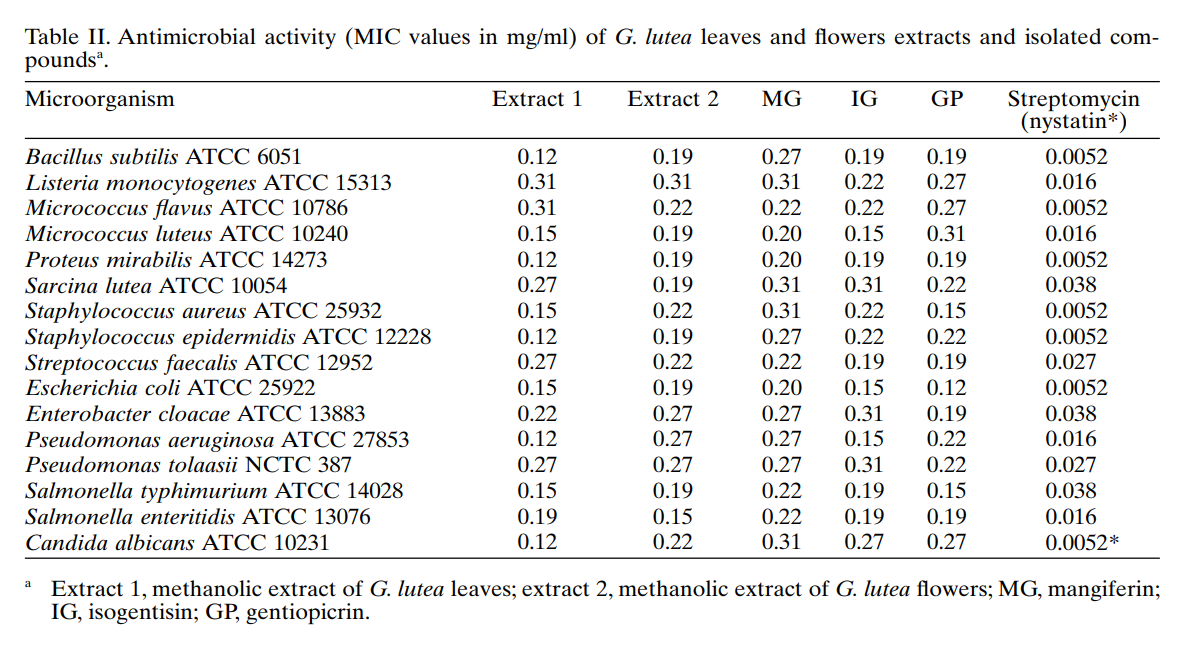
https://sci-hub.kvnp.top/10.1515/znc-2009-5-606-Mangiferin, one of the main active components of G. lutea enhances effects of other anti- fungals
https://pubmed.ncbi.nlm.nih.gov/39012219/-Anti-obesity effect of G. Lutea in vitro and in vivo.
https://pmc.ncbi.nlm.nih.gov/articles/PMC7288051/#sec2-molecules-25-02453-Gentiana lutea exerts anti-atherosclerotic effects
https://pubmed.ncbi.nlm.nih.gov/26868432/
Gentiopicroside
-Is neuroprotective, lowers iron accumulation and inflammation
https://pubmed.ncbi.nlm.nih.gov/40256942/-Gentiopicroside downregulates NMDA receptor GluN2B receptors in nucleus accumbens
https://pubmed.ncbi.nlm.nih.gov/22621711/ -
there is a published paper by Lorne pickhardt (sp?) using it on a constant drip for 7-10 days and it is something like 10-100x more effective than taking a singe larger dose everyday. it's something like use a 100mg vial on a constant drip over a week
Do you have a link to that publication? I cannot find it neither by Loren Pickart nor anyone else.
Thanks for your suggestions and yes I've started GHK-Cu at the same time, 1-2mg pd.
I also got NAD+ and pinned that once but NAD+ is of much inferior priority. As is resveratrol. And then all the vitamins, except perhaps folate and B12, and the stimulants like choline, quinones, CoQ10, MB etc which demand already well-functioning mitos as a prerequisites.
I assume my body will have plenty to do with its mitos plus already the bpc and ghk-Cu stimuli. SS-31 slightly stings btw.Wrt to the retina there are only rodent studies (which are wrong to make human conclusions of in many cases) showing that timing of administration does matter
https://pubmed.ncbi.nlm.nih.gov/1582795/
https://pubmed.ncbi.nlm.nih.gov/18078931/
Long-term and in humans I read about MEL possibly improving serious ocular diseases: AMD, IOP (glaucoma).
I'm going to add 1mg/ml MEL and BPC to 3% DMSO eye drops in a while.methylene blue and riboflavin are also not a great idea apparently to take at high doses and go in strong sunlight
I agree. I could strongly feel that sensitivity by MB in my skin even in wintertime. The antimicrobial effects of MB+PDT are really poor anyway and for antitumour effects there are better dyes like locally injected bengal rose.
Melatonin is totally different from MB though and not an oxidant but even its metabolites are still protective. There just may or may not be some kind of signalling to the eyes like "hey it's nighttime, relax, no need to worry about strong light until dawn".Melatonin inhibits cardiolipin peroxidation in mitochondria
Yes! That's what I had read as well. Thanks for posting it.
It also strongly brings about all these SIRT3 activation cascades:Caffeine Targets SIRT3 to Enhance SOD2 Activity in Mitochondria
https://pmc.ncbi.nlm.nih.gov/articles/PMC7493682/Sirt3 Deficiency Shortens Life Span and Impairs Cardiac Mitochondrial Function Rescued by Opa1 Gene Transfer
https://pubmed.ncbi.nlm.nih.gov/31269804/"SIRT3 reduced the expression of stearoyl-CoA desaturase 1..."
https://pubmed.ncbi.nlm.nih.gov/31160717/ -
Emodin
Emodin enhances life span in C. Elegans by up to 20%.
Also made them More stress resistant.
The life span imcrease was dependant on DAF-16 and SIR-2.1. The human homologs to those are FOXO and SIRT1.
https://sci-hub.kvnp.top/10.1080/09168451.2017.1365592#Emodin activates AMPK.
https://pubmed.ncbi.nlm.nih.gov/23303186/Emodin protects against high-fat diet-induced obesity via AMPK
https://pubmed.ncbi.nlm.nih.gov/22673833/Emodin Inhibits NLRP3 Inflammasome Activation and Protects Against Sepsis via Promoting FUNDC1-Mediated Mitophagy
https://pubmed.ncbi.nlm.nih.gov/40520006/Emodin (and other quinones) often work as an anti-oxidant.
"Emodin treatment improved redox balance by reducing ROS levels, decreasing oxidative damage markers, and enhancing antioxidant defenses, particularly in older animals."
https://pubmed.ncbi.nlm.nih.gov/41756681/Emodin is a MAO-B inhibitor. The concentrations necessary are not realistic, mostly because emodin is so poorly absorbed. Maybe sublingual dosing could help?
https://pubmed.ncbi.nlm.nih.gov/15120460/Dare to think.
My X:
x.com/Metabolicmonstr -
@Mauritio Interesting that you regard AMPK activation as beneficial.
I myself have been at a bit of a crossroads for how to regard AMPK since from a strict Peat perspective, AMPK is a signal of low energy availability and thus stress.
Nevertheless the evidence that AMPK activation increases lifespan is clear, and the peaty counter is usually about a reduction in endotoxin due to food restriction.
Question for you: Would you regard AMPK raising substances like berberine to be of net benefit?
Thx
In time there is life but no knowledge; outside time there is knowledge but no life
-
@jamezb46 question wasn’t addressed to me, but mayhaps I input that berberine activates AMPK via inhibition of complex 1 and salicyate is a “Peaty” activator via binding to a receptor I forgot which one. Though to get the noticeable doses you probably need to induce levels that are dangerous.
-
I myself have been at a bit of a crossroads for how to regard AMPK since from a strict Peat perspective, AMPK is a signal of low energy availability and thus stress.
It started when I researched low protein and FGF21. I realized most of these markers like AMPK, FGF21 and Sirtuins are strongly connected to peaty things like thyroid, klotho and overall health. Like you can't strictly separate them from each other and say one is bad and the other one is good. That's the Danny Roddy trap. He simultaneously says low protein is good, while FGF21 is bad. That's an illegal chess move

Here's a list of peaty substances that activate AMPK. So either those substances are beneficial despite or because of AMPK activation. I tend towards the latter.
Question for you: Would you regard AMPK raising substances like berberine to be of net benefit?
I think every substance has to be evaluated individually. Even if something has one seemingly bad MoA the overall net effect can still be good.
Berberine could be such a substance but I haven't looked into it yet. -
DANDELION
-It reverses the effects of ionizing radiation quite effective.
Liver enzymes, inflammatory markers, MDA, testosterone, StAR are all pretty much back to baseline, with dandelion supplementation before or after radiation.
https://sci-hub.kvnp.top/10.1007/s11033-019-04939-9#-lowers weight gain, triglycerides and liver steatosis on a high fat diet, while increasing insulin sensitivity.
The affects were reliant an AMPK activation.
https://sci-hub.kvnp.top/10.1016/j.fct.2013.04.023#-reverses antibiotic resistance
https://pubmed.ncbi.nlm.nih.gov/32602832/ -
TETRAHYDROCURCUMIN
THC increases lifes span in mice by about 12%
https://link.springer.com/article/10.1007/s10522-007-9100-zTetrahydrocurcumin extends life span in fruit flies
https://pmc.ncbi.nlm.nih.gov/articles/PMC3249455/#s2It lowered weight gain, inflammation and liver steatosis on a HFD via AMPK activation.
https://pubs.acs.org/doi/10.1021/acs.jafc.8b04624THC helps NAFLD, lowered SCD1 and FAS. Increased bile acid excretion via Mrp2 and Bsep. And changed bile acid composition.
https://pmc.ncbi.nlm.nih.gov/articles/PMC11816436/Increases CYP7A1, a key rate-limiting enzyme in cholesterol-to-bile acid conversion.
Also increases FXR receptor.
https://www.frontiersin.org/journals/microbiology/articles/10.3389/fmicb.2025.1576221/fullTHC inceases dopamine via MAO-B inhibition.
https://pubmed.ncbi.nlm.nih.gov/18408903/Tetrahydrocurcumin Outperforms Curcumin in Preventing Oxidative Stress
https://pubmed.ncbi.nlm.nih.gov/40649742/It inhibits tumor growth in Triple-negative breast cancer
https://pmc.ncbi.nlm.nih.gov/articles/PMC12789769/Curcumins inhibit 3bHSD and progesterone production. Although the more saturated verion THC is less powerfull at that. Dosage seems so high that effects should be negligible.
https://pmc.ncbi.nlm.nih.gov/articles/PMC10187107/THC increases UCP1 and adiponectin in adipose tissue
https://www.mdpi.com/2072-6643/13/12/4552normalizes blood glucose and causes a marked improvement of altered carbohydrate metabolic enzymes
https://pubmed.ncbi.nlm.nih.gov/16438392/Radiation protective
https://pubmed.ncbi.nlm.nih.gov/10803946/ -
Cannabigerol attenuates liver fibrosis via AMPK activation
https://pubmed.ncbi.nlm.nih.gov/40818359/ -
Intracellular pathogens inhibit their xeno-autophagic degradation through over-expression of histamin receptor 1, which inhibitis phagosome maturation and fusion to autophagosomes by restraining the necessary production of cytosolic (not mitochondrial) ROS (radical oxygen species).
H1 inhibitors emerge as potent therapeutics, (HDT; host directed therapies) against such diseases (tuberculosis! salmonella! but also likely chlamydia and mycoplasma).This means cetirizine 10mg bid or ebastine 20mg once daily are valuable, perhaps even indispensable enhancers of clearance of such chronic infections.
The nice bonus about ebastine - hugely underappreciated in "Peat-world"? - is that its active form carebastine (activation through Cyp3A4) has recently been identified as a dopamine reuptake inhibitor. This makes ebastine, which acts peripheraly (very little CNS penetration) a long-acting (half-life 14-19h), wholesome alternative for e.g. specific gastrointestinal serotonin-blockers like ondansetron.For CNS activity, benztropine has emerged as the H1 inhibitor with the best overall safety profile. It's also quite anticholinergic although I'm curious about how much so in comparison to the overpraised love-it-or-hate-it cyproheptadine. The anti-cholinergic activity, however, is essential for its also specifically promoting neuronal differentiation (in Parkinson disease or Multiple Sclerosis).
Clemastine as a non-anticholinergic H1RI, which had shown tremendous CNS benefits in neurodegenerative diseases and for re-myelination etc., has surprisingly turned out be somewhat controversial. While it widely enhances neuronal restoration, in some people it drastically speeds up overall degradation by enhanced pyroptosis (inflammatory cell death) through P2RX7 signalling in the TRAP-MS Trial. Scary.
Inhibition of H1 should be very synergistic with the positive results shown of metformin as mTOR inhibitor as shown so far in ongoing MS trials. Both enhance / restore autophagy which has been impaired by whatever cause.
-
Progesterone seems to have some interaction with 5ht1a.
not sure what. but seems antagonistic somehow.
could also be that it lowers serotonin and therefore lowers 5ht1a receptor density.https://pubmed.ncbi.nlm.nih.gov/12742638/
https://pubmed.ncbi.nlm.nih.gov/12062903/ -
Hesperidin
Hesperidin (and diosmin) increase FGF21 and lower MDA in mice.
https://pubmed.ncbi.nlm.nih.gov/39459367/Increases FGF21 and strongly lowers SCD1.
https://pmc.ncbi.nlm.nih.gov/articles/PMC6180094/27% max life span increase, not bad. In C. Elegans though.
"Compared with that of the control group, the average and maximum lifespans of C. elegans treated with 75 μM Hst were extended by 16.28% (p < 0.05) and 27.27% (p < 0.01), respectively."
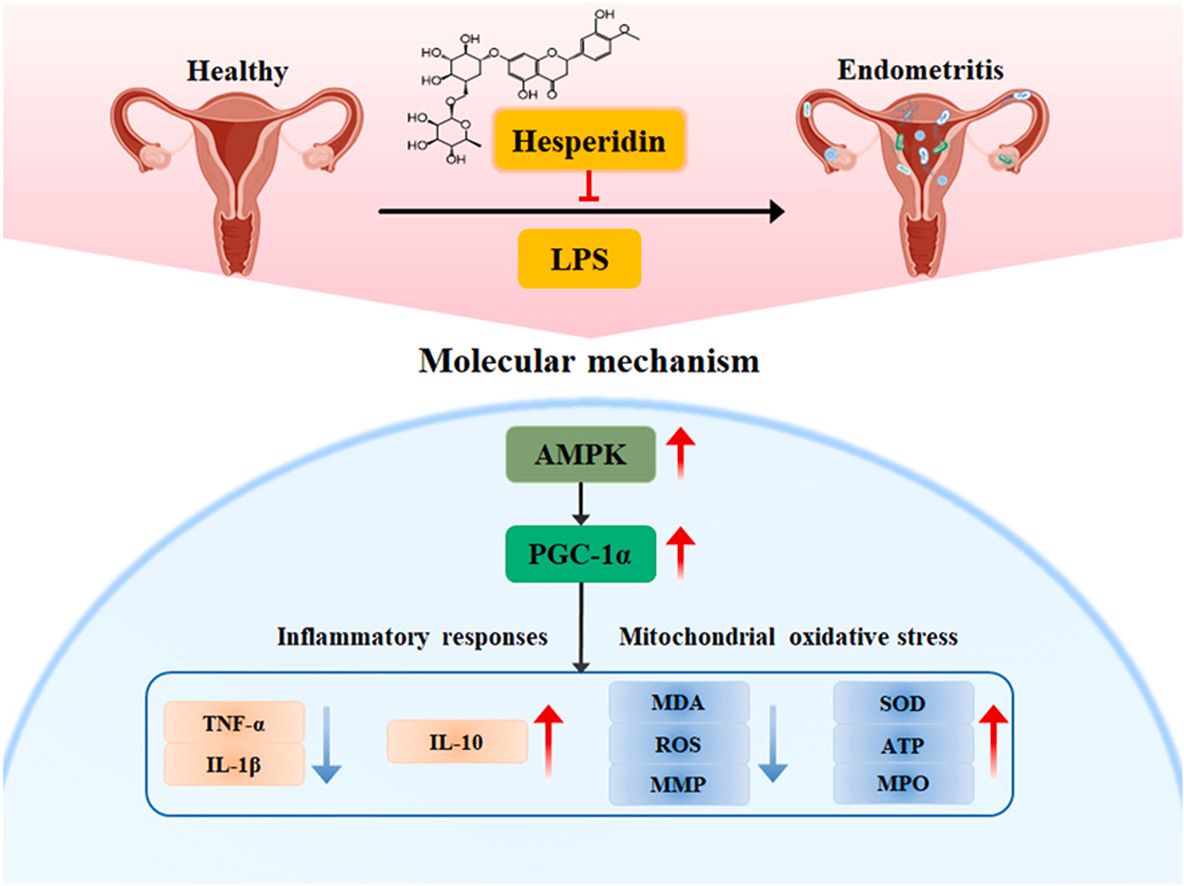
https://pmc.ncbi.nlm.nih.gov/articles/PMC11642050/#sec2-ijms-25-13148It mitigated the damage that endotoxin causes to the uterus by activating AMPK and PGC-1A.
https://pubmed.ncbi.nlm.nih.gov/40886876/It increases the protein level of Klotho, SIRT1 and MnSOD
https://pubmed.ncbi.nlm.nih.gov/41463028/There's a lot of studies showing benefits on skin health. So I thought about making a topical solution of hepseredin. It's not very soluble in many things.
This study used 70% ethanol and it worked.
https://pmc.ncbi.nlm.nih.gov/articles/PMC4366273/
The alcohol might be drying to the skin so not sure if that makes sense.Anti-Fibrotic and Anti-Inflammatory Effects of Hesperidin in an Ex Vivo Mouse Model of Early-Onset Liver Fibrosis
https://pmc.ncbi.nlm.nih.gov/articles/PMC12840767/ -
What is going on with Chia seeds ??
Randomly stumbled upon this.
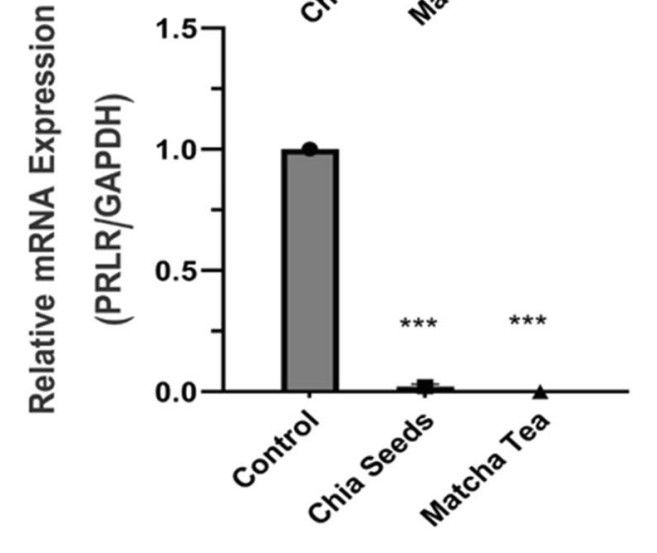
A casual 7x increase in testosterone while it decimates prolactin. Not bad.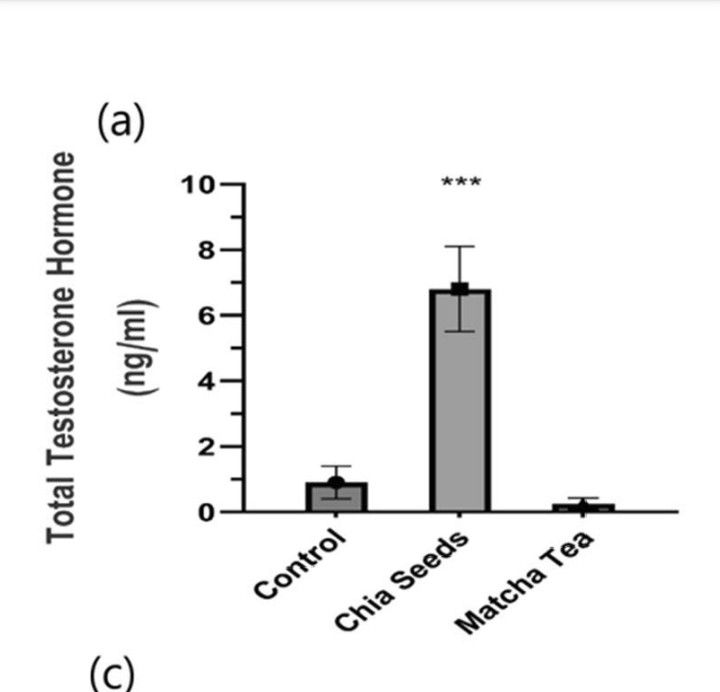
https://link.springer.com/article/10.1007/s11250-025-04391-x
In this study it restored testosterone and thyroid hormones that were suppressed from heavy metal exposure. Also increases antioxidants quite strongly.
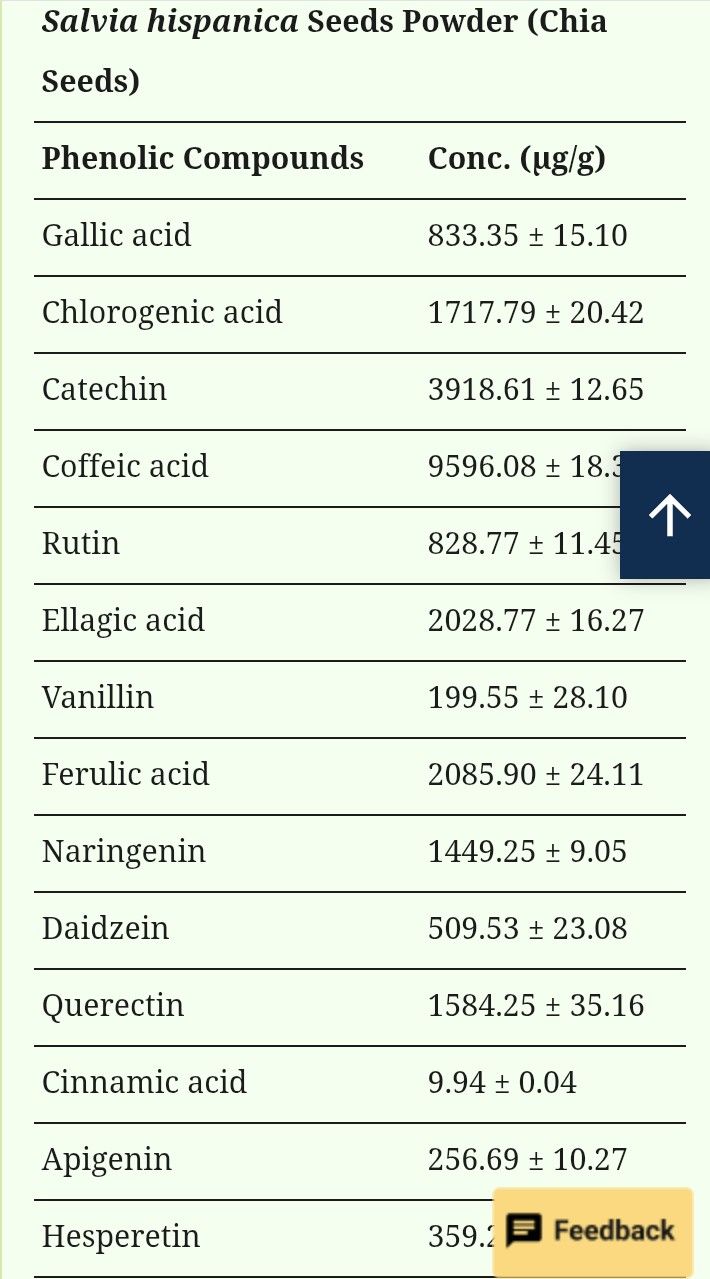
It has a pretty high polyphenol content (see image above)
https://pmc.ncbi.nlm.nih.gov/articles/PMC10817305/#sec3-life-14-00109
In this study in female animals it increased Progesterone and LH significantly.
https://www.sciencedirect.com/science/article/abs/pii/S0040816623001441
In this study after thyroidectomy, Chia seeds extract was given.
It completely restored thyroid hormones, testosterone and sperm parameters. Also lowered MDA, and increased antioxidants.
https://arccjournals.com/journal/asian-journal-of-dairy-and-food-research/DRF-413
Chia seeds arevery high in PUFA, especially Omega 3s . So not sure how they help so much with hormones, since PUFA usually is anti-androgenic.
Maybe it's a short term effect ?
Maybe Chia seeds help with transit and reduce gut inflammation ? -
@Mauritio a distinction is its powder. I don’t think the seeds are digested and stay intact. Awesome find regardless
-
@alfredoolivas
Nice catch, this might be important. So it's actually something in the seeds, not the laxative effect.Just saw you can also buy Chia seeds as powder.
-
Plant Pregnenolone
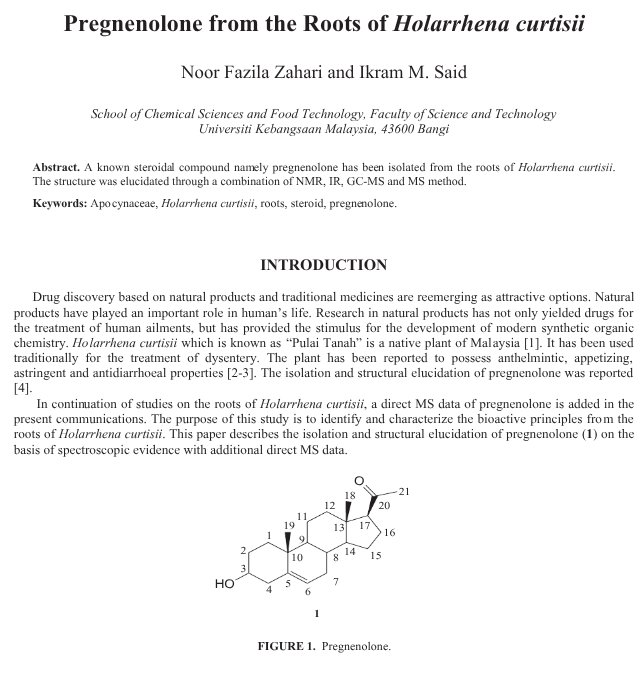
The Malaysian plant Holarrhena curtisii contains actual pregnenolone. Its properties also sound somewhat anti-serotonergic.
It also contains alkaloids with steroidal activity
https://pubmed.ncbi.nlm.nih.gov/9834146/
Another alkaloid from the same genus can convert into Pregnenolone in vivo
https://www.researchgate.net/publication/248216582_In_vivo_conversion_of_a_steroidal_alkaloid_holaphyllamine_to_pregnenolone
This paper shows that plants con convert steroids into each other and contain different ratios of known steroids.
Digitalis grandiflora for example contains pregnenolone, progesterone, 17α-hydroxypregnenolone, DHEA, and testosterone
https://pure.mpg.de/rest/items/item_3524574_6/component/file_3528676/content
Holarrhena pubescens another plant from the same genus has anti malarial effects, which rely on the pregnene-type steroidal alkaloids
https://pubmed.ncbi.nlm.nih.gov/29172699/Interesting effects of Holarrhena pubescens on diabetes, also anti-microbial and anti-inflammatory
https://www.mdpi.com/2218-273X/10/9/1341#Conessine, a steroidal alkaloid from Holarrhena pubescens has antiviral, antiplasmodial, anti-inflammatory, and neuroprotective effects.
https://papers.ssrn.com/sol3/papers.cfm?abstract_id=6496801Conessine is a histamine H3-antagonist
https://pubmed.ncbi.nlm.nih.gov/26924015/ -
Hormones activate one of the bitter Taste receptors.
". androsterone, dehydroepiandrosterone, and dehydroepiandrosterone sulfate with 0.1 µM and adrenosterone as well as pregnenolone with 0.3 µM, respectively, showed threshold concentrations in the submicromolar range."
https://pmc.ncbi.nlm.nih.gov/articles/PMC12915477/#nyas70172-sec-0080
Dare to think.
My X:
x.com/Metabolicmonstr





Hello! It looks like you're interested in this conversation, but you don't have an account yet.
Getting fed up of having to scroll through the same posts each visit? When you register for an account, you'll always come back to exactly where you were before, and choose to be notified of new replies (either via email, or push notification). You'll also be able to save bookmarks and upvote posts to show your appreciation to other community members.
With your input, this post could be even better 💗
Register Login