Reversal of hair loss in Mice with “sugar gel”
-
Just a quick update: i stoped applying because it was making my hair very dry. I suspect it was the alcohol.
Dare to think.
My X:
x.com/Metabolicmonstr -
@Mauritio I like how solban (I make my own) makes my hair feel, very nice
-
@Mauritio interesting. Thoughts on diluting with more water?
-
@LetTheRedeemed Well that would take me waiting until all the damaged hair has grown out which would take about 1 year. After which I'm not going to damage my hair for another year by trying out a less strong version.
Dare to think.
My X:
x.com/Metabolicmonstr -
has anyone tried tropical pycnogenol ?
it can work like minoxidil in its effect for increasing bloodflow and opening up blood vessels
-
@Mauritio interesting… i personally haven't seen damage.
-
@LetTheRedeemed good for you . Then keep going ! Don't want to discourage anyone. I think I just have sensitive hair.
Dare to think.
My X:
x.com/Metabolicmonstr -
@Mauritio if you dont mind my asking, what does the damage look like?
-
results from men who used rosemary oil
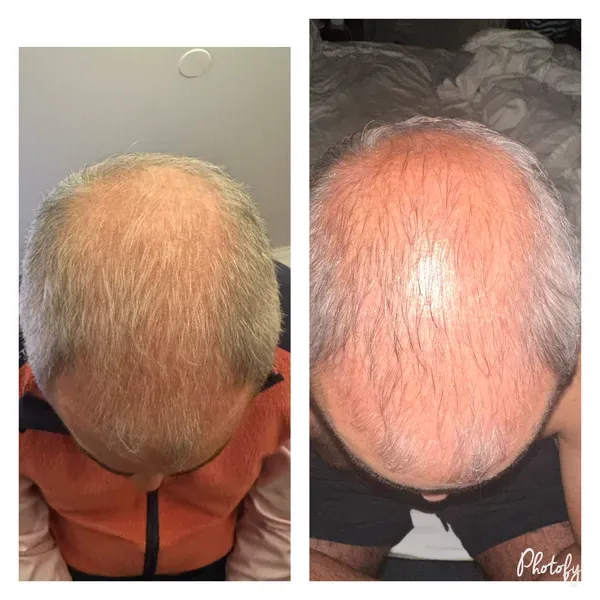
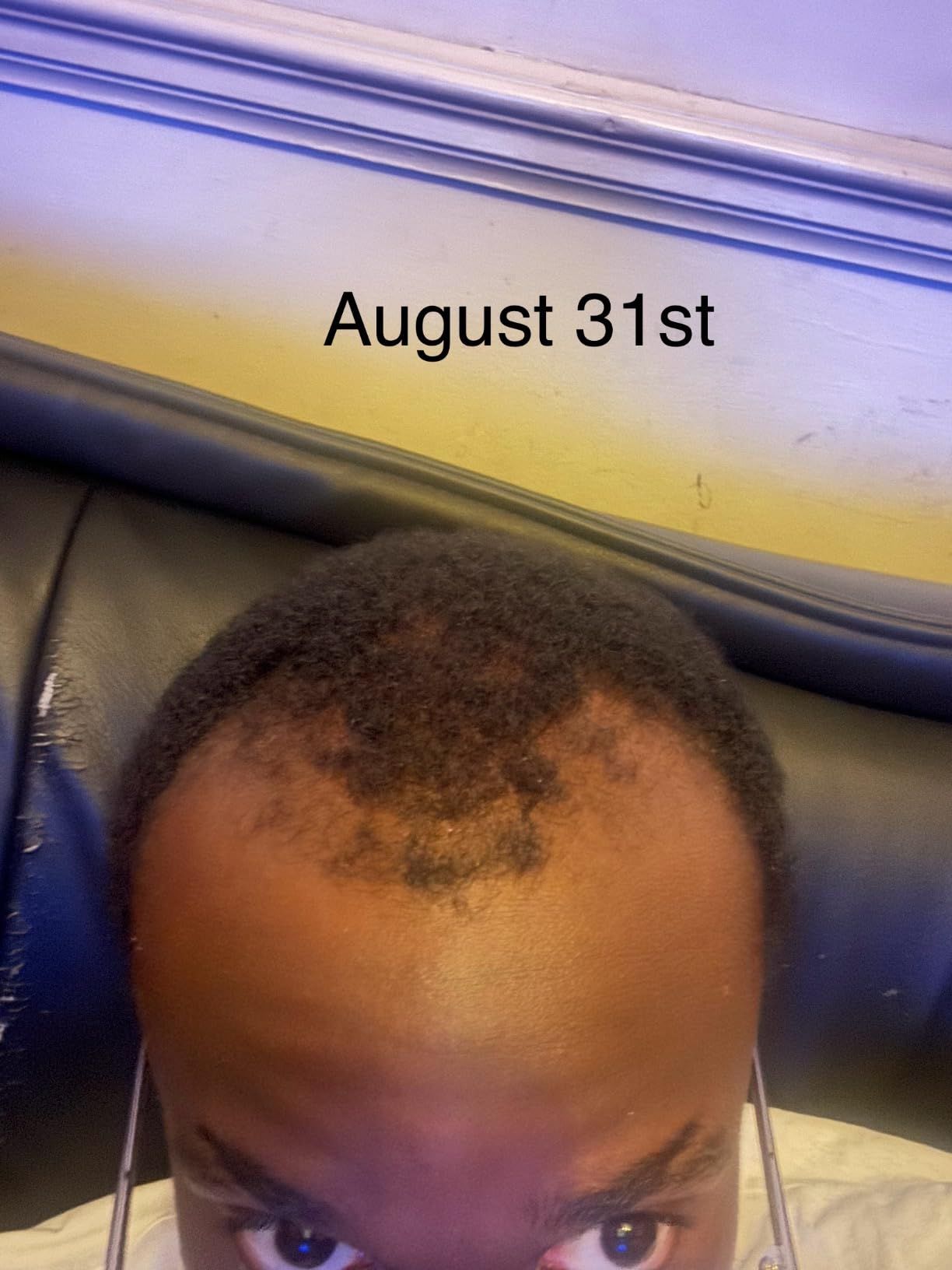
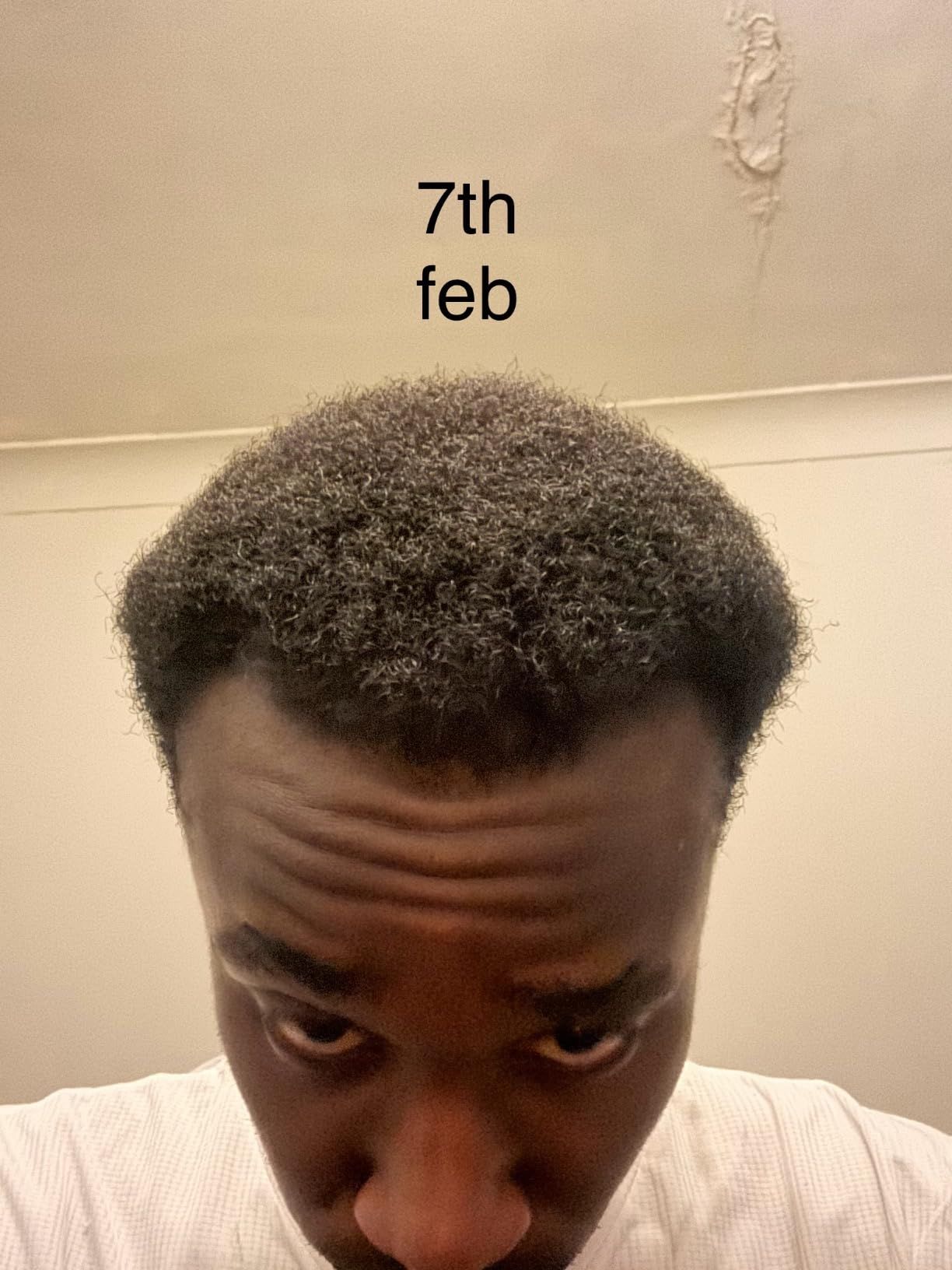
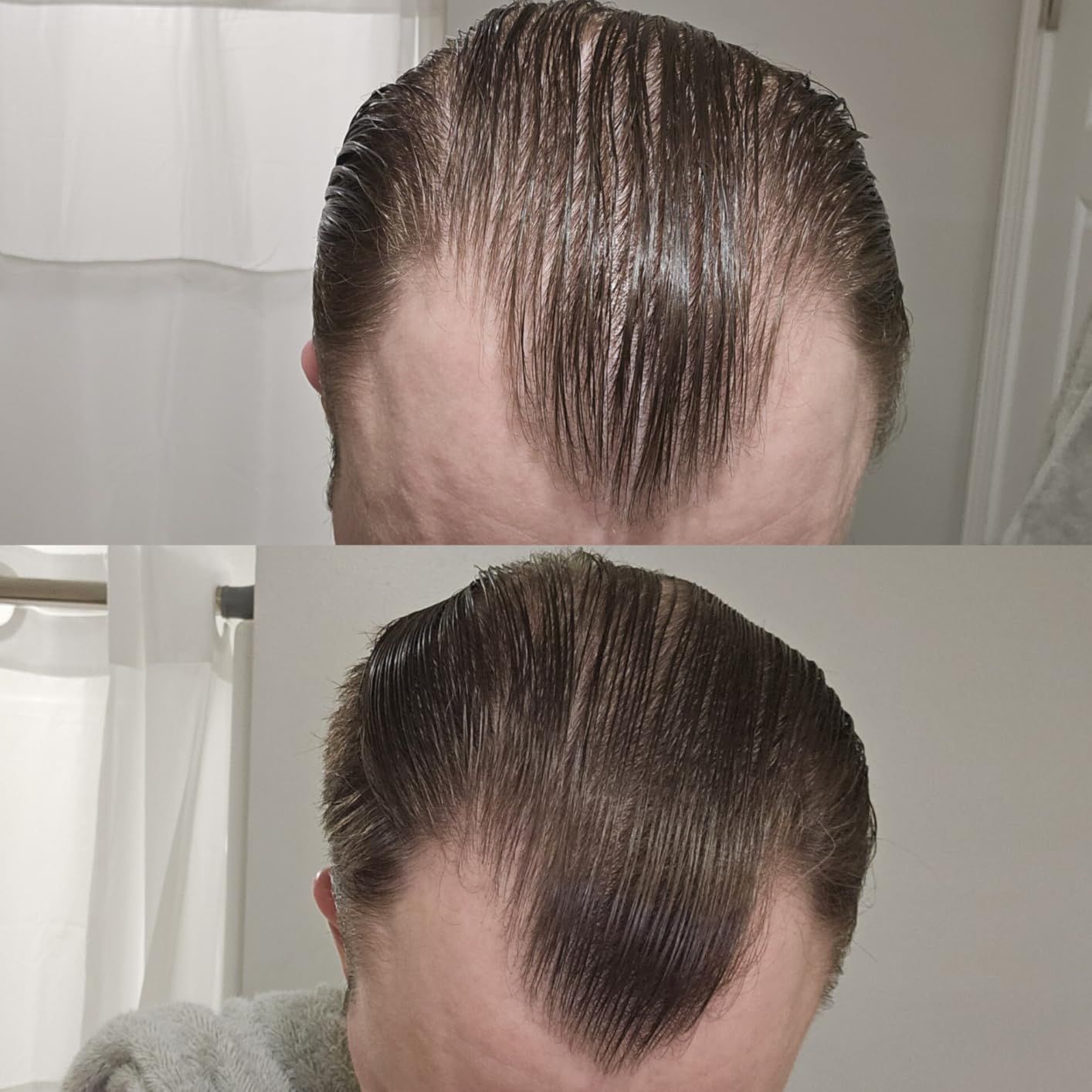
-
@wester130 is there a known mechanism? I've often been cautious of herbalistic remedies that work, as they may be working on the NO pathway...
-
Boosts blood circulation, anti-inflammatory, blocks DHT in the scalp, anti-fungal, anti-microbial, probably effective against parasites like demodex mites.
-
Carnosic Acid: This compound has antioxidant and anti-inflammatory properties. It improves scalp health by reducing inflammation and oxidative stress, which can contribute to hair loss. It may also stimulate blood circulation to the scalp, enhancing nutrient delivery to hair follicles, promoting growth.
Ursolic Acid: This compound is believed to inhibit 5-alpha-reductase, an enzyme that converts testosterone to dihydrotestosterone (DHT). -
for people wanting a herbal, ethanol based solution, this is the best I could discover
menthol crystals.
camphor crystals
thymol crystals
caffeine
niacinamidemix into vodka
it avoids the greasiness of essential oils
-
@LetTheRedeemed I don’t think NO pathway is necessarily always bad. If you’re underproducing NO, you might actually benefit from it.
-
@Mauritio said in Reversal of hair loss in Mice with “sugar gel”:
This study suggests that the higher G6PD is the more anagen hairs you have.
G6PD creates R5P (ribose-5-phosphate).
This might be why ribose could work.
Because ribose is also converted to R5P.
If you already have more R5P, you need to convert less G6P into it, and thus leaves more for glyocgen synthesis. So ribose indirectly increases glyocgen levels.Or it could have to do with nucleotide synthesis .
R5P is used for it and maybe nucleotide Synthesis is an overlooked player in hair loss ? Haven't looked into it.Makes me wonder if I should add some ribose to the above formula...
Does this imply that those with a G6PD deficiency would have trouble with hair?
@Mauritio said in Reversal of hair loss in Mice with “sugar gel”:
Interesting. The hair follicle seems to be use mostly aerobic glycolisis for energy production.
"...the hair follicle exhibits aerobic glycolysis, in that of the total glucose utilized by the hair follicle, only 10% is oxidized to CO2."
https://pubmed.ncbi.nlm.nih.gov/2045676/
This study goes hand in hand with the one above. It shows that hair follicles have their one corri cycle (producing glucose out of lactate) which makes sense since they're using mainly aerobic glycolisis, which provides lots of lactate as a waste product . They use that lactate and form glycogen out of it! Which in turn helps keep the hair follicle in anagen growing phases.
So if the hair can use lactate to make glycogen surely it can use glucose.
Usually glucose can either be directly metabolized to energy or converted to G6P via hexokinase serving as a building block for glyocgen .Which makes the glucose hypothesis even more attractive because the supply of glucose wouldn't have to be constant (which isn't realistic anyway) since the hair can synthesize glycogen and store it for when glucose levels drop, keeping the hair in an anagen phase.Another question: Is this related to total glycolysis or only the part that actually gets oxidized? Because if hair cells are predisposed to glucose oxidation in general, it would be great to reduce FFAs whether it's through max carb min fat or pyrucet or something else, so that the cells would experience a less hypoxic environment. Maybe this is why fat people often get hair loss?
-
@engineer said in Reversal of hair loss in Mice with “sugar gel”:
Does this imply that those with a G6PD deficiency would have trouble with hair?
I would think so.
@engineer said in Reversal of hair loss in Mice with “sugar gel”:
Another question: Is this related to total glycolysis or only the part that actually gets oxidized?
I think it's more related to local glycolysis. Glycolisis is the physiological state of metabolism of the hair (and skin and wounds and other fast dividing tissues) .
I don't know how much systemic metabolism affects scalp metabolism.Dare to think.
My X:
x.com/Metabolicmonstr -
@Mauritio said in Reversal of hair loss in Mice with “sugar gel”:
I think it's more related to local glycolysis. Glycolisis is the physiological state of metabolism of the hair (and skin and wounds and other fast dividing tissues) .
This alone could turn out to be one of (if not) THE major risk factors for hair loss. Someone else mentioned it, but keto diets tend to be brutal to hair, likely because increased FAO > /\ FFAs > \/ glucose available to use.
So that would imply that to help stop hair loss or regrow it, all you'd need to do is increase glycolysis, which we know how to do.
Are there any studies on such a change actually delivering results?
-
@engineer there was a guy on the rpf who had before and after pics of 7 months rubbing in topical progest-e.
Not that that exactly answers your question, but it at least is an example of pro-metabolic things helping hair metabolism as opposed to the common blood flow improvement methods. -
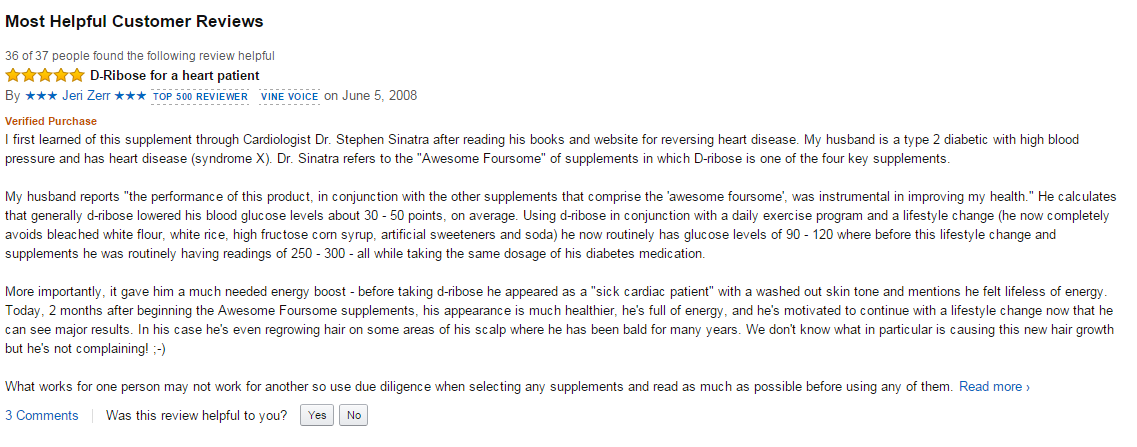
amazingly someone was talking about topical ribose 10 years ago
https://www.hairlosstalk.com/interact/threads/dermal-benefits-of-topical-d-ribose.69208/
and
and
https://immortalhair.forumotion.com/t11589-has-anyone-used-ribose?highlight=ribose
-
I had a realisation
It is not sugar you need, but ATP, so things like Ribose would be better
I think some people confuse the two



Hello! It looks like you're interested in this conversation, but you don't have an account yet.
Getting fed up of having to scroll through the same posts each visit? When you register for an account, you'll always come back to exactly where you were before, and choose to be notified of new replies (either via email, or push notification). You'll also be able to save bookmarks and upvote posts to show your appreciation to other community members.
With your input, this post could be even better 💗
Register Login