Dandruff or scalp irritation? Try BLOO.

  • The relationship between Candida infections and heavy metal toxicity

    96
    0 Votes
    96 Posts
    10k Views
    ?
    @Mauritio yeah I guess so. This stuff is confusing you know. My tests all come back normal for the most part. TSH 0.4 and good T4 and T3 yet I feel a swollen thyroid. Wtf
  • Topical progest E against gyno

    4
    0 Votes
    4 Posts
    455 Views
    GastonG
    I wouldn't try it. I would rather try these topicals: Vitamin E Vitamin K Caffeine Lisuride Metergoline Red light?
  • The relation between vitamin B6 and the unsaturated fatty acid factor

    9
    0 Votes
    9 Posts
    1k Views
    JulofEnochJ
    @Jakeandpace Yes, he did. "When dietary PUFA are not available, the body produces a small amount of unsaturated fatty acid (Mead acids), but these do not activate cell systems in the same way that plant-derived PUFAs do, and they are the precursors for an entirely different group of prostaglandins." article
  • 0 Votes
    22 Posts
    2k Views
    ?
    Honestly this stuff is shocking to think about, antibiotics at an early age wouldn't be so bad if someone told you just to eat muddy vegetables to fix the microbiome after... Generations before us all took antibiotics. We have been left with a lot of catchup work...
  • Cholesterol, Thyroid and Mortality

    4
    0 Votes
    4 Posts
    564 Views
    cs3000C
    @FTMarinetti they can lower it a lot like -30% -40% i think, and considering how often theyre thrown at people and with the perspective of "cholesterol = bad" would assume a lot of that group are kept on them to ensure its kept low and away from "high" cholesterol what they see as "healthier", eg in uk for a healthy person they see <200 as good and for an at risk person 150. ironically they see the cutoff point for dropping below good levels by that study as a ceiling level, inverse. i know someone who got prescribed statins with only a mild elevation and no heart problems then for the people that arent on more medications in that group indicated by the lower cholesterol, whatever other reason is causing their low cholesterol inducing poorer health (e.g cholesterol lowered in sepsis https://pubmed.ncbi.nlm.nih.gov/3940695/) for the other side maybe cholesterol as a protective molecule makes up for some of the effects of lack of thyroid to a point? (e.g preventing cancer and death by infections) , but over that the thyroid / hormones might get too low regardless
  • Why are Statins bad if your cholesterol puts you in the range of CVD risk

    14
    0 Votes
    14 Posts
    2k Views
    X
    @Nabokov I have always had very high cholesterol and also bad HDL to LDL ratios. Maybe this particular statin helps against arterial inflammation, which is really the cause of CVD? I have not taken any statins after my CBAG (bypass surgery) more than a couple decades ago. New studies show that very low does statins less than 5 mg per day help with arterial inflammation and I am thinking of taking them. Not Lipitor, but Crestor and Livalo. Perhaps Parastatin has the same affect.
  • Details about magnesium absorption

    magnesium sibo
    2
    6
    0 Votes
    2 Posts
    847 Views
    AmazoniacA
    Intestinal absorption of magnesium from food and supplements [image: 1712492538270-4b3d4066-b3e0-40d8-91b0-757165e74b2f-image.png] A suggestion when dealing with gut microbial imbalances: Supplemental Mg Meals with problematic ingredients Topical Typical everyday meals Oral 100 mg Meals with safe 'prebiotic' ingredients Oral >100 mg This is considering it a microbial growth factor that's worth restricting or exceeding in each extreme. The food content will add some more magnesium per meal and the total must not be too off from the efficient absorption range.
  • 0 Votes
    1 Posts
    508 Views
    No one has replied
  • Cobalamin (B12)

    cobalamin b12 vitamin b12
    2
    0 Votes
    2 Posts
    427 Views
    AmazoniacA
    One claim in this guy's article that has basis: "I discovered how B12 promotes healthy gastrointestinal microbial activity[.]" I think that it originated from here, where authors suggest.. "Based on recent studies of the role of corrinoids in the human gut, we propose that targeted manipulations of the gut microbiota could be achieved by altering the levels of specific corrinoids. This hypothesis is based on the following observations. First, over 80% of sequenced human gut bacteria are predicted to use corrinoids, but less than 25% have the genetic capacity to synthesize these molecules (Degnan et al., 2014); Second, human fecal samples have been found to contain up to eight distinct corrinoids (Allen and Stabler, 2008). Third, only a fraction of the corrinoids available in a microbial community can be used by a given organism because corrinoid-dependent enzymes have native specificity for their preferred cofactors (Keller et al., 2013; Mok and Taga, 2013; Yi et al., 2012). Fourth, corrinoids other than cobalamin are poorly recognized by human intrinsic factor, the key protein required for transport of cobalamin from the lumen of the small intestine. Finally, corrinoids are synthesized exclusively by bacteria and archaea, unlike many other vitamins that are also prevalent in plant-based dietary components (Roth et al., 1996). Thus, because different bacteria require distinct groups of corrinoids, we hypothesize that microbial communities can be manipulated by altering the levels of particular corrinoids." You can find it on the Garrey Smeat Forum. The authors above adopted a more conservative tone, similar to that of the group who did a comprehensive review on the topic: Vitamin B-12 and the Gastrointestinal Microbiome: A Systematic Review "Findings from in vitro, animal, and human studies suggest that vitamin B-12 may be associated with changes in bacterial abundance. While evidence from in vitro studies indicates that vitamin B-12 may increase alpha-diversity and shift gut microbiome composition (beta-diversity), results from animal studies and observational human studies were heterogeneous." They added: "Potential mechanisms Modulation of the gut microbiome by vitamin B-12 or other nutrients in one-carbon metabolism may occur via several potential mechanisms. The impact of vitamin B-12 on the gut microbiome may be explained by vitamin B-12–dependent enzymes and riboswitches (14, 18); however, the mechanisms that link vitamin B-12 and the human gut microbiome have not been fully established. One-carbon metabolism. The role of other nutrients in one-carbon metabolism may provide further insights into the links between vitamin B-12 and the gut microbiome. For example, SAM production (i.e., a methyl donor and product of one-carbon metabolism) can be used for DNA methylation in bacteria to alter gene expression (100) or in mucosal cells, which could impact the intestinal environment (99, 101, 102). SAM is also a substrate for production of metabolites used in communication between bacteria (i.e., quorum sensing) (103, 104). Through B-vitamin sharing among bacteria in the gut microbiome (20), bacteria may benefit from an abundance or stability of B-vitamin availability in the gut environment (105). Additionally, products of B-vitamin metabolism may be used by other bacteria in the gut (20, 105, 106), which may offer competitive advantage to some bacteria without B-vitamin–dependent enzymes. Other mechanisms. Choline can be metabolized by bacteria in the gut microbiome to produce trimethylamine (82), which may decrease choline availability for the host (107) and limit production of SAM. Additionally, niacin may have a role in decreasing bacterial endotoxin production and improving intestinal barrier function (108, 109), and Steinert and colleagues (92, 110) hypothesized that riboflavin may reduce oxidative stress via NADH-redox reactions in bacteria." "Findings from in vitro and animal studies suggest that specific cobalamin forms may differentially impact alpha-diversity and beta-diversity and bacterial abundance. Although in humans, all cobalamin forms are interconverted and transported within the cell (64), different forms of cobalamin may have distinct roles in bacteria metabolism. Differences in cellular transport among forms is unlikely, as the predominant transporter, an ATP-binding cassette (ABC)-type BtuFCD transport system, recognizes the lower ligand of cobalamin that is shared among all forms (18). In contrast, cobalamin forms may differ in enzyme affinity (i.e., adenosylcobalamin-dependent enzymes) or ability to control gene expression through riboswitches—regulatory elements of mRNA." "Most cobalamin riboswitches are thought to be adenosylcobalamin-dependent, as demonstrated in some model bacterial species (65–67), but some Escherichia coli riboswitches have over 500 times higher affinity for methylcobalamin and aquocobalamin, compared with adenosylcobalamin (68). Zhu et al. (26) found that cyanocobalamin improved growth and increased Shiga toxin production of E. coli compared with methylcobalamin, whereas Lactobacillus reuti had similar growth with both cobalamin forms. Cyanocobalamin and methylcobalamin also had different effects on enzyme activity, and cyanocobalamin had greater inhibition of riboswitch expression. In contrast, in the Propionibacterium strain UF1, cyanocobalamin, methylcobalamin, hydroxycobalamin, and adenosylcobalamin had similar regulation of genes involved in vitamin B-12 biosynthesis (69). As genomic studies elucidate mechanisms of gene regulation in bacteria, in vivo studies are needed to determine how different cobalamin forms impact the bacterial community." The positive outcomes are uncertain and, just as with various other nutrients, it's possible for B12 to be a virulence factor. To B12 or not to B12: Five questions on the role of cobalamin in host-microbial interactions When only good effects are anticipated, people are tempted to exaggerate. Over supplementation with vitamin B12 alters microbe-host interactions in the gut leading to accelerated Citrobacter rodentium colonization and pathogenesis in mice "Daily oral cobalamin supplements can contain doses that far exceed (as high as 10,000 μg/tablet) the recommended daily amount of 2.4 μg/day in humans. High exposures are required when normal absorption is impeded and are generally considered safe. The practice of over-supplementing cobalamin to ensure adequate absorption is supported by the fact that no upper limit has been set for B12 supplementation. A study in C57BL/6J mice using a dose comparable to a 5000 μg tablet (30.46 μg/day) for humans found a depletion in Bacteroides but no change in cecal short-chain fatty acids (SCFAs) or markers of dextran sulfate sodium (DSS)-induced colitis with B12 treatment, including colon length and fluorescein isothiocyanate-dextran permeability test [15]. Since competition exists between enteric pathogens and commensal microbes for B12 sequestering and sharing, we hypothesized that excessive cobalamin supplementation alters the gut microbiota’s functional activity, creating a favorable environment for pathogen colonization and pathogenesis. Due to the fact that no upper limit has been determined for B12, we supplemented a megadose of B12 to mice in drinking water and challenged with Citrobacter rodentium, a natural mouse-specific pathogen that mirrors the attaching and effacing pathology seen in human EHEC infections [16]. We evaluated the direct and indirect impact of oral B12 supplementation on the gut microbiota and ability of the host to resist enteric pathogen colonization and pathogenesis." "According to water intake, B12 supplemented in drinking water at 10 μg/ml and 40 μg/ml were estimated to reach a total dose of 30 μg and 120 μg per mouse a day, respectively. The human equivalent dose for the cyano- and methyl-cobalamin drinking water used in these studies is ~5000 μg/day (CNCbl10 & MeCbl10) and ~25,000 μg/day (CNCbl40 & MeCbl40), which was calculated using the standard human equivalent dose parameters [18]. A megadose was used in the present study to push the phenotype and ensure high B12 levels were maintained in the gut to disrupt competition, cross-feeding and microbe-host interactions related to B12 utilization by the gut microbiota. These levels were considered feasible within the human population, where 10,000 μg B12 capsules are available and would be taken as a single bolus. Comparing B12 supplementation between humans and mice using a multiplicity factor of their respective recommended dietary allowance (RDA) shows that a dose of 5000–10,000 μg tablet per day in an adult human is equal to 2083–4167 × their RDA of 2.4 μg/day, whereas mice receiving a 120 μg/day in the present study is equal to 2400 × their RDA. The RDA of B12 for mice is approximately 0.05 μg/day and is based on a diet containing 10 μg of B12 per kilogram that was deemed adequate for mice [19]." "In the present study, we showed that excessive B12 concentrations in the gut can induce a dysbiosis that promotes C. rodentium colonization and pathogenesis in mice. The B12-induced dysbiosis can be characterized by the decrease in members belonging to Clostridia vadinBB60 and Lachnospiraceae NK4A136 groups, along with an increased abundance of Parasutterella in the cecum and colon. The changes to the gut microbiota from B12 supplementation stimulated the production of the IL-12/23p40 subunit and IL-17A cytokines in the colon and opened the gut niche for C. rodentium colonization without any obvious tissue damage prior to pathogen challenge. In general, oral B12 supplementation can contribute to a dysbiosis that promotes low-grade inflammation and a virulent C. rodentium population regardless of cobalamin type. Through changes to the microbiota, a B12-saturated gut environment shifts the metabolism of C. rodentium from avirulent to virulent as determined by the decrease in glucose enzyme activity and increase in virulent gene expression." As for seafood broth containing free B12 and the broth being superior to supplemental form in correcting a deficiency, it's tricky. Broth from Canned Clams Is Suitable for Use as an Excellent Source of Free Vitamin B12 [image: 1711909639748-64b069bf-00a4-4412-9a96-a4548f4fd187-image.png] Not all B12 that's extracted is free (or perhaps in the desired form). They point out that it may be 70% of the cobalamin present in the broth, lowering its content to no more than 10 mcg free B12 per can. We have other sources reporting higher amounts: Characterization of vitamin B12 compounds from marine foods "Vitamin B12 is synthesized by only certain bacteria and archaea but not by animals or plants. In marine environments, bacterial vitamin B12 is transferred and concentrated into fish and shellfish bodies by plankton in the marine food chain. Moreover, marine macrophytic red algae, Porphyra spp. specifically contain substantial amounts of vitamin B12, due to microbial interaction. Although some meats or viscera of edible fish and shellfish are excellent sources of biologically active vitamin B12, an inactive corrinoid, pseudovitamin B12, was found in some edible shellfish using liquid chromatography/electrospray ionization–tandem mass spectrometry. To prevent elderly people from developing vitamin B12 deficiency due to food protein-bound vitamin B12 malabsorption, we present a survey of marine foods containing free vitamin B12. The results of our study suggest that bonito and clam extracts (or soup stocks), which contain considerable amounts of free vitamin B12 are useful not only as seasonings and flavorings but also as excellent sources of free vitamin B12." "Various types of fish soup stocks and extracts are manufactured for use as seasonings or flavoring. A certain extract made from raw muscle of bonito contains the highest free B12 (approximately 41 μg/100 g wet weight) among various fish extracts tested (Nishioka et al. 2008). Moreover, short-necked clam extract contains substantial amounts of free B12 (approximately 132 μg/100 g wet weight) (Ueta et al. 2010). The broth of canned clams also contains free B12 (approximately 14.1 μg/100 g wet weight) (Ueta et al. 2011b ⇈). Salted and fermented salmon kidneys (called "Mefun"), which have a delicate flavor and are popular only in Japan, contain substantial amounts of B12 (approximately 328 μg/100 g wet weight) (Adachi et al. 2005), most of which are derived from free B12. These results suggest that these fish and shellfish products are excellent sources of free B12 for preventing B12 deficiency among elderly persons with food-bound B12 malabsorption." Based on the previous material, they picked the highest content of all options and treated it entirely as free B12. Maybe they did the same with other values, but I haven't checked. If the person can't digest food properly, the poor liberation of B12 would only be one of the consequences of a greater concern, that possibly involves a more generalized state of malnutrition. In addition, free B12 doesn't guarantee sufficient absorption, the problem can be compounded by not being able to synthesize the protein needed to bind it (to maximize absorption) or an inability to absorb the complex after it forms in the gut. These are the majority of cases that are prone to progress to a serious deficiency, increasing the reliance on the passive process, that doesn't depend on protein complexation in the gut. How I treat cobalamin (vitamin B12) deficiency "In more limited absorptive disorders, such as malabsorption confined to food-bound cobalamin (FBCM),[27] impaired cobalamin release from food limits but does not incapacitate the IF system, which also presumably continues reabsorbing biliary cobalamin. Some forms of FBCM remit after antibiotics.[28,29] The rate of cobalamin depletion is unknown but is probably many years slower than in IF-related disorders (Table 2). If the underlying disorder is nonmalabsorptive, such as dietary insufficiency, clinical consequences are delayed even longer[30,31] because absorption and reabsorption are intact and because intake fluctuates. Only in rare disorders of cellular utilization do consequences appear rapidly (Table 2)." [image: 1711909654784-58a155f9-3d7f-46e6-b60a-6a765bedfd33-image.png] "Not surprisingly, most adults who come to medical attention with clinically expressed cobalamin deficiency are those with IF-related malabsorption. Savage et al[32] reported that 94% of patients with clinically expressed deficiency had IF-related malabsorption, such as PA or sprue; only 1% were vegetarians or had (presumptive) FBCM." So, if we're communicating with people who are deficient, they might have these compounding factors present. Supposing that the person finds seafood appetizing for frequent consumption and doesn't discard the arguably off-putting broth when products are canned, a generous content of 100 mcg free B12/100 g of broth would fall within a questionable therapeutic range. It's rare to find guidelines for B12 repletion with doses around 100 mcg, for being too high for the easily-saturable and (possibly) dysfunctional active process, and too low to compensate for the inefficiency of the passive absorption. [image: 1711909683126-7b1b252a-a984-44d0-a78b-432bac3fda36-image.png] The graphed values: [image: 1711909897636-d3e824fa-d9ab-4b56-bb47-8587c329ca34-image.png] The content of about 10 mcg free B12 in broth per can would barely tickle someone with malabsorption (the majority who are prone to deficiency). But when the only issue is releasing it from food and smaller amounts of free B12 are enough to avoid the problem, some hours are needed to renew the dose when counting primarily on the active process. Dietary Reference Intakes for Vitamin B12 | Institute of Medicine "The second of two doses of B12 given 4 to 6 hours apart is absorbed as well as the first (Heyssel et al., 1966)." Making it impractical to depend on a food for this dose renewal. Altogether, if you're deficient in B12, rather than relying on clam soup to get you covered, it's preferable to skip to the superior option: supplements. These allow the selection of form, amount, and timing depending on needs. Some people don't respond unless they take 500 mcg or more.
  • Yikes

    4
    0 Votes
    4 Posts
    528 Views
    JulofEnochJ
    @Joop3000 Yes, an "aldehyde treated protein" bonded canola oil. Certainly, loading cattle with aldehydes has no negative effects. Biohydrogenation is not a complete process, the encapsulation of oils comes along numerous feeding practices to raise n-3. So much wasted energy with fish meals and algae, I guess why not make nightmare canola. What I find interesting is that there's no effect on milk yield, when high PUFA typically reduces milk production. I can't access the study, but I'd like to see more. Coconut oil promotes fat oxidative stability by reducing the portion of PUFA and increasing alpha-tocopherol and causes the least weight-gain in cattle.
  • 0 Votes
    35 Posts
    3k Views
    ?
    Why does our society tell us this is ok and normal when the answers are out there and it isn't complicated to fix this when someone is still very young........ There is something VERY sinister about this world. I don't think theres much point living in this world if you are done growing at 18 and can't improve how you look wtf is the point seriously parents never tohught it was a problem when i was 12 or 14 that I was acting like a girl... wtf WHERE can we even go when we are so fucked up? what can we do in life? what a fucked up world. SERIOUSLY what are we even meant to do? can anyone even offer any help anywhere, online, or in the real world? really doubt anymore
  • Supp.ai an usefull resource

    1
    0 Votes
    1 Posts
    282 Views
    No one has replied
  • DHT Backdoor pathway - coconut oil IS NOT feminising?

    4
    1
    0 Votes
    4 Posts
    521 Views
    ?
    @Ray-Van-Winkle well I'm not a scientist yet but maybe I could go into this stuff in the future. This peating journey has given me about a thousand ideas of things that could be tested and studied... might try find more papers on this
  • Endocrinology/microbiome/medicinal chemistry account

    2
    3
    0 Votes
    2 Posts
    280 Views
    No one has replied
  • 0 Votes
    4 Posts
    622 Views
    yerragY
    @haidut This is so hard for me to understand. Especially when the language revolves around the idea of receptors. Once I get into that world, it just seems like an expert, not necessarily referring to you, is explaining to me some arcane terms in quantum physics. I could be wrong here, but isn't the idea of receptors something that came off the mechanical model based on a Cartesian model that is at odds with the concept of a life force or field model that sees life than more than just something that can be reduced to a mechanical model? What I can relate to in concept is our organs, and the kidneys being just one of them, as being a collection of tissues. Tissues are composed of cells, and cells that are healthy are governed by a balance. When there is balance, there is an abundance of well-directed energy that keeps cells and tissues and organs functional with a minimum of stress. With stress at minimal levels, the organ does not have to adapt to stresses that create conditions for organs to calcify and to develop fibrosis. And when the kidneys do not undergo calcification and fibrosis, it stays very functional. As when it is supplied with necessary inputs such as oxygen and sugar, and it makes good use of them by having an environment that is supportive of productive and beneficial processes. An environment free of toxins, with microbes always present that are not harmful but commensal that is free from infection, and an optimal acid-base balance that allows each cell in the organ the regulation of calcium ingress and egress, with potassium doing its role in regulating calcium entry in the cell (that can only be achieved with having the pH levels that only good sugar-based mitochondrial metabolism can unfailingly provide with an abundance of CO2 production) and with the calcium being spirited out of the cell as it pairs with CO2 as bicarbonate to keep internal calcification from developing. I like this kind of explanation nor only because it addresses my need as a child in me to satisfy what is the cause of an effect. As I can understand it better and I can apply it in other situations. But I find it hard to understand aldosterone in how it acts as its presence has never been explained without me saying "oh I am not worthy." and I better move on and leave it to the experts. The kidneys and how it get so sick that there is CKD is such a mystery to us all. And we end up using some formula called the eGFR in it's various versions to determine how much deep into CKD we are from stage 1 to 5. Relying on a formula that is so simplistic involving only the input of creatinine, age, sex, and race to determine kidney health. In reality, eGFR means "estimated," and this estimate is so wide in its variance to render it practically worthless for diagnosis, but still doctors forget to treat it as an estimate, and see it as the gold standard in the absence of something better. Just one way the practice of medicine is more an art than a science, and as an art competes with economics for distinction in the Nobel hall of infamy, only bested by the Peace Prize with its laureate, Barack Obama. Yes, the use of pregnenolone and progesterone is good and I have no objection to their use. But in the context that these steroids and hormones are already part of the cast of actors in a body running on optimal sugar metabolism, wouldn't they be redundant in a healthy individual? And shouldn't they be seen as temporary crutches to use while the long term direction is to guide the patient towards being metabolically independent from the use of progesterone and pregnenolone?
  • 0 Votes
    5 Posts
    686 Views
    AmazoniacA
    Tissue-specific effect of colitis on protein synthesis in mice: impact of the dietary protein content "As previously reported, acute inflammation severely affects colon metabolism by stimulating protein anabolism [4, 9, 18]. Because colon protein content was not modified along the colitis course and resolution despite a higher protein synthesis rate, this increase in biosynthesis might reflect colon repair after epithelium erosion, with possibly a higher epithelial cell loss in the lumen. The locally induced inflammation is known to provoke an increased amino acid need for protein synthesis in the colon, not only when inflammation is maximal (day 7–10) [19], but also likely during the healing process. This increase, notably at a time when dietary daily intake was reduced, could have been compensated by amino acids supplied by other tissues, such as muscle. A reduced protein synthesis in muscle would also spare amino acids for increased protein synthesis in the colon, liver and spleen. Indeed, muscle is a major contributor to restore protein and energy losses in situations where protein catabolism is manifest such as starvation [20], acute injury [21] or chronic inflammation [9]." "The present study shows that the protein metabolism modifications are modulated by the dietary protein content. The moderately high-protein diet (P30%), which has been recently shown to improve epithelial repair after an acute colitis episode [14], was associated with a lower protein synthesis rate, restoring initial level in colon compared to the two other diets [14% and 55% protein]. It is noteworthy that several colitis induced alterations were restored earlier with P30 diet consumption compared to the two other diets, such as body weight, caecal protein content, spleen and muscle protein synthesis rates. These changes coincided with the recovery of P30-fed mice that showed less inflammation and bacterial translocation (as evidenced by measuring the circulating LPS-BP concentration [14]) and faster colon repair in accordance with an earlier restoration of initial protein synthesis colon as shown in the present study." "Our finding that the P30 diet restores rapidly and sustainably the initial (before colitis induction) colon protein synthesis can be related to our previous study in which we showed that P30 diet improved (when compared to the P14 diet) the colonic mucosal healing process by accelerating inflammation resolution, increasing epithelial repair, reducing permeability, and inducing epithelial hyperproliferation [14]. This suggests that the P30 diet, by furnishing an increased amount of amino acids, helps in the restoration of the colon epithelium, thus explaining the less active protein synthesis at this site. However, the relative amount of amino acids that is devoted to the restoration of the colonic epithelium remains to be determined when compared to other amino acid-consuming processes involved in inflammation. We previously showed that a specific mixture of amino acids given to rats after colitis induction was able to improve the colon regeneration/re-epithelialization, and this amelioration was found to coincide with a reduction of the stimulated protein synthesis rate in the colon when compared to control animals not receiving the amino acid mixture [23]. In sharp contrast, by further increasing the protein content in the diet (P53), we did not observe in this study any effect on the colon protein synthesis rate when compared to the P14 diet. This result can be ascribed to the deleterious effects of the P53 diet on the disease activity index, both in intensity and duration after a DSS challenge [14]. The reasons that would explain how a very high-protein diet consumption, although furnishing more amino acids is counterproductive after colitis induction, are not clear. One possibility is that by increasing the protein content in the diet, a larger amount of the dietary and endogenous protein escapes digestion in the small intestine, and thus reaches the large intestine. As a consequence, the microbiota produces an increased amount of amino acid-derived metabolites, some of which (hydrogen sulphide, ammonium, p-cresol) being known to be deleterious for the colonic epithelial cells, notably in terms of energy metabolism [24]." "In conclusion, our study highlights the severe impact of acute colonic inflammation not only on the metabolism of proteins in the splanchnic area, but also in the peripheral tissues. The ability of the P30 diet to restore a normal protein synthesis in the colon may correspond to its documented beneficial effect on mucosal healing. In addition, the recovery of the initial protein synthesis rate in the various tissues in the period of time following colitis induction appears to be modulated by the amount of protein in the diet, with the P30 diet being more effective than the P53 diet."
  • 0 Votes
    7 Posts
    976 Views
    R
    @oldchem It's rampant.
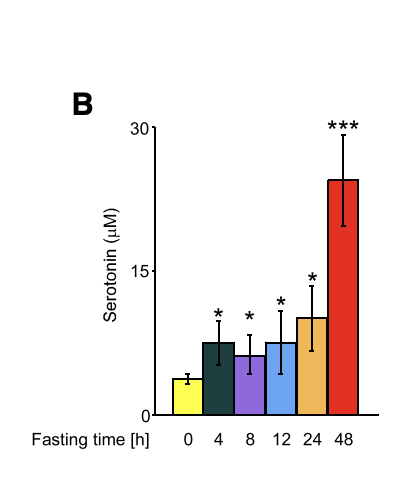
  • SSRI drugs, serotonin (5-HT) can cause chronic fatigue syndrome (CFS)

    2
    0 Votes
    2 Posts
    419 Views
    J
    @haidut So glad I didn’t decide to do SSRI’s for hypochondria. It felt like I had chronic fatigue and I was losing my mind. I was very close to trying out SSRI’s but glad I didn’t and trusted in myself and my judgement. I may trial BCAA’s and see if they have an effect on me. So far thyroid, biotin, Niacinamide, thiamine and aspirin have been my greatest and most powerful tools. Really powerful stuff. Don’t do too well on progesterone I suspect because I’m male.
  • Learn About NAC, It Isn't Bioenergetic

    nac brain metabolism
    2
    0 Votes
    2 Posts
    2k Views
    Ben.B
    I am not sure it is that easy with NAC. Anecdotes are often incredible. It is a (weakish) biofilm buster, scavenges aldehydes, interacts with heavy metals (iirc positively) along with what you already mentioned increasing glutathion. There is alot more to it and i think its magic as with most things lies in the right application at the right time. Most chronic ill people i speculate have a bad persistent infection going on where NAC has its place. In that sense it would help the energetic situation as its helping dealing with toxins and pathogens. As for a more general statement in healthy people i could see it being a net negative? Even more so what one should consider doing to offset negative outcomes that could come with longterm use (ive been taking it for half a year now)
  • Vitamin A content of grass fed meat

    1
    0 Votes
    1 Posts
    324 Views
    No one has replied