Dandruff or scalp irritation? Try BLOO.

  • Cyproheptadine anti-stress alternatives?

    11
    1 Votes
    11 Posts
    186 Views
    J
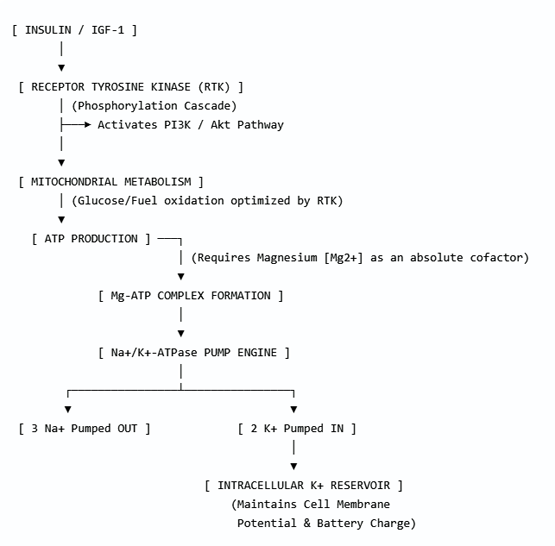
    @LucH Man I know this. I'm really just asking if there are other good serotonin antagonists. I don't need bioenergetics 101.
  • Dualism with fruit

    4
    2 Votes
    4 Posts
    127 Views
    sunsunsunS
    Pineapple, kiwi, and papaya help with digestion.
  • Aspirin Gives Me Great Sleep for 1 Night

    3
    0 Votes
    3 Posts
    146 Views
    sunsunsunS
    iirc aspirin in later part of day and evening results in a more optimal cortisol cycle.
  • How Ray would deal with a cold urticaria

    2
    2
    0 Votes
    2 Posts
    146 Views
    thebiooracleT
    @Harlock Ray Peat talked about cold hives on the radio in 2012: "Some people get hives just from getting cold or from exercising or from not eating soon enough. Just dropping your blood sugar works the same as cutting off the oxygen supply." He said the cell then makes lactic acid, which makes fat break down, and if that fat is unsaturated you get prostaglandins and more inflammation. Is yours worse when you've gone a while without eating?
  • 0 Votes
    11 Posts
    449 Views
    U
    @Ilias-Ant hi, i suggest try eating a good amount of whole milk yogurt in the evening, up to a kilo and more untill you are full, sheep if available, no flavor or subpar ingredients added, if you add sugar i suggest add the very minimum for the yogurt not to taste acidic or bad
  • Adult GH deficiency post TBI

    growth hormone hypopituitarism tbi pituitary
    2
    0 Votes
    2 Posts
    125 Views
    thebiooracleT
    @ravis Ray Peat wrote about TBI in The dark side of stress. He said "Traumatic brain injury, even with improvement in the short term, often starts a long-term degenerative process, greatly increasing the likelihood of dementia at a later age." The way he explained it, brain trauma lowers the enzyme that clears acetylcholine, so it builds up. In the same piece he wrote "Progesterone is being used to treat brain injuries, very successfully." You've only tried pregnenolone so far, right? Could be something to raise with the endo once the GH tests are back.
  • What to eat to not have blood sugar and liver issues?

    5
    0 Votes
    5 Posts
    451 Views
    LucHL
    @thebiooracle said: "It should be remembered that amino acids, especially in eggs, stimulate insulin secretion, and that this can cause hypoglycemia, which in turn causes cortisol secretion. Leucine is stimulating muscle turn over (new ones) when exceeding 2.5-3 g per take. It won't stimulate insulin too much if you eat some carbs at the same time. Never eat only protein without some carbs. 20 g is enough, from a tomato or an apple at the beginning of the meal. Asking AI to develop (ChatGPT) The Leucine Threshold and mTORC1 Activation • Fact: Consuming 2.5 to 3 grams of leucine per meal is the established threshold required to maximize muscle protein synthesis. • Mechanism: Leucine acts as the primary nutritional signal to activate mTORC1 (mammalian target of rapamycin complex 1), which initiates cellular translation and muscle tissue turnover. • Application: Whole proteins like eggs have a high concentration of highly bioavailable leucine, making them highly effective at reaching this trigger. Protein-Induced Insulin Secretion and Hypoglycemia • Fact: Amino acids (particularly arginine, lysine, and leucine) directly stimulate pancreatic beta cells to secrete insulin, independent of carbohydrate intake. • The Risk: In the absence of dietary carbohydrates (e.g., eating only eggs), this insulin secretion can cause blood glucose levels to drop. • The Counter-Mechanism: In a standard physiological state, the pancreas simultaneously secretes glucagon to stimulate hepatic glucose production (glycogenolysis) to keep blood sugar stable. However, if insulin secretion is highly sensitive or if hepatic glycogen stores are depleted, a drop in blood sugar can occur, prompting an emergency release of cortisol to restore homeostasis. The Role of Pre-Meal Carbohydrates (20g Context) • Fact: Introducing 20 grams of carbohydrates (such as from an apple or tomato) at the beginning of the meal alters the metabolic baseline before the protein is processed. • Mechanism: The incoming exogenous glucose matches the insulin response. The insulin stimulated by the amino acids is no longer acting "in a vacuum" on existing blood sugar; instead, it has immediate dietary glucose to shuttle into cells. • Outcome: This direct glucose supply buffers the system, ensuring that blood glucose concentrations do not fall below fasting levels, thereby preventing the hypoglycemic trigger that would otherwise necessitate a cortisol spike. Additional comment (LucH) Don’t trust AI and confirm with another source
  • Vit E 2 x/ wk. Why?

    5
    0 Votes
    5 Posts
    265 Views
    R
    Funnily enough I've settled into the 1-2 times a week for vitamin E routine as well, just from going on how im feeling. Always nice to see research backing up "the feels."
  • 1 Votes
    106 Posts
    40k Views
    zeitgeistZ
    @BearWithMe For start, try salted potato water. (They have to be without the skin, long cooked, for like an hour no problem and cut into small pieces). If you do it correctly, it will be rich in nutrients, easily digestible and will include alpha-keto-acids - these are incredibly special, they will look for “trashy” stuff in your body and turn it into proteins, Ray recommended them for people with problematic digestion to stabilise their organisms. As for liquids in general and cavity problems which you mentioned, first I reccomend drinking acidic drinks via a straw, secondly, wash teeth with baking soda and after every food use xynitol (but to not eat it, just leave it in your mouth for 2 minutes, than spit it all out - and only use it after sweet foods, your body will think that it is consuming sugar and xynitol is not sugar, so would raise your stress hormones). This will not solve all your problems but will at least give you some breathing room. I am not sure if it wasnt already mentioned, but you should try progest-e, pregnanelon and T3 (microdosing). Without hormonal intervention, your body will have problem stabilising itself, this should be your priority. Combined with the basics as of avoiding PUFAs and fiber (FYI pork and chicken fat are high in PUFAs thanks to their diet), it should set you on the right path.
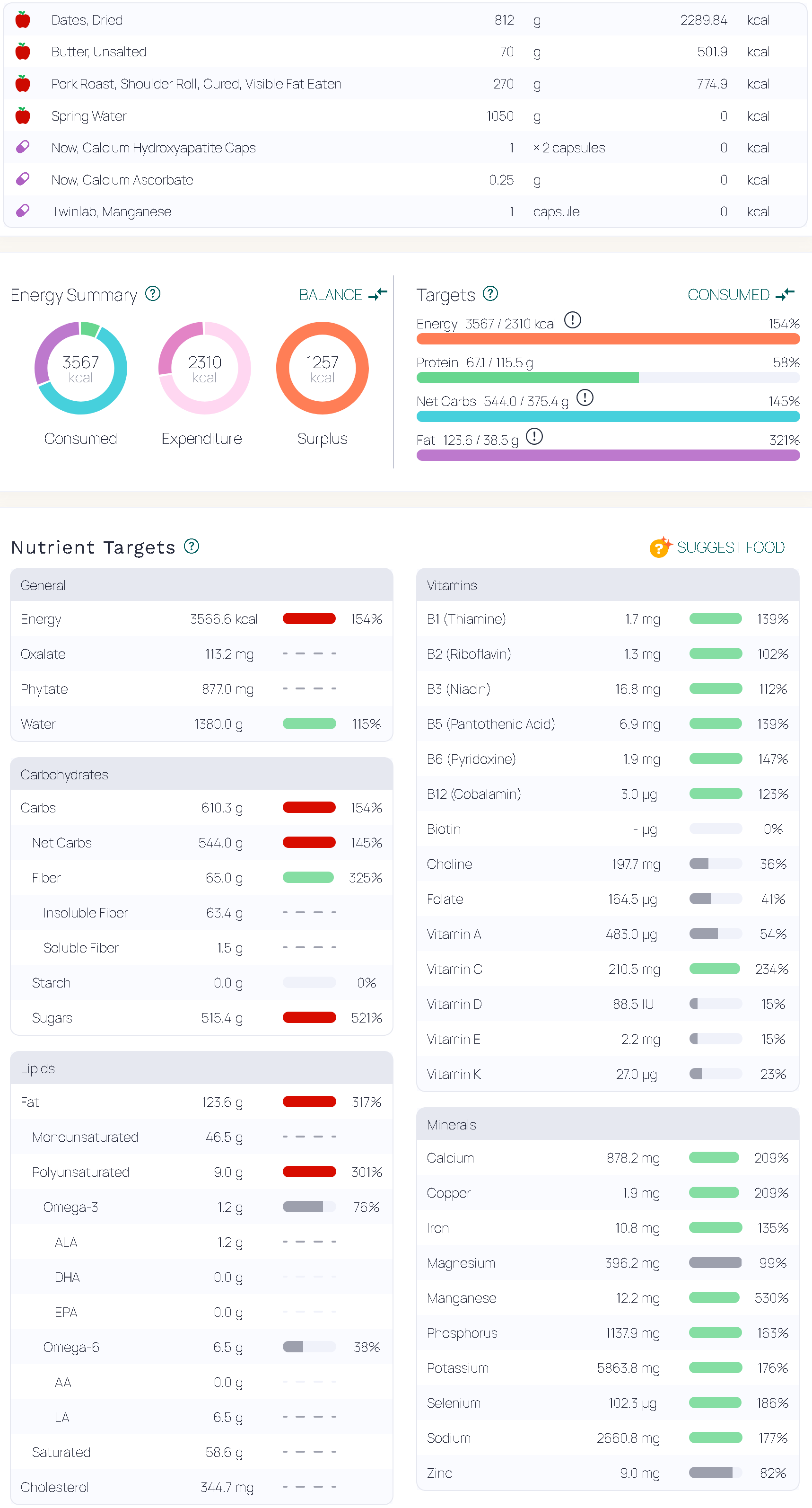
  • Eating 3500 kcal a day, still can't gain weight

    16
    2
    1 Votes
    16 Posts
    626 Views
    BearWithMeB
    I was experimenting with various solid foods recently (I was eating mostly liquid or blended food until now) and it made me realize that I'm not digesting my food at all. My stool is indistinguishable from the food I eat. My stool is a lump of bits of food with absolutely no change in size, shape, texture or color, and very little change in smell (sorry for TMI). What goes in leaves my body almost unchanged, undigested. That would explain the lack of weight gain I guess.
  • Im 17 and I never have been this tired in my life

    7
    0 Votes
    7 Posts
    362 Views
    D
    @AnomPhen Thank you so much for your advice.I also think it's hypothyroidism, My mother was recently diagnosed with it and she's taking T4.
  • 0 Votes
    4 Posts
    343 Views
    LucHL
    *) Useful nutrients for thyroid: Se I Zn Mg and Fe for enzyme TPO Selenium (Se), Iodine (I), Zinc (Zn), and Magnesium (Mg) are vital trace elements and minerals that support thyroid hormone synthesis, conversion, and cellular regulation. [1, 2, 3] Roles of Each Nutrient • Selenium (Se): Powers the enzymes (deiodinases) responsible for converting inactive T4 into active T3 hormone, and acts as an antioxidant protecting the thyroid from oxidative damage. [1, 2] • Iodine (I): Acts as the fundamental raw building block required by the thyroid gland to manufacture T4 and T3. [1] Never take an iodine supplement, without staples and after all without having first replenish with selenium. Follow a protocol to avoid a backfire. • Zinc (Zn): Assists the brain in sensing hormone levels, supports T4-to-T3 conversion, and helps thyroid hormones bind to cell receptors. [1, 2, 3] • Magnesium (Mg): Aids in overall energy production, helps regulate and lower elevated TSH levels, and supports cellular hormone activation. [1, 2] Useful nutrients for DIO enzymes Here is the chronological, step-by-step story of how thyroid hormones are handled by the body. Written with help of AI (ChatGPT) to set in order. The Normal State (Euthyroid) In a healthy, nutrient-replete body, the thyroid axis operates like a well-oiled factory: The Factory Line (Thyroid Gland): The thyroid gland extracts Iodine from the blood. Using the enzyme Thyroid Peroxidase (TPO), it binds iodine to tyrosine to manufacture T4 (about 80–90%) and a tiny bit of T3 (about 10–20%). [1, 2, 3, 4] If you don’t live near the seacoast (< 50 Km) and don’t eat fish or seafood you lack iodine. NB: Woman's breasts and a man's prostate will not receive much of this iodine, as it is primarily sequestered or diverted by the thyroid. Guess now what kind of risk that entails… The Shipping Yard (The Bloodstream Pool): The thyroid dumps these hormones into the blood. The T4 travels throughout the body as an inactive storage hormone. To make the blood pool rich in active T3, the liver and kidneys use DIO-1 enzymes to convert T4 into T3. This liver/kidney conversion accounts for 80% of the active T3 floating in the blood pool. [1, 2, 3, 4] The Local Customers (Muscles & Tissues): Skeletal muscles pull what they need from two sources to maintain a 50/50 balance: o 50% is absorbed directly as pre-made T3 from the blood pool. o 50% is absorbed as T4, which the muscle internally converts into active T3 using its own DIO-2 enzymes. The Power Plant (Mitochondria): Once inside the muscle cells, T3 binds to nuclear receptors, ordering the mitochondria to produce ATP (energy) and heat. Magnesium acts as the essential spark plug required to synthesize and utilize that ATP. [1, 2, 3, 4] Remember that magnesium is used by at least 360 enzyme reactions, as often mentioned. Current enzymatic databases have identified over 600 enzymes that require magnesium to function, plus another 200 that need it for activation. [1, 2] To summarize one caveat (for me, LucH): The whole thing (+/ 85%) depends on T4 formation, depending on iodine and the enzyme TPO. Here we have hit the exact nail on the head. No matter how much selenium, zinc, or magnesium a person takes to optimize their conversion enzymes (DIO-1 and DIO-2), those enzymes are entirely useless if they have no T4 raw material to work on. And as we noted, T4 production depends entirely on the availability of Iodine and the functionality of the Iron-dependent TPO enzyme. When taking a synthetic T4 supplement for thyroid, individuals often feel better and improve their energy level but it doesn't last because of a lack of cofactors. Depleted Reserves: An initial dose of T4 provides a temporary boost. However, it quickly depletes your body's existing nutrient reserves, stalling the conversion process and causing symptoms of fatigue to return. [1, 2] Master Post: Why Your Thyroid Medication Fails Without Cellular Cofactors Many thyroid patients—especially those taking synthetic T4 (Levothyroxine) or T3 (Cytomel)—experience a frustrating paradox: their blood work looks perfect, but they still feel exhausted, cold, and weak, again, if we leave aside the temporary improvement. The reason? Tissue-level hypothyroidism. Taking synthetic hormones is only half the battle. If your body lacks the specific nutritional cofactors required to manufacture, convert, and absorb those hormones, the medication simply floats in your bloodstream completely useless to your cells. Here is the step-by-step chronological story of how thyroid hormones travel through your body, where they get blocked by deficiencies, and how to fix it. Step 1: The Factory Bottleneck (T4 Production) Before a single drop of active hormone can be used, the thyroid gland must manufacture T4. • The Process: The thyroid gland uses an enzyme called Thyroid Peroxidase (TPO) to bind Iodine to tyrosine. • The Required Cofactors: Iodine and Iron (Fe). TPO is a heme-dependent protein, meaning it literally requires iron as its structural engine. • The Failure State: If you lack iron or iodine, the factory shuts down. Vegan Caveat: Because non-heme (plant) iron has a very poor absorption rate, vegans are more likely to suffer from a TPO factory shutdown. If your body cannot produce or process T4, the rest of the downstream system collapses. Step 2: The Shipping Yard (Systemic Blood Conversion) The thyroid gland's direct output is roughly 80–90% inactive T4. To create the pool of active T3 in your bloodstream, your liver and kidneys must step in. • The Process: The liver and kidneys use DIO-1 (Deiodinase-1) enzymes to strip an iodine molecule from T4, turning it into active T3. This creates 80% of the circulating T3 pool in your blood. • The Required Cofactor: Selenium (Se). DIO enzymes are selenoproteins made of selenocysteine. • The Failure State: If you are deficient in Selenium, DIO-1 fails. The pool of active T3 in your bloodstream dries up. NB: When the body faces an overload of toxic metals or a depletion of its antioxidant reserves, available selenium is consumed in large quantities to neutralize these stressors, potentially leading to an induced deficiency affecting other vital functions (such as thyroid hormone synthesis). RDA: Approximately 70 µg/day for an adult. 100 µg as a course of treatment, but not daily—except in specific cases. Too much of a good thing becomes bad. ️ Step 3: The Local Deliveries (Skeletal Muscle Conversion) Your muscles require massive amounts of energy, maintaining their internal T3 levels via a 50/50 balance: 50% is absorbed directly as pre-made T3 from the blood pool, and 50% is converted locally inside the muscle from T4. • The Process: Muscles pull inactive T4 from the blood and use DIO-2 enzymes to convert it into active T3 on-demand. • The Required Cofactors: Selenium (Se) and Zinc (Zn). • The Failure State: When blood T3 is low, muscles try to compensate by increasing DIO-2 activity. But if you lack Selenium, the muscle cannot build the DIO-2 enzyme. The backup plan fails. The unconverted T4 shunts down the path of least resistance, turning into Reverse T3 (rT3)—an inactive molecule that blocks your receptors and worsens fatigue. Step 4: The Cellular Gatekeepers (Receptor Binding) Once active T3 finally arrives at your cells, it faces a locked door. It must bind to the Thyroid Hormone Receptor (THR) inside the cell nucleus to deliver its metabolic message. • The Required Cofactors: Zinc (Zn) and Vitamin A (Active Retinol). Zinc forms the structural "zinc fingers" of the receptor so the hormone can fit the lock. Vitamin A allows the receptor to successfully talk to your DNA. • The Failure State: Without Zinc or Vitamin A, the receptors deform. T3 is completely locked out of the cell. You remain symptomatic even if your blood levels are flooded with T3. Step 5: The Power Plant (Mitochondrial Spark) Once the message successfully passes the gatekeepers, the cell commands its mitochondria to generate energy (ATP) and heat. • The Required Cofactors: Magnesium (Mg) and Iron (Fe). • The Failure State: Magnesium is the ultimate spark plug required to synthesize and utilize ATP. Without it, you experience profound muscle fatigue, weakness, and cramps. Furthermore, a lack of magnesium impairs the pituitary gland, frequently driving TSH higher. ️ The Action Plan: How to Fix the Gaps To ensure your thyroid therapy actually reaches your cells, target these specific dietary fixes: 🥩 For Omnivores: The Ultimate Thyroid Superfood Dietary sources such as poultry liver provide nutritional compounds containing bioavailable iron, zinc, selenium, and pre-formed vitamin A. For Vegans & Poor Converters (The Vitamin A Trap)* Many people over 45 years old possess a genetic slowdown that allows them to convert only about 15% of plant-based beta-carotene (from carrots/sweet potatoes) into active Vitamin A. Vegans cannot eat liver to bypass this. • The Protocol: Supplementation with retinyl palmitate is sometimes utilized under professional guidance, often taken with dietary fats to assist the absorption of fat-soluble nutrients. LucH says: I would advise them to take 5000 UI Retinyl palmitate twice a week. At breakfast with some fat. Essential Cofactors Needed for T4-to-T3 Conversion • Selenium: A vital mineral and enzymatic cofactor required to manufacture thyroid hormones and assist in conversion. [1, 2] • Iron (Ferritin): Low iron storage impairs the enzymes responsible for activating thyroid hormones. [1, 2] • Zinc and Copper: Critical minerals that support the deiodinase enzymes responsible for turning T4 into T3. [1] • Vitamin D and B Vitamins: Necessary for cellular energy production, immune regulation, and proper hormone receptor function. [1, 2, 3]

  • Are progesterone/pregnenolone just safe?

    4
    0 Votes
    4 Posts
    271 Views
    K
    @Peat-OPeat-O Pregnenolone being the "mother hormone" gives you more buffer than something more downstream/receptor-active. That said, I wouldn't treat any specific numbers in this thread as a fixed protocol. Response varies a lot person to person depending on thyroid, liver clearance, existing hormone levels, etc. If you're totally new, I'd start smaller than anything mentioned above, go slow, and ideally get some baseline labs so you're not just going off how you feel. Source quality matters too, worth doing some digging before committing to a supplier long-term.
  • Regenerating the liver, euliver

    3
    0 Votes
    3 Posts
    234 Views
    1
    @ChroncStresChris Re "calcium d-glucarate, caffeine + K2, CO2, TUDCA, taurine, and niacinamide", That's a good idea of yours to focus on strengthening your liver. I would first try plain milk or eggshell powder for the calcium. They're less likely to cause digestive difficulty. Caffeine and k2 should be helpful, as well as should co2. I think I would drop the tudca coz the taurine takes care of what it would do (it's actually what I did for myself: bought it but soon after starting stopped using it) I'd also start with trying to get the nutrients from actual food, eg caffeine from coffee/tea, k2 and b vitamins from liver, taurine from seafood... And finally I guess you're also planning to get quality protein from things like cheese and eggs (along with something sweet like coke or orange juice to prevent triggering stress hormones) Good luck
  • Hair loss success

    2
    0 Votes
    2 Posts
    241 Views
    A
    Non-static comb: an added point here that I just remembered is that I use a non-static comb, specifically a comb made out of bone. Plastic combs create static, and my view is that the static electricity could get picked up by the hair, like an antenna, and transferred into the hair follicles, and potentially do harm to the follicles. Uncontrolled static electricity was allegedly a huge health problem for early researchers in electricity (1700s--see The Invisible Rainbow, Arthur Firstenberg). Non-static combs are made out of bone, wood, horn, and maybe other things.
  • Try pregnenolone online FREE

    3
    0 Votes
    3 Posts
    256 Views
    D
    @Milk-Destroyer Well, not everyone notices effect from Pregnenolone, and not everyone notices (I think admits ) the effects from sounds Usually I use them like I mentioned, placing my thumb on the phone’s speakers and playing the sound, you can get a better effect by shaking a water bottle vigorously for 10 seconds and sticking the speaker to the bottle, then playing and drinking the water I’ve opened up another post, Medical Grade Carbon Dioxide. Try the water method and see if that has an effect https://www.patreon.com/chickfiles/posts/161848133?utm_campaign=postshare_creator
  • Cascara Sagrada dosing

    2
    1 Votes
    2 Posts
    574 Views
    A
    @gnc_destroyer I've used cascara sagrada occasionally as needed, if I foresee digestive trouble from a meal. It came with an extremely tiny measuring spoon (don't know the exact measurement, but less than 1/10 of a 1/4 teaspoon), and I would typically use about half that amount (very small amount). It is extremely bitter, and I found it most palatable in cranberry juice (very delicious). That worked well. However, I haven't used it for a while because I discovered that hops aid digestion in a similar manner, so now I just drink a beer with a meal that might otherwise be digestively tricky. Hops are an old herbal remedy for stimulating the production of digestive juices. For example, I used to struggle with pizza, and could not eat more than two slices without digestive trouble. If I drink a beer with the pizza, I can eat 4 slices without difficulty.
  • Regrowing hair by megadosing topical estrogen

    1
    0 Votes
    1 Posts
    99 Views
    No one has replied
  • Is anyone still doing protein restriction?

    28
    0 Votes
    28 Posts
    1k Views
    A
    @evan.hinkle That was my experience as well. It feels so wrong, because when you look at the mainstream advice you would think that you'd disintegrate on such an intake.
  • Do current T levels determine member size?

    test
    3
    0 Votes
    3 Posts
    208 Views
    R
    @ChroncStresChris if you're aromatizing at a high rate, TRT will make it worse