Dandruff or scalp irritation? Try BLOO.

  • 0 Votes
    1 Posts
    83 Views
    No one has replied
  • 0 Votes
    1 Posts
    112 Views
    No one has replied
  • On Cellular Organization and Respiration

    mitochondria oxphos pmf
    29
    7
    0 Votes
    29 Posts
    3k Views
    AmazoniacA
    This post covers additional details about the function of Complex III and how it relates to other respiratory complexes, starting with nomenclature: Complex III is also referred to as Cytochrome b-c1 complex, Ubiquinol–cytochrome c Oxidoreductase, or Cytochrome c Reductase. Cytochrome b-c1 complex highlights the electron-transfer cytochromes representing each chain: High-potential chain (↑) Cytochrome c1 (+230 mV) Iron-sulfur Protein (ISP) (+250 mV) Low-potential chain (↓) Cytochromes b Cytochrome bL (low-potential heme: −30 mV) Cytochrome bH (high-potential heme: +100 mV) ⠀ [image: 1757372015647-f56dbb6e-df24-45dc-973f-9e794ceae17b-image.png] ⠀(10.1016/j.bbabio.2012.11.008) [It's a bacterial Complex III, but the core components in evidence remain the same. FeS clusters (ISC) are part of ISPs.] Ubiquinol–cytochrome c Oxidoreductase highlights the overall reaction, where ubiquinol is the electron donor and cytochrome c the acceptor, and indicates the role of Complex III as oxidant to one and reductant to the other. Cytochrome c Reductase emphasizes only its function as a cytochrome c reductant. Electrons can reach cytochrome c from sources other than Complex III, making this term less specific. Then, Complex III reduces and Complex IV oxidizes cytochrome c : Cytochrome c Reductase (Complex III) ↻ Cytochrome c Cytochrome c Oxidase (Complex IV) Calling Complex IV 'cytochrome c' for short is comparable to calling succinate dehydrogenase (SDH) 'succinate'. Complex III is often used interchangeably with III₂. Both notations refer to the same enzyme, which exists as a dimer needed for proper function. A figure from an earlier post highlights one monomer in pink and the other in yellow: [image: 1757372077953-528b59bc-fff9-4059-b87b-d60e0defc96b-image.png] ⠀(10.1038/s42255-023-00956-y) These monomers are sometimes called protomers, implying that they are part of a larger complex and don't occur in isolation. A Complex III dimer has 4 Q-sites in total (red circles), 2 per monomer, but located on different levels: Qp (positive) [sometimes called Qo (outside)] Qn (negative) [sometimes called Qi (inside)] [image: 1757372105275-dfd0c642-edd3-4bec-8f7b-cf0c14ab50eb-image.png] ⠀(10.1016/j.bbabio.2012.11.008) Electrons from UQH₂ oxidized at Qp-sites bifurcate into the high- and low-potential chains: UQH₂ (2e⁻) ↳ 1e⁻ → [ISP → Cyt c1 →] Cyt c ↳ 1e⁻ → [Cyt bL → Cyt bH →] UQ/UQH• So, one electron moves 'upward' (toward cyt c) and the other 'downward' (toward UQ/UQH•) from a Qp-site. The short distance separating the two cytochromes bL allows electron transfer between monomers. [image: 1757372015647-f56dbb6e-df24-45dc-973f-9e794ceae17b-image.png] [image: 1757372215623-f1e9aed8-4263-4734-ad00-733b0713702b-image.png] ⠀(10.1016/j.bbabio.2008.04.022) (Here they call the Qp-site 'Center P' and the Qn-site 'Center N'. Damn it.) This bL–bL interaction lets the Complex III dimer reroute electrons when needed, preventing incomplete oxidation of UQH₂ at the Qp-site and consequently reducing the risk of ROS production. Complex III releases superoxide to the matrix and the cytosol, but most of it originates from the susceptible Qp region: [image: 1757372273140-adcfbb6f-e999-46d6-99fa-5e11e0823374-image.png] ⠀(10.1074/jbc.M407715200) However, electron accumulation anywhere can affect the Qp regions indirectly, so increasing the number of possible electron acceptors through inter-monomer communication gives Complex III flexibility. Monomer A Monomer A Monomer B Monomer B UQH₂ {Qp/Qo} (Empty) 1e⁻ 1e⁻ ↓ ↓ ISP ◯ bL ◯ ⇄ ◯ bL ◯ ISP ↓ ⇅ ⇅ ↓ c1 ◯ bH ◯ ◯ bH ◯ c1 ↓ ⇅ ⇅ ↓ c ◯ UQ ◯◯ {Qn/Qi} ◯◯ UQ ◯ c c ↵ UQH• ◯ ↵ or ↳ ◯ UQH• High-potential chain Low-potential chain Low-potential chain High-potential chain To avoid mixing up the order of cytochromes b, this may help: Qo - bL - bH - Qi Which reads: oL-Hi An inverted Low next to a High. Let the trauma sink in. I find the obsession with reverse electron flow at Complex I out of proportion. It does happen, but is energetically unfavorable, needing an excess of electrons in the UQ pool along with elevated membrane electrical and chemical potentials to force Complex I to run in reverse. In contrast, it doesn't seem to bother the obsessed how the same excess electrons in the UQ pool might affect other UQ-dependent respiratory complexes that operate nearer the UQH₂/UQ potential, making them less resistant to backflow than Complex I. Like Complex I, Complex III relies on UQ (the oxidized form) to function. As redundant as it may seem, Complex III uses UQ to oxidize UQH₂, but only partially because the other half of electrons go to cytochrome c. Whether UQH₂ is produced at Complex I or III, its protons (H⁺) are derived from the matrix of mitochondria. Qp-sites are traditionally viewed as UQH₂-oxidizing centers (where electrons enter Complex III), while Qn-sites are viewed as UQ-reducing centers (where electrons leave Complex III). However, electrons can also enter via Qn-sites, especially when UQH₂ is in excess. The redox state of cyt bH changes the behavior of its Qn-site: Oxidized cyt bH is an acceptor and favors UQH₂ binding to gain an electron. Cyt bH³⁺ ◯ ↶ UQH₂ Reduced cyt bH is a donor and favors UQ binding to lose an electron. Cyt bH²⁺ ↷ ◯◯ UQ This change in affinity according to the state of cyt bH reduces Complex III dependence on appropriate levels of UQH₂ and UQ. In either case an ubisemiquinone [◯ UQH•] is formed and stabilized at the Qn-site. The occupancy of Qn-sites affect the activity of Qp-sites via ISP. Possible scenarios: Qn-site A Qn-site B Outcome Qp-sites A and B UQH• UQH• → 1 active Empty Empty → 1 active UQH• Empty → 2 active Empty UQH• → 2 active Due to intense activity, the first scenario is more common, which limits oxidation capacity but prevents incomplete UQH₂ oxidation and premature electron leakage to oxygen around the problematic Qp-sites. Since monomers interact, an electron entering via a Qn-site can transfer to the opposite monomer, promoting UQ binding there to accept it. This clears the original monomer for unimpeded electron flow from a Qp-site while stabilizing another terminal acceptor on the neighboring monomer. The result is technically known as 'bi-winning': win here, win there. [image: 1757372854255-15b46985-2907-420a-99c7-03fa33ed151b-image.png] ⠀(10.1016/j.bbabio.2008.04.008) The figure below shows UQH₂ again entering a Qp‑site for oxidation, but in contrast to before, the low-potential chain of this monomer wasn't primed for oxidation. The path to its Qn‑site is now blocked, but the electron can divert to the opposite monomer to complete the process. [image: 1757372876452-37ed3c35-9d0a-4efd-aca3-33e68c65fa49-image.png] ⠀(10.1016/j.bbabio.2008.04.008) These inter-monomer interactions often take place within larger structures, as it's common for a Complex III dimer to associate with other respiratory complexes. For example, most Complex I occurs with Complex III in a supercomplex: [image: 1757372946934-0c20f30f-de55-49c8-b13b-79ab85e9f389-image.png] ⠀(10.1074/jbc.M106474200) Composition Frequency I+III₂+IV ~54% I+III₂ ~17% I+III₂+IV₂ ~9% I+III₂+IV₂+IV ~3% I+III₂+IV₂+IV₂ ~1% I (free) ~16% This is how Complex III₂ associates with Complex I, in the presence or absence of Complex IV: [image: 1757372995228-e937442c-42b7-4427-8e2d-fc27b6d01249-image.png] ⠀(10.1038/nature19774) I+III₂+IV (a,b) I+III₂ (c) As you can tell, the 'heel' of Complex I isn't fully turned against Complex III (as often represented in figures), nor is the heel directly facing Complex III. Instead, Complex I and Complex III are arranged in parallel, and one of the Complex III monomers ends up adjacent to Complex I, gaining privileged access to the Q-tunnel of Complex I: [image: 1757373050908-640d7f1c-dbeb-464c-9ad9-df72b0407156-image.png] ⠀(10.1016/j.molcel.2019.07.022) From the legend, this is a cross-section of the I+III₂ supercomplex through the membrane domains and viewed from the matrix. Proximal and distal refer to two lipid-filled cavities on opposite sides of the Complex III dimer: each cavity gives access to the Qp-site of one monomer and Qn-site of the other, shown by the alternate 'dashed wedges' on a lower plane and the 'solid wedges' on a higher plane (which includes the Q-tunnel). The proximity is relative to the Q-tunnel (a source of UQH₂ for Complex III to oxidize). It helps to picture the Q‑tunnel at the heel of Complex I, but the tunnel and its opening are oriented more to the side than to the back: [image: 1757373152795-84e43691-17e6-4e4d-b11f-c8c7ed628448-image.png] ⠀(10.1080/09168451.2020.1747974) When Complex IV joins the supercomplex, it forms an autonomous respiratory unit capable of completing respiration, hence the term 'respirasome'. [image: 1757373189597-9fa6d06c-e80f-4f1a-be10-d6c1b57c571d-image.png] ⠀(10.1016/j.sbi.2020.01.004) [image: 1757373216932-1ac3fa39-599c-458a-8893-418bf8b6f94a-image.png] ⠀(10.1038/nature19774) Rotating it to coincide with the view of the previous figure: [image: 1757373253787-8c23a569-d87e-4298-94b0-b89052a70d52-image.png] IV: pink IIIb: dark green IIIa: light green I: blue The authors speculate that occlusion of the distal cavity by Complex IV may be advantageous: because the Q-cycle involves formation of ubisemiquinone radicals, partial closure of the cavity while Complex IV consumes local oxygen may protect unstable intermediates from adverse reactions. However, they also acknowledge that the occluded Qn-site is not a major ROS producer and that the Qp-site in the same cavity may be inactive. For mobile carriers that connect these respiratory complexes, some argue for the existence of dedicated UQ pools for NAD-linked and FAD-linked respiration. [image: 1757373298373-c97d77bb-e630-4c8c-9dba-3224505d1b89-image.png] ⠀(10.1016/j.freeradbiomed.2021.03.010) Relying only on UQ trapped within I+III₂(+IV) would limit reoxidation of Complex I–derived UQH₂ to the proximal cavity of Complex III₂, because of its exclusive access to the Q-tunnel. Nonetheless, these respiratory complexes have their quinone sites exposed to the supercomplex exterior and can exchange with the free UQ pool, so they're not restricted to local UQ and can respond to mitochondrial conditions. This flexibility is particularly important given that Complex I can outpace Complex III. More information here. Because the Qp-site of monomer A shares a cavity with the Qn-site of monomer B, reoxidized UQ can return to Complex I to bring in more electrons, exchange with the free UQ pool around the supercomplex (and indirectly affect the distal cavity), or perhaps be reused in the same cavity as an electron acceptor. This last possibility isn't futile, since part of electrons are removed via cytochrome c. Monomer A Monomer A Monomer B UQH₂ ↷ UQ 1e⁻ 1e⁻ ↓ ⇅ ISP bL bH ↓ ⇅ ⇅ c1 bH bL ↓ ⇅ c UQH• High-potential chain Low-potential chain Low-potential chain If UQ turnover is insufficient, an elevated UQH₂/UQ ratio can favor ROS production and reversibly deactivate Complex I or promote its degradation for supercomplex remodeling, freeing some of the III₂+IV to serve FAD-dependent complexes. These can be adaptive. Recall that substrates more reliant on FAD-linked respiration (↓ATP/O) demand additional UQ turnover. I ↮ III₂+IV SDH/ETFDH/etc. + III₂+IV [image: 1757373484287-023b11f6-9806-4f94-90f2-049cb214d084-image.png] ⠀(10.1016/j.bbabio.2023.148977) It's complicated at times, but when a problem appears to run counter to the oversimplified and sensationalist take of bioenergetic gurus, it's probably a good sign. ⠀ Herrero Martín, J. C., Salegi Ansa, B., Álvarez-Rivera, G., Domínguez-Zorita, S., Rodríguez-Pombo, P., Pérez, B., ... & Formentini, L. (2024). An ETFDH-driven metabolon supports OXPHOS efficiency in skeletal muscle by regulating coenzyme Q homeostasis. Nature metabolism, 6(2), 209-225. https://doi.org/10.1038/s42255-023-00956-y Muller, F. L., Liu, Y., & Van Remmen, H. (2004). Complex III releases superoxide to both sides of the inner mitochondrial membrane. Journal of Biological Chemistry, 279(47), 49064-49073. https://doi.org/10.1074/jbc.M407715200 Murai, M. (2020). Exploring the binding pocket of quinone/inhibitors in mitochondrial respiratory complex I by chemical biology approaches. Bioscience, biotechnology, and biochemistry, 84(7), 1322-1331. https://doi.org/10.1080/09168451.2020.1747974 Hernansanz-Agustín, P., & Enríquez, J. A. (2021). Functional segmentation of CoQ and cyt c pools by respiratory complex superassembly. Free Radical Biology and Medicine, 167, 232-242. https://doi.org/10.1016/j.freeradbiomed.2021.03.010 Covian, R., & Trumpower, B. L. (2008). Regulatory interactions in the dimeric cytochrome bc1 complex: the advantages of being a twin. Biochimica et Biophysica Acta (BBA)-Bioenergetics, 1777(9), 1079-1091. https://doi.org/10.1016/j.bbabio.2008.04.022 Parey, K., Wirth, C., Vonck, J., & Zickermann, V. (2020). Respiratory complex I—structure, mechanism and evolution. Current opinion in structural biology, 63, 1-9. https://doi.org/10.1016/j.sbi.2020.01.004 Xia, D., Esser, L., Tang, W. K., Zhou, F., Zhou, Y., Yu, L., & Yu, C. A. (2013). Structural analysis of cytochrome bc1 complexes: implications to the mechanism of function. Biochimica et Biophysica Acta (BBA)-Bioenergetics, 1827(11-12), 1278-1294. https://doi.org/10.1016/j.bbabio.2012.11.008 Letts, J. A., Fiedorczuk, K., Degliesposti, G., Skehel, M., & Sazanov, L. A. (2019). Structures of respiratory supercomplex I+ III2 reveal functional and conformational crosstalk. Molecular cell, 75(6), 1131-1146. https://doi.org/10.1016/j.molcel.2019.07.022 Letts, J. A., Fiedorczuk, K., & Sazanov, L. A. (2016). The architecture of respiratory supercomplexes. Nature, 537(7622), 644-648. https://doi.org/10.1038/nature19774 Guaras, A., Perales-Clemente, E., Calvo, E., Acín-Pérez, R., Loureiro-Lopez, M., Pujol, C., ... & Enríquez, J. A. (2016). The CoQH2/CoQ ratio serves as a sensor of respiratory chain efficiency. Cell reports, 15(1), 197-209. https://doi.org/10.1016/j.celrep.2016.03.009 Covian, R., & Trumpower, B. L. (2008). The dimeric structure of the cytochrome bc1 complex prevents center P inhibition by reverse reactions at center N. Biochimica et Biophysica Acta (BBA)-Bioenergetics, 1777(7-8), 1044-1052. https://doi.org/10.1016/j.bbabio.2008.04.008 Schägger, H., & Pfeiffer, K. (2001). The ratio of oxidative phosphorylation complexes I–V in bovine heart mitochondria and the composition of respiratory chain supercomplexes. Journal of Biological Chemistry, 276(41), 37861-37867. https://doi.org/10.1074/jbc.M106474200 Nesci, S., Algieri, C., Trombetti, F., Fabbri, M., & Lenaz, G. (2023). Two separate pathways underlie NADH and succinate oxidation in swine heart mitochondria: Kinetic evidence on the mobile electron carriers. Biochimica et Biophysica Acta (BBA)-Bioenergetics, 1864(3), 148977. https://doi.org/10.1016/j.bbabio.2023.148977
  • Things that help with cancer

    4
    1
    1 Votes
    4 Posts
    409 Views
    MauritioM
    On this website they offer a chart with methionine levels of all kinds of foods. Apparently people in need of it, can also order methioniase. Also lots of studies on methionine and cancer . https://howtostarvecancernaturally.com/
  • Grounding improves mitochondrial bioenergetics

    3
    2
    1 Votes
    3 Posts
    455 Views
    G
    I LOVE GROUNDING
  • 0 Votes
    2 Posts
    490 Views
    yerragY
    I've been using it. My first order of 20g ended up with me going to the ER for breathing difficulty. But only because I had bronchitis, and Emeramide mobilized lead out of the deep tissues, and caused an immune response that involved a respiratory burst (I suspect) that used up plenty of oxygen, and got my SpO2 to drop so low I had to rush myself to the ER with the help of a tricycle driver, whose tricycle was my ambulance to the ER. In retrospect, I shouldn't be using it until I recovered from bronchitis. I should also be dosing a much smaller amount than the 400mg I was taking. I landed again in the ER, because I was so intent in fixing my long battle with hypertension and was in a dazed rush to be rid of hypertension, that I took lightly my bronchitis, that I ended up with heart failure after also disregarding warning signs as I developed edema. My heart stopped in the ER, and I was revived after 15 minutes. My brain was safe from here, due to having been intubated before my heart stopped. I was in the ICU for 2 days before being transferred to a regular room to continue my week long IV antibiotics of a wide spectrum gram negative and a gram positive antibiotics. I was prescribed a long list of drugs by my cardio. Now, 2 years later, I am taking less drugs by gradually tapering off my medications, and have resumed Emeramide,! taking only 2 doses of 50mg Emeramide daily, and observing carefully. I have learned a lot from my experience, and using myself as the experiment, which no other doctor would do along the principles of Ray Peat, I am for myself what other doctors would call "complications" but for me the body adapting to accommodate my healing as I would see respiratory distress as being part of this healing, and I would be less alarmed but welcome what is happening and try to understand what the body is doing. Naturopaths would call it a Herx reaction, but I would see it as the body remodelling itself as toxins and microbes are mobilized and excreted and along the way inflammation would occur and the respiratory system is where it is most visibly expressed. I would see this as very much a confirmation of the terrain theory in action. The respiratory distress is coming from within, and not from without, which germ theory would keep insisting so. But I know from my personal experience that asmy body expels toxins and microbes from within, it is getting rid of internal imbalances that is ground zero for cancer. But the clearing process is fraught with danger if a team of doctors with no coherent view of the unifying forces in the organism that makes it heal and renew take to their own and paper (to prescribe) and scalpel and interfere and do more harm. With help from a Ray Peat AI whom I discuss my situation as my healing progresses, I am taking 2 steps forward as I take an inch backward with the body remodelling itself to better health. I have my tools such as my personal ECG, to track my QTc and proxy markers for edema and for pulmonary hypertension; my Heart Rate Analyzer app on my Samsung S10 to track for signs of remaining carboxyhemoglobinemia from the effects of the enzyme heme oxygenase working on my store of dead red blood cells stuck in my lymph nodes, and my ear thermometer to gauge my thyroid condition, and the use of photodynamic biotherapy using methylene blue and red light, and the use of emf therapy for lymphatic drainage. As well as the use of foods to give me the nutrients needed to power myself back to health, and some supplements needed to assist my body in building me back to health, such as those that restore my myelin sheath that had been damaged before with a mistake I made. All these I have gradually incorporated into my toolkit over the years of reading Ray Peat and making sense of it and connecting the dots together. It has been a very long journey, and I hope with success I can get to write more about it after I'm healed totally and not while I'm in the process of doing so, as I found that sharing an ongoing healing process to be frustrating not only to write but also to read.
  • New IdeaLabs Product – 3α-Dihydroprogesterone (3α-DHP)

    45
    0 Votes
    45 Posts
    6k Views
    P
    @Mr-X It took about three drops in an hour or more.
  • Peaty uncoupler vs. Ozempic who wins ? New study.

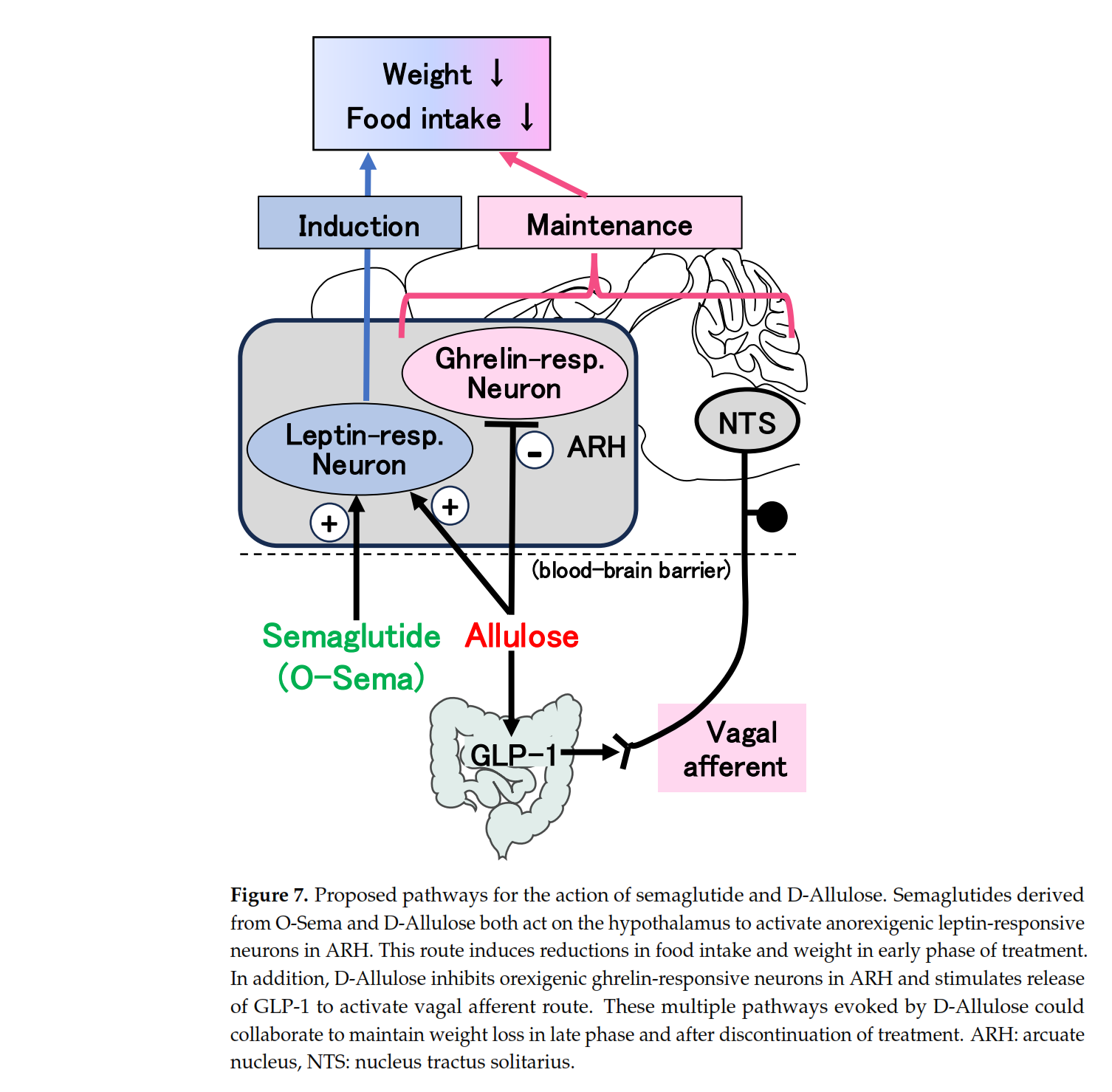
    bam15 semaglutide ocempic
    59
    3
    1 Votes
    59 Posts
    6k Views
    MauritioM
    @CrumblingCookie I thought it increased insomnia, but I'm not sure anymore. It was also really hot when I was doing it, so taking it in the winter is probably a better idea. I'll definitely do another round at some point. But I don't really have weight to loose, so it would be more for the other benefits. I'd also be willing to sell a part of it to someone in Europe.
  • Reversal of hair loss in Mice with “sugar gel”

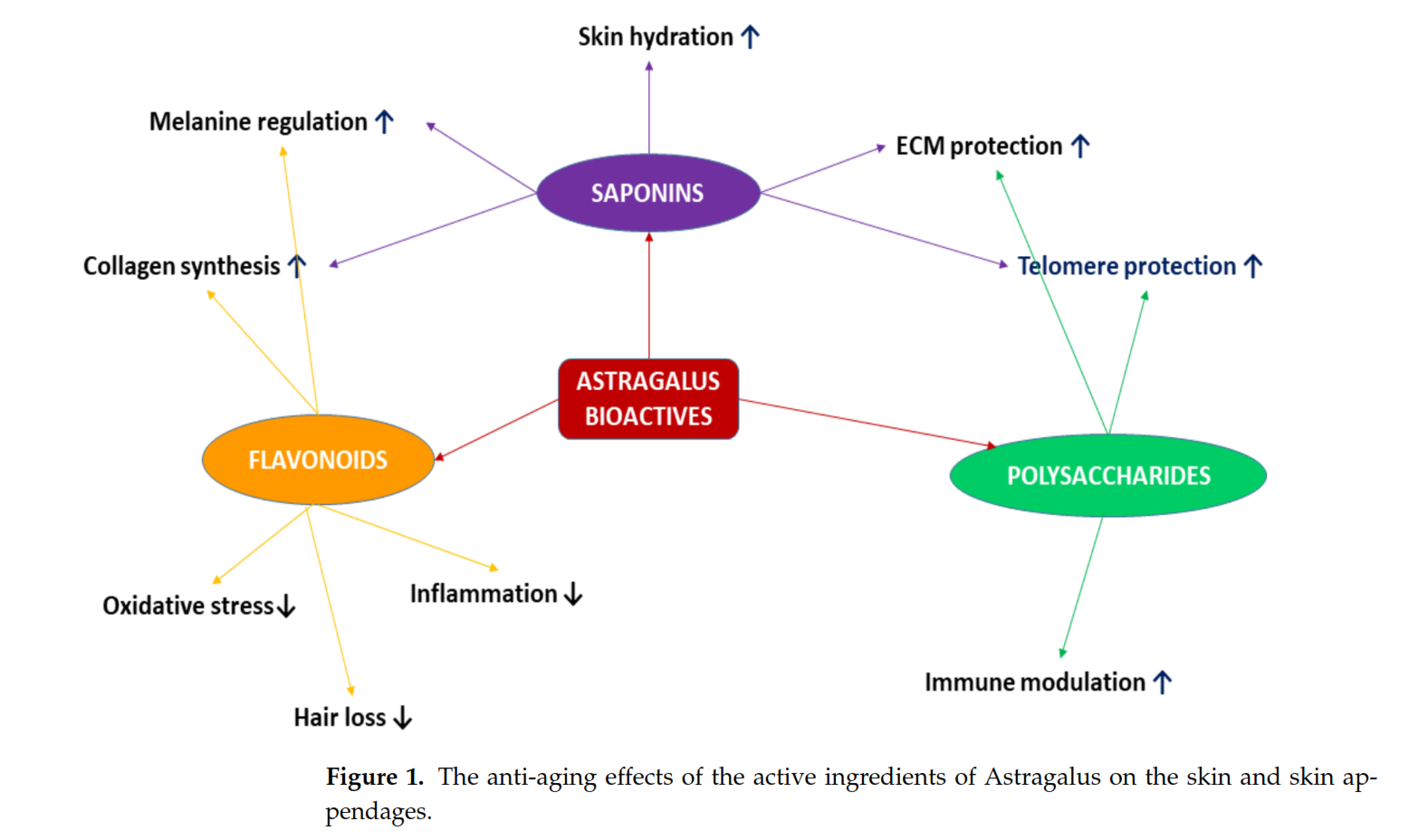
    Moved
    234
    0 Votes
    234 Posts
    37k Views
    GreekDemiGodG
    @LetTheRedeemed I don’t think NO pathway is necessarily always bad. If you’re underproducing NO, you might actually benefit from it.
  • 1 Votes
    5 Posts
    613 Views
    E
    @DavidPS while he didn’t mention lactoferrin in the interview, I remember hearing Peat once say that an all milk diet would be sustainable for about a month before causing iron deficiency. Just another thing to think about in the role milk and its components seem to have on iron. I’ve had pretty rough teeth my whole life despite following dentists recommendations as a child/teen. I have found a ton of relief in lactoferrin, (helps with tooth sensitivity, color, (from yellow to white) and translucence). The color of my teeth reminds me of rust, (which when diluted is more of a yellow-orange than red). Another modality that has improved my teeth has been the work of Dr Manhart over at the Calcium Therapy Institute. His products combine calcium with zinc… And here we are again, zinc, iron. I wonder, if bones are holding iron instead of zinc what their appearance might be? Maybe yellowing from oxidized iron? How is the Calcium Therapy Institute able to recalcify teeth that have almost completely disintegrated, (they primarily focus on bacterial infections causing the decay-though this brings us back to iron potentially)? Another thing I think about regularly is copper plumbing. All the water that touches our body lives/travels in copper. I don’t know one way or that other if this matters, but it’s just another drop in the bucket of “what the heck is going on with iron, zinc, and copper?” Is it possible we’d be better off with pex tubing? I recall another interview with Peat where he mentioned that the plastics used for pex were actually some of the safest. I have become fully convinced that environmental factors are possibly the most important to our health, but maybe they aren’t the ones commonly considered. People seem very worried about pollution, and sprawl, and things of this ilk, (which obviously have their own issues) but no one really talks about copper plumbing as potentially problematic. I have no evidence it is to be clear, it’s just something that pops in my head from time to time. One final thing I consider is the number of times I heard Peat say that typically chelation is more deleterious than simply leaving it alone. This stops me from jumping on the HG7 bandwagon despite being interested. I sometimes wish Dr Peat was still with us, as l’d love to have his option on some of the newer modalities that pop up now and then. I also think that Peat tended to focus on simplicity over utility because of his understanding of the nature of those who are ill. It’s possible that a complex system like say HG7 could be beneficial, however Peat may have discounted it for its potential to harm, and the difficulty of adhering to it. This doesn’t mean however that something so complex is inherently non-beneficial.
  • Lithium and and brain health

    2
    0 Votes
    2 Posts
    361 Views
    LucHL
    @DavidPS DavidPS said Lithium has been known to benefit the brain. Small amount of lithium found in the water table had great benefit. Excerpts from the study (main points): Here we show that endogenous lithium (Li) is dynamically regulated in the brain and contributes to cognitive preservation during ageing. Of the metals we analysed, Li was the only one that was significantly reduced in the brain in individuals with mild cognitive impairment (MCI), a precursor to AD. Li bioavailability was further reduced in AD by amyloid sequestration. Replacement therapy with lithium orotate, which is a Li salt with reduced amyloid binding, prevents pathological changes and memory loss in AD mouse models and ageing wild-type mice. These findings reveal physiological effects of endogenous Li in the brain and indicate that disruption of Li homeostasis may be an early event in the pathogenesis of AD. Li replacement with amyloid-evading salts is a potential approach to the prevention and treatment of AD. Analyze Yes, but … The amount is so light that it’s hard to measure without an appropriate tool. I’ve decided to make a search with LucH’s pendulum (1) when I saw last month an article in a medical review. We have to make a distinction between a pathology (AD) and cognitive preservation by anticipation. First, note that the improvement has been obtained on mice. Not only, but well in the referenced study. The improvement observed in the axons is fine / real but there is no feedback on the long term. A mouse doesn’t talk and doesn’t feel good but shows an ability to target sth (behavior to recognize, to memorize a way to get a sweat). The mouse acts in order to obtain a reward in the form of food or a punishment when it makes a mistake. I explain the restriction: Synaptic reuptake is a key process for regulating neurotransmitter concentration in the synapse. Lithium acts on this process to modulate neuronal activity. How much lithium is found in brain axons and how much is sequestered by cortical amyloid plaques has been studied. It has been done with human beings. See further details on the link beneath. For the other readers: Overall, lithium readjusts the balances between excitatory and inhibitory neurotransmission, as well as between catecholamines and acetylcholine. It is the adjustment of these balances, rather than the isolated effect on a single neurotransmitter, that partly allows for the improvement and stabilization of mood. End of the parenthesis. Dose range The effective dose range for lithium is relatively narrow, and exceeding it can lead to adverse effects. The specific mechanisms by which lithium exerts its effects on the brain are still under investigation (…). In case of supplementation, toxic effects are to be expected, such as concentration problems, but not only that. Plasma concentration is reached within 2 to 4 hours after oral administration of a supplement. (1) The plasma half-life is approximately 24 hours. Equilibrium is reached between the 5th and 8th day. More quickly if the kidneys' elimination capacity is reduced. Be careful, apprentice chemists, especially in the case of insufficient sodium intake. Final thought: Yes, Li is a cofactor in the absorption of certain vitamins, helps the body produce serotonin, supports the transmission of neural messages and much more. But I’d rather try to get my Li through food, provided you don’t suffer from intolerance, as there is a lot of Li in milk, cheese, eggs and sea food or liver (chicken or beef). Not yet official, but lithium is gradually being considered an essential trace element, with a recommended daily intake of 1 mg for a 70 kg adult. (2) Studies also suggest that lithium's effectiveness depends on the availability of other minerals and works synergistically with them to maximize its effectiveness on mood, longevity, and cognitive support. (3) In another human study, a daily microdose of just 300 mcg of lithium was found to significantly reduce age-related cognitive decline just three months after starting a lithium supplement. (4) NB1: Alzheimer is a complex pathology. We need to act in many directions. In short: exercise (mental and physical), K2 MK4, tocos, iodine and other well-known ones. For another article. NB2: I won’t trust a labo when they say lithium orotate could do the job. (5) Low supplementation (e.g., 5 to 20 mg/day of lithium orotate) may produce transient or subtle effects, but does not guarantee stable maintenance of brain levels. Sources & references My article on lithium https://mirzoune-ciboulette.forumactif.org/t2124-le-lithium-ameliore-l-humeur-optimise-les-cellules-souches-la-longevite-et-plus-encore#30285 Lithium: occurrence, dietary intakes, nutritional essentiality. J Am Coll Nutr, 2002) DOI: 10.1080/07315724.2002.10719188 https://www.ncbi.nlm.nih.gov/pmc/articles/PMC6443601/ https://pubmed.ncbi.nlm.nih.gov/22746245/ Une supplémentation faible (ex : 5 à 20 mg/jour de lithium orotate) peut produire des effets transitoires ou subtils, mais ne garantit pas un maintien stable des niveaux dans le cerveau (cf. étude Human brain 7Li-MRI: 10 à 60 µM, stable après 2-4 semaines). Human brain 7Li-MRI following low-dose lithium dietary supplementation in healthy participants - ScienceDirect 2024
  • The Role of Glycine Metabolism in Coronary Artery Disease

    1
    1
    0 Votes
    1 Posts
    284 Views
    No one has replied
  • Endothelial and Cardiovascular Effects of Naringin

    5
    2
    0 Votes
    5 Posts
    608 Views
    DavidPSD
    @LucH - thanks for your analysis. I tend to underthink some of these studies and often I do not make connections to other studies. I stopped eating grapefruit moths ago but I had not given a second thought to eating mandarin oranges. I am goig to rethink my dietary sources of Vitami C.
  • The artificial/accelerated aging effects of ultra-filtered sunlight

    5
    0 Votes
    5 Posts
    563 Views
    DavidPSD
    @pittybitty said in The artificial/accelerated aging effects of ultra-filtered sunlight: Full spectrum light bulbs (aka grow lights) are quite easy to get I find it easier to get sunlight than grow bulbs. Sunlight is much more intense than the light emanating from the bulbs. Grow lights are typically positioned very close the plants to get the best results. The image in Fgure 4(d) posted above shows how rapidly the incandescent light fades from it source. I would expect the same from grow lights. https://en.wikipedia.org/wiki/Radiant_intensity Winndow pane glass filters the portion of sunlight that the body uses to make vitamin D. If you go outside for 10-20 minuts during the day you can make enough vitamin D. The manufacturers of e-glass are charging a hefty premium for this specialty glass. I would expect that home buliders would not want to build using this glass.
  • Review of Anti-Aging Drugs

    1
    1 Votes
    1 Posts
    371 Views
    No one has replied
  • Sirtuins, Klotho and Ray Peat

    2
    2
    0 Votes
    2 Posts
    502 Views
    DavidPSD
    @Mauritio said in Sirtuins, Klotho and Ray Peat: Im courios what you guys think of that ? @DavidPS I've seen you post about sirtuins from time to time. I try not to overthink the effects of sirtuins. My posts about sirtuins have mostly been to support the effects of healthy foods. Here are my posts from the RPF. https://lowtoxinforum.com/search/2681847/?q=sirtuins&c[users]=David+PS&o=relevance Dr. Peat's quote about sirtuins needs to read in context. It may have been written many years ago. In addition, it does not distinguish which of the numbered sirtuins applies. If Peat says sirtuins are bad because they block p53, the context matters here aw well. Peatbot: P53 is a well-known tumor suppressor protein that plays a critical role in regulating the cell cycle and preventing cancer. It is often referred to as the "guardian of the genome" because of its role in maintaining genomic stability by preventing mutations. When p53 is functioning properly, it can help protect against cancer by repairing DNA or initiating apoptosis (programmed cell death) if the DNA damage is irreparable. However, mutations in the p53 gene can lead to a loss of its tumor-suppressing functions, which can contribute to the development of cancer.
  • palmitic acid reduce amygdala serotonin and raise anxiety (in rats)

    4
    0 Votes
    4 Posts
    497 Views
    LucHL
    C16.:0 Palmitic acid C18:0 Stearic acid C12:0 lauric acid or C4:0 butyric acid or C6:0 Caproic acid Note: Some people could have allergy problem with stearic acid when suffering from leaky gut or border bross inflamed (stomach). When consumed on a regular base, from supplements, e.g. It depends on the amount and the frequency. As a whole food or re-combined as a soluble vehicle when adding e.g. essential oils. When you take it with food and not directly injected in the blood (fatty muscle leg or arm), is quite different. I haven't the answer. Edit: If you meant "does the mixture change the assimilation" when fluid, no. Up to 10 carbons, direct assimilation from the liver to the muscles (or in the Krebs cycle) (portal vein). Between 12-14, +/ half and half (half with VLDL and LDL vehicle). Higher carbon chains with these two last conveyors. From ChatGPT (confirmation asked): MCT oil is indeed utilized by muscles for energy, not just for the Krebs cycle in the liver. While MCTs are readily metabolized in the liver and can be converted into ketone bodies, they are also transported to other tissues, including muscles, where they can be directly used as fuel. This direct utilization contributes to muscle energy production and can potentially enhance muscle function and growth.
  • Coffee’s Impact on Health and Well-Being

    4
    1 Votes
    4 Posts
    583 Views
    DavidPSD
    @LucH @wrl thanks for the interestng links.
  • Hypertension Allows Harmful Immune Cell Infiltration of the Brain

    11
    1 Votes
    11 Posts
    1k Views
    DavidPSD
    Prebiotics Improve Blood Pressure Control by Modulating Gut Microbiome Composition and Function: A Systematic Review and Meta-Analysis (2025) Results: Of the 3010 records screened, nineteen studies met the inclusion criteria (seven human, twelve animal). A random-effects meta-analysis was conducted on six human trials reporting post-intervention BP values. Prebiotics were the primary intervention. In hypertensive cohorts, prebiotics significantly reduced SBP (−8.5 mmHg; 95% CI: −13.9, −3.1) and DBP (−5.2 mmHg; 95% CI: −8.5, −2.0). A pooled analysis of hypertensive and non-hypertensive patients showed non-significant reductions in SBP (−4.5 mmHg; 95% CI: −9.3, 0.3) and DBP (−2.5 mmHg; 95% CI: −5.4, 0.4). Animal studies consistently showed BP-lowering effects across diverse etiologies. Prebiotic interventions restored bacterial genera known to metabolize DFs to SCFAs (e.g., Bifidobacteria, Akkermansia, and Coprococcus) and increased SCFA levels. Mechanistically, SCFAs act along gut–organ axes to modulate immune, vascular, and neurohormonal pathways involved in BP regulation. [image: 1755345967207-110ba5d4-966b-4f7d-a2cb-6f51cf377aa4-image.png]
  • 0 Votes
    2 Posts
    334 Views
    LucHL
    Hi, In my research on the effects of phytotherapy against inflammation in order to relieve pain, I found this. Boswellic acid from boswellia serrata is effective against these “agents”: Board: [image: 1755328102838-tableau-docx-partiel.jpg] So effective against these agents. Abréviations: RA = Rhumatisme arthritique / Rheumatoid Polyarthritis (often calle « PR », in French) PGE = Prostaglandines. IL-1B = cytokine, mediator involved in particular in RA (destruction of cartilage/synovium). TNF-a = facteur de nécrose tumorale alpha (cytokine, messenger involved in the inflammatory process). MMP = matrice métalloprotéinase (MMP stands for enzymes that selectively hydrolyze peptide bonds and degrade structural proteins; they play a crucial role in the breakdown of joint tissues). NF-kB = facteur nucléaire-kappa B (controls many genes involved in inflammation). PLA2 = Phospholipase A2. NO = monoxyde d’azote synthase (=>inhibited nitric oxide production). LPS = Lipo-polysaccharides (immune reaction induced by an excess of bacterial residues destroyed by macrophages). AO = anti-oxydant. (x) => (moderate effectiveness) (if into brackets) X? => A single source found. NB: Unchecked boxes only indicate that I have not found any "reliable studies" mentioning this action. We will complete this later, if possible... See this post, on my forum, for analyze and comments: Understanding the inflammatory response (AA cascade). Substances naturelles anti-douleur. Tableau https://mirzoune-ciboulette.forumactif.org/t266-substances-naturelles-anti-douleur-tableau#15733 (update 04/2020) : Comment: I’d combine Boswellia with Celadrin to target as much possible the other factors. These molecules only acts on inflammation, not on the pain. Celadrin is a brand name and is made of “unsaponifiables”, often coming from of avocado and soy. Lubricates joints. 350 mg 3X/jr. Comment: Don’t forget these molecules have to be taken in staples, with recovery periods, not to weaken the detox pathway Cyp450 (accumulation of toxins could happen, otherwise). So pause every 6 weeks, according to your feelings, as well. Some substances have an impact on platelet aggregation, as well. E.g. curcumin and aspirin (white willow bark). Not Celadrin. The body is able to manage and fight against pain, if not overburden. Need to be covered against oxidation, to preserve homeostasis (interaction). B6 PLP could be useful too but mind the side effects when overload. I associate 100 mg of each B1, B2, B3 niacinamide, B6 PLP + 500 mg TMG, but only 5 days a week, for 3 weeks. Then 2 weeks stop (to avoid problem with GABA when excess B6).