Dandruff or scalp irritation? Try BLOO.

Subcategories

  • Scientific papers, books, blog posts. Discussion of whatever you find interesting and notable.

    659 Topics
    4k Posts
    AlphaZanceA
    Abstract Background The Metabolic Syndrome (MetS) is highly prevalent and associated with an increased risk for Type 2 diabetes mellitus (T2DM) and cardiovascular disease (CVD). Lifestyle recommendations to treat MetS often include the replacement of saturated fats (SFA) and monosacharides with unsaturated fat. However, it is unclear whether metabolic parameters will improve more when the saturated fat in American Heart Association (AHA) diets is replaced with higher concentrations of mono or poly-unsaturated fatty acids (MUFA, PUFA). Objective To test the hypothesis that an AHA diet enriched in MUFA improves lipoprotein lipids, insulin resistance, inflammation and endothelial function to a greater extent than a diet enriched in PUFA in middle-aged men and women with MetS. Methods A prospective, open-label, parallel group design with randomization to a hypocaloric MUFA or PUFA enriched diet following weight stabilization on an AHA Step I diet. Participants consumed 3 MUFA or PUFA enriched muffins daily with additional supplementation as required to ensure 25-50% increases in dietary fat intake from these sources at the expense of SFA and the opposing unsaturated fat. Changes in MetS components were measured at baseline and after 6 months of dietary intervention. Results Thirty-nine participants (mean age 60.8 years, 79% African-American, 60% women) with MetS completed the 6-month study. Compared to baseline, assignment to either MUFA (n=23) or PUFA (n=16) both were associated with weight loss (WL) (MUFA: −2.3±1 kg, P=0.06; PUFA: −4.6±2 kg; P=0.002), but PUFA was also associated with reductions in triglycerides (TG) (−30±18 mg/dL, P=0.02), systolic blood pressure (BP) (−7±3 mmHg, P=0.01), diastolic BP (DBP) (−4±2 mmHg, P=0.01) and improved flow mediated dilation (FMD) (7.1±1.8% vs. 13.6±2%, absolute increase; P=0.0001). When compared to MUFA treatment, PUFA intervention was associated with reduced TG (P=0.04) and DBP (P=0.07) as well as increased FMD (P=0.04) even after adjustment for changes in weight. There was no effect on total cholesterol, low-density lipoprotein cholesterol (LDL-C), glucose, high-sensitivity C-reactive protein (hs-CRP) or other inflammatory proteins. Overall, 25% (4 of 16) assigned to PUFA and 13% (3 of 23) to MUFA converted to non-MetS status. Conclusion Substitution of SFA with PUFA in patients with MetS is associated with greater reductions in TG and improvement in endothelial function than MUFA that is independent of WL. These preliminary findings raise the possibility that PUFA may be the unsaturated fat of choice to reduce cardiometabolic risk in patients with MetS. https://pmc.ncbi.nlm.nih.gov/articles/PMC5010036/ The conflict you’ve highlighted is the central battleground between Bioenergetic (Ray Peat) principles and Mainstream Lipid Science. To understand why a study like the MUFFIN study shows positive results for Polyunsaturated Fats (PUFA) while Ray Peat viewed them as metabolic toxins, we have to look at the different metrics they prioritize: short-term blood markers versus long-term cellular stability. 1. The Chemical Difference: Why Peat Opposed PUFA Ray Peat’s primary argument against PUFAs (like those found in soybean, corn, and sunflower oils) was based on their chemical structure. PUFAs have multiple "double bonds." Saturated Fats (SFA): Have no double bonds. They are straight, stable, and resistant to heat and oxygen. Polyunsaturated Fats (PUFA): Have multiple double bonds. These bonds are "open" sites where oxygen can attack, leading to lipid peroxidation. According to Peat, when these unstable fats are incorporated into human tissues (cell membranes and mitochondria), they make the body more susceptible to oxidative stress, inhibit thyroid function, and promote the formation of age pigments (lipofuscin). 2. Analyzing the MUFFIN Study through a "Peat" Lens The MUFFIN study found that PUFAs were superior to Monounsaturated Fats (MUFA) for improving triglycerides and blood pressure in patients with Metabolic Syndrome. A follower of Ray Peat would likely critique these findings using the following arguments: A. The Weight Loss Confounding Factor In the study, the PUFA group lost significantly more weight (-4.6 kg) than the MUFA group (-2.3 kg). The Mainstream View: PUFAs might improve insulin sensitivity, leading to better weight loss. The Peat View: PUFAs are known to be "pro-metabolic" only in the sense that they can be toxic to the mitochondria, sometimes causing a "wasting" effect or a stress-induced increase in metabolic rate. Peat often argued that PUFAs interfere with the body's ability to store energy efficiently, which might show up as weight loss but at the cost of increased systemic stress. B. The "Blood Clearing" Effect vs. Tissue Accumulation The study focuses on Triglycerides (TG) and Flow Mediated Dilation (FMD). The Mainstream View: Lowering triglycerides in the blood is a sign of improved cardiovascular health. The Peat View: PUFAs lower blood lipids because they are easily oxidized and "pulled" out of the blood into the tissues, or because they inhibit the liver's ability to release glucose and fats. Peat argued that having lower fats in the blood isn't a benefit if those fats are being stored in your cell membranes, where they remain vulnerable to turning into toxic byproducts like acrolein and 4-HNE. C. The Randle Cycle (Glucose Competition) Ray Peat’s work heavily emphasized the Randle Cycle, a metabolic process where the oxidation of fats inhibits the oxidation of glucose. Peat argued that PUFAs are particularly effective at blocking the "burning" of sugar. While the MUFFIN study suggests improved "metabolic management," Peat would argue that over the long term, high PUFA intake forces the body into a state of "fat-burning" that mimics diabetes at a cellular level, suppressing the more efficient oxidative metabolism of glucose. 3. Why the results differ The MUFFIN study and Ray Peat are essentially looking at two different things: Feature Mainstream/MUFFIN Study Focus Ray Peat/Bioenergetic Focus Primary Goal Lowering blood markers (TG, BP, LDL). Increasing metabolic rate and CO2 production. Timeframe Short-term (6 months). Decades of tissue accumulation. Mechanism PUFAs as "essential" signaling molecules. PUFAs as "anti-thyroid" and oxidative toxins. Endothelial Health Measured via blood flow (FMD). Measured via resistance to lipid peroxidation. Summary The MUFFIN study provides evidence that for obese individuals with metabolic syndrome, replacing saturated fats with PUFA can lead to rapid improvements in clinical biomarkers (blood pressure and triglycerides). Ray Peat would counter that these improvements are superficial. He would argue that the participants are trading "good-looking" blood tests for long-term "rotten" cellular membranes. From a Peat perspective, the "metabolic syndrome" is caused by a lack of sugar oxidation, and adding PUFAs—even if they lower blood pressure in the short term—further suppresses the thyroid and the body's ability to use oxygen properly.
  • Websites, newsletters, articles, podcasts, interviews, explainers, books, and other resources that relate to the work of Dr. Raymond Peat.

    62 Topics
    703 Posts
    CiceroC
    I noticed the reprint of Nutrition for Women says "100 short articles by Ray Peat, PHD," where the old one said "92...". What did they add to it? Also, note that From PMS to Menopause is for sale on Peat's website but not Amazon, and Peat's website doesn't have Generative Energy. Weird. I wonder if Katherine gets more of the money if you order from Peat's site. I'd imagine so.
  • Do you have a question? You can post it here, but you will only receive unqualified personal opinions and NOT medical advice in any shape or form. If something seems like medical advice but it's posted in this category, it's actually a personal opinion.

    1k Topics
    11k Posts
    L
    @awawat there’s more where that came from ( ͡° ͜ʖ ͡°) Also, I would consider your rT3 levels if you’ve taken only T4 with no results for a while. Peat talked about success with low doses over a course of 6-24 months. Maybe you could play with higher ratios of t3 to t4 in your lunch and dinner doses. Danny Roddy probably has the most complied info on practical thyroid use, between convos with Peat, and feedback with health coaching. I think he might have a concise vid on using thyroid on YouTube
  • From medical devices to supplements. Red lights, CO2 tanks, large trash bags, kuinone, and more.

    393 Topics
    4k Posts
    sunsunsunS
    @saturnuscv which brand pharma oxandroloine?
  • Recipes, food, meal prep, brands. Discuss them all here.

    236 Topics
    2k Posts
    JenniferJ
    @Mossy, thank you for understanding. I’ve been taking advantage of the beautiful weather we’ve been having here and helping my dad build up the endurance he lost since having the flu in January so I’ve been away from my computer and the forum more, lately. I think the thread’s title should read Cooking With Mossy because you’re far more ambitious and precise with your cooking than I am. You remind me of my brother. While I hardly ever measure ingredients and prefer using my senses—for example, I can tell by smell when something is done baking—my brother is methodical and likes following detailed instructions. I joke that it’s because he’s a Virgo, a sign known for its meticulous attention to detail, sometimes to its own detriment, and that if you want something done to perfection, hire a person with Virgo (or Capricorn) placements. I’m so glad you’ve made strides with your health and with your level of dedication, I have no doubt that you’ll continue to. I think my success with thyroid is a reflection of my long-standing deficiency, having had an under-active thyroid since birth and certain stressful experiences like molestation that suppressed it further. I think the average person with a healthier history could improve their thyroid function with diet and lifestyle changes alone. Having overcome the trauma, my need to supplement is minimal now outside of winter so I’m hopeful it will eventually be unnecessary. I’ve been a swimmer since I was in utero —in fact, one of my earliest memories is me as a baby in our pool wishing my mum had put me in the blue floaty she put my cousin in, instead of the red floaty I was in because even barely out of the womb I had strong preferences and don’t care for red lol—so I don’t actually fear I would drown, but I can see myself getting tossed around like a beach ball. However, it’s not mastering surfing that I’m after, but the surfer’s relaxed lifestyle and mindset. I could easily spend hours floating in the ocean on a surfboard (or steamer trunk—shout-out to Joe ), never catching a wave, and be in total bliss if I was in the flow, just being water, my friend. Haha! Fair enough. My dad isn’t a finger tapper, though. I sometimes wish he was because it has been a struggle getting him to eat, especially since his cancer treatments. I used to make all his meals in bulk on Mondays and he would just pull whatever he wanted out of the freezer and reheat it in the microwave throughout the week, but I’m having to make him all his meals daily now because he won’t eat otherwise. LOL at ask Jennifer. I’ve been collecting random knowledge in preparation for if I’m ever a contestant on a game show. I’m convinced with each fact I gather that no matter how useless, it will be the answer to the question that stands between me and the grand prize so it goes in the memory bank. Even if there is credibility to the claimed benefits of sprouting and fermenting, it sounds like grains are only a fraction of your diet so I personally would stick with the flour that’s been working for you. You’re already eliminating the worst offenders (IMO)—the franken ingredients—by baking from scratch. The only reason I like sprouted flour is because I find it sweeter and as a devout Wonka follower, the sweeter the better. My dad doesn’t eat a ton of grains, anyway.
  • Discussing pistol squats, concentric exercise, resting, and other forms of strength training.

    92 Topics
    1k Posts
    alfredoolivasA
    @sunsunsun thx sushi
  • Is magic shell peaty

    8
    1
    0 Votes
    8 Posts
    790 Views
    ozmaO
    You can make your own chocolate syrup with cacao powder, sugar, milk or water, and vanilla extract. Bringing this to a boil and reducing it allows it to become a syrup. The stearic acid in cacao butter can help a lot with your metabolism as it is dopaminergic (I think), increases mitochondrial fusion, and lowers cancer risk. +1 for the heavy metals as chocolate can be high in cadmium and aluminum. The polyphenols in chocolate can also help with digestion as it acts as a prebiotic (at least in pigs.)
  • Tightness of the wrists

    2
    0 Votes
    2 Posts
    342 Views
    DakotaD
    @calx methylene blue can cause high blood pressure in high enough doses.
  • What does thyroid do?

    2
    0 Votes
    2 Posts
    457 Views
    calxC
    @alf to dumb it down big time: thyroid regulates metabolism. Hypothyroid people have less thyroid hormones than people with a well functioning thyroid. Less thyroid hormones, worse metabolism. More thyroid hormones, better metabolism.
  • Rapid creatine degradation into creatinine

    7
    0 Votes
    7 Posts
    622 Views
    KrutonK
    I might delete, since some of my original statements are wrong
  • Taking aspirin during development

    3
    0 Votes
    3 Posts
    440 Views
    b4ndsup.mannyB
    @Fructose ok I see
  • Bioenergetic Combined With Love Force/Energy

    2
    0 Votes
    2 Posts
    312 Views
    A
    @aesthetic9 We literally can share energy, using concept of RESONANCE, to let the physical bodies of those who tooks the cov19 vax HEALS itself.
  • Is a compact Hausdoff space peaty?

    1
    0 Votes
    1 Posts
    321 Views
    No one has replied
  • Fructose - Resources

    2
    1
    0 Votes
    2 Posts
    475 Views
    FructoseF
    @izkrov said in Fructose - Resources: Looking to pool resources on the effects of fructose, I've never felt any different from eating it but some people it upsets their tummies. Ray's mentioned that fructose is also mitochondrial uncoupler [image: 1706572367929-e2803e53-7602-4f87-95b2-232c6dcd5cef-image.png] If someone knows a source for that or the reasoning behind it, please poast. Anyway, here's some sources from his newsletters: Fructose promotes sodium retention (https://pubmed.ncbi.nlm.nih.gov/6344611/) Diabetics have increased vascular leakiness (https://pubmed.ncbi.nlm.nih.gov/12564648) Fructose lowers blood vessel leakiness (https://pubmed.ncbi.nlm.nih.gov/14553836/) And the "Sugar Issues" newsletter from 2011 talks about how you can use fructose when glucose isn't available, as well as eating more calories but retaining the same weight. Some Haidut sources. He has a study that shows fructose didn't deplete liver atp which is a main argument against fructose https://twitter.com/haidut/status/1751765657648038132 Perhaps fructose, as an insulin mimetic, has a similar effect to insulin on the oxidation of fatty acids, which may contribute to better oxidative phosphorylation.
  • This topic is deleted!

    1
    0 Votes
    1 Posts
    36 Views
    No one has replied
  • Phenibut+alchohol for reducing cortisol spikes when drinking

    3
    0 Votes
    3 Posts
    517 Views
    goyimG
    @peatard haven’t had alcohol without Phenibut or Kratom in probably months they’re designed to go together
  • knee pain? cysts?

    3
    0 Votes
    3 Posts
    400 Views
    PillmanP
    @pillsbury What kind of exercises were you doing before getting injured?? Those are both injuries of over-use. I had the same time of cyst on my wrist from gymnastics but I didn't pop it. I stopped putting heavy loads on it and I took lots of aspirin, and it disappeared in a couple of months. You should take aspirin, vitamin E mixed tocopherols, and get some selenium from shellfish 2x a week. Put a warm wet rag on it for 10 minutes every day. Never use icy hot at the same time as the skin is wet, but icy hot or a similar menthol+camphor+methyl salicylate rub helps too.
  • Supplements to offset SlimJim consumption?

    1
    0 Votes
    1 Posts
    271 Views
    No one has replied
  • Weird energy drop hours after eating starch or fiber

    4
    0 Votes
    4 Posts
    671 Views
    The Good DoctorT
    @API-Beast I’m unsure. I know for myself, cooking rice pilaf well in bone broth was great for quick, digestible starches with no blood sugar “crash” feel. Same with jasmine rice and sweet potatoes.
  • This topic is deleted!

    1
    0 Votes
    1 Posts
    42 Views
    No one has replied
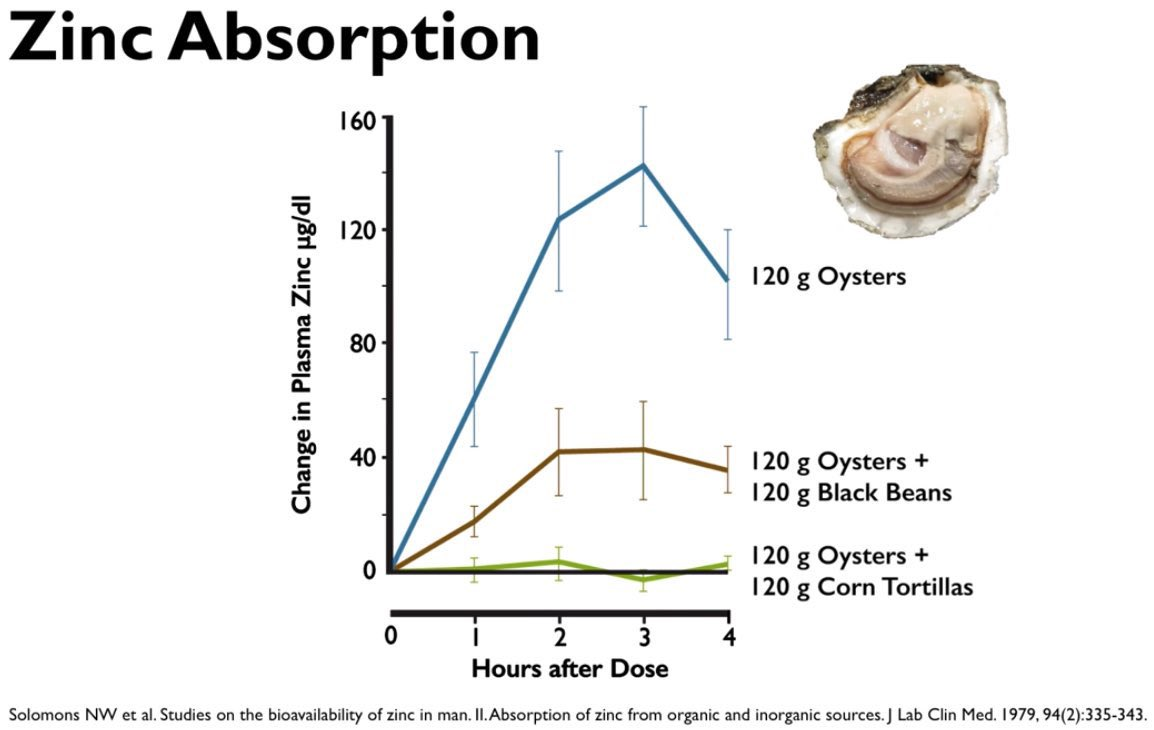
  • Best ZMA supp

    1
    0 Votes
    1 Posts
    259 Views
    No one has replied
  • Religion and bioenergetics..

    8
    0 Votes
    8 Posts
    1k Views
    trumpT
    @StrongestPeater The soul isnt real. This is all just a chemical reaction.
  • Weird extreme fatigue bouts during exercise

    9
    0 Votes
    9 Posts
    1k Views
    I
    @AndrewPeatMatrix I had exercise intolerance after a brain injury, dysautonomia was a big part of the problem and sounds similar to what you're describing. I've been focusing on increasing my heart rate variability, doing resonant breathing in between sets (kneeling or sitting on the ground and doing deep 4 second breaths in and out) and it seemed to help. Having said that, it took quite a while to get to that point. I wear a whoop strap which tracks my HRV though and have measured an increase over the past few months and don't feel terrible afterward. Related to that, I've been laying on a biomat post-workout, doing Wim Hof breathing either pre or post workout, and also increasing my Vitamin B intake (thiamine deficiency can be implicated in dysautonomia)
  • Malassezia Folliculitis

    1
    0 Votes
    1 Posts
    695 Views
    No one has replied
  • Mark Sloan, CowsEatGrass, Ray Peat

    6
    0 Votes
    6 Posts
    989 Views
    DakotaD
    @eric It generates lots of ROS similar to traditional chemotherapy.
  • A Guide to Peaty Christian Fasting/Peaty Lent?

    fasting christian easter
    6
    0 Votes
    6 Posts
    916 Views
    ?
    I’m not sure about Orthodox or Prot but in Catholicism fruit juice does not break a fast. Also the current rules for fasting are pretty manageable. So unless you have some calling from God to do heavy fasting I wouldn’t over think it.