Dandruff or scalp irritation? Try BLOO.

  • Almost 2 years into peating and starting to get desperate

    13
    0 Votes
    13 Posts
    2k Views
    F
    @lobotomize-me con you please give more details on oj acting as anti thyroid? I never thought of it and I wonder whether now I feel better and less bloated as oranges are not in season and I can't get on. Thanks!
  • Understanding Vitamin A metabolism

    3
    2
    0 Votes
    3 Posts
    705 Views
    LucHL
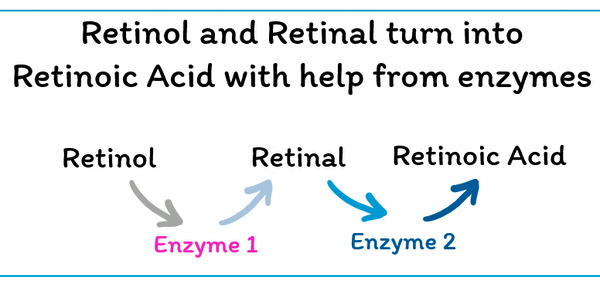
    Pharmacological dosage of vitamin A as supplement Inhibitors of retinol We will assume that we are not dealing with vitamin A inhibitors. Mind when combining 2 or several factors: Alcohol (> 1 glass wine or beer a day), excessive coffee (more than 2-3 cups), cortisone, excess iron (>240; ideal ferritin level at 120 ng/ml), high amount of vegetable oils (> 5 g PUFA), smoking, anti-acid supplement, aspirin 500 mg without making staples (impact on platelets), … Works synergistically with: Calcium, Phosphorus, Zinc, C, D, E*, Choline, Vitamin B* complex, EFA. Too much of a good thing is bad. Optimal range There is no consensus about the ratio between HD A1 and D3. Ratio 1:1 to 3:1 for retinol / Vit D3 is optimal when taking a supplement. For Chris Masterjohn Ratio 4:1 to 8:1 for Dr. Lindsay. More vitamin A than vitamin D. In studies examining the protective effects of cod liver oil against upper respiratory tract infections, Dr. Lindsay and her colleagues used A-to-D ratios between 5:1 and 8:1. Let’s say we should target 35 ng/mL 25(OH)D levels to limit immune problems. Target 45 ng is optimal Chris Masterjohn has discussed the importance of maintaining a healthy balance between vitamins A and D, rather than focusing on high levels of either. • 30 ng/mL as a minimum: Many experts consider 25(OH)D levels of 30 ng/mL (75 nmol/L) and above to be sufficient for most adults to maintain bone health and potentially reduce the risk of some diseases. • 40-60 ng/mL for potential benefits: Some research suggests that higher levels within the 40-60 ng/mL (100-150 nmol/L) range may offer additional benefits, potentially reducing the risk of certain cancers, autoimmune diseases, and other conditions. Note: When you reach a ceiling below 40 ng/mL Vit D, you must be careful not to exceed 420 mg of elemental magnesium. Has to be confirmed with practical guidance. Optimal vitamin D level There is some good evidence that 25(OH)D levels should be at least 30-35 ng/ mL (75-88 nmol/L). Much higher levels may be better, or they could start causing harm, especially in the absence of adequate vitamins A and K2. Once we leave the land of 30-35 ng/mL, however, we enter the land of speculation. Sources: Chris Masterjohn – Westonprice.org 2010. https://pmc.ncbi.nlm.nih.gov/articles/PMC8003866 Synergism between Vitamin A and Vitamin D but Excess Vitamin A causes Bone Problems A study from NIH has shown that Vitamin A, specifically retinoic acid (RA), can increase Vitamin D Receptor (VDR) expression by up to 3-fold in certain cell types. This increase is observed in various tissues and cell types, including T cells and muscle cells, when treated with RA. The study also suggests that RA-induced VDR expression can be affected by Vitamin D, and vice versa, highlighting a complex interplay between these two important nutrients. The dose from research was less than 5000 IU of Vitamin A (1500mcg) that get best benefits. However, an increased VDR expression due to high level of retinoic acid (RA) can influence the downstream effects of both Vitamin A and Vitamin D signaling pathways. doi: 10.3389/fimmu.2021.684015 Fatima A H Al-Jaberi et al. 2021. Front Immunol. Interaction and Proposed Ratios Chris Masterjohn describes a dynamic synergy: Vitamin A and vitamin D each mitigate the other’s toxicity, but when one is excessive relative to the other, metabolic harm may occur—such as bone loss (from too much A alone) or soft tissue calcification (from too much D alone). Vitamin K₂ is essential to activate key Gla proteins like osteocalcin and matrix Gla protein, helping ensure calcium goes into bone rather than soft tissues and articulations. Source: mountaindogdiet.com interview with Chris Masterjohn: Dynamic synergy between vitamin A and vitamin D. According to the gosling study (poultry nutrition), overly high A relative to D impaired growth—even moderate A antagonized D at low D levels. Growth was optimized with ratios closer to ~3.5:1 or lower. Addressing Thyroid Status according to Ray Peat Considerations I’ve noted Ray Peat’s concept of reducing retinoic acid when hypothyroid. In those cases, it may make sense to lean toward a lower A:D ratio, perhaps closer to 1:1, or even shift toward more D if RA synthesis slows. Evidence from community reports aligns: hypothyroid individuals frequently struggle to raise 25(OH)D even with doses alone, but see improvement when vitamin A is added—but only in appropriate ratios. Thus, especially if hypothyroid, starting with ~1,000 IU A with ~1,000 IU D₃ may be more effective, slowly titrating both up while testing 25(OH)D serum, and watching for signs of imbalance. Adressing the balance for liposoluble vitamins Talk with ChatGPT. My final target (based on known data), making things reachable • To reach 35 ng/mL 25(OH)D, ~2,000–3,000 IU D₃/day may be needed for most adults (see meta analysis: European adults ~2,500 IU/d → ~75 nmol/L, i.e. ~30 ng/mL) pubmed.ncbi.nlm.nih.gov. • To maintain a sane A:D ratio between ~1:1 and 3:1, vitamin A intake at ~2,000–6,000 IU depending on your chosen D dose is reasonable. • Your 1 mg K₂ MK 4 aligns well with vitamin K needs to activate the Gla proteins. • Start perhaps with a mid point: 3,000 IU A in morning, 2,500 IU D₃ evening, and keep K₂ midday with fat. Check serum 25(OH)D and adjust. Summary  Chris Masterjohn strongly advocates balanced A:D ratios (~1:1 to 3:1); 5:1 is higher than typical guidance and risks antagonism.  To reach 35 ng/mL D, I likely need 2,000–3,000 IU D daily.  Therefore 2,000–6,000 IU vitamin A, paired with your 1 mg MK‑4, would better align with balance principles.  And if hypothyroid, sticking closer to 1:1 may be safer.  All doses remain below toxicity thresholds (UL for A ≈ 10,000 IU/day; for D ≈ 4,000 IU/day) but we’re in pharmacologic range—monitor labs. If you want more Vit A, start perhaps with a mid point: 3,000 IU A in morning, 2,500 IU D₃ evening, and keep K₂ midday with fat at 1 mg. Check serum 25(OH)D and adjust. Supporting Chris Masterjohn Sources • He emphasizes the necessity to balance A and D (synergistic moderation), and cautions that excess of one can poison the other’s benefits; optimal functioning requires balanced intake plus adequate K₂ to activate key proteins • Balance extra 500 µg K₂ with 3,000 IU A and 900 IU D offers a template to scale up proportionally as doses rise.

  • Improving eyesight

    33
    0 Votes
    33 Posts
    4k Views
    C
    @wester130 Not sure, I don't wear glasses.
  • Peaty man looking for a peaty woman

    7
    0 Votes
    7 Posts
    1k Views
    P
    @Luke europe
  • Coffee orders/society

    6
    0 Votes
    6 Posts
    721 Views
    H
    I like to pamper myself and have cream in my coffee. It is delicious.
  • Laxatives, stool softeners and prokinetic agents

    8
    0 Votes
    8 Posts
    993 Views
    LucHL
    *) Suspicion of FUT2 deficiency If there is a metabolic deficiency (FUT2 gene), the mucus layer is defective/insufficient. In the presence of insufficient mucus, the small intestine is not properly protected by the thickness of the mucosa. Mucus also serves to trap unwanted organisms and push them towards the colonic flora (microbiota), which serves as food for the good bacteria. There is then a risk of stagnation and the creation of a gastro-resistant biofilm, a future pothole, where friendly or unfriendly colonies may form. At the beginning of the process, the friendly strains that develop in the small intestine are no longer friendly at all and will proliferate "live," benefiting from 100% of the nutrition (to the detriment of their host) and forming colonies that will ultimately be pathogenic and impervious to antibiotics. So, yes, at the beginning, we will have good feelings, then after 1 to 2 months it will start to go wrong without us understanding where it comes from.
  • The Devolution of Frank Tufano

    23
    0 Votes
    23 Posts
    3k Views
    rohmilchbubiR
    Whatever is happening to him, his older work is still gold and worth listening to https://www.youtube.com/watch?v=tq37Z9sYTx8
  • Red light On sale at Woot

    6
    0 Votes
    6 Posts
    1k Views
    yerragY
    @Kilgore I'm sure we'll both get a lot of use out of it. This is designed much better to make it convenient to use. I hardly used the ones I bought from Redlightman.
  • 0 Votes
    2 Posts
    680 Views
    LucHL
    Lack of magnesium How does a lack of magnesium induce a deficiency in mitochondrial energy at the end of the process? I’ve been reading a RP letter recently and I wanted afterwards to go deeper in the PKC system (Protein Kinase C) to connect the dots. (1) Nearly every reader here knows the impact of PUFA on metabolism. And the interdependence and the ripple effect between excess estrogens and adipocyte cells (though AA cascade when we are stressed). When we have difficulty in maintaining an adequate energy production, whatever the cause may be (e.g. diabetes, hypothyroidism, colopathy, etc.), a deficit produces an alarm state, causing increased production of adrenalin and cortisol. (2) (Derived from the "fight-or-flight" response, a protective survival process). These stress hormones trigger the release of stored energy from the liver (glycogenolysis) and fat tissue (lipolysis). Thus, adrenalin mobilizes fat from storage, and these free fatty acids are often going to create a chronic problem. Metabolic Shift During stress, the hormones adrenaline (epinephrine) and cortisol shift the body's energy focus from glycolysis (using glucose for energy) towards lipolysis (breaking down stored fats for energy). However, reduced reliance on glycolysis is not completely shut down; its relative importance is diminished as the body prioritizes fat breakdown for energy. Big advantage of our specie on the animal reign (enable to quickly mobilize stored energy reserves for a long time). Estrogen and PUFA activate the PKC system I cite RP: “Estrogen and the polyunsaturated fatty acids (PUFA), linoleic and linolenic acid, alike activate the protein kinase C (PKC) system of cellular activation. Many of the functions of PUFA are similar to the functions of estrogen (e.g., antagonism to thyroid function, promotion of age pigment/lipofuscin), so this information showing that they both act similarly on the same basic regulatory pathway is important. Estrogen increases secretion of growth hormone (GH; it's closely associated with prolactin, also increased by estrogen), and GH causes an increase in free fatty acids in the blood. Estrogen promotes iron retention, so it sets the stage for oxidative stress. At least in some systems, both estrogen and PUFA promote the entry of calcium into the cell.” (1) In diabetes, there is a generalized excess activation of the PKC system (protein kinase C). (…) Protein Kinase C system (PKC) What is the role of PKC system and its impact on energy? In short: PKC is a key player in cellular energy regulation, influencing mitochondrial function, energy sensing, neurotransmitter release, and other energy-related processes. By modulating these processes, PKC helps cells maintain energy balance and respond to changes in energy availability. PKC is also intertwined with other energy-signaling processes (AMPK) and neurotransmitters. PKC system in details Here's a more detailed look at PKC's impact on energy: Mitochondrial Function: • PKC signaling can influence mitochondrial function by regulating enzymes involved in oxidative phosphorylation, the process by which mitochondria generate ATP. • For example, PKC can regulate pyruvate dehydrogenase (PDH) and cytochrome c oxidase (Complex IV), which are critical for cellular energy production. • PKC also plays a role in mitochondrial dynamics, which is important for maintaining healthy mitochondria and efficient energy production. Energy Sensing and Signaling: • PKC can phosphorylate AMPK, an enzyme that is activated by cellular energy depletion. • This phosphorylation can affect AMPK's activity, which in turn influences cellular processes that regulate energy balance. • By interacting with AMPK, PKC can help cells respond to changes in energy levels and maintain homeostasis. Neurotransmitter Release and Energy: • PKC is involved in regulating neurotransmitter release, which requires energy for the process of exocytosis (releasing neurotransmitters from vesicles). • By modulating the proteins involved in synaptic vesicle exocytosis, PKC can impact the energy demands of neuronal signaling. Other Energy-Related Processes: • PKC can influence various other cellular processes related to energy, such as the opening and closing of the mitochondrial permeability transition pore (MPTP), which affects mitochondrial function and energy production. • PKC can also affect the activity of proteasomes, which are involved in protein degradation and cellular energy balance. In summary: PKC is a key player in cellular energy regulation, influencing mitochondrial function, energy sensing, neurotransmitter release, and other energy-related processes. By modulating these processes, PKC helps cells maintain energy balance and respond to changes in energy availability. Sources and References Diabetes, scleroderma, oils and hormones”. 2006 raypeat.com The Role of Protein Kinase C During the Differentiation of Stem and Precursor Cells into Tissue Cells - doi: 10.3390/biomedicines12122735 Biomedicines 2024 AA cascade [image: 1749999144216-cascade-aa-cox-lox-p450-03.gif] The AA cascade explained when there is a discharge of FFA due to stress. We already know the deleterious effects of excess PUFA. When you're stressed, your body releases certain hormones that trigger your cells to break down fats stored in the membranes. One of the fats released is called arachidonic acid (AA), which comes from a type of fat known as PUFA. Once AA is free in the body, it acts like fuel for inflammation. It gets turned into other substances (prostaglandins) that tell the body to create swelling, pain, and heat — all part of the "inflammatory response." While this can be helpful short-term (like in healing), too much of it keeps the body in a state of constant low-level inflammation (especially from diets high in omega-6). So, during stress, your body’s release of AA can make things worse if you already have a lot of these fats stored. That’s part of why people say excess PUFA can have harmful effects, especially over time. Prostaglandins (PGE) and their link to excess omega-6 (ALA) in the AA cascade: When we eat a lot of omega-6 fats — especially from things like seed, corn or soy oils — our bodies convert them into arachidonic acid (AA). This is especially true with a type of omega-6 fat called linoleic acid (LA, a type of omega-6) — not to be confused with alpha-linolenic acid (ALA, a type of omega-3). Once there's a buildup of AA in our cells – we don't use / need much PUFA, stress can trigger the release of AA into the body. That’s where things take a turn: AA gets turned into compounds like prostaglandins (especially PGE2). Prostaglandins (PGE) are like chemical messengers that tell the body to create inflammation. They're useful in small amounts for healing and repair, but when there’s too much AA around, you get too much PGE2, which causes chronic inflammation, swelling, and even pain. This inflammation signals the body that something’s wrong — which ironically increases stress levels further. It becomes a vicious cycle: More omega-6 → more AA → more PGE2 → more inflammation → more stress. That’s one reason people are concerned about eating too much omega-6, especially from processed foods. It overloads this system and keeps your body in a kind of "fight mode" all the time. [image: 1749999277151-cascade-aa-amp-prostaglndines.jpg]
  • Epic shitposts (stuff I find funny)

    19
    0 Votes
    19 Posts
    2k Views
    B
    Hello Ali, nice to meet you. How are you?
  • Caffeine and CYP1A2 detox pathway

    4
    1 Votes
    4 Posts
    933 Views
    R
    I'm thinking I need to reduce my coffee intake.
  • Observations

    1
    0 Votes
    1 Posts
    274 Views
    No one has replied
  • Haidut as King Charles’s Court Physician

    haidut cancer wales intrigue
    5
    0 Votes
    5 Posts
    1k Views
    P
    @KettleBelCanto Not suited for the King I believe. Georgi doesn’t practice alchemy, majik or dabble with adrenachrome afaik
  • Anybody noticing YouTube's algorithm with the "sugar fast" lately?

    8
    0 Votes
    8 Posts
    1k Views
    yerragY
    @Mulloch94 It's my bad I didn't watch your YouTube links and I apologize. I thought the term sugar fasting referred to fasting from sugar, and didn't watch the videos thinking it still is about sugar bad. So yes, it's good there are such videos popping up. I hope they snowball and would lead to the eventual widescale debunking of the sugar is bad lie, which is so entrenched. Thanks for sharing!
  • Hair gel

    hair hairloss gel
    5
    0 Votes
    5 Posts
    824 Views
    GardnerG
    Brylcreem ? ‘I have used Brylcreem all my life,’ said Mr Williamson 'I even used my dad's when I was tiny. I have kept the same hairstyle more or less through the years. [image: article-1102017-02E58EE0000005DC-791_233x405.jpg] He explains that he is in fact 80 - but his luxuriant dark-brown mane refuses to show any sign of age. The secret of his follicular success, he claims, is two fold - good genes and a healthy blob of his favourite hair cream.
  • The Future of Fur Management: AI-Driven Pet Grooming Tech

    5
    0 Votes
    5 Posts
    623 Views
    D
    @Korven lol
  • Beyond the Surface: Engineering for Extreme Environments

    2
    0 Votes
    2 Posts
    513 Views
    B
    @xxxxxyy123 said in Beyond the Surface: Engineering for Extreme Environments: aligning with global ESG initiatives lol
  • Fats functions and malfunctions

    3
    3
    1 Votes
    3 Posts
    527 Views
    LucHL
    Additionnal info: *) Conception erronée au sujet des propriétés physiques et fonctionnelles des acides gras saturés (Misconception about the physical and functional properties of saturated fatty acids) https://mirzoune-ciboulette.forumactif.org/t2073-conception-erronee-au-sujet-des-proprietes-physiques-et-fonctionnelles-des-acides-gras-satures Tuons un mythe : les graisses polyinsaturées ne sont pas utiles pour assurer la perméabilité/osmolarité des membranes. La théorie relative à la « membrane » est inadéquate. Dire que les oméga-3 rendent les membranes cellulaires plus fluides et donc « mieux fonctionnelles » est au mieux un conte de fée biologique. Traduction: Let's dispel a myth: Polyunsaturated fats are not useful for ensuring membrane permeability/osmolarity. The "membrane" theory is inadequate. Claiming that omega-3s make cell membranes more fluid and therefore "better functioning" is, at best, a biological fairy tale. *) How the Oils In Your Diet Are Aging Your Skin. Dr. Peat goes on to explain what this rancidity (oxidation process) does: "The free radicals produced in this process react with parts of cells, such as molecules of DNA and protein, and may become attached to those molecules, causing abnormalities of structure and function." https://raypeat.com/articles/articles/unsaturated-oils.shtml *) Les besoins réels en AG polyinsaturés surestimés ? https://mirzoune-ciboulette.forumactif.org/t1581-les-besoins-reels-en-ag-polyinsatures-surestimes => Are the real needs for polyunsaturated fatty acids overestimated? *) Toxicité des AG polyinsaturés en excès https://mirzoune-ciboulette.forumactif.org/t1685-trop-domega-3-deprime-le-systeme#21200 Trop d'acides gras insaturés dépriment le système (Too many unsaturated fatty acids depress the system). *) Aging remodels membrane phospholipids Phospholipids contribute to the fluidity and flexibility of membranes, allowing for membrane dynamics and cell movements. Figure 4: Phospholipidic membrane Phospholipidic membrane [image: 1746006799855-figure-4.phospholipidic-membrane.jpg] Senescence remodels the hydrocarbon tail of membrane phospholipids Phospholipid bilayers are critical components of cell membranes. The lipid bilayer acts as a barrier to the passage of molecules and ions into and out of the cell. However, an important function of the cell membrane is to allow selective passage of certain substances into and out of cells. Phospholipids tail length is modified when aging (oxidized) and this change affects permeability by changing the membrane thickness. The aging brain undergoes significant remodeling of lipid composition, as well.
  • meds.com.mx down?

    2
    1 Votes
    2 Posts
    486 Views
    H
    Works for me. Nothing different.
  • The ray peat forum

    2
    1 Votes
    2 Posts
    697 Views
    ThinPickingT
    @Ponder said in The ray peat forum: I wish people would fully study Ray's work then try to implement it and go over his work again and try again and then critique it so we can all move forward. Ray was challenging because he was so vague about things in order to get people to figure out things themselves and not project tyrannical father vibes onto him. Me too, and we will. But I wouldn't say he was vague. Artful, definitely. https://bioenergetic.forum/topic/3974/why-didn-t-peating-work-for-charlie-of-the-ray-peat-forum-dot-com