@secondkelping
Withe knowing little about the science (which is much much better than thinking you know if you keep reading garbage articles and research from mainstream sources ang pharma ghost writers and having that false confidence of medically scientific righteousness), you figured a way out of your situation by simply thinking like a cave man would using basic trial and error and keeping on acting on your observations, you got a lot lot closer to getting out of your previous poor state, towards a better state of digesting and assimilating starch.
Congratulations!
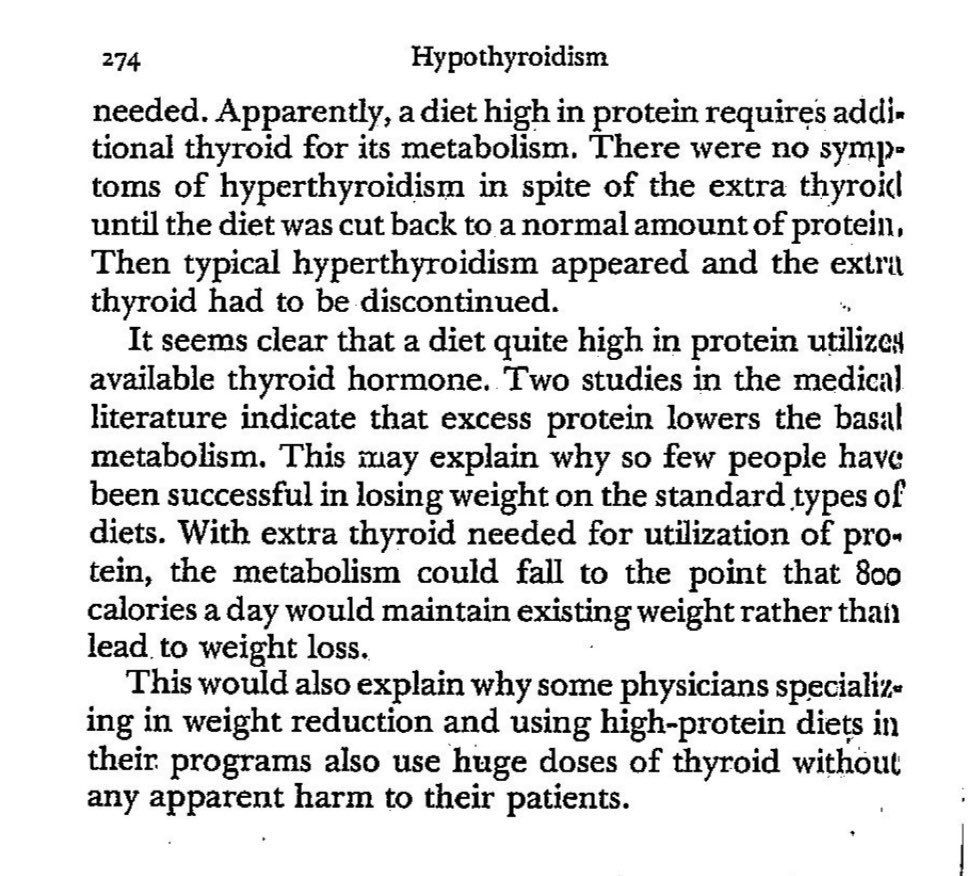
What you just did was you found a way to manage your body's poor absorption and metabolism of blood sugar by incorporating protein with starch. I think what you just did was that by mixing milk powder with the starch, you used a large amount of protein to accompany your starch intake. Because protein takes a longer time to digest and to assimilate, it also slowed down the speed at which the starch is converted into blood sugar going I to your blood stream. You turned a sudden flash flood of glucose into managed trickles of it that flows into your blood for s muxh longer duration. This ensures your glucose does not quickly run out. Also you keep the glucose your flooding and you don't reach high blood sugar levels, keeping insulin production at a minimum, this avoiding the conversion of blood sugar into fat by the liver. This further ensures you don't excessively convert blood sugar into fat, which can turn into low blood sugar or hypoglycemia, which is very stressful.
You can also do a similar thing when you eat starch with a large portion of steak. You can eat brown rice with the steak instead of white, as the fiber in brown rice slows down the conversion of starch into glucose.
As you are able to make blood sugar stable by tweaking your blend of macros, you're able to put yourself on a path of recovery into becoming closer to eventually becoming better tuned to produce energy from simple sugar in an optimal manner, via mitochondrial respiration.
Taking supps like thyroid would help. Dealing with internal issues that rob energy would help direct energy towards healing from a low energy and hypothyroid state. Making sure you don't suffer from any deficiency further brings along your healing. And making your mind less polluted with wrong medical ideas that detracts from your healing also help, such as false notions that vitamin A is toxic but in reality anything in excess is not healthful.