Dandruff or scalp irritation? Try BLOO.

  • K2 and CoQ10 for Mitochondrial Health

    5
    0 Votes
    5 Posts
    786 Views
    cs3000C
    @Galaroc i tried it but didnt notice benefits (maybe other problems meaning benefits couldnt be gained or maybe my coq10 synthesis is good and not a limiting factor for energy production for me?). apparently its good with heart failure sounds like there is some "programmed in" thinking mixed into that? like theres some sort of counter for atp that when it hits mitochondria stop or something? as speculation. but mitochondria repair / replace in right conditions, co2/atp production clearly dynamic, older age people sill respond positively to supplements that influence mitochondria etc but haidut posted this http://haidut.me/?p=2144 highlighting the type of metabolism increase is important . someone can have high metabolism but be excessively uncoupled (i.e low functioning of the last part of the Electron Transport Chain in mitochondria), so lacking atp production, or someone can have high metabolism but atp produced from glycolysis without the co2 benefits u get from mitochondria linked metabolism so worsen longevity. or another factor could be ramping up the ETC too much for what the cell can handle with current factors (too much ROS production in the process), where milder increase could be protective increased co2 production in cells from increased metabolic rate is an important factor in aging / longevity ray mentioned some stuff on that in https://raypeat.com/articles/articles/salt.shtml
  • ADHD, Severe fatigue, digestion problems etc..

    220
    0 Votes
    220 Posts
    29k Views
    ?
    @ThinPicking I used to benefit a lot from green tea actually. Maybe I need to start drinking it again... Its the dose that is difficult. Sometimes I would put 4 teabags in a cup and drink it and feel good. Sometimes does nothing Im also looking into functional B2 deficiency and molybdenum supplements which I am taking currently. That is related to GABA because of weird cascades in the body and all sorts. I read about how molybdenum is needed to transport iron around the body. People with adhd have low brain iron and apparently amphetamine somehow fixes that????? But that seems like using a sledgehammer to put in tent pins modern medicine is very forceful. peat is gentle. better for the body? im going to keep doing what im doing for a week or two and come back. this may be it.
  • All things seizure disorders

    5
    0 Votes
    5 Posts
    486 Views
    cs3000C
    @AR04 https://www.sciencedirect.com/science/article/pii/S2214426921001300 megadose UMP stopped epileptic seizures in 2 days and stayed free https://www.degruyter.com/document/doi/10.1515/tnsci-2018-0031/html?lang=en orally nobelitin protects against seizures in mice , restores gaba/glutamate balance, ~250mg heq 7,8 DHF has profound preventative effect but the dose is extremely important, high dose just 2x makes them worse than controls, where 1/2 the dose as low dose improved a lot. i would be cautious and go low, it was administered i.p so idk dose orally but being cautious matching as oral dose ~50mg-60mg human equivalent. and i would start with less. from my experience it felt like it lowered cortisol potently at 12.5mg - 25mg still https://www.ncbi.nlm.nih.gov/pmc/articles/PMC9723075/ The lower dose of 7,8-DHF almost completely prevented the occurrence of SRSs in the observation period of 21 days. Whereas, as noted above, 14 of 17 vehicle-treated rats displayed spontaneous motor seizures, only 2 of 18 rats treated with 5 mg/kg 7,8-DHF experienced each a single motor seizure, and this happened much later than in the vehicle group @Peatful said in All things seizure disorders: https://raypeat.com/articles/articles/epilepsy-progesterone.shtml progesterone, thyroid / fixing hypothyroidism, vit E protection from PUFA, lowering pufa intake, carbon dioxide, good carb intake, foundation of protein intake to prevent edema, sodium, adenosine (& probably being cautious with caffeine) {UMP uridine study i posted is another nucleic acid like adenosine}, (peats article worth full read) & not drinking too much water It has been known for a long time that hyperhydration can produce seizures; at one time, neurologists would test for epilepsy by having the patient drink a pint of water. Although there are many reasons to think that the hyperhydration produced by hypothyroidism is a factor in epilepsy, physicians have been very reluctant to consider the possibility, because they generally think of thyroid hormone as a stimulant, and believe that "stimulants" are necessarily inappropriate for people with epilepsy. Pre-eclampsia and pregnancy toxemia have been corrected (Shanklin and Hodin, 1979) by both increased dietary protein and increased salt, which improve circulation, lower blood pressure, and prevent seizures, while reducing vascular leakiness.
  • High DHEA, Cortisol, Lactate, Prolactin, Progesteron but low PTH

    2
    0 Votes
    2 Posts
    294 Views
    ?
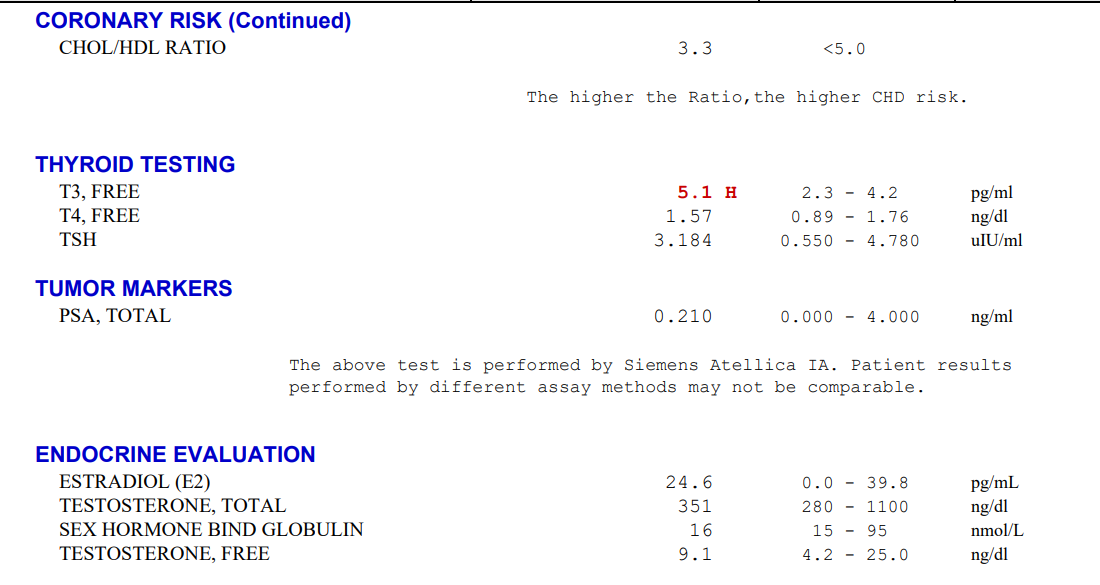
    @StreamOfWater said in High DHEA, Cortisol, Lactate, Prolactin, Progesteron but low PTH: Hi, I just received (29, male) bloodwork results. Here they are: DHEA: 30 nmol/l Cortisol: 615 nmol/l Lactate: 2.10 mmol/l Prolactin: 21 μg/l Progesterone: 3.3 nmol/l PTH: 2.0 pmol/l LDL Cholesterol: 3.90 mmol/l TSH: 2.5 I have been following Ray Peat's approach for 2 years, but was already eating low in PUFA and avoiding most processed foods for years. I mostly eat dark vegetables, potatoes, cheese, eggs, meat, honey, some citrus fruits, some seafood and drink a lot of milk. This is what I mostly eat in winter. In summer, definitely more carbs (fruits). I had more blood markers tested, but the ones I mentioned are the most concerning. I did not take any supplements for 2 months prior to the blood test. What is the best course of action for me in this situation? It would be helpful if you would please provide the test ranges in addition to the numbers of your own results. Your TSH is high. A full thyroid panel including free T4, free T3, and reverse T3 would be helpful. The goal is to have a low PTH; it means your parathyroid is quiet and happy and not pumping out PTH. Without the ranges for the lab tests, evaluation of your results is difficult if not possible. Look on your lab tests and see if you can find them.
  • Treating a fever

    4
    0 Votes
    4 Posts
    367 Views
    cs3000C
    @himblondemaxxing & more [image: 1719304131327-396d464d-7fcd-4c48-aa8f-d07a577a659f-image.png] https://www.youtube.com/watch?v=R8fpVNhiqKQ https://www.youtube.com/watch?v=Dy4HA3vUv2c
  • No sex drive, Long refractory period and ED

    21
    0 Votes
    21 Posts
    2k Views
    ?
    @fucker I know you mentioned it already, but porn will do this. If you get erections from edging to porn but not a real woman, then you know its PIED. If you don't get erections from porn either, then it may also still be PIED. If you have no desire or interest altogether (asexual) then it could be a low dopamine problem, as you likely are lacking zest for living altogether.
  • Muhammad Pbuh, The original peater?

    9
    0 Votes
    9 Posts
    1k Views
    thyroidchor27T
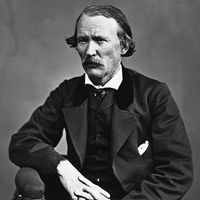
    @VehmicJuryman schizophrenia is Peaty, read Kazantzakis
  • Dr. Richard Wallows

    3
    0 Votes
    3 Posts
    817 Views
    A
    @constipated It's a joke
  • Varicocele and Digestion connection discussion

    1
    0 Votes
    1 Posts
    196 Views
    No one has replied
  • Methane SIBO for beginners

    1
    0 Votes
    1 Posts
    326 Views
    No one has replied
  • 0 Votes
    1 Posts
    237 Views
    No one has replied
  • Any idea how to lower triglycerides?

    6
    0 Votes
    6 Posts
    653 Views
    DavidPSD
    [image: 1719053868238-8d7146a6-b34a-4921-a4e5-3c228cb759f4-image.png] New Perspectives on the Use of Niacin in the Treatment of Lipid Disorders
  • Bartholin cyst

    1
    0 Votes
    1 Posts
    215 Views
    No one has replied
  • What to expect with T3?

    6
    0 Votes
    6 Posts
    905 Views
    S
    @Galaroc Thanks for the links, I will have a read. Currently I've stopped taking T3 and am going to try and improve my diet before I try again.
  • Calcific Tendonitis

    5
    0 Votes
    5 Posts
    486 Views
    R
    Oh Kuinone would be marvelous. And keep working on him eating ripe fruit, more salt and gelatin.
  • How to lower LDL

    4
    0 Votes
    4 Posts
    416 Views
    GreekDemiGodG
    My LDL is hovering around 150 mg/dL. I was hoping that taking thyroid would lower it, but so far it hasn't been the case, and I've been on thyroid for more than 2 months. Last blood test was 140 mg/dL, a bit lower. It seems like in some people, eating Saturated Fats abruptly increases LDL cholesterol, and in others, to a lesser degree.
  • Soy lecithin

    2
    0 Votes
    2 Posts
    350 Views
    AmazoniacA
    I remember discussing this issue with our rodent. To be conservative, you'd have to find the maximum permitted level for a given food to contain after its addition (varies between countries), but 1% would be a generous value. 50 grams as a food serving with lecithin at 1% yields 0.5 g of lecithin. If this was pure linoleic acid, we would have 500 mg linoleic acid/serving. The phospholipid research center: current research in phospholipids and their use in drug delivery [image: 1718929724133-c4be1291-03e9-4989-a44a-cbcbca5034e2-image.png] Lecithin is processed and the product may have a higher concentration of phosphatidylcholine. The use of natural and synthetic phospholipids as pharmaceutical excipients [image: 1718929767580-9076602c-4de0-473d-8569-e2d2293b2ded-image.png] To keep it simple, we can treat other phospholipids of lecithin that may be present as phosphatidylcholine and assume that the only fatty acid occurring is linoleic acid. Fatty acid (linoleic acid): R-COOH Fatty acyl (linoleoyl): R-CO- Dilinoleoyl-phosphatidylcholine – glycerophosphocholine (whole molecule minus the non-fatty fraction) ⠀ 782 g/mol – 257 g/mol = 525 g/mol (corresponding to the 2 'linoleoyls') ⠀ 782 g/mol → 100% 525 g/mol → ~70% 500 mg PC/serving × 70% = ~350 mg LA/serving The values above were inflated. As an example of how low it can be, I contacted a large company to ask how much soy lecithin they add to their whey protein, and they replied that it contains 0.1 g lecithin/kg whey protein (0.01%). Lecithin per serving: 15 g × 0.01 = 0.0015 g = 1.5 mg lecithin/serving Discounting the non-fatty fraction: 1.5 mg × 70% → ~1 mg fatty acids/serving Discounting the other fatty acids: 1 mg × 70% → ~0.7 mg linoleic acid/serving (~0.0007 g/serving) Nutrient Ranking Tool | MyFoodData Phospholipids are remodeled during digestion. Potential Roles of Fatty Acids and Lipids in Postharvest Needle Abscission Physiology [image: 1718929791450-2159dc7f-4c36-445b-957c-233b26572706-image.png] Individual Phosphatidylcholine Species Analysis by RP-HPLC ELSD for Determination of Polyenylphosphatidylcholine in Lecithins [image: 1718929807261-352ed625-861b-4b75-b09c-6503d637a8c3-image.png] The abbreviation is in order (sns: 1, 2, 3). Example: LLPC is Linoleoyl, Linoleoyl and Phosphorylcholine. The sn-2 position is known as the susceptible to remodeling during digestion (after the action of phospholipase A2). In contrast, the sn-1 position might remain intact. It would be preferable for linoleoyl not to occur at the sn-1 position because of this, but at least linoleoyl in the middle (sn-2) is a common pattern in these phospholipids and can be substituted for other fatty acyls. The released fatty acid can be absorbed in free form, but not incorporated in the phospholipid.
  • Rapid Deterioration?

    17
    0 Votes
    17 Posts
    2k Views
    ?
    @Energia said in Rapid Deterioration?: Desperate for any kind of help. Myriad of health issues. History of chronically increased cortisol levels ( stress related, no cushings). Many signs typically associated with cushings, with the worst being skin thinness followed by muscle and joint/bone weakness. Very underweight, difficulty putting on and maintaining weight bordering cachexic looking. Sensitivity to most foods, so that doesn't help. Indigestion/ GERD elicit arrythmias (SVT), so I must be careful with food intake. Sudden movements also can trigger this rhythm. Issues have been going on for years, but have hit breaking point and progressing rapidly. Skin rapidly becoming too thin to the point where almost every blood vessel is visible, new fine line wrinkles popping up seemingly every day (and this is no exaggeration). Can't even smile slightly without getting pretty severe redness in face and visible veins due to the thin skin. Petechiae everywhere, new moles popping up. Extremely dry hair and skin, regardless of hydration. I thought it was all attributed to cortisol issues, but recently I have a strong suspicion of ehlers danlos. Joints extremely unstable/ pop extremely loudly when manipulated. Internal organs feel like they're hanging on by a thread (possible hiatal hernia?) Severe social anxiety/uneasiness which causes a cortisol/adrenaline response. Took beta blocker for many years but weaned off few years ago. Thinking about restarting it to help mitigate some tissue/muscle damage from adrenaline. Neurological issues. I could go on further, but basically every organ system seems to be wasting away and quite rapidly at this point. Don't know what to do as I've become extremely sensitive to almost every food and even just eating causes fatigue. Don't know how fixable any of this is at this point, especially the collagen/ thin skin issues, as I've read that once skin has thinned out it can't really be regrown. Although maybe the bioenergetic theory says otherwise? Anyone have any knowledge on this or any of the other issues I mentioned? Any advice would be greatly appreciated. Thanks in advance. Magnesium lowers cortisol. see here: Magnesium Status and Stress: The Vicious Circle Concept Revisited Your description above sounds like thiamine deficiency/beriberi. see here: https://www.hormonesmatter.com/thiamine-deficiency-in-modern-medical-practice/ also: Hiding in Plain Sight: Modern Thiamine Deficiency Thiamine and magnesium work together in the body. Supplementing thiamine improves tolerance for magnesium. see also: https://www.multibriefs.com/briefs/icim/thiamin.pdf Hypothyroidism symptoms and thiamine deficiency symptoms have some similarities because each of these block oxidative metabolism. It can get confusing. Also, the thyroid needs thiamine to do its job. Ray Peat explained that adrenaline is released when blood sugar gets too low which is supposed to signal to the liver to release stored sugar into the blood stream. If the liver is unable to store sugar it won't be able to release any. If that happens, then cortisol is released to dissolve body tissues to provide glucose to the heart and brain. The liver needs thiamine to work properly. If there's a thiamine deficiency, the liver can't do a good job of storing sugar etc. In addition, the mitochondria need thiamine to burn glucose for cellular energy. If this process is blocked (from no thiamine), then from the body's perspective there is a lack of glucose getting turned into energy. This can cause the release of adrenaline, then cortisol, resulting in tissue wasting.
  • Morphic Fields and Friends

    morphic field experiemental sheldrake tutorial
    9
    0 Votes
    9 Posts
    973 Views
    J
    Every time I listen to this thyroid wav my heart rate increases and blood flow increases. https://youtu.be/31q6hGK9i08?si=kVLFsPwTGECYqlOs Interesting about that binaural nutrition channel as it seems to be pretty peaty in its frame work. With videos like "estrogen Blocker" and "serotonin reducer". Also some funny ones like trenbelone.
  • This topic is deleted!

    1
    0 Votes
    1 Posts
    17 Views
    No one has replied