Dandruff or scalp irritation? Try BLOO.

Subcategories

  • Scientific papers, books, blog posts. Discussion of whatever you find interesting and notable.

    659 Topics
    4k Posts
    AlphaZanceA
    Abstract Background The Metabolic Syndrome (MetS) is highly prevalent and associated with an increased risk for Type 2 diabetes mellitus (T2DM) and cardiovascular disease (CVD). Lifestyle recommendations to treat MetS often include the replacement of saturated fats (SFA) and monosacharides with unsaturated fat. However, it is unclear whether metabolic parameters will improve more when the saturated fat in American Heart Association (AHA) diets is replaced with higher concentrations of mono or poly-unsaturated fatty acids (MUFA, PUFA). Objective To test the hypothesis that an AHA diet enriched in MUFA improves lipoprotein lipids, insulin resistance, inflammation and endothelial function to a greater extent than a diet enriched in PUFA in middle-aged men and women with MetS. Methods A prospective, open-label, parallel group design with randomization to a hypocaloric MUFA or PUFA enriched diet following weight stabilization on an AHA Step I diet. Participants consumed 3 MUFA or PUFA enriched muffins daily with additional supplementation as required to ensure 25-50% increases in dietary fat intake from these sources at the expense of SFA and the opposing unsaturated fat. Changes in MetS components were measured at baseline and after 6 months of dietary intervention. Results Thirty-nine participants (mean age 60.8 years, 79% African-American, 60% women) with MetS completed the 6-month study. Compared to baseline, assignment to either MUFA (n=23) or PUFA (n=16) both were associated with weight loss (WL) (MUFA: −2.3±1 kg, P=0.06; PUFA: −4.6±2 kg; P=0.002), but PUFA was also associated with reductions in triglycerides (TG) (−30±18 mg/dL, P=0.02), systolic blood pressure (BP) (−7±3 mmHg, P=0.01), diastolic BP (DBP) (−4±2 mmHg, P=0.01) and improved flow mediated dilation (FMD) (7.1±1.8% vs. 13.6±2%, absolute increase; P=0.0001). When compared to MUFA treatment, PUFA intervention was associated with reduced TG (P=0.04) and DBP (P=0.07) as well as increased FMD (P=0.04) even after adjustment for changes in weight. There was no effect on total cholesterol, low-density lipoprotein cholesterol (LDL-C), glucose, high-sensitivity C-reactive protein (hs-CRP) or other inflammatory proteins. Overall, 25% (4 of 16) assigned to PUFA and 13% (3 of 23) to MUFA converted to non-MetS status. Conclusion Substitution of SFA with PUFA in patients with MetS is associated with greater reductions in TG and improvement in endothelial function than MUFA that is independent of WL. These preliminary findings raise the possibility that PUFA may be the unsaturated fat of choice to reduce cardiometabolic risk in patients with MetS. https://pmc.ncbi.nlm.nih.gov/articles/PMC5010036/ The conflict you’ve highlighted is the central battleground between Bioenergetic (Ray Peat) principles and Mainstream Lipid Science. To understand why a study like the MUFFIN study shows positive results for Polyunsaturated Fats (PUFA) while Ray Peat viewed them as metabolic toxins, we have to look at the different metrics they prioritize: short-term blood markers versus long-term cellular stability. 1. The Chemical Difference: Why Peat Opposed PUFA Ray Peat’s primary argument against PUFAs (like those found in soybean, corn, and sunflower oils) was based on their chemical structure. PUFAs have multiple "double bonds." Saturated Fats (SFA): Have no double bonds. They are straight, stable, and resistant to heat and oxygen. Polyunsaturated Fats (PUFA): Have multiple double bonds. These bonds are "open" sites where oxygen can attack, leading to lipid peroxidation. According to Peat, when these unstable fats are incorporated into human tissues (cell membranes and mitochondria), they make the body more susceptible to oxidative stress, inhibit thyroid function, and promote the formation of age pigments (lipofuscin). 2. Analyzing the MUFFIN Study through a "Peat" Lens The MUFFIN study found that PUFAs were superior to Monounsaturated Fats (MUFA) for improving triglycerides and blood pressure in patients with Metabolic Syndrome. A follower of Ray Peat would likely critique these findings using the following arguments: A. The Weight Loss Confounding Factor In the study, the PUFA group lost significantly more weight (-4.6 kg) than the MUFA group (-2.3 kg). The Mainstream View: PUFAs might improve insulin sensitivity, leading to better weight loss. The Peat View: PUFAs are known to be "pro-metabolic" only in the sense that they can be toxic to the mitochondria, sometimes causing a "wasting" effect or a stress-induced increase in metabolic rate. Peat often argued that PUFAs interfere with the body's ability to store energy efficiently, which might show up as weight loss but at the cost of increased systemic stress. B. The "Blood Clearing" Effect vs. Tissue Accumulation The study focuses on Triglycerides (TG) and Flow Mediated Dilation (FMD). The Mainstream View: Lowering triglycerides in the blood is a sign of improved cardiovascular health. The Peat View: PUFAs lower blood lipids because they are easily oxidized and "pulled" out of the blood into the tissues, or because they inhibit the liver's ability to release glucose and fats. Peat argued that having lower fats in the blood isn't a benefit if those fats are being stored in your cell membranes, where they remain vulnerable to turning into toxic byproducts like acrolein and 4-HNE. C. The Randle Cycle (Glucose Competition) Ray Peat’s work heavily emphasized the Randle Cycle, a metabolic process where the oxidation of fats inhibits the oxidation of glucose. Peat argued that PUFAs are particularly effective at blocking the "burning" of sugar. While the MUFFIN study suggests improved "metabolic management," Peat would argue that over the long term, high PUFA intake forces the body into a state of "fat-burning" that mimics diabetes at a cellular level, suppressing the more efficient oxidative metabolism of glucose. 3. Why the results differ The MUFFIN study and Ray Peat are essentially looking at two different things: Feature Mainstream/MUFFIN Study Focus Ray Peat/Bioenergetic Focus Primary Goal Lowering blood markers (TG, BP, LDL). Increasing metabolic rate and CO2 production. Timeframe Short-term (6 months). Decades of tissue accumulation. Mechanism PUFAs as "essential" signaling molecules. PUFAs as "anti-thyroid" and oxidative toxins. Endothelial Health Measured via blood flow (FMD). Measured via resistance to lipid peroxidation. Summary The MUFFIN study provides evidence that for obese individuals with metabolic syndrome, replacing saturated fats with PUFA can lead to rapid improvements in clinical biomarkers (blood pressure and triglycerides). Ray Peat would counter that these improvements are superficial. He would argue that the participants are trading "good-looking" blood tests for long-term "rotten" cellular membranes. From a Peat perspective, the "metabolic syndrome" is caused by a lack of sugar oxidation, and adding PUFAs—even if they lower blood pressure in the short term—further suppresses the thyroid and the body's ability to use oxygen properly.
  • Websites, newsletters, articles, podcasts, interviews, explainers, books, and other resources that relate to the work of Dr. Raymond Peat.

    62 Topics
    703 Posts
    CiceroC
    I noticed the reprint of Nutrition for Women says "100 short articles by Ray Peat, PHD," where the old one said "92...". What did they add to it? Also, note that From PMS to Menopause is for sale on Peat's website but not Amazon, and Peat's website doesn't have Generative Energy. Weird. I wonder if Katherine gets more of the money if you order from Peat's site. I'd imagine so.
  • Do you have a question? You can post it here, but you will only receive unqualified personal opinions and NOT medical advice in any shape or form. If something seems like medical advice but it's posted in this category, it's actually a personal opinion.

    1k Topics
    11k Posts
    L
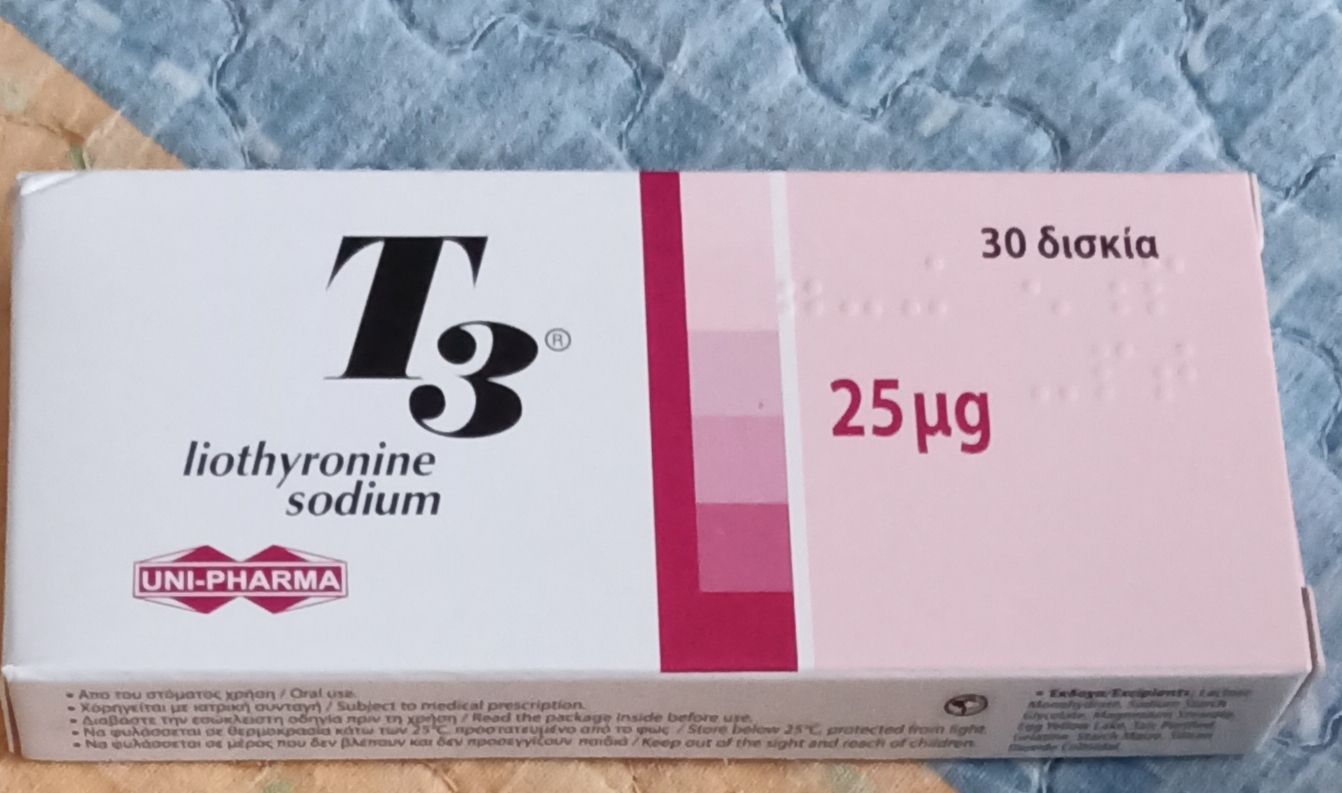
    @awawat there’s more where that came from ( ͡° ͜ʖ ͡°) Also, I would consider your rT3 levels if you’ve taken only T4 with no results for a while. Peat talked about success with low doses over a course of 6-24 months. Maybe you could play with higher ratios of t3 to t4 in your lunch and dinner doses. Danny Roddy probably has the most complied info on practical thyroid use, between convos with Peat, and feedback with health coaching. I think he might have a concise vid on using thyroid on YouTube
  • From medical devices to supplements. Red lights, CO2 tanks, large trash bags, kuinone, and more.

    393 Topics
    4k Posts
    sunsunsunS
    @saturnuscv which brand pharma oxandroloine?
  • Recipes, food, meal prep, brands. Discuss them all here.

    236 Topics
    2k Posts
    JenniferJ
    @Mossy, thank you for understanding. I’ve been taking advantage of the beautiful weather we’ve been having here and helping my dad build up the endurance he lost since having the flu in January so I’ve been away from my computer and the forum more, lately. I think the thread’s title should read Cooking With Mossy because you’re far more ambitious and precise with your cooking than I am. You remind me of my brother. While I hardly ever measure ingredients and prefer using my senses—for example, I can tell by smell when something is done baking—my brother is methodical and likes following detailed instructions. I joke that it’s because he’s a Virgo, a sign known for its meticulous attention to detail, sometimes to its own detriment, and that if you want something done to perfection, hire a person with Virgo (or Capricorn) placements. I’m so glad you’ve made strides with your health and with your level of dedication, I have no doubt that you’ll continue to. I think my success with thyroid is a reflection of my long-standing deficiency, having had an under-active thyroid since birth and certain stressful experiences like molestation that suppressed it further. I think the average person with a healthier history could improve their thyroid function with diet and lifestyle changes alone. Having overcome the trauma, my need to supplement is minimal now outside of winter so I’m hopeful it will eventually be unnecessary. I’ve been a swimmer since I was in utero —in fact, one of my earliest memories is me as a baby in our pool wishing my mum had put me in the blue floaty she put my cousin in, instead of the red floaty I was in because even barely out of the womb I had strong preferences and don’t care for red lol—so I don’t actually fear I would drown, but I can see myself getting tossed around like a beach ball. However, it’s not mastering surfing that I’m after, but the surfer’s relaxed lifestyle and mindset. I could easily spend hours floating in the ocean on a surfboard (or steamer trunk—shout-out to Joe ), never catching a wave, and be in total bliss if I was in the flow, just being water, my friend. Haha! Fair enough. My dad isn’t a finger tapper, though. I sometimes wish he was because it has been a struggle getting him to eat, especially since his cancer treatments. I used to make all his meals in bulk on Mondays and he would just pull whatever he wanted out of the freezer and reheat it in the microwave throughout the week, but I’m having to make him all his meals daily now because he won’t eat otherwise. LOL at ask Jennifer. I’ve been collecting random knowledge in preparation for if I’m ever a contestant on a game show. I’m convinced with each fact I gather that no matter how useless, it will be the answer to the question that stands between me and the grand prize so it goes in the memory bank. Even if there is credibility to the claimed benefits of sprouting and fermenting, it sounds like grains are only a fraction of your diet so I personally would stick with the flour that’s been working for you. You’re already eliminating the worst offenders (IMO)—the franken ingredients—by baking from scratch. The only reason I like sprouted flour is because I find it sweeter and as a devout Wonka follower, the sweeter the better. My dad doesn’t eat a ton of grains, anyway.
  • Discussing pistol squats, concentric exercise, resting, and other forms of strength training.

    92 Topics
    1k Posts
    alfredoolivasA
    @sunsunsun thx sushi
  • Throat tightness/soreness from thyroid

    1
    0 Votes
    1 Posts
    129 Views
    No one has replied
  • thpoughts this thread on AGEs?

    7
    0 Votes
    7 Posts
    793 Views
    ?
    @the-MOUSE said in thpoughts this thread on AGEs?: Here are some health problems that sugar has been shown to cause or exacerbate: Heart disease Type 2 Diabetes Cancer Cellular aging via telomere shortening Depression fatty liver inflammation throughout the body source: https://www.ncbi.nlm.nih.gov/pmc/articles/PMC8839066/ www.healthline.com I'd like to point out that your sugar consumption needs to be in sync with your thiamine status. Burning sugar for cellular energy requires thiamine because thiamine acts as an enzyme cofactor in the citric acid cycle (Krebs cycle). I suspected that all of the negative health issues in the list above are tied in with thiamine deficiency. I think that the core issue is thiamine deficiency, not sugar itself. Heart disease: searched for "heart disease and thiamine" this one: Thiamine and Cardiovascular Disease: A Literature Review "Thiamine plays an important role in energy metabolism in the human body. Deficiency in thiamine has high prevalence in certain at risk populations, and it can lead to serious morbidity and mortality. The role of thiamine deficiency in causing endothelial dysfunction, vascular diseases, and systolic HF are well documented in the current literature. " Type 2 Diabetes Searched for "diabetes and thiamine" this one: Thiamine and diabetes: back to the future? "The first reports of a link between thiamine and diabetes date back to the 1940s. Some years later, a role for thiamine deficiency in diabetic neuropathy became evident, and some pilot studies evaluated the putative effects of thiamine supplementation. However, the administration of thiamine and its lipophilic derivative benfotiamine for the treatment of this complication gained consensus only at the end of the ‘90 s. " Cancer: searched for "cancer and thiamine" this one is interesting: The Role of Thiamine in Cancer: Possible Genetic and Cellular Signaling Mechanisms "A significant association has been demonstrated between cancer and low levels of thiamine in the serum. Genetic studies have helped identify a number of factors that link thiamine to cancer, including the solute carrier transporter (SLC19) gene, transketolase, transcription factor p53, poly(ADP-ribose) polymerase-1 gene, and the reduced form of nicotinamide adenine dinucleotide phosphate. Thiamine supplementation may contribute to a high rate of tumor cell survival, proliferation and chemotherapy resistance. Thiamine has also been implicated in cancer through its effects on matrix metalloproteinases, prostaglandins, cyclooxygenase-2, reactive oxygen species, and nitric oxide synthase. However, some studies have suggested that thiamine may exhibit some antitumor effects. The role of thiamine in cancer is controversial. However, thiamine deficiency may occur in patients with cancer and cause serious disorders, including Wernicke’s encephalopathy, that require parenteral thiamine supplementation. A very high dose of thiamine produces a growth-inhibitory effect in cancer. " In other words, low dose thiamine may be carcinogenic, medium dose thiamine is a wash, and high dose thiamine is anti-cancer. Further study revealed that low dose = probably below 50mgs, medium dose = 100mgs-2500mgs; high dose = 3500mgs. But this could certainly vary between people. I cannot tolerate greater than 2000mgs of thiamine hcl daily; I got shooting electrical zapping pains in my thighs at night after trying 2500mgs of thiamine hcl. Cellular aging via telomere shortening: searched for "telomere shortening and thiamine" this one: Drinking makes you older at the cellular level "We also found an association between telomere shortening and thiamine deficiency (TD)," said Yamaki. "TD is known to cause neuron impairments such as Wernicke-Korsakoff Syndrome. Although how exactly TD can cause neural impairments is unclear, it is well known that oxidation stress cause telomere shortening and, thus, it is possible that oxidation stress may also cause neuron death." edit: I think they mean Oxidative Stress, not oxidation stress.... A search for Oxidative Stress and thiamine yielded this: Thiamine leads to oxidative stress resistance via regulation of the glucose metabolism "In conclusion, these findings suggest that extracellular thiamine leading to oxidative stress resistance have an impact on the regulation of glucose metabolism by shifting the energy generation from fermentation to respiration. " Depression: searched for "depression and thiamine" this one: Neurological, Psychiatric, and Biochemical Aspects of Thiamine Deficiency in Children and Adults "With glucose being the primary fuel for energy production in the brain, it is not surprising that mitochondrial dysfunction and the consequent impaired glucose metabolism have been associated with several neurological and neurodevelopmental conditions (97) and major psychiatric illnesses, such as depression (98) and schizophrenia (99). The neurological symptoms in thiamine deficiency are similar to defects of PDH, which most frequently present as Leigh-like syndrome with basal ganglia involvement. Therefore, the nervous system, which is highly specialized in the use of glucose for energy generation, seems to be most vulnerable to PDHC deficiency due to TPP depletion. In the brain, the lower mitochondrial ATP production will limit the maintenance of membrane potential via the action of the Na+,K+-ATPase, thereby compromising nerve conduction and chemical synapses. Moreover, the increased oxidative stress due to the lower TKT activity will damage critical biomolecules, initiating lipid peroxidation and oxidative damage to proteins resulting in fragmentation, posttranslational modifications, and cross-linkings." fatty liver: searched for "fatty liver and thiamine" this one: High-dose vitamin B1 therapy prevents the development of experimental fatty liver driven by overnutrition "Here, we tested the hypothesis that treatment with thiamine (vitamin B1) can counter the development of hepatic steatosis driven by overnutrition. Remarkably, the thiamine-treated animals presented with completely normal levels of intrahepatic fat, despite consuming the same amount of liver-fattening diet. Thiamine treatment also decreased hyperglycemia and increased the glycogen content of the liver, but it did not improve insulin sensitivity, suggesting that steatosis can be addressed independently of targeting insulin resistance. Thiamine increased the catalytic capacity for hepatic oxidation of carbohydrates and fatty acids. However, at gene-expression levels, more-pronounced effects were observed on lipid-droplet formation and lipidation of very-low-density lipoprotein, suggesting that thiamine affects lipid metabolism not only through its known classic coenzyme roles. This discovery of the potent anti-steatotic effect of thiamine may prove clinically useful in managing fatty liver-related disorders." inflammation throughout the body: searched for "inflammation and thiamine" this one: The importance of thiamine (vitamin B1) in humans "In the cells of the immune system, the induction of an immune response (inflammation) is associated with a switch of metabolic energy production from glucose, from oxidative phosphorylation to aerobic glycolysis. Thiamine has general anti-inflammatory properties by dephosphorylating pyruvate dehydrogenase, which intensifies the conversion of pyruvate into acetyl-CoA; in addition, thiamine inhibits the breakdown of pyruvate to lactate. "
  • microwaving silicone lunchbox

    4
    0 Votes
    4 Posts
    283 Views
    the MOUSET
    @the-MOUSE https://www.kmart.com.au/product/400ml-glass-container-with-silicone-lid-43376667/?sku=43376667&utm_source=google&utm_medium=organic&utm_campaign=free_listings&srsltid=AfmBOop1ktGQ1JX8eedvlRrSXY6HjAP23DZGH-veYl0GjN7SWxnJQm7uNxw&region_id=200001
  • is thyroid supplementation essential?

    20
    0 Votes
    20 Posts
    2k Views
    xeliexX
    Thyroid for me is essential but not the 1 pill to cure all my woes. Without taking thyroid, my pulse dips to 36 bpm and in the 40s - 50s with office work. On thyroid, my daytime resting is around 70 bpm. I take Cynoplus and Cynomel. I need less in the summer and more in the winter to reach a daytime temperature of 37 C or higher and a reasonable pulse. I hope that one day I can become metabolically healthy enough to stop needing it, but until then, I still have to source it.
  • Never feel satiated

    10
    0 Votes
    10 Posts
    1k Views
    LucHL
    @BioEclectic said in Never feel satiated: Pressure cookers actually save energy Effect of high pressure steam on the eating quality of meat proteins High-pressure processing has potential for food preservation purposes because it can inactivate microorganisms and enzymes. The spatial configuration of some enzymes is changed. Proteins are composed of amino acids connected by amide bonds. Due to high reactivity under pressure and heat the molecules are twisted and changed. They could be no longer recognized by our digestive enzymes. The use of high pressure to modify the functionality of food proteins https://doi.org/10.1016/S0924-2244(97)01015-7 However some studies have shown to make it easier to digest meat but high pressure can affect protein conformation and can lead to protein denaturation, aggregation or gelation, depending on the protein system, the applied pressure, the temperature and the duration of the pressure treatment.
  • Protein intake and carb: protein ratio for maximal muscle gain?

    2
    0 Votes
    2 Posts
    427 Views
    B
    @GreekDemiGod Jay Feldman and Mike fave recommend a good amount of protein for clients around .6 to .8 grams per pound with a good source of glycine. It’s reasonable to me
  • sipping dextose throughout day

    1
    0 Votes
    1 Posts
    179 Views
    No one has replied
  • Ivermectin and Cancer Stem Cells

    2
    0 Votes
    2 Posts
    287 Views
    B
    I wanna know what Dinkov thinks about this.
  • Negative Feedback Mechanism of steroids on Gonadotropin Releasing Hormone

    1
    0 Votes
    1 Posts
    261 Views
    No one has replied
  • Just got an email

    8
    1
    0 Votes
    8 Posts
    1k Views
    MauritioM
    "It seems that an "empty/unbound androgen receptor" is the worst thing as far as glucocorticoid signalling - and that even androgen antagonists interacting with the androgen receptor can reduce that glucocorticoid signalling." https://raypeatforum.com/community/threads/panquinone-liquid-triquinoyl-quinone-mix-for-lab-r-d.11566/page-8#post-292585
  • Zonulin and its Consequences

    9
    0 Votes
    9 Posts
    896 Views
    stagS
    @LucH That's a very comprehensive paper, thanks for sharing! I didn't mean that zonulin is a protective inhibitor, I was referencing that substances that inhibit zonulin (like Larazotide acetate) are protective against its deleterious effects (like type 1 diabetes / celiac), as elaborated on in the papers we have both posted. @LucH said in Zonulin and its Consequences: For me zonulin is secreted in presence of excess lectins and gliadin (agglutinin family) to avoid aggregation with L-glutamine from the membranes. Zonulin acts as a garde-barrière, telling the body to let the toxins get away. Zonulin tells the tight junctions to stay open … Do you have more info on this? A search for lectins and leaky gut discloses this article: Lectins: The Gluten-Lectin-Leaky Gut Connection Some lectins that we consume in everyday foods can bind to the sugars in the cell walls of the gut or in the blood. This can cause an immune response, leading to inflammation, intestinal damage, altered gut flora, malabsorption, decreased cellular repair, cellular death, and eventually disease. These lectins bind to glycoproteins and glycolipids (sugar-coated proteins and fats) found on the surface of human and other animal cells. This binding allows for agglutination (clumping) and sometimes can produce an immune response. They can cause agglutination of blood cells and they can bind to the cells that line the small intestine. This article also references Fasano, he seems to be a popular guy in zonulin world. The relevant reference regarding lectins is here (I think): Dietary lectins are metabolic signals for the gut and modulate immune and hormone functions A related paper is here: Characteristics and consequences of interactions of lectins with the intestinal mucosa Following general Peat diet suggestions will have you avoiding most lectin-containing foods anyway, but there are two that stick out: dairy and nightshades. Someone could be getting most of their calories from milk and potatoes thinking theyre fine because its Peaty but may be driving intestinal permeability due to the lectin content. The example given in the article of a noxious lectin is wheat germ agglutinin. I wonder how bad non-wheat derived lectins like those from potatoes and milk are. If the mechanism is as described I also wonder if it may be advisable to keep dietary gluten and lectins to a minimum during L-glutamine supplementation, as that combination may provide ample reason for a zonulin trigger. This will be easy for wheat, likely also potatoes, but cutting milk may prove to be a challenge, if necessary. It also may be the case that the supraphysiological doses of glutamine generally used in supplementation may override any zonulin signaling caused by incidental dietary lectins. I'm not sure.
  • thoughts on this vid from foid saying seed oil harmless

    12
    0 Votes
    12 Posts
    836 Views
    L
    Lol bling became cool last second. Rip
  • Marijuana as an Intestinal Anti-inflammatory

    2
    0 Votes
    2 Posts
    307 Views
    ?
    look up cannabis hypermesis syndrome to find out what happens to some people after long term marijuana smoking.
  • This topic is deleted!

    1
    0 Votes
    1 Posts
    61 Views
    No one has replied
  • This topic is deleted!

    3
    5
    0 Votes
    3 Posts
    248 Views
  • 3 liters of whole milk a day

    3
    0 Votes
    3 Posts
    363 Views
    AndrosclerozatA
    @Cezar4911 also I got a powerful warmth that was uncomfortable, similar to high protein meal
  • Pregnenolone's impact on a woman's cycle?

    7
    0 Votes
    7 Posts
    846 Views
    U
    @FOR-THE-POTATO This is off topic....
  • thoughts? debloating, aldosterone and acne

    1
    1
    0 Votes
    1 Posts
    185 Views
    No one has replied
  • Suppression of Haidut's Cancer Cure

    7
    2
    8 Votes
    7 Posts
    2k Views
    ChudC
    @the-MOUSE you dont really need hair once your his age and already have wife/kids. and being built like that is peaty. also 1.5 liters chocolate ice cream/day diet cures hairloss but you need to supp bicarb, sunbathe, and do nofap for it to take effect.
  • Taking zinc/copper/selenium and iodine for thyroid

    2
    0 Votes
    2 Posts
    315 Views
    No one has replied